
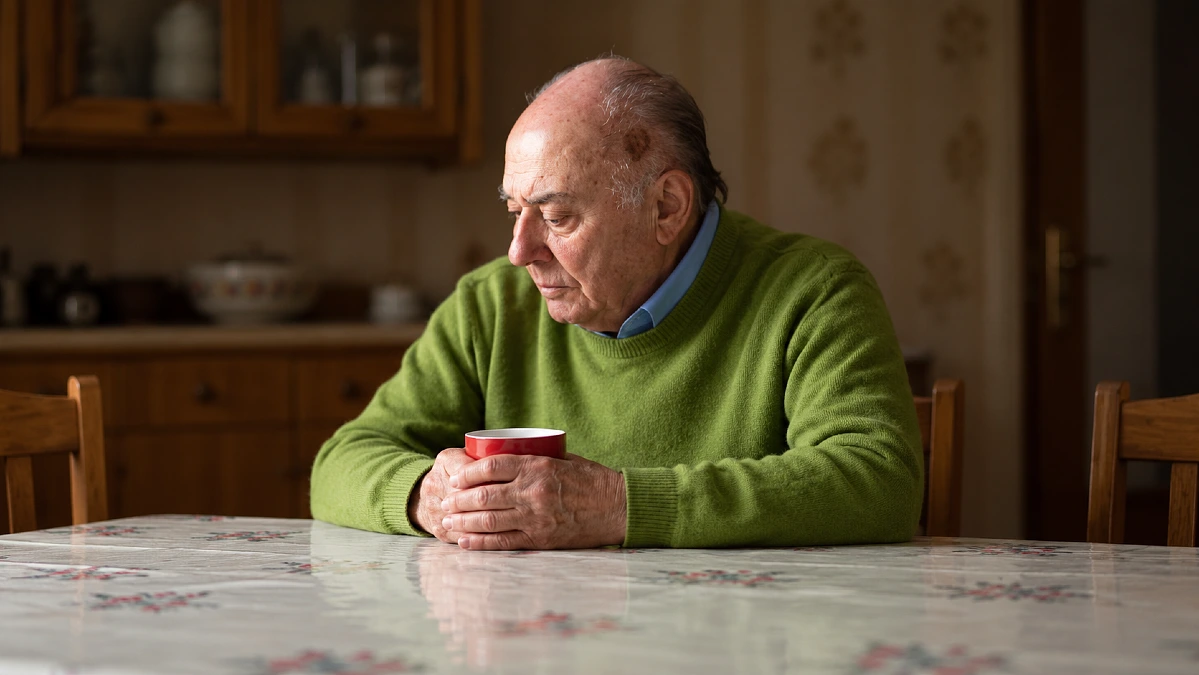
Retirement is supposed to bring freedom, peace, and more time for the people you love. But for millions of older Americans, leaving work also means losing daily conversations, familiar faces, and the feeling of being needed. A quiet house can slowly become a lonely place, even when money and health are reasonably secure.
The health risks are more serious than many retirees realize. The U.S. Surgeon General’s 2023 advisory warned that lacking social connection may carry a risk of premature death comparable to smoking up to 15 cigarettes a day. Researchers have also linked loneliness and isolation to depression, heart disease, stroke, and cognitive decline.
Fortunately, loneliness is not an unavoidable part of aging. There are practical ways to rebuild friendships, create a stronger weekly routine, and develop meaningful relationships after 60, 70, or even 80. The following 14 strategies focus on what older adults can realistically do, including those living alone or managing limited mobility.
Why Loneliness Can Become a Serious Health Problem After Retirement
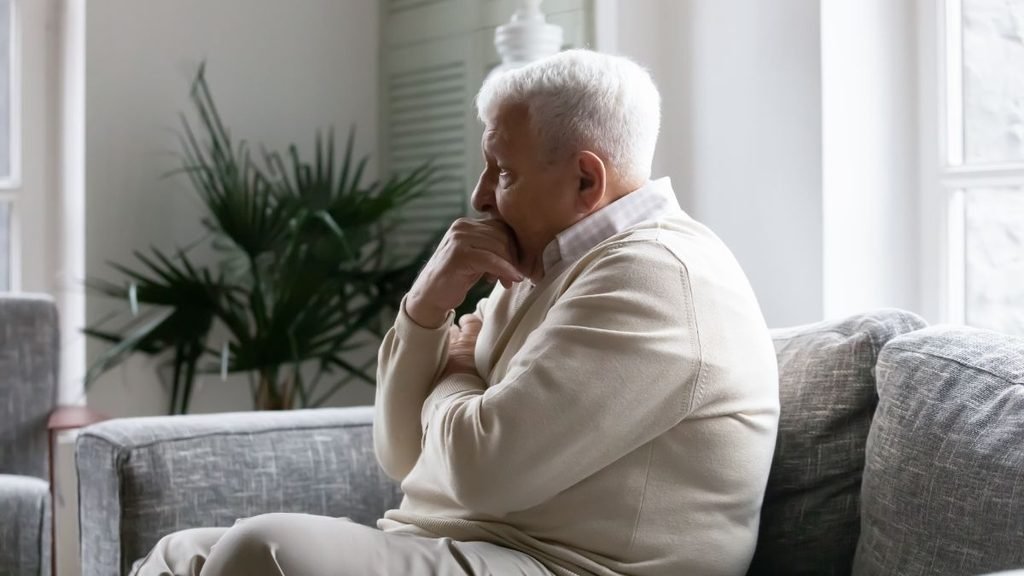
Leaving a career changes much more than someone’s income. Work provides casual conversations, shared responsibilities, familiar routines, and people who notice when you are missing. When those connections disappear, retirees sometimes discover that their social lives were tied more closely to employment than they realized.
Other life changes can deepen the problem. Losing a spouse, moving away from longtime neighbors, developing hearing problems, or giving up driving can make ordinary social activities difficult. These changes may happen gradually, making loneliness harder to recognize until it becomes part of everyday life.
However, the cigarette comparison needs context. It refers to similarities in population-level mortality risk estimates, not proof that loneliness causes the same physical damage as smoking exactly 15 cigarettes daily. Loneliness and social isolation are also different experiences, and not everyone who lives alone feels lonely.
| Social Situation | Why It Can Become Difficult | Possible First Step |
|---|---|---|
| Recently retired | Lost daily contact with coworkers | Arrange regular meetups |
| Widowed or divorced | Lost a close emotional relationship | Join a supportive group |
| Living alone | Fewer everyday conversations | Schedule recurring calls |
| Limited mobility | Harder to attend community activities | Explore transportation or online groups |
| Family lives far away | Infrequent face-to-face visits | Plan regular video conversations |
| Friends have moved or died | Smaller social circle | Develop new shared interests |
The goal is not to fill every hour with social activities. Some retirees genuinely enjoy quiet afternoons and plenty of personal space. What matters is having enough meaningful connection to feel supported, included, and valued.
1. Put Two Social Appointments on Your Calendar Every Week

One of the simplest ways to fight retirement loneliness is to stop leaving social contact to chance. Waiting for someone to call or hoping a friend will suggest lunch can lead to weeks without meaningful conversation. A standing appointment gives the week something dependable.
Choose two regular times for social contact. Tuesday might be coffee with a neighbor, while Friday could be a phone conversation with a sibling or longtime friend. Keeping these appointments predictable also makes it easier for other people to participate.
These meetings do not need to cost money. A walk through the park, an afternoon at the library, or a conversation over homemade coffee can work just as well. The important part is making contact a regular habit rather than an occasional event.
Try this: Choose two people and suggest a weekly time to connect. If one person is unavailable, keep the appointment and invite someone else.
2. Reconnect With One Friend You Haven’t Spoken to in Years
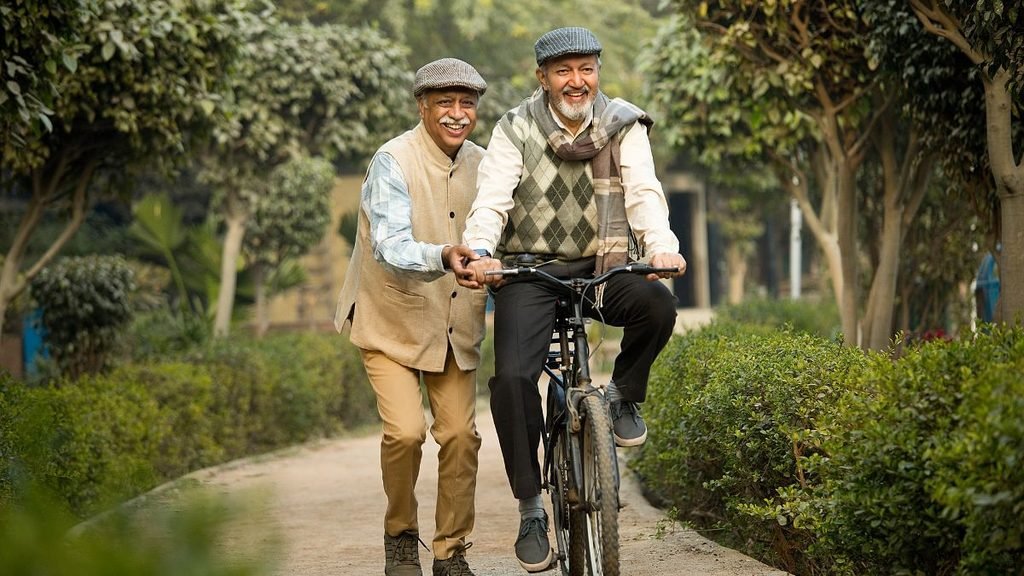
Many retirees have friendships that faded because of busy schedules rather than disagreements. Former coworkers, childhood friends, old neighbors, and people from community organizations may still welcome renewed contact. Sometimes both people have been waiting for the other to make the first move.
Start with a simple message that acknowledges the time apart. Mention a shared memory or ask how the person has been doing. There is no need to explain every year of silence before beginning another conversation.
Not every friendship will restart, and that is normal. Some people have moved into different stages of life or no longer have the same interests. The goal is to find relationships that still feel comfortable and worthwhile.
An old friendship can offer something a new acquaintance cannot immediately provide: shared history. Having someone who remembers earlier chapters of your life can be especially comforting during retirement.
3. Become a Regular Somewhere Instead of Always Staying Home

Friendships often develop through repeated, familiar encounters. The person you see at the library every Thursday may eventually become someone you enjoy talking with. A neighbor you regularly meet at the community garden can slowly become a genuine friend.
This is why joining a recurring activity can be more useful than attending several unrelated events. A weekly book club, community choir, senior center program, or hobby group gives people repeated chances to become familiar with one another. Conversations often become more comfortable after several meetings.
Research reviews have found that structured group programs can help reduce loneliness among older adults, although the effects vary between programs. Simply being surrounded by strangers does not guarantee meaningful connection.
Try this: Choose one activity that meets at least twice a month and attend several sessions before deciding whether it suits you.
4. Turn Your Daily Exercise Into Social Time
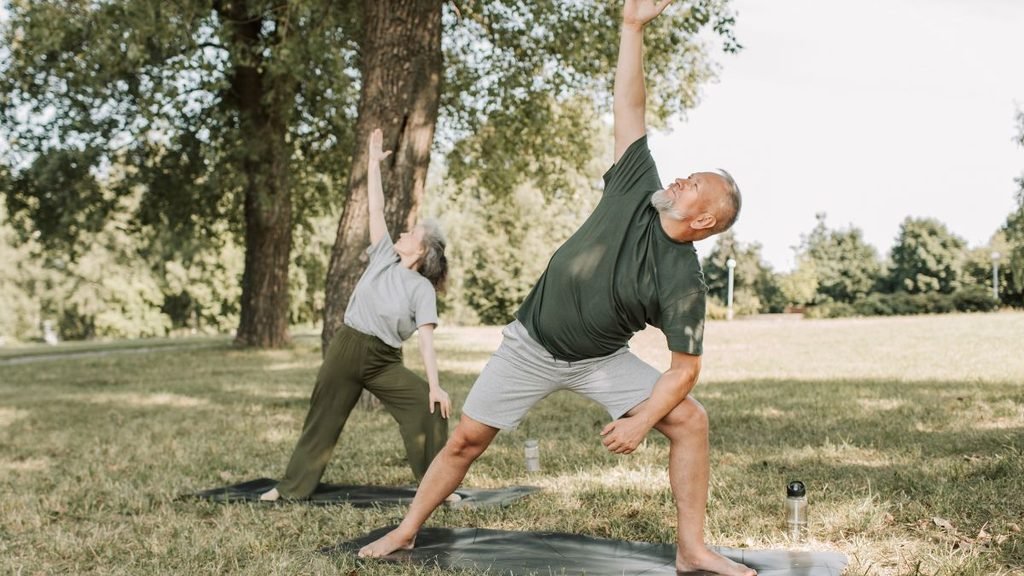
Exercise already offers important physical benefits, but it can also create opportunities for friendship. Walking groups, swimming classes, chair exercise programs, and community fitness sessions bring people together around a shared activity. Conversation often develops naturally when everyone has something in common.
For retirees who feel uncomfortable entering a room full of strangers, movement can remove some of that pressure. Instead of sitting face-to-face trying to find something to discuss, people can walk together or participate in a class. The activity provides a comfortable starting point.
Limited mobility does not have to prevent participation. Some community centers offer seated exercise, accessible walking groups, or gentle movement classes designed for older adults. The right option depends on personal health, comfort, and accessibility.
| Activity | Social Benefit | Adaptable Option |
|---|---|---|
| Walking group | Regular conversation | Short accessible walks |
| Water exercise | Shared weekly activity | Gentle pool sessions |
| Chair yoga | Familiar faces | Seated classes |
| Community gardening | Shared responsibilities | Raised garden beds |
| Dance class | Enjoyment and teamwork | Seated movement sessions |
| Group stretching | Predictable social contact | Low-impact routines |
Research suggests that group exercise may provide small improvements in loneliness, though results are not consistent across studies. Its value can come from the combination of movement, repeated contact, and shared experiences.
5. Volunteer for Something That Gives You a Reason to Show Up
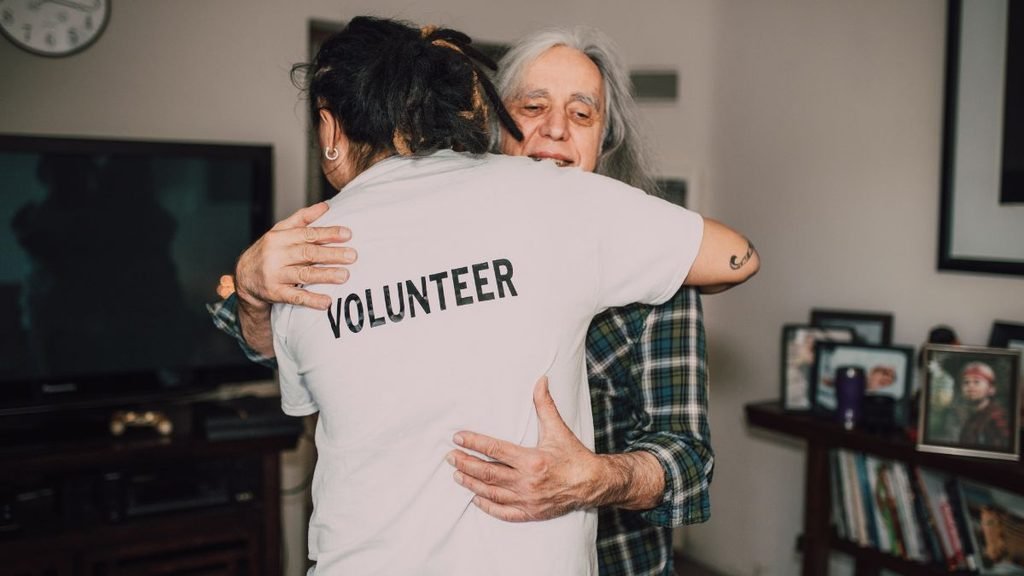
One difficult part of retirement is losing the feeling that other people depend on you. For decades, work may have provided responsibilities, deadlines, and a clear role within a larger organization. Retirement can suddenly remove all three.
Volunteering can restore some of that structure without requiring a return to full-time employment. Food banks, libraries, animal shelters, schools, hospitals, and community organizations often need dependable helpers. A regular volunteer position can create both purpose and friendships.
The best role is usually one that matches your interests and abilities. Someone who loves reading might help with a literacy program, while a retired accountant could support a nonprofit’s basic bookkeeping. Helping others can make social interaction feel natural rather than forced.
Start with a manageable commitment, perhaps a few hours every other week. An activity that becomes exhausting or stressful may be difficult to maintain. Choose work that leaves you feeling useful rather than overwhelmed.
6. Take a Class Where You’re the Beginner Again
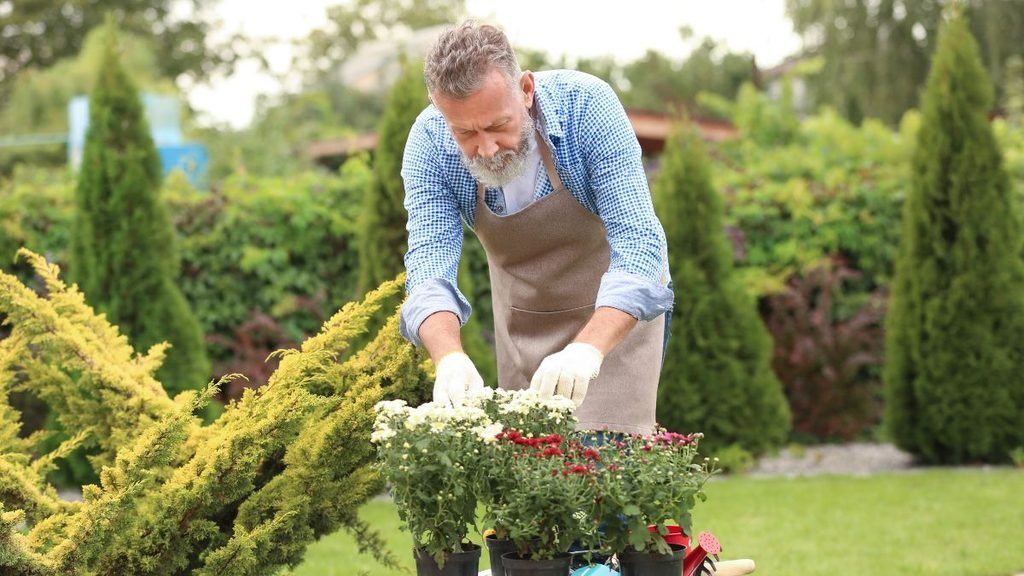
Learning something new after 65 can be an enjoyable way to meet people. Photography, painting, gardening, cooking, music, and computer classes bring together adults who share curiosity about the same subject. Nobody needs to be particularly talented to participate.
Being a beginner also creates opportunities for conversation. Asking a classmate how they completed an assignment or sharing a laugh over a mistake can begin a friendship. These interactions often feel easier than introducing yourself without a shared activity.
Public libraries, senior centers, adult education programs, and community colleges may offer free or low-cost options. Some colleges also have special auditing opportunities for older residents, although eligibility and fees vary. Online classes with live discussions can help people who cannot easily travel.
The most useful class is not necessarily the most advanced one. Choose something you genuinely enjoy and feel comfortable attending regularly. The combination of learning and familiar faces may become one of the best parts of your week.
7. Build Small Relationships With People in Your Neighborhood
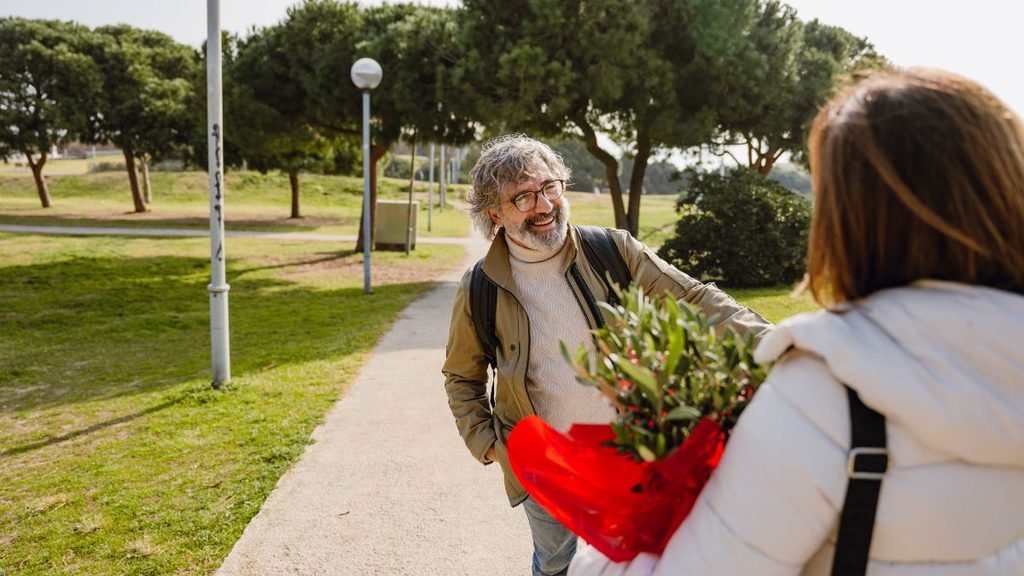
Not every meaningful relationship needs to become a close friendship. Knowing the person next door, recognizing the local librarian, or exchanging greetings with familiar neighbors can create a sense of belonging. These ordinary interactions remind retirees that they remain part of a community.
Begin with small, natural conversations. Ask a neighbor about their garden, say hello during a morning walk, or attend a local neighborhood gathering. Over time, familiar encounters may develop into longer conversations and occasional invitations.
Neighbors can also provide practical support during difficult moments. Having someone nearby who can check on your home, share local information, or notice an unusual absence may increase peace of mind. Healthy neighborhood relationships should remain respectful of privacy and personal boundaries.
Try this: Learn the names of two people you see regularly. A friendly greeting today may lead to a more meaningful conversation later.
8. Use Technology to Strengthen Relationships, Not Replace Them

Technology can be particularly helpful when children, grandchildren, siblings, or longtime friends live far away. Video calls let relatives share birthdays, show photographs, and participate in ordinary family moments. Group messaging can also make regular communication easier.
However, scrolling through social media for hours is not necessarily the same as feeling connected. Seeing photographs of other people’s activities may sometimes increase feelings of exclusion. Direct conversations and personal messages can provide a more meaningful experience.
Older adults who find technology confusing can begin with one simple skill. Learning to make a video call, send a photograph, or join an online group may be enough to maintain several important relationships. Many libraries and community organizations offer digital skills classes.
A 2024 research review found that internet training was associated with modest reductions in loneliness among older adults living in the community. Results do not mean every digital activity works equally well, but learning communication skills can help remove barriers.
For safety, avoid sending money or personal financial information to online acquaintances. A relationship built through technology should still include reasonable boundaries and caution.
9. Solve the Practical Problems That Keep You Isolated
Sometimes loneliness is not caused by a lack of interest in other people. It comes from physical or practical obstacles that make social activities difficult. Hearing problems, transportation shortages, poor vision, pain, and limited mobility can gradually reduce contact with friends.
A retiree who stops driving may also stop attending weekly gatherings. Someone struggling to hear conversations in restaurants may begin declining invitations. Over time, these adjustments can make the person’s social world much smaller.
The solution often begins with identifying the actual barrier. A hearing evaluation, accessible transportation service, closer meeting place, or quieter restaurant may make participation possible again. Small practical changes can preserve relationships that otherwise might fade.
| Problem | Possible Solution | Social Opportunity |
|---|---|---|
| No longer driving | Senior transportation or community rides | Attend regular gatherings |
| Hearing difficulties | Hearing evaluation and quieter meeting locations | Easier conversations |
| Limited mobility | Accessible venues or home visits | Maintain friendships |
| Tight budget | Free library and senior center activities | Meet others affordably |
| Living in a rural area | Scheduled calls and local community programs | Build consistent contact |
| Low confidence | Attend with a familiar person | Feel more comfortable joining |
The CDC recognizes transportation, physical limitations, and access to community resources as important factors affecting social connection. Addressing these barriers may be just as valuable as encouraging someone to become more outgoing.
10. Find Support After Losing a Spouse or Close Friend

Losing a spouse can create a form of loneliness that ordinary social activities cannot immediately repair. The person who shared meals, routines, decisions, and private conversations is suddenly missing. Even surrounded by relatives, someone may feel a painful absence.
A grief support group can provide contact with people who understand that experience. Participants may feel more comfortable discussing anniversaries, difficult evenings, changing family relationships, and the challenge of building a different daily life. Support groups are available through some hospitals, community organizations, and faith communities.
Friendships formed after bereavement do not replace the person who died. They can, however, provide companionship and help someone develop a life that includes both memories and new experiences. Healing does not require forgetting the past.
There is also no fixed timetable for grief. Some people welcome group activities soon after a loss, while others need more time or individual support. A counselor can help when grief becomes overwhelming or prevents everyday functioning.
11. Focus on Two or Three Meaningful Relationships
A large social circle does not always protect against loneliness. Someone may attend several community events and still feel there is nobody they can speak to honestly. The number of people in a contact list matters less than the quality of those relationships.
Instead of trying to become friends with everyone, focus on a few people who show genuine interest and respect. Healthy friendships usually involve shared effort, trust, and the ability to discuss more than surface-level topics. Both people should feel comfortable asking for support.
Meaningful relationships do not have to come from biological family. Friends, neighbors, former coworkers, and community members can become a chosen family. This is especially important for retirees without children or those whose family relationships are distant or difficult.
The CDC emphasizes that social connectedness involves the quality and supportiveness of relationships, not simply how often people interact. A smaller circle of dependable friends may therefore meet someone’s needs better than a packed calendar.
12. Create a Small Role That Makes Someone Depend on You

People often need more than entertainment to feel satisfied. They want to know their actions matter to somebody else. Retirement can make this feeling harder to maintain when professional responsibilities disappear.
A small, dependable role can help. You might mentor a younger neighbor, teach a relative a practical skill, organize a monthly book discussion, or help maintain a community garden. These activities create natural reasons for interaction.
The responsibility should remain enjoyable and realistic. Becoming the person who coordinates a monthly neighborhood coffee gathering may provide enough structure without creating another demanding job. Even a modest commitment can make certain days feel more meaningful.
There is an important difference between being useful and feeling obligated to serve everyone. Retirees deserve rest, boundaries, and personal freedom. A good role adds connection without taking away independence.
13. Consider a Pet if You Can Comfortably Care for One
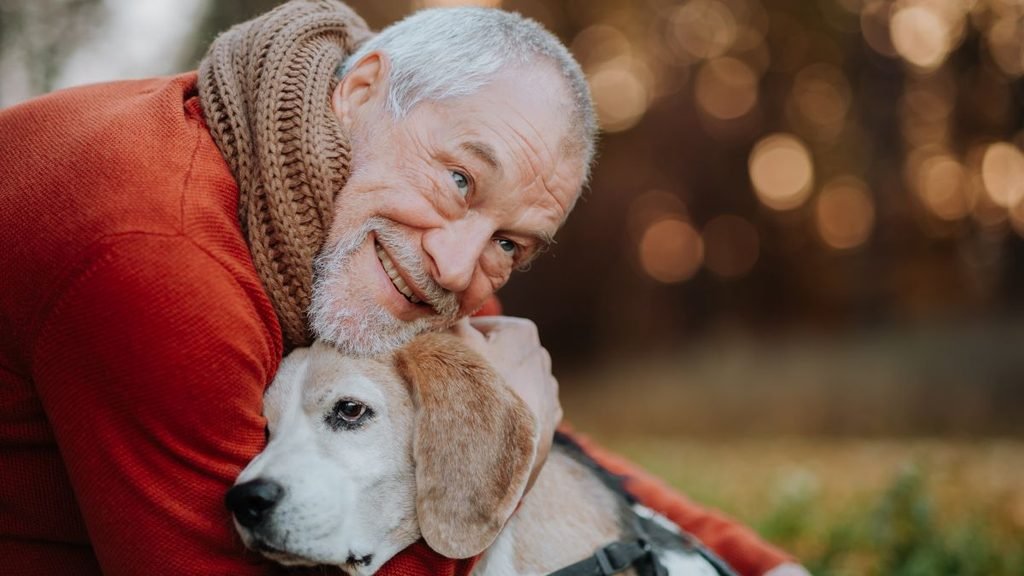
Pets can provide companionship, affection, and a comforting daily routine. A dog may encourage regular walks, while a cat can offer a familiar presence during quiet evenings. Caring for an animal can make the home feel less empty.
Pets can also create social opportunities. Dog owners sometimes meet neighbors during walks, while animal lovers may connect through local clubs or pet-related volunteer work. These interactions can lead to conversations that might not happen otherwise.
Still, pet ownership requires careful planning. Food, veterinary bills, physical care, travel arrangements, and unexpected emergencies all deserve consideration. An animal should not become a financial or physical burden that makes retirement more stressful.
For someone unable to own a pet, occasional visits with a friend’s animal or volunteering with an animal organization may provide some of the same enjoyment. A pet can be a source of comfort, but it should not be expected to replace human relationships.
14. Ask for Professional Help When Loneliness Doesn’t Improve
Sometimes joining groups, making phone calls, and developing new routines are not enough. Persistent loneliness can involve grief, depression, anxiety, low confidence, or painful beliefs about relationships. These problems may require more focused support.
A primary care doctor or licensed mental health professional can help determine what is contributing to the problem. Counseling may be especially helpful when someone withdraws because they expect rejection or feel unable to build new relationships. Support should address both emotional needs and practical barriers.
Research published in 2025 and 2026 suggests that cognitive behavioral therapy may help reduce loneliness among older adults. However, the quality of evidence varies, and additional research is needed to determine which approaches work best for different people.
Seeking support does not mean someone has failed at retirement. Loneliness deserves attention just as ongoing sleep problems, pain, or changes in mood do. The right combination of counseling, social activity, and practical support may help restore a sense of connection.
Which Loneliness Fix Should You Try First?
Trying all 14 strategies at once would be exhausting for most people. The better approach is to identify what is actually missing from your social life. Someone with plenty of acquaintances but nobody to trust has different needs from someone who cannot leave home.
Use this simple comparison to decide where to begin.
| If You Feel… | Start With… | Main Goal |
|---|---|---|
| Days pass without conversation | Weekly social appointments | More regular contact |
| You miss old friendships | Reconnecting with someone | Rebuild familiarity |
| You don’t know anyone locally | Recurring group activities | Meet new people |
| You miss feeling useful | Volunteering or mentoring | Restore purpose |
| You are lonely after a loss | Grief support | Find understanding |
| You cannot easily leave home | Transportation or digital skills | Remove access barriers |
| You know many people but feel alone | Focus on close relationships | Build emotional trust |
| Loneliness affects your mood daily | Professional support | Address deeper concerns |
Different strategies have different levels of research support. Structured group programs, psychological support, and some forms of technology training have shown benefits in studies, but no approach guarantees success for every retiree.