

Retirement is supposed to be the moment when life finally slows down. No more early alarms, endless meetings, demanding bosses, or counting the days until Friday. But something unexpected happens when all that noise disappears.
Parts of your life that once felt permanent begin to fade. Friendships become quieter, old ambitions lose their meaning, and even your sense of who you are starts to change.
Some of these changes feel wonderful, while others can leave you feeling strangely empty. And what makes them harder is that almost nobody talks about them before retirement.
Here are 11 things that quietly fade after you retire, why they happen, and how to adjust without feeling like you’ve lost an important part of yourself.
1. Friendships You Thought Would Last Forever

One of the first surprises of retirement is how quickly certain friendships can fade. These aren’t necessarily people you argued with or deliberately pushed away. They’re often people you genuinely cared about for years.
When you’re working, friendships develop around shared routines. You see the same people, discuss similar problems, eat lunch together, and catch up during ordinary workdays.
But retirement changes that rhythm almost overnight. Suddenly, you’re free on a Tuesday afternoon while your friends are sitting in meetings or dealing with responsibilities.
At first, you might continue calling and suggesting plans. Eventually, you may notice that conversations become shorter, messages arrive less often, and months pass without seeing someone who once felt like a close friend.
The strange part is that nobody did anything wrong. Your lives simply stopped moving at the same speed.
This can happen even with friendships that lasted decades. Shared history doesn’t always guarantee that two people will remain equally involved in each other’s daily lives.
What helps: Keep reaching out to the people who matter, but don’t build your entire social life around waiting for them. Retirement is also a chance to meet people who share your current schedule and interests.
Walking groups, volunteer work, community events, and regular coffee meetups can create new connections. Old friendships may still matter, even when their role in your life changes.
2. The Everyday Conversations That Made You Feel Connected
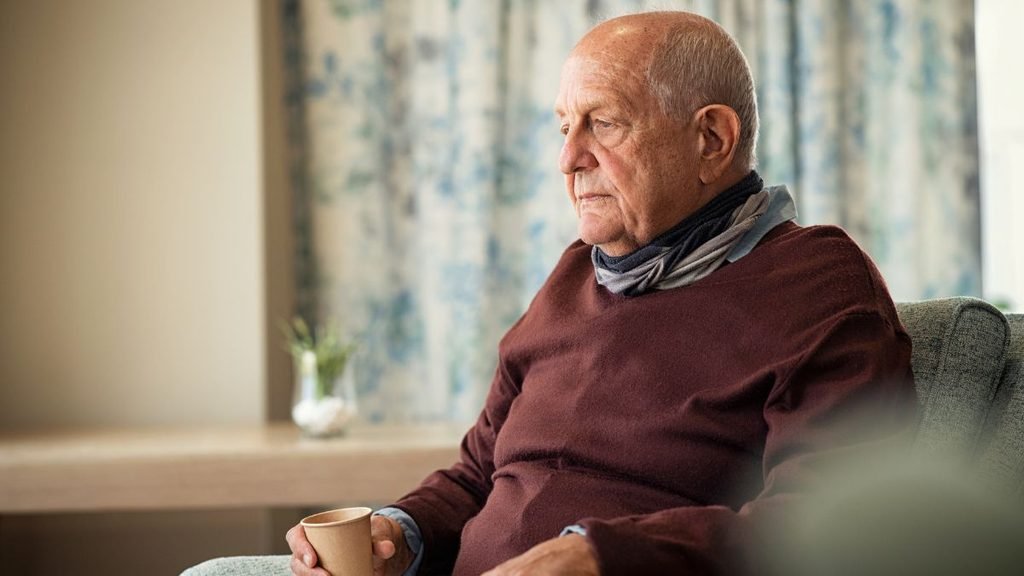
You might not miss your job, but you could miss the small conversations that came with it. Those brief exchanges probably seemed unimportant when they happened every day.
Someone asking about your weekend, a coworker sharing a funny story, or a familiar face greeting you each morning can make life feel socially active. These moments create a quiet sense of belonging.
Retirement removes many of them without warning. You might spend an entire morning at home and realize you haven’t spoken to another person.
For someone who spent decades surrounded by people, that silence can feel unusual. Even retirees who enjoy solitude sometimes miss having familiar faces around them.
This is different from losing close friendships. It’s the disappearance of casual human contact that once happened without any effort.
You no longer have coworkers passing your desk or someone asking whether you’d like another cup of coffee. Ordinary interactions that once filled your day now require a little planning.
What helps: Find places where casual conversations happen naturally. A regular visit to the library, a neighborhood walking route, or a community class can help you feel connected without filling your entire calendar.
You don’t need dozens of new friends. Sometimes, simply seeing familiar people throughout the week makes retirement feel warmer and more welcoming.
3. The Motivation to Keep Growing in Your Old Career

For years, your career may have been a major source of motivation. You wanted to improve your skills, solve difficult problems, earn more money, or move into a better position.
You probably assumed some of that professional drive would remain after retirement. You might have expected to stay interested in industry news, former coworkers’ promotions, or new opportunities.
But something surprising can happen once you leave the workplace. The professional goals that once seemed important may suddenly lose their appeal.
An invitation to discuss a business opportunity might no longer excite you. News about office changes may feel less interesting than what you’re planning for the weekend.
That doesn’t mean you’ve become lazy or stopped caring about life. It may simply mean that your motivation is no longer tied to a career you don’t need to maintain.
The energy that once went into professional development can find another direction. You might become interested in gardening, writing, learning a language, restoring furniture, or improving your health.
What helps: Give yourself permission to develop new interests without turning them into another career. A hobby doesn’t need to generate money or lead to recognition to be worth your time.
Sometimes, the freedom to do something simply because you enjoy it is one of retirement’s greatest rewards.
4. The Daily Structure You Never Realized You Depended On

Most people spend their working years wishing they had fewer schedules. They dream of mornings without alarms and afternoons without deadlines.
Then retirement arrives, and the structure they’ve followed for decades suddenly disappears. Nobody tells them when to get dressed, where to be, or what needs to happen next.
At first, that freedom can feel wonderful. You can sleep later, enjoy a slow breakfast, and decide what to do whenever you feel ready.
But after a while, something strange may happen. Monday begins to feel exactly like Thursday, and weekends stop feeling special.
You might forget appointments because you’re no longer checking your calendar constantly. Tasks that once had a clear place in your schedule can get pushed aside for days.
The problem isn’t that retirement gives you too much free time. It’s that decades of outside structure have disappeared, and now you must create a rhythm of your own.
What helps: Build a loose routine around the things you enjoy and need. Morning walks, regular meals, volunteer days, and weekly visits with friends can give your days enough shape without making them feel controlled.
A good retirement schedule should support your life. It shouldn’t make you feel as though you’ve accepted another full time job.
5. The Constant Feeling That Everything Is Urgent

Remember how many things seemed urgent when you were working? Emails needed quick answers, errands had to fit into lunch breaks, and weekends became packed with everything you couldn’t finish during the week.
Even simple tasks could feel stressful because there was never enough time. You were constantly watching the clock and thinking about what needed to happen next.
Retirement can remove much of that pressure. Suddenly, you can visit the grocery store on a quiet weekday or finish a household project without racing against the evening.
You no longer need to squeeze every personal task into a limited window. Life begins moving at a pace that may feel unfamiliar.
At first, this slower rhythm can make you uncomfortable. You might feel guilty sitting outside with a cup of tea because part of your mind insists you should be doing something productive.
That feeling often comes from years of living according to work demands. Your mind may need time to accept that every moment doesn’t need to be filled.
What helps: Practice doing ordinary things without rushing. Take your time with breakfast, enjoy a walk without checking the clock, or finish one task before beginning another.
Retirement doesn’t remove every responsibility or deadline. But it can give you more control over which things genuinely deserve your immediate attention.
6. The Pressure to Prove You’re Doing Enough

During your career, you probably spent years showing other people that you were capable. You completed assignments, met expectations, solved problems, and worked hard to earn trust.
Even when nobody was watching, that pressure could follow you home. You might have measured a successful day by how much you accomplished.
Retirement changes the rules because there is no longer a boss evaluating your performance. You don’t have to justify taking an afternoon off or explain why you didn’t finish something yesterday.
Yet the habit of proving yourself can remain. Some retirees fill every day with projects because they feel uncomfortable doing less.
They volunteer for too many responsibilities, agree to every request, and turn their free time into another list of obligations. Before long, retirement begins feeling nearly as demanding as work.
Here’s what takes time to accept: Your worth doesn’t depend on how productive you are. You can have a meaningful day without completing a long list of tasks.
What helps: Learn to separate responsibility from constant productivity. Taking care of yourself, enjoying relationships, and allowing time for rest are worthwhile parts of life.
You can still work hard at things that matter to you. The difference is that you no longer need to prove your value through every hour of the day.
7. The Ambition to Keep Getting Ahead of Everyone Else

Career ambition often involves comparison. Someone gets promoted, another person earns a bigger salary, and suddenly you start questioning whether you’re making enough progress.
For decades, these comparisons may have shaped your decisions. You might have worked longer hours, accepted stressful responsibilities, or postponed personal plans because you wanted to reach the next level.
Retirement can make that competition much quieter. The promotion someone else received no longer changes your future, and professional recognition begins to matter less.
You might even look back and wonder why certain achievements once felt so important. Goals that demanded years of effort can seem surprisingly small once you’re outside that environment.
But ambition itself doesn’t have to disappear. It can become more personal and less focused on what other people are accomplishing.
You might want to become a stronger swimmer, create a beautiful garden, learn photography, or spend more time with your grandchildren. These goals offer satisfaction without requiring you to compete with anyone.
What helps: Ask yourself what you’d still want to accomplish if nobody knew you had done it. Your answer may reveal the interests and goals that deserve your attention now.
Retirement can give you the chance to pursue success according to your own definition, rather than someone else’s expectations.
8. The Sunday Evening Anxiety You Got Used To

For many workers, Sunday evening carries a familiar feeling. The weekend is ending, Monday is approaching, and your mind starts preparing for another demanding week.
You might begin thinking about unfinished assignments, difficult meetings, or the pile of emails waiting in your inbox. Even when you’re sitting comfortably at home, part of your attention has already returned to work.
After retirement, that feeling may gradually disappear. Sunday becomes another evening, and Monday stops representing the beginning of five days of obligations.
Some retirees notice this change almost immediately. Others continue feeling restless on Sunday nights because they’ve followed the same weekly pattern for so many years.
The absence of that dread can become one of retirement’s quietest pleasures. You can enjoy the end of the weekend without mentally preparing for another round of workplace demands.
Still, the freedom can feel strange when the working week once gave every day a clear meaning. You may need new events that make certain days feel different again.
What helps: Create enjoyable weekly traditions. Perhaps Monday becomes your favorite walking day, Wednesday means lunch with a friend, and Sunday evening is reserved for a relaxing family dinner.
Your week can still have a satisfying rhythm. It just doesn’t have to revolve around returning to work.
9. The Praise and Recognition You Used to Receive

One thing retirees don’t always expect to miss is recognition. At work, people may have regularly thanked you, asked for advice, or depended on your experience.
You might have been the person everyone approached when something went wrong. Your knowledge had a clear place, and other people frequently reminded you that your contribution mattered.
After retirement, that recognition can become much quieter. The phone stops ringing with work questions, and former colleagues begin handling problems without your help.
Even when you’re happy to leave your career behind, the change can feel personal. You might start wondering whether your experience still has value.
This is especially difficult for people who spent years leading teams, caring for others, or holding positions with significant responsibility. Being needed was part of how they understood their place in the world.
But your usefulness didn’t end when your employment did. Your knowledge, patience, and life experience can still make a difference in places outside an office.
What helps: Find ways to share your experience without recreating the pressure of your former job. Mentoring someone, helping a neighbor, volunteering, or teaching a skill can provide a satisfying sense of contribution.
And remember that you don’t always have to be the person solving problems. Relationships where people enjoy your company are just as important as relationships where people need your help.
10. The Comfort of Knowing Another Paycheck Is Coming

For decades, payday may have provided a quiet sense of security. Even if money was tight, you generally knew when your next paycheck would arrive.
Retirement changes that relationship with money. Your income may now come from Social Security, pensions, savings, investments, or a combination of several sources.
For some retirees, these payments provide dependable monthly income. For others, especially those relying heavily on withdrawals from savings, the change can create uncertainty.
You might find yourself checking account balances more often or hesitating before making purchases. Expenses that once felt routine can suddenly raise questions about how long your money needs to last.
This is one retirement change that doesn’t necessarily feel peaceful. The silence of no longer receiving a paycheck can be uncomfortable, particularly during the first few years.
Fortunately, financial confidence doesn’t require being wealthy. It often begins with knowing what money is coming in, what must go out, and how unexpected expenses will be handled.
What helps: Create a monthly retirement spending plan that reflects your actual income and expenses. Include regular bills, medical costs, home maintenance, enjoyable activities, and a reasonable amount for surprises.
A clear plan won’t remove every financial concern. But it can reduce the uncertainty that makes ordinary spending decisions feel stressful.
11. The Professional Identity That Once Told Everyone Who You Were

Perhaps the most surprising thing that goes quiet after retirement is your old identity. For years, your job may have influenced how you introduced yourself and how other people saw you.
When someone asked what you did, the answer was simple. You were a teacher, manager, accountant, nurse, engineer, business owner, or another professional with a clear role.
That title carried meaning beyond your paycheck. It represented your experience, responsibilities, achievements, and place in the community.
Then retirement arrives, and suddenly you’re no longer performing that role every day. The question of who you are can become more difficult than you expected.
Some retirees welcome the change immediately. They feel relieved to stop being defined by their careers and enjoy discovering other parts of themselves.
Others experience a period of uncertainty. They may feel less important, struggle to describe themselves, or miss the sense of belonging their professional title once provided.
Neither reaction means retirement is going badly. Leaving behind an identity you’ve carried for decades is a significant life change, even when leaving the job was your choice.
And here’s something worth remembering: Your career was something you did, but it was never everything you were.
You are still a friend, family member, neighbor, and individual with interests, values, memories, and abilities. Those parts of your life may simply need more room to grow.
What helps: Start describing yourself through the life you’re creating rather than the position you once held. Think about what brings you satisfaction, what kind of relationships you want, and how you’d like to spend your remaining years.
You don’t need to erase your professional past to enjoy retirement. You can appreciate everything you accomplished while allowing yourself to become someone new.
What to Do When Retirement Feels Quieter Than You Expected
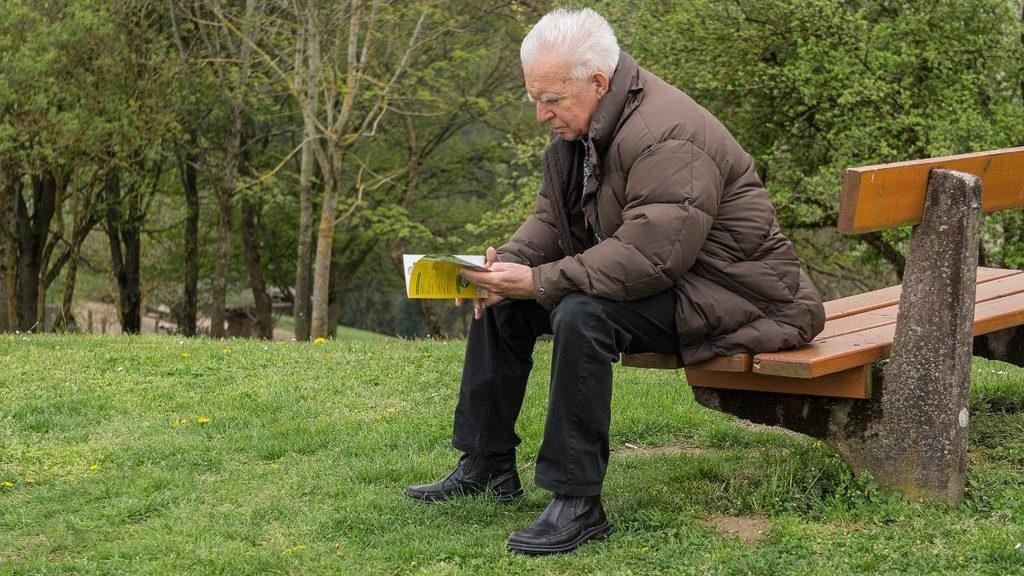
There’s a difference between peaceful retirement and retirement that feels empty. One gives you room to breathe, while the other can leave you wondering where your sense of purpose has gone.
Sometimes, both feelings happen during the same week. You might love having control over your mornings while also missing the regular conversations and responsibilities that once filled your days.
The answer isn’t necessarily to become busier. Filling every available hour with activities can recreate the same pressure you hoped to leave behind.
Instead, focus on creating a life that includes connection, purpose, and enough routine to make your days satisfying. A few meaningful activities can provide more fulfillment than a crowded calendar.
If the quiet begins turning into lasting sadness, withdrawal, or loss of interest in things you once enjoyed, don’t assume it’s simply part of getting older. Talking with a healthcare professional can help you identify what is happening and find appropriate support.
The Quiet Side of Retirement Can Become Its Greatest Gift
Retirement doesn’t simply change how you spend your time. It can change your friendships, priorities, motivation, and the way you think about yourself.
Some things disappear because they were connected to a life you no longer live. Other things fade because they need attention to survive without the routines that once supported them.
The friendships that grow quieter can encourage you to build new relationships. The schedule that disappears gives you room to create your own, and the ambition that fades can make space for goals that genuinely matter to you.