

You spent decades working, paying bills, raising a family, and putting other people’s needs ahead of your own. But after 60, some of the habits that helped you succeed earlier in life may be keeping you from enjoying retirement.
You might have enough money but still feel afraid to spend it, or plenty of free time but struggle to find happiness in your days. The good news is that a happier and healthier retirement often begins with what you stop doing, rather than what you start.
Here are 12 things worth leaving behind after 60 so you can spend more time enjoying the life you have worked so hard to build.
1. Stop Saving Money Out of Fear When You Already Have Enough

Saving money is a habit that probably served you well for most of your adult life. You worked hard, avoided unnecessary purchases, and built retirement savings because you wanted financial security.
But something interesting happens when people finally reach retirement. Some continue saving every possible dollar, even when their income and investments could comfortably support a better lifestyle.
They hesitate to take vacations, replace old furniture, or spend money on enjoyable experiences. Every purchase creates another question about whether they might need that money someday.
The problem is that saving can become a habit driven by fear rather than a financial need.
That does not mean you should start spending without limits. Retirement can last 30 years or longer, and rising costs, medical bills, and unexpected expenses deserve careful planning.
However, if a realistic retirement plan shows that your needs are covered, consider setting aside money specifically for enjoyment. Take that family trip, visit an old friend, or spend a little more on something that makes everyday life easier.
You spent years preparing for retirement. There comes a point when your savings should support the life you want instead of simply growing untouched.
2. Stop Spending Money on Things That No Longer Make You Happy

Retirement often changes what matters most to you. Things that once seemed important, such as expensive clothes, fancy cars, and keeping up with neighbors, may no longer provide the same satisfaction.
Yet many people continue spending money out of habit. They maintain subscriptions they rarely use, buy things because they are discounted, or purchase gifts because they feel obligated.
Over time, these small expenses can consume money that could support something more meaningful.
Consider two purchases. One is an expensive gadget that sits unused in a drawer, while the other is a weekend visit with a sibling you have not seen in years.
The gadget might be forgotten within a month. The visit could become a memory you appreciate for the rest of your life.
After 60, the goal should be spending on what matters to you, not what impresses other people.
Look through your recent purchases and ask which ones genuinely improved your life. You might discover that comfortable furniture, hobbies, family visits, and simple experiences bring more happiness than another expensive possession.
And remember, enjoying retirement does not always require spending money. A peaceful morning, a walk outdoors, or a long conversation with someone you love can be just as satisfying.
3. Stop Working Longer Simply Because You Are Afraid to Retire
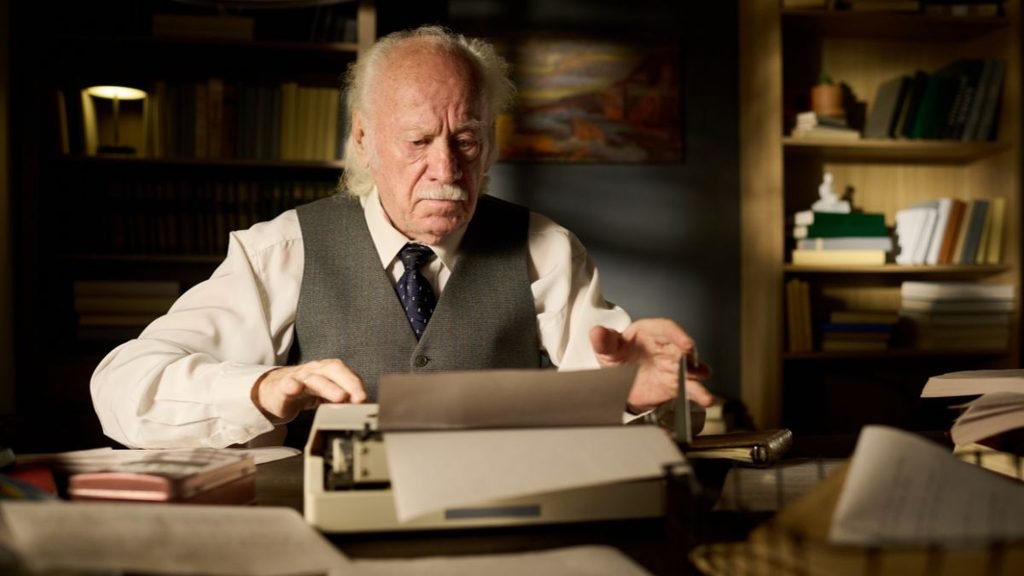
For decades, your job probably gave you more than a paycheck. It provided structure, relationships, daily responsibilities, and a sense of being useful.
That makes retirement a difficult decision for some people. Even when they can afford to stop working, they worry about losing their identity or feeling unnecessary.
So they continue working, sometimes in jobs that leave them tired and unhappy.
There is nothing wrong with working after 60. Many older adults genuinely enjoy their careers, appreciate the social contact, or need additional income to support their retirement.
But there is an important difference between working because you want to and working because you are afraid of what comes next.
If your finances allow retirement, ask yourself whether your job still adds something positive to your life. Does it give you satisfaction, or does it prevent you from enjoying the freedom you have earned?
You might discover that working fewer hours, consulting occasionally, or mentoring younger employees offers a better balance.
Your time becomes increasingly valuable as you get older. Make sure you are spending it on work that still has a worthwhile place in your life.
4. Stop Putting Off Experiences You Have Always Wanted
How many times have you promised yourself that you would take a special trip, learn a new skill, or visit an old friend when the timing was better?
Maybe you wanted to travel across the country in an RV. Perhaps you dreamed of learning photography, joining a dance class, or spending a summer near the ocean.
But something always seemed to get in the way. Work responsibilities, family needs, financial worries, or simple hesitation kept pushing those plans further into the future.
After 60, continuing to postpone everything can become a habit that steals some of your most enjoyable opportunities.
Your health, energy, interests, and family circumstances may change as the years pass. An activity that feels manageable today might require more planning later.
That does not mean you need to rush into expensive vacations or physically demanding activities. It means recognizing that waiting for perfect conditions can sometimes become an excuse.
Start with one experience you have been postponing. Research the cost, consider your abilities, choose a realistic date, and begin making arrangements.
It could be something as simple as visiting a nearby town or taking a cooking class. The experience does not have to be impressive to be meaningful.
Retirement gives you an opportunity to use your time differently. Do not spend all of it preparing for experiences you never actually have.
5. Stop Neglecting Your Health While Focusing on Your Finances

Many people spend years calculating how much money they will need for retirement. They compare investment returns, estimate Social Security benefits, and worry about whether their savings will last.
But financial security is only one part of a satisfying retirement. Your physical health also affects how much freedom and independence you can enjoy.
Being able to walk comfortably, climb stairs, prepare meals, and participate in favorite activities can make a major difference in daily life.
The encouraging news is that you do not need an extreme fitness routine to support better health after 60.
The CDC recommends that adults 65 and older generally aim for at least 150 minutes of moderate physical activity each week, along with muscle strengthening and balance exercises. People with physical limitations can adjust activities to match their abilities.
Even modest changes may help. Walking regularly, improving your diet, maintaining social connections, and keeping medical appointments are practical places to begin.
Do not ignore changes in your mobility, balance, sleep, or energy. Talk with a healthcare professional when something changes, especially if symptoms are new or interfere with daily activities.
The purpose of taking care of your health is not to look younger. It is to protect your ability to keep doing the things you enjoy.
Your retirement savings may support your lifestyle, but your health helps determine how fully you can participate in it.
6. Stop Worrying So Much About What Other People Think

For most of your life, other people’s expectations probably influenced many of your decisions. You wanted to be a responsible parent, a dependable employee, and someone your friends and neighbors respected.
Those responsibilities can be meaningful. But constantly trying to meet everyone else’s expectations can also become exhausting.
After 60, you may finally have the freedom to make more decisions based on your own preferences.
Perhaps you want to wear brighter clothes, move into a smaller home, take an art class, or travel without following someone else’s schedule.
Yet you might hesitate because you worry about how others will react.
Consider someone who has always wanted to learn painting but avoids signing up for a class. They worry that other students might be more talented or that learning something new at 70 will look foolish.
That fear can prevent years of enjoyment, even though nobody needs to become a professional artist to appreciate painting.
You do not need approval from everyone around you to make reasonable choices about your own life.
Of course, decisions that affect your spouse, family finances, or personal safety deserve thoughtful discussion. But harmless personal preferences do not require a committee’s approval.
Retirement can be a wonderful opportunity to rediscover interests you put aside while caring for everyone else.
7. Stop Filling Your Days With Negative News and Constant Worry

Staying informed is important at every age. But watching frightening headlines for several hours each day can make retirement feel more stressful than it needs to be.
Television news, social media, and online videos can keep you focused on arguments, disasters, economic worries, and events beyond your control.
After enough exposure, it may become difficult to separate genuine concerns from the endless stream of alarming stories.
You might notice that you feel tense after watching television. Perhaps you have trouble relaxing, become more worried about the future, or spend less time doing activities that usually make you happy.
The answer is not to ignore important events. It is to create healthier limits around how much news you consume.
Consider checking reliable news sources once or twice daily instead of keeping the television running throughout the afternoon.
Replace some of that screen time with reading, gardening, walking, calling friends, or pursuing a favorite hobby.
You can also ask yourself whether the information you are consuming helps you make a useful decision. If it only increases your worry without offering anything constructive, stepping away may be worthwhile.
Your attention is valuable, and you have more control over how you spend it than you might realize.
8. Stop Ignoring Your Retirement Finances or Obsessing Over Every Dollar

Money can create stress during retirement in two very different ways. Some people avoid reviewing their finances because they are afraid of what they might discover.
Others check investment accounts constantly and worry whenever the market moves. They calculate every possible expense but struggle to enjoy the financial security they have already built.
Neither extreme is especially helpful.
Avoiding your finances can leave you unprepared for unexpected expenses. But checking your account balances several times a day will not necessarily make your retirement more secure.
A better approach is to build a realistic financial plan and review it at sensible intervals.
Your plan should consider dependable income, housing costs, medical expenses, taxes, debt, emergency savings, and possible changes in your needs as you grow older.
It should also include money for enjoyable activities, because retirement is about living as well as paying bills.
If you are unsure whether your savings can support additional spending, a qualified financial professional can help you evaluate your options.
Once you have a workable plan, try to avoid treating every normal market movement as an emergency.
A good retirement plan should help you make decisions with greater confidence. It should not leave you feeling that every dollar spent on happiness is a mistake.
9. Stop Acting Like You Have Unlimited Time

One of the difficult parts of growing older is realizing that time cannot be saved in the same way as money.
By your 60s or 70s, you may have experienced the loss of friends, relatives, or former coworkers. Those experiences can remind you how quickly life changes.
Yet it is surprisingly easy to continue acting as if important conversations and personal decisions can always wait.
You might postpone calling a childhood friend, repairing a strained relationship, or telling someone how much they mean to you.
Sometimes those opportunities remain available for years. Other times, circumstances change before you expect them to.
This does not mean retirement should be lived with constant worry about death. It means giving proper attention to the people and experiences that matter while they are part of your life.
Call the person you have been meaning to contact. Write the letter, make the visit, or express your appreciation without waiting for a special occasion.
It is also worth having practical conversations about your wishes, important documents, and future care preferences while you can take an active part in those decisions.
A meaningful retirement is not measured only by how many years you live. It is also shaped by how you spend the days available to you.
10. Stop Waiting for Other People to Maintain Your Friendships

Retirement can change your social life more than you expect. When you stop working, you may lose the everyday conversations and relationships that once happened naturally.
You no longer see coworkers during lunch or run into familiar people on your daily commute. Friends may move away, develop health problems, or become busy caring for family members.
Without much effort, your social circle can gradually become smaller.
Some older adults respond by waiting for other people to call. They assume that if someone truly cares, that person will always make the first move.
But strong friendships usually require effort from both sides.
If you miss someone, reach out. Invite a friend for coffee, suggest a weekly walk, or arrange a regular phone call.
You might also consider joining a local club, volunteering, attending community events, or participating in activities where you can meet people who share your interests.
Living alone does not automatically mean being lonely. A person with a small circle of dependable friends may feel more connected than someone surrounded by people who rarely offer genuine support.
The goal is not to have dozens of friends. It is to maintain relationships where you feel valued, comfortable, and connected.
One sincere friendship can make an ordinary retirement day feel much richer.
11. Stop Refusing Help Just to Prove You Are Independent
Many people take great pride in handling everything themselves. They have spent decades solving problems, supporting family members, and taking care of their homes without asking for assistance.
That independence deserves respect. But after 60, refusing every offer of help can sometimes create unnecessary difficulties.
Perhaps carrying heavy groceries has become uncomfortable, or maintaining a large yard now leaves you exhausted for several days.
You might continue struggling because accepting help feels like admitting you are getting older.
But accepting assistance does not mean surrendering control over your life.
Using grocery delivery, hiring someone for difficult household tasks, installing bathroom grab bars, or accepting transportation from a trusted friend can actually protect your independence.
These changes may allow you to remain active, maintain your home, and participate in activities that matter to you.
The same principle applies to health care. A cane, walker, hearing aid, or another appropriate device may make daily life easier when recommended for your needs.
Instead of asking whether you can still do absolutely everything alone, consider a better question.
What support would make it easier for you to keep living the way you want?
Independence is about having meaningful choices, not proving that you never need another person.
12. Stop Letting Retirement Days Pass Without Purpose

Retirement can be exciting during the first few months. You finally have the freedom to sleep later, travel, relax, and enjoy activities that work responsibilities once interrupted.
But after the initial excitement fades, some people discover that having unlimited free time is not always satisfying.
Without a regular routine, the days can begin to feel similar. You wake up, watch television, complete a few errands, and wonder where the afternoon went.
Over time, this lack of direction may leave you feeling disconnected from the things that once gave your days meaning.
The solution is not to fill your retirement calendar with endless obligations. It is to find a balance between enjoyable activities, meaningful responsibilities, and time to rest.
You might volunteer at a community organization, care for a garden, help a grandchild with homework, or join a weekly exercise group.
Learning something new can also bring a sense of progress. A language class, woodworking project, writing group, or music lesson can give you something to practice and look forward to.
A simple weekly routine helps create structure without making retirement feel like another full time job.
Perhaps Monday is your walking group, Wednesday is lunch with friends, and Friday is the day you work on a personal project. Other days can remain open for relaxation and unexpected opportunities.
The happiest retirement is not necessarily the busiest one. It is one where your time includes enough meaning, connection, and freedom to make ordinary days satisfying.
And that purpose can change as you age. What matters at 62 might look different at 75, and that is perfectly normal.
What Should You Start Doing Instead After 60?
Giving up an old habit becomes easier when you replace it with something useful. You do not need to change your entire lifestyle at once, especially when some habits have been part of your life for decades.
Here are a few practical replacements you can begin using in everyday retirement life.
| Stop Doing This | Start Doing This Instead |
|---|---|
| Saving every dollar out of fear | Set a realistic budget for enjoyment |
| Buying things out of habit | Spend on experiences and genuine needs |
| Working without a clear reason | Review whether work still supports your goals |
| Postponing enjoyable activities | Choose a date for one realistic plan |
| Ignoring your physical health | Make regular movement and checkups a priority |
| Worrying about everyone’s opinion | Make more choices based on your own values |
| Watching negative news for hours | Set limits and choose healthier activities |
| Avoiding or obsessing over finances | Review a realistic retirement plan regularly |
| Postponing important conversations | Contact people while you have the opportunity |
| Waiting for friends to call | Reach out and maintain meaningful relationships |
| Refusing assistance | Accept support that protects your independence |
| Living without a weekly routine | Create activities that give your days purpose |
The changes do not need to happen overnight. Choosing one habit to work on this month can be more practical than trying to change all 12 at once.
Can You Really Become Happier After 60 by Changing a Few Habits?

Yes, changing everyday habits can help improve retirement satisfaction, although no single routine guarantees happiness.
A fulfilling retirement depends on many factors, including health, finances, relationships, personal circumstances, and the ability to make meaningful choices.
Some challenges are outside your control. Health conditions, financial pressure, family problems, and unexpected losses cannot always be solved simply by developing a more positive attitude.
But there are still areas where small decisions may make a difference.
You can become more intentional about spending, maintain friendships, seek appropriate support, and make room for activities you enjoy.
You can also stop measuring your retirement against other people’s expectations. Someone who enjoys quiet mornings at home may be just as satisfied as someone who spends several months traveling.
The important question is whether your current habits support the kind of retirement you actually want.