
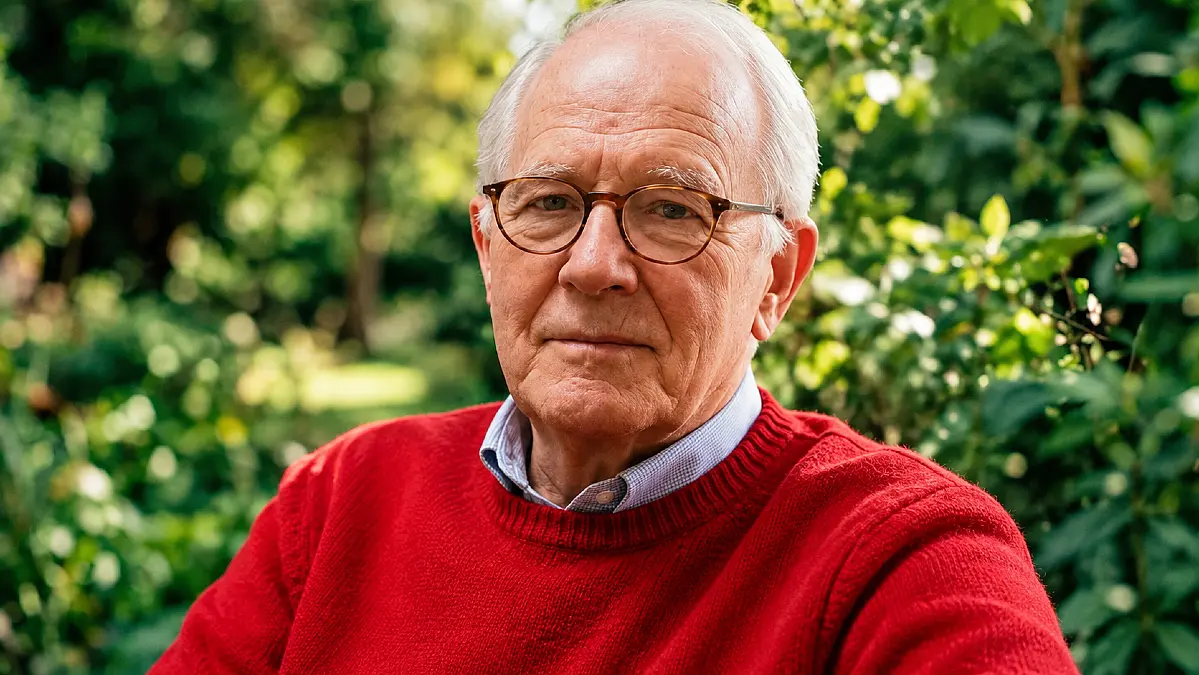
At 78, Austin knows that time is precious. He has lived through marriage, loss, retirement, and the kind of loneliness that makes an empty house feel unbearable. Yet one of his biggest regrets came from something everyone encouraged him to do. He tried dating again after 70.
At first, the relationship brought excitement, attention, and the feeling of being young again. But within months, Austin began losing the quiet happiness he had spent years rebuilding. His money, routines, energy, and emotional peace slowly slipped away.
Five years later, Austin no longer regrets being single. He regrets how easily he allowed other people’s expectations to convince him that his peaceful life was somehow incomplete.
The Question Everyone Kept Asking Austin After His Wife Died

Almost every time Austin met someone new, the conversation eventually turned toward his relationship status. Friends, neighbors, and even distant acquaintances seemed surprised that a man his age could live alone and still be content.
They would ask whether his house felt too empty or whether he missed having someone beside him at breakfast. Some suggested he needed a companion before he grew too old to enjoy another relationship.
Austin understood their concern, but the questions carried an uncomfortable message. People seemed to believe that an older man without a partner must be unhappy, regardless of what his actual life looked like.
What bothered him most was the assumption that companionship was the missing piece. Nobody seemed particularly interested in asking whether he was already satisfied with the life he had created.
Losing Ella at 68 Changed Everything He Thought He Knew About Love

Austin was 68 when his wife, Ella, died after a long battle with cancer. They had spent decades building a life together, sharing ordinary routines that had become almost impossible to separate from their identities.
For two years, Austin watched the woman he loved grow weaker. Hospital visits, medical appointments, difficult conversations, and sleepless nights gradually replaced the comfortable rhythm of their marriage.
After Ella died, the silence inside their house felt unbearable. Her favorite chair remained in the living room, her belongings were still in familiar places, and every room seemed to contain something that reminded him of their life together.
During that first year, Austin often sat in front of the television without turning it on. He struggled to find motivation for simple tasks because so much of his daily life had revolved around sharing those moments with Ella.
He missed the conversations, the familiar sounds, and the comfort of knowing another person understood him without explanation. For a while, he wondered whether life would ever feel normal again.
How Austin Slowly Found Peace in Living Alone
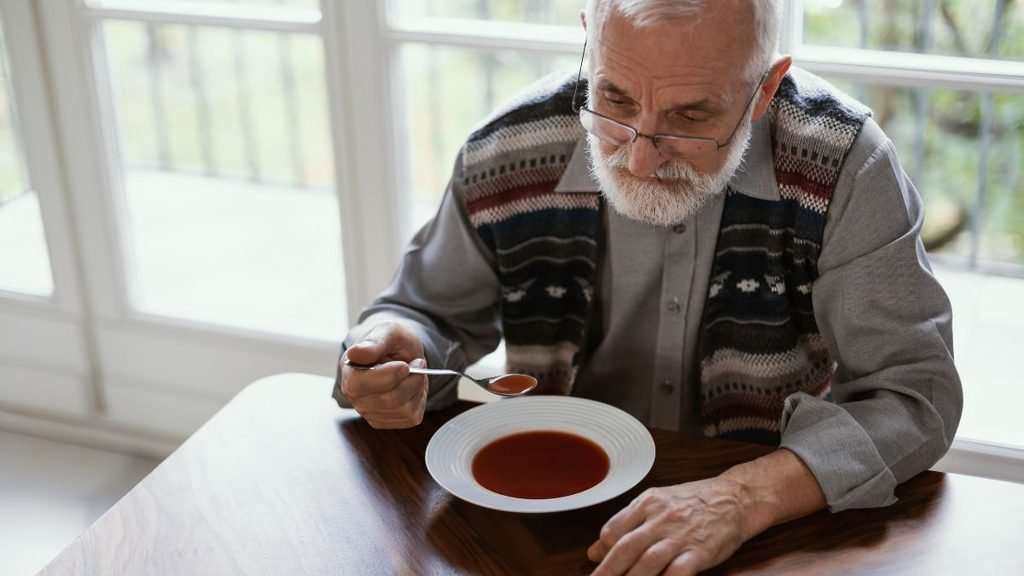
Austin had spent his working life as an engineer, so routines and practical projects came naturally to him. As the sharpest pain of grief began to soften, he gradually introduced structure into his days.
He converted part of his garage into a woodworking shop and started making furniture. The work gave him something useful to concentrate on, especially during afternoons when the house felt unusually quiet.
Every morning, he woke around 5:30, made black coffee, and sat on his back porch. He watched sunlight move through the trees while birds filled the yard with sounds he had barely noticed during his working years.
There were no urgent conversations, appointments, or demands on his attention. He could sit there for half an hour without feeling guilty about accomplishing nothing.
Austin also began reading history books he had collected over four decades. He repaired neglected things around the house and found unexpected satisfaction in finishing small projects.
By 72, he had created a life that felt comfortable again. He still missed Ella, and certain memories could bring sadness without warning, but sadness no longer controlled every hour of his day.
He had learned something important without realizing it. Living alone had stopped feeling like a punishment and started feeling like a form of freedom.
The Pressure That Made Him Question His Own Happiness
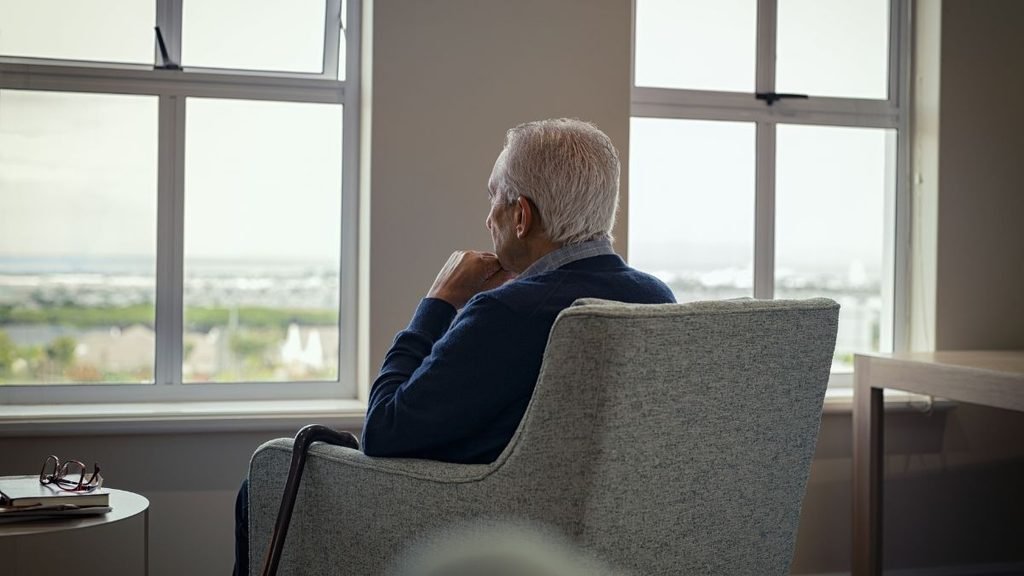
Austin’s daughter, Sarah, loved him deeply and worried about his future. Whenever she visited for Sunday dinner, she encouraged him to get out more and meet someone who could share his retirement years.
She feared that his woodworking projects and quiet mornings were signs of isolation. Austin tried explaining that he enjoyed his routines, but Sarah believed he might simply be getting too comfortable living by himself.
Then his neighbor, Mrs. Higgins, introduced the idea of meeting Sylvia. She described Sylvia as a friendly, energetic retired nurse who enjoyed traveling, restaurants, and meeting new people.
Sylvia was 70, drove a bright red car, and seemed to approach life with endless enthusiasm. Mrs. Higgins was convinced that she and Austin would make a wonderful couple.
At first, Austin resisted the suggestion because dating had not been part of his retirement plans. Yet after hearing the same advice from several people, he started questioning whether his peaceful routine had become an excuse to avoid living.
Perhaps Sarah was right. Perhaps his workshop, books, and quiet mornings were keeping him from something wonderful.
At 73, Austin finally agreed to meet Sylvia for coffee. He did not realize that this simple decision would eventually change how he understood love, independence, and happiness in later life.
Dating at 73 Made Austin Feel Young Again

Their first meeting went better than Austin expected. Sylvia was warm, talkative, and genuinely curious about his life, asking questions about his woodworking projects and the furniture he enjoyed building.
She laughed easily and made ordinary conversations feel exciting. After years of being known mainly as a widower, father, and grandfather, Austin enjoyed having someone notice him as an individual.
Their first coffee date became a second meeting, followed by dinner and a trip to the theater. Within four months, they were spending enough time together that friends and family considered them a couple.
Everyone seemed delighted by the relationship. Sarah felt relieved that her father had found companionship, while the neighbors congratulated him on beginning a new chapter.
Austin enjoyed the attention and started putting more effort into his appearance. He bought a few new shirts, shaved more regularly, and looked forward to evenings away from home.
For a while, he believed he had discovered something his quiet retirement had been missing. But the excitement gradually gave way to small disagreements that became harder to ignore.
The relationship was not falling apart because of one dramatic argument. It was becoming exhausting because their everyday expectations were completely different.
Regret #1: He Ignored How Much He Valued His Personal Freedom

Before meeting Sylvia, Austin controlled his daily schedule without needing to explain himself. He could spend three hours woodworking, read through the afternoon, or decide at the last minute that he wanted to stay home.
Once the relationship became serious, those simple choices started requiring discussions. Sylvia wanted to know what he was doing, where he planned to go, and whether they could spend the afternoon together.
Austin initially considered those questions a normal part of being in a relationship. But over time, he began feeling that every personal decision needed another person’s approval.
He missed choosing how to spend a Tuesday without considering whether someone might feel disappointed. The freedom he had worked so hard to rebuild was slowly disappearing.
His regret was not that Sylvia wanted companionship. It was that he never explained how important independent time had become to his happiness.
He had entered a new relationship without first deciding which parts of his life he wanted to protect.
Regret #2: His Phone Became a Source of Constant Anxiety

Austin had never been particularly interested in mobile phones. Before Sylvia, he usually left his phone on the kitchen counter and checked it when he had a reason.
Sylvia loved staying connected throughout the day. She sent morning greetings, shared little updates, and frequently asked what Austin was doing.
At first, he found the attention flattering. But when he failed to reply quickly, Sylvia sometimes called to make sure everything was fine.
Soon, Austin began carrying his phone into the woodworking shop. He worried that leaving it in another room might create an unnecessary disagreement later.
Even while working on furniture, part of his attention remained focused on whether he had missed a message. The buzzing phone interrupted moments when he previously felt completely absorbed in something he loved.
He noticed himself becoming tense whenever a notification appeared. What had once been a peaceful afternoon now carried the quiet pressure of being available.
Austin eventually realized that the problem was not texting itself. Sylvia enjoyed frequent communication, while he preferred long stretches of uninterrupted time.
Neither preference was automatically wrong. The mistake was allowing an important difference to remain unresolved until ordinary messages began creating resentment.
Regret #3: He Kept Saying Yes When His Body Needed Rest
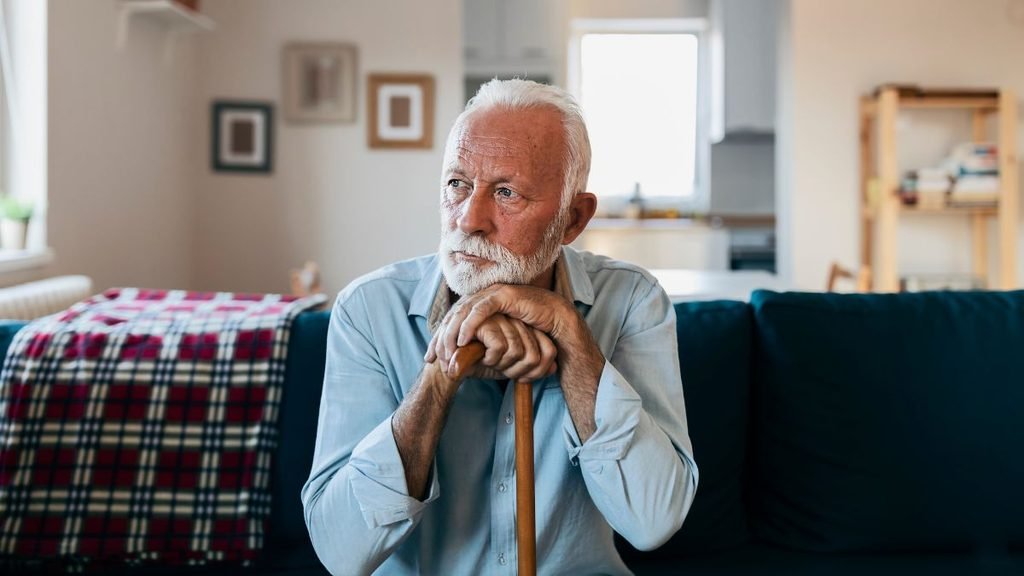
Sylvia had more energy than Austin and enjoyed filling her calendar with activities. She wanted to attend concerts, visit new restaurants, take weekend trips, and invite friends over for dinner.
Austin appreciated her enthusiasm, particularly during the early months. But maintaining the same pace became increasingly difficult as their relationship continued.
He preferred a slower afternoon after lunch, when he could read, sit quietly, or close his eyes for a while. Those breaks helped him feel refreshed and ready for the rest of the day.
Sylvia often saw things differently. She believed their later years should be filled with experiences because nobody knew how much time remained.
When Austin suggested staying home, she sometimes reminded him that life was too short to spend sitting around. He understood her reasoning, but he began feeling guilty whenever he wanted a quiet day.
Instead of expressing his limits clearly, Austin agreed to outings he did not particularly enjoy. He returned home tired, uncomfortable, and frustrated with himself for refusing to speak up.
His biggest regret was pretending he had the same energy and interests as his partner. He had confused making someone happy with repeatedly ignoring his own needs.
Regret #4: He Let Dating Expenses Eat Into His Retirement Savings

Austin had always been careful with money. Four decades of working had taught him the value of planning, saving, and understanding exactly what his retirement income could support.
His finances were reasonably stable before he began dating again. He knew his monthly bills, maintained a modest lifestyle, and avoided unnecessary expenses that could reduce his financial security.
But dating introduced costs he had not included in his retirement budget. Restaurant meals, entertainment, weekend trips, gifts, and social gatherings gradually became regular expenses.
No single outing seemed especially expensive. The problem was that small costs accumulated until he noticed his savings balance moving in the wrong direction.
Austin began feeling uncomfortable each time Sylvia suggested another trip or expensive activity. He enjoyed making memories, but he also knew that retirement savings needed to support him for an uncertain number of years.
He eventually tried explaining his concerns, but the conversation was difficult. Sylvia saw travel and entertainment as worthwhile experiences, while Austin placed greater value on keeping financial reserves intact.
Looking back, he wished they had discussed money much earlier. A simple conversation about budgets, spending limits, and affordable activities might have prevented months of worry.
At 73, Austin understood that financial peace was something he could not afford to sacrifice simply to maintain the appearance of a happy relationship.
Regret #5: He Allowed His Home to Stop Feeling Like His Own
Austin’s home had become his personal refuge after Ella died. Every room reflected years of memories, and his daily routines helped him feel comfortable in a place that had once been filled with grief.
As Sylvia became more involved in his life, the atmosphere began changing. There were more plans, more conversations about how to spend weekends, and fewer uninterrupted afternoons.
Austin found himself adjusting familiar habits to accommodate the relationship. He sometimes avoided going into the workshop because he feared appearing uninterested in spending time together.
Even his morning coffee became less peaceful when he started thinking about the day’s expectations. The quiet routine that had helped him recover from grief was no longer completely his.
He began noticing how frequently he felt relieved when an outing was canceled or when he had an afternoon alone. Those moments of relief troubled him because he believed he should have been happier with companionship.
Eventually, Austin admitted something he had been avoiding. His home still belonged to him, but his time no longer felt like his own.
He had spent years building a comfortable retirement and was now slowly giving away the very things that made it enjoyable.
Regret #6: He Waited Too Long to Admit the Relationship Was Not Working
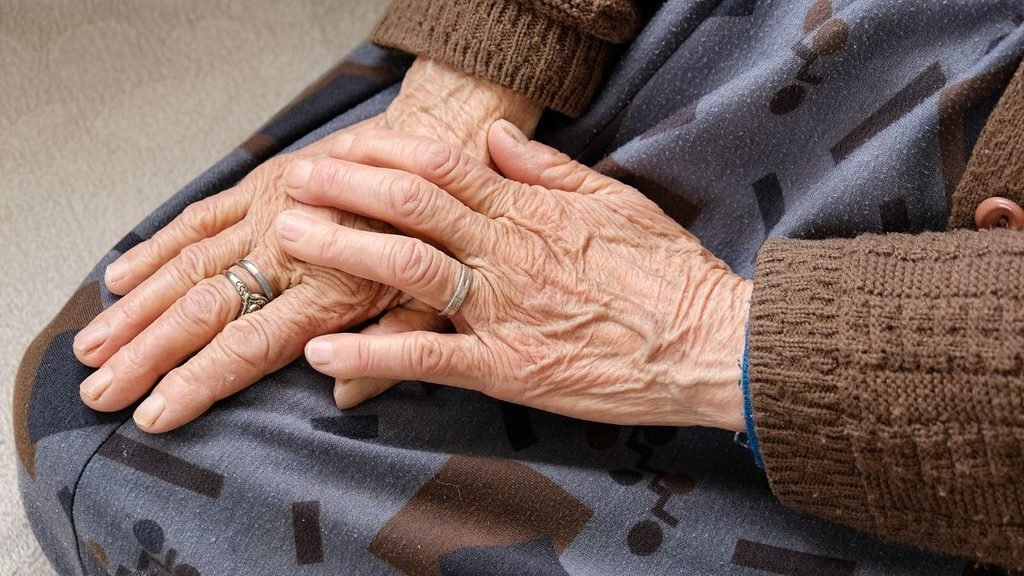
Austin did not want to disappoint Sylvia or embarrass the people who had encouraged them to meet. Everyone seemed pleased that he had found another partner, and he felt responsible for keeping the relationship successful.
He also remembered how painful the early years after Ella’s death had been. Ending another relationship seemed like inviting loneliness back into a life he had worked hard to stabilize.
So he kept trying. He attended events when he wanted to rest, answered messages when he preferred silence, and spent money he would rather have saved.
The longer this continued, the more frustrated he became. Ordinary disagreements started feeling larger because they represented needs he had repeatedly ignored.
Austin eventually recognized that remaining together out of guilt was unfair to both of them. Sylvia deserved a partner who genuinely enjoyed her active lifestyle, and Austin deserved to live without feeling constantly overwhelmed.
Their relationship had brought real happiness in the beginning. But shared affection could not eliminate their different expectations about time, money, and personal space.
Ending things was painful, yet Austin understood that continuing would require one or both of them to become someone they were not.
The Day Austin Finally Chose His Peace Over Companionship
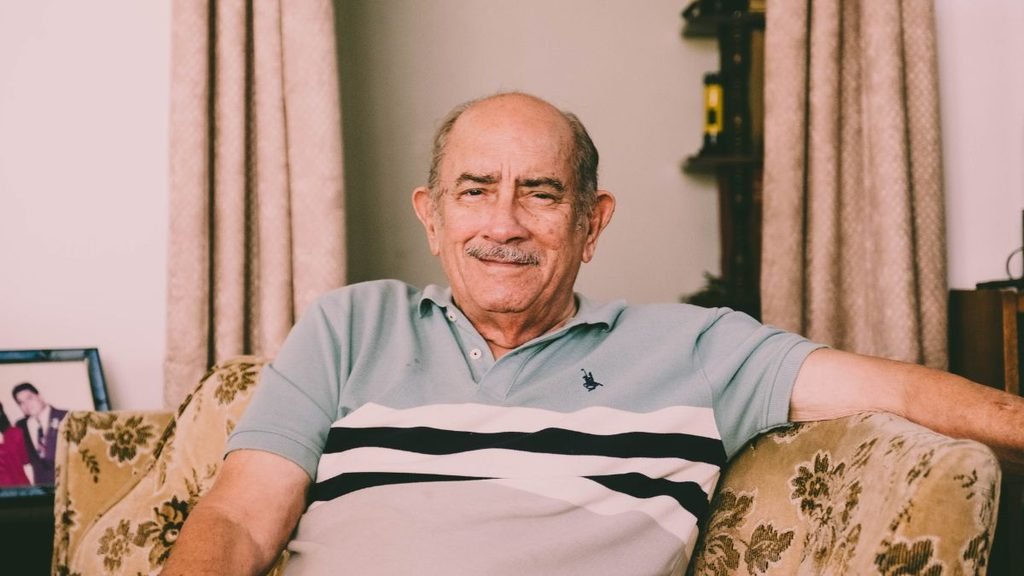
When Austin ended the relationship, he expected to feel the same terrible emptiness that had followed Ella’s death. He imagined sitting alone in his living room, wondering whether he had made a serious mistake.
But something unexpected happened. Once the relationship ended and the daily pressure disappeared, the silence inside his home felt comforting rather than frightening.
The next morning, he made his usual black coffee and stepped onto the back porch. There was no phone conversation to manage and no schedule waiting for him.
He watched the sun rise through the trees and listened to the birds. For the first time in months, he felt fully present in a moment that belonged entirely to him.
He returned to woodworking and picked up projects he had neglected. His afternoons became quieter, his spending returned to familiar levels, and his sleep gradually improved.
Austin still appreciated the good memories he had made with Sylvia. He did not consider her a bad person or believe that dating after 70 was necessarily a mistake.
He simply recognized that they wanted very different lives. What made Sylvia feel excited and fulfilled often left Austin feeling exhausted and unsettled.
Walking away did not mean he had failed at love. It meant he had finally stopped ignoring what made him happy.
What Austin Wishes He Had Understood Before Dating Again
Now 78, Austin has had five years to reflect on his experience. He does not regret every dinner, conversation, or pleasant afternoon he shared with Sylvia.
What he regrets is entering the relationship without thinking seriously about the kind of companionship he wanted. He had assumed that finding another partner would naturally improve his retirement because everyone around him believed it would.
He now sees several questions he should have asked himself before agreeing to date again.
| What Austin Overlooked | What He Understands at 78 |
|---|---|
| His need for quiet time | Personal space is a legitimate relationship need |
| Different energy levels | Partners do not have to enjoy the same pace |
| Communication expectations | Availability and boundaries should be discussed |
| Dating and entertainment expenses | Financial compatibility matters in retirement |
| Pressure from family and friends | Other people’s approval cannot determine happiness |
| Fear of being alone | Solitude and loneliness are not the same thing |
Austin believes these conversations would have helped him understand whether the relationship could work. They might also have made it easier to recognize their differences before resentment began growing.
He knows that some people meet wonderful partners in their 70s, 80s, or even later. For them, companionship brings comfort, excitement, practical support, and a stronger sense of connection.
His experience does not make those relationships any less meaningful. It simply taught him that having a partner is not automatically better than having a peaceful life alone.
Being Alone at 78 Is Not the Same as Feeling Lonely
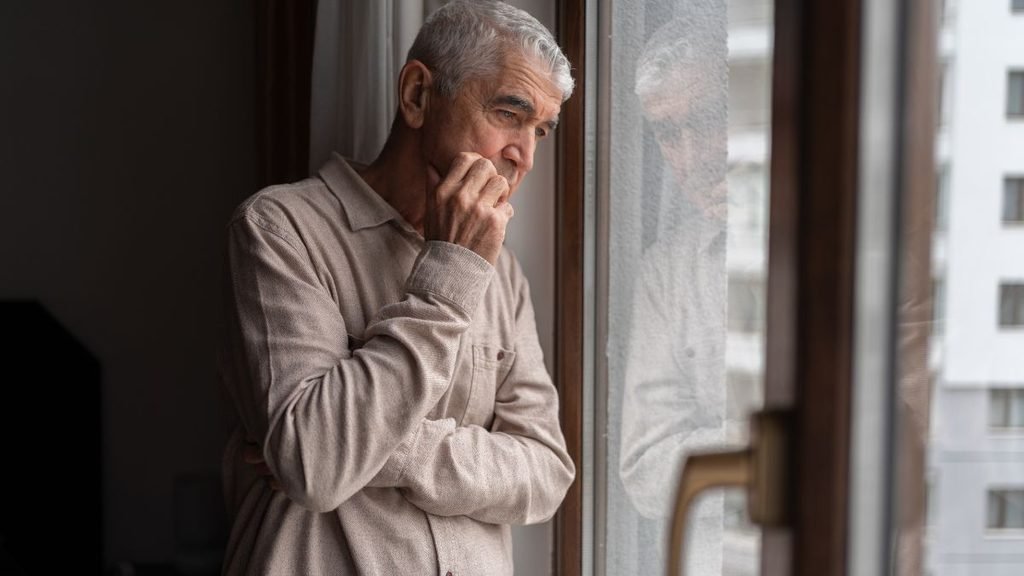
Austin has not dated since his relationship with Sylvia ended. He remains close to Sarah, occasionally meets friends, works on furniture, and enjoys familiar conversations with neighbors.
His social life is quieter than Sylvia’s, but he no longer measures happiness by how full his calendar looks. Some weeks include family dinners and community activities, while others leave him plenty of time to work around the house.
He still experiences loneliness occasionally, especially when memories of Ella surface unexpectedly. Holidays and meaningful anniversaries can remind him of the companionship he once enjoyed.
But Austin has learned that occasional sadness does not mean his entire life needs changing. He can miss his late wife while still appreciating the independence he has today.
He also understands that solitude should not become complete social withdrawal. Having dependable people to call, spending time with family, and remaining connected to others are important parts of his retirement.
The difference is that Austin now chooses those connections for himself. He no longer believes he must enter a romantic relationship simply to prove that his later years are meaningful.
Should Someone Over 70 Date Again or Stay Single?
Austin would never tell another older adult to avoid dating. His experience taught him that the right decision depends on personal needs, emotional readiness, finances, and the kind of life someone wants to live.
A person who genuinely misses romantic companionship may find enormous happiness in a new relationship. Someone who feels comfortable living alone may prefer friendships, family connections, hobbies, and personal independence.
Neither choice guarantees happiness, and neither automatically leads to loneliness. What matters is whether the decision reflects personal values rather than pressure from relatives or society.
For anyone considering dating again, Austin’s experience suggests a few questions worth answering first.
| Question to Consider | Why It Matters |
|---|---|
| Do I want companionship, or do I feel pressured? | Helps separate personal desire from outside expectations |
| How much alone time do I need? | Prevents misunderstandings about personal space |
| What can I comfortably spend on dating? | Protects long-term retirement security |
| Do our lifestyles and energy levels match? | Makes daily life easier to manage |
| Can we disagree without guilt or pressure? | Supports respectful boundaries |
| Can I remain myself in this relationship? | Protects independence and emotional well-being |
These questions cannot predict whether a relationship will succeed. But answering them honestly can help older adults avoid losing important parts of their lives while trying to build something new.
Austin wishes he had considered them at 73. Instead, he spent months trying to meet expectations that were never truly his.