

A man turns 65, stops attending family gatherings, ignores old friends, and begins spending more time alone. People around him may assume something is wrong, especially when he seems perfectly comfortable with his quieter life.
But why older men shrink their social circle is more complicated than loneliness or unhappiness. Sometimes, the change reflects a deliberate choice to protect their time, energy, and independence.
Psychology offers an interesting explanation for this shift. As men grow older, their priorities often change, and relationships that once seemed necessary may no longer feel worth maintaining.
1. A Smaller Social Circle Does Not Always Mean Depression

One of the biggest misunderstandings about older men is the assumption that spending more time alone automatically means they are unhappy. A man who stops attending social events may simply have different priorities than he did twenty years earlier.
During his working years, socializing may have been necessary for professional advancement, family obligations, and maintaining friendships. After retirement, many of those expectations disappear, giving him greater freedom to decide how he spends his time.
Research supports the idea that social networks often become smaller as people age. A 2024 study published in Psychology and Aging examined emotional support networks among 235 American men followed over several decades.
Researchers found that the number of people providing emotional support declined by as much as 50% between ages 30 and 90. On average, the men’s support networks went from approximately two emotional support providers to one.
That does not mean every older man loses half his friends, because the study measured emotional support rather than all friendships. It does show that even important social connections can become fewer across adulthood.
The Difference Between Solitude and Isolation
Psychologists distinguish between loneliness and social isolation, but another important consideration is whether a person enjoys spending time alone. A man can appreciate solitude while maintaining meaningful relationships and reliable support.
The National Institute on Aging explains that loneliness involves distress about feeling disconnected, while social isolation involves limited contact with others. Someone can live alone without feeling lonely, or experience loneliness while surrounded by people.
| Situation | What It Usually Looks Like | What It May Mean |
|---|---|---|
| Chosen solitude | Enjoys time alone and maintains valued connections | Healthy independence |
| Social selectivity | Prefers a few trusted friends over many acquaintances | Changing priorities |
| Loneliness | Wants more meaningful contact but feels disconnected | Unmet emotional needs |
| Social isolation | Has little contact or practical support | Potential health and safety concern |
The important distinction is not simply how many people a man sees each week. It is whether his social life provides the connection, support, and independence he wants and needs.
A man who enjoys reading alone every evening may be perfectly content. Another man who spends those same evenings wishing someone would call may be experiencing something very different.
2. Aging Changes How Men Value Their Time

One of the strongest psychological explanations for shrinking social circles comes from Stanford psychologist Laura Carstensen. Her socioemotional selectivity theory describes how people’s social goals change when they become more aware that time is limited.
During younger adulthood, people often build broad networks because new relationships may create future opportunities. They meet coworkers, attend professional events, build friendships, and invest in contacts that could become valuable later.
As people grow older, emotionally meaningful experiences often become more important than expanding their social networks. The question gradually changes from how many people someone knows to how much those relationships actually matter.
Consider a hypothetical 68-year-old retired man named Richard. For decades, he attended monthly dinners with former colleagues, even though he rarely enjoyed the conversations and had little in common with several attendees.
After retirement, Richard decides to see only two former coworkers with whom he shares genuine friendships. He spends the remaining evenings with his grandchildren, working in his garden, or enjoying a quiet dinner at home.
Someone watching from the outside might interpret this as social withdrawal. For Richard, however, it represents a more deliberate use of his time and attention.
This change does not require a sudden transformation in brain chemistry, as some popular explanations suggest. Research more directly supports changes in motivation, perceived time, emotional goals, and personal circumstances.
3. Older Men May Stop Maintaining Draining Relationships

By age 60, a man has often spent decades maintaining relationships for reasons that had little to do with personal enjoyment. Some connections existed because of work, family expectations, neighborhood obligations, or shared history.
He may have tolerated demanding coworkers, competitive acquaintances, or relatives who repeatedly ignored his boundaries. Ending those relationships earlier might have created problems that he was unwilling or unable to manage.
Retirement can change that calculation because some of the practical reasons for maintaining those connections disappear. A man may realize he no longer needs to spend his weekends with people who consistently leave him feeling exhausted.
The Relationship Audit That Often Happens After 60
This process does not always involve arguments or dramatic confrontations. Sometimes, a man simply stops initiating conversations, declines invitations, or reduces contact with people whose company he no longer enjoys.
The decision may feel sudden to others because they were unaware of his growing dissatisfaction. In reality, he may have been questioning the relationship for years before making any visible changes.
Still, there is an important difference between establishing healthy boundaries and automatically removing anyone who causes discomfort. Even strong relationships involve disagreement, compromise, and occasional disappointment.
| Relationship Pattern | Why He Might Pull Away | A Healthier Response |
|---|---|---|
| Constant criticism | Conversations leave him feeling diminished | Explain boundaries and limit exposure |
| Repeated financial requests | He feels valued mainly for money | Set clear financial limits |
| One-sided friendship | He always initiates contact or provides support | Discuss expectations and seek balance |
| Disrespectful behavior | Personal boundaries are repeatedly ignored | Reduce or end contact if necessary |
| Occasional disagreement | Different opinions create tension | Preserve respect without demanding agreement |
This distinction matters because a smaller social circle is not automatically a better one. The aim should be more satisfying relationships, rather than fewer relationships at any cost.
Some men discover that a friendship improves after they communicate their needs more clearly. Others realize that maintaining distance is the most reasonable choice.
4. They No Longer Want to Please Everyone

Many men grow up believing that being dependable means always being available. They are encouraged to provide financially, solve problems, remain emotionally composed, and avoid disappointing people who depend on them.
Over several decades, these expectations can shape how they behave in relationships. They may accept obligations they dislike because refusing feels selfish or because they fear upsetting someone.
Later adulthood can create an opportunity to question those habits. With children grown and careers becoming less demanding, some men begin deciding which responsibilities they genuinely want to keep.
A 66-year-old man might stop organizing every family gathering or volunteering for every community project. He may still love the people involved, but he no longer wants to be responsible for making everyone else comfortable.
Why Saying No Can Upset Other People
When someone has spent years accommodating others, a new boundary can feel like an unexpected rejection. Family members and friends may interpret a simple refusal as evidence that his personality has changed.
In some cases, they may be responding to the loss of support they previously received. A man who was always available to lend money, provide transportation, or handle household repairs may encounter resistance when he begins setting limits.
Healthy boundaries, however, do not require hostility. Someone can decline an invitation, refuse an unreasonable request, or protect personal time without treating other people as enemies.
This is especially important in long-standing family relationships where responsibilities are shared. Independence becomes more sustainable when people communicate their needs rather than expecting others to understand an unexplained withdrawal.
5. Solitude Becomes Something They Genuinely Enjoy
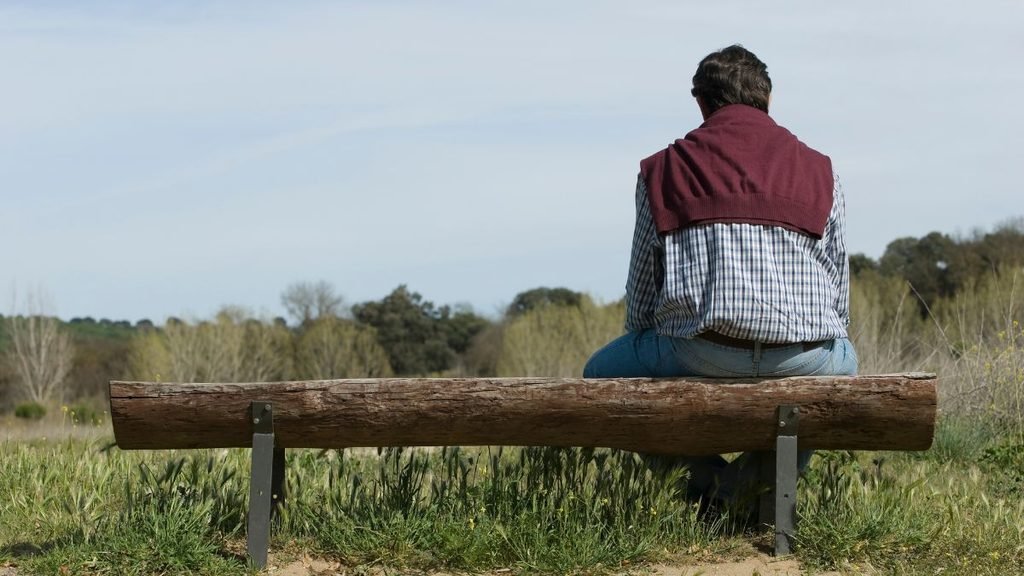
For some older men, one of retirement’s greatest rewards is control over their daily schedule. After spending decades following workplace routines and meeting family obligations, uninterrupted personal time can feel especially valuable.
A quiet morning may offer more satisfaction than a crowded social gathering. Reading the newspaper, walking through a park, repairing something at home, or working on a hobby can provide both pleasure and purpose.
The appeal is not necessarily that these men dislike other people. They may simply enjoy activities that require little conversation, coordination, or compromise.
Why Familiar Routines Become More Important
Personal routines can provide structure after retirement removes the schedule that employment once supplied. Morning coffee, exercise, gardening, reading, and regular hobbies give the day a comfortable rhythm.
Some men also appreciate the freedom to make ordinary decisions without consulting anyone else. They can choose when to eat, where to travel, and how to spend an afternoon without accommodating a large group.
There is also a psychological benefit to feeling capable of managing one’s own time. The ability to make independent choices can reinforce confidence and a sense of control.
But enjoyable solitude works best when it remains a choice rather than the only available option. A man can value his privacy while still having people he trusts and activities that connect him to the wider community.
6. Retirement Changes the Friendships Men Once Relied On

Not every shrinking social circle results from a deliberate decision to cut people off. Sometimes, the structure that supported a man’s friendships disappears when he leaves the workforce.
For decades, he may have spoken with the same colleagues every weekday, shared lunch breaks, and attended workplace gatherings. These interactions required little planning because they were built into his daily routine.
Once he retires, maintaining those friendships requires additional effort. Without regular meetings at work, even pleasant relationships can gradually become less active.
A 2025 study published in The Journals of Gerontology: Series B examined retirement and social contact among 5,238 participants in the Netherlands. Researchers found that retirement could increase contact with friends and neighbors, even as some ties to former coworkers changed over time.
The findings challenge the assumption that retirement inevitably causes social withdrawal. They suggest that men’s networks may change in composition rather than simply disappear.
Relationships Before and After Retirement
Different relationships serve different purposes, and retirement can alter how frequently they occur. Understanding these changes makes it easier to recognize opportunities for maintaining meaningful social contact.
| Social Connection | Common Change After Retirement | Possible Adjustment |
|---|---|---|
| Coworkers | Daily interaction may disappear | Arrange occasional lunches |
| Longtime friends | Contact may require more planning | Establish a regular meeting |
| Neighbors | More opportunities for casual interaction | Participate in local activities |
| Family members | More flexible time for visits | Agree on comfortable expectations |
| Hobby groups | Greater opportunity to participate | Join activities based on interests |
The most useful response may be to replace lost routines rather than trying to rebuild a large network. One regular activity can create familiar connections without placing heavy demands on someone’s schedule.
For example, a weekly walking group or community workshop may provide enough social interaction to complement a largely independent lifestyle. The goal is not constant activity but reliable opportunities for connection.
7. Some Men Have Spent Decades Avoiding Emotional Conversations

Another reason social circles may become smaller involves how some men learn to communicate. Traditional expectations around masculinity can encourage emotional restraint, independence, and problem solving rather than openly asking for support.
These habits do not describe every man, and they are not always harmful. However, they may make it harder to maintain close friendships when relationships require discussing personal difficulties or emotional needs.
A Pew Research Center report published in January 2025 offers a useful perspective. Among U.S. adults surveyed in September 2024, 38% of men said they would be very or extremely likely to turn to a friend for emotional support, compared with 54% of women.
The survey also found that men and women were similarly likely to report having at least one close friend. The difference was more apparent in how often they communicated with friends and where they expected to find emotional support.
These findings were not limited to men over 60, but they highlight a broader pattern that can remain relevant in later life. Having friends does not always mean someone feels comfortable reaching out to them.
Why Losing a Partner Can Change Everything
Some men rely heavily on a spouse or long-term partner for emotional connection, daily conversation, and social planning. If that relationship ends through death or divorce, their remaining support network may suddenly feel much smaller.
A 2024 study using the English Longitudinal Study of Ageing found differences in how older men and women reported loneliness. Its findings suggested that some older men may be less likely to directly acknowledge loneliness even when other measures indicate it.
This creates an important challenge for families because silence does not reliably reveal someone’s emotional state. A man who says he is fine may genuinely be content, or he may have difficulty expressing what he needs.
Rather than assuming either explanation, it is better to pay attention to his daily functioning, relationships, and willingness to seek support. A respectful conversation often provides more insight than speculation about his personality.
8. Personal Integrity Matters More Than Social Approval

The psychologist Erik Erikson described later adulthood as a period involving the developmental challenge of integrity versus despair. His theory emphasized reflecting on one’s life and finding a sense of acceptance and coherence.
For some men, this stage includes reconsidering the expectations that shaped their earlier decisions. They may begin asking whether their current routines, friendships, and commitments reflect what they actually value.
A man who once measured success through career status, financial achievement, or public recognition may gradually find those measures less important. Relationships built mainly around competition or status may lose their appeal.
He may become more interested in honesty, reliability, shared interests, and people who accept him without demanding constant performance. This can make a modest social circle feel more satisfying than a busy calendar.
Why Long Friendships Can Still End
Friendships sometimes continue because of shared history rather than present compatibility. Two men who were close at 25 may have very different priorities at 70, even if neither has done anything wrong.
One may enjoy travel, social events, and frequent gatherings, while the other prefers home projects and occasional conversations. Their reduced contact may simply reflect different lifestyles rather than resentment.
Personal integrity does not require rejecting people who think differently. It can also mean allowing relationships to change naturally, without forcing closeness that no longer feels mutual.
A mature approach leaves room for both boundaries and kindness. People can remain respectful even when they no longer occupy central places in each other’s lives.
9. A Smaller Circle Is Not Always a Healthier Circle
The idea that older men deliberately choose solitude contains an important truth, but it can become misleading when taken too far. Not every man who withdraws from society is making a carefully considered decision.
Some older adults lose relationships because of bereavement, declining mobility, hearing difficulties, illness, transportation problems, or financial constraints. Others experience depression or loneliness that makes social contact feel unusually difficult.
The Centers for Disease Control and Prevention identifies social isolation and loneliness as important health concerns. Both are associated with increased risks of problems such as depression, cardiovascular disease, and cognitive decline.
Importantly, social isolation can carry risks even when someone does not report feeling lonely. Feeling comfortable alone does not eliminate the practical value of having people available during illness, emergencies, or unexpected difficulties.
When Family Members Should Pay Attention
Families should consider whether the change is consistent with the man’s preferences or represents a significant departure from his usual behavior. Sudden withdrawal accompanied by other changes deserves more attention than a long-standing preference for quiet activities.
| Behavior | Possible Meaning | Helpful Response |
|---|---|---|
| Enjoys quiet hobbies and keeps trusted contacts | Comfortable solitude | Respect his preferences |
| Stops activities he previously loved | Possible emotional or health difficulty | Ask about the change |
| Avoids everyone and reports feeling hopeless | Possible depression | Encourage professional assessment |
| Rarely speaks to anyone and lacks emergency support | Social isolation risk | Help establish reliable contacts |
| Becomes withdrawn after losing a spouse | Grief, loneliness, or adjustment | Offer consistent, respectful support |
Depression is not a normal or unavoidable part of aging, according to the National Institute on Aging. Symptoms can include loss of interest, persistent low mood, changes in sleep or appetite, and difficulty carrying out ordinary activities.
Withdrawal alone cannot establish a diagnosis, and relatives should avoid labeling someone without understanding his circumstances. However, persistent or concerning changes deserve compassionate attention and, when appropriate, evaluation by a healthcare professional.
10. The Best Social Circle Is Small Enough to Enjoy and Strong Enough to Depend On

The greatest benefit of becoming socially selective is not the ability to eliminate everyone who creates inconvenience. It is the opportunity to build relationships that fit the life someone wants to live.
For a man over 60, that might mean maintaining three close friendships instead of a dozen casual acquaintances. Another man may prefer regular community activities and a wider group of friends, which can be equally healthy.
There is no universal number of relationships that guarantees emotional well-being. What matters is the quality of those connections, the individual’s preferences, and whether dependable support remains available.
Keep at Least One Person Who Knows What Is Happening
A man who enjoys living independently still benefits from having someone who notices when something is wrong. That person might be a sibling, neighbor, friend, adult child, or trusted community member.
Regular contact does not need to involve lengthy conversations or daily visits. A scheduled phone call or occasional coffee can help maintain a relationship without compromising independence.
Maintain Friendships That Do Not Require Constant Attention
Some friendships thrive through frequent conversation, while others remain strong despite long periods between visits. Finding people who respect that difference can make social contact feel easier.
A longtime friend who understands an occasional decline of an invitation may be especially valuable. Mutual respect allows both people to maintain their independence without interpreting every quiet period as rejection.
Make Room for New Connections
Reducing unwanted social obligations does not mean refusing every new relationship. Retirement can create opportunities to meet people through volunteering, community classes, walking groups, faith communities, or shared hobbies.
The National Institute on Aging recommends staying engaged through activities and regular contact with others. These opportunities can be especially useful for men whose former friendships were closely connected to employment.
Protect Independence Without Rejecting Help
Many older men take pride in handling problems themselves, particularly if they have spent their lives providing for others. That independence can be a strength, but it should not become a reason to refuse reasonable support.
Accepting a ride after a medical appointment or asking someone to check on the house during travel does not erase personal freedom. Reliable relationships often make independent living more sustainable.
11. What Families Often Misunderstand About Quiet Older Men

Adult children sometimes interpret a father’s reduced interest in gatherings as rejection. They may wonder why he no longer attends every birthday celebration or why he seems happier working alone than joining family activities.
The explanation may be straightforward: his preferred way of spending time has changed. He can love his family deeply without wanting a full calendar of social commitments.
For some men, a brief visit with one family member feels more rewarding than a large gathering. Others may enjoy shared activities, such as gardening, walking, cooking, or fixing something, more than long conversations.
Respect Matters More Than Pressure
Repeatedly telling an older man that he needs to socialize more may create resistance. If he already feels comfortable with his choices, pressure can make him less willing to discuss what he actually wants.
A better approach is to offer specific opportunities while respecting his right to decline. Instead of demanding that he attend every family event, relatives can ask which occasions matter most to him.
It also helps to recognize that not every relationship must remain unchanged. A father and adult child may develop a different pattern of contact after retirement while maintaining a close and supportive bond.
However, respect for independence should not mean ignoring serious changes. If someone suddenly stops eating properly, neglects medical care, or expresses hopelessness, those concerns deserve attention even when he says he prefers being alone.
The healthiest response combines curiosity, consideration, and practical support. Families can make it clear that connection is available without treating an older man’s desire for privacy as a problem to fix.