

When people see an older man living alone, many assume he must be lonely or struggling. That story is common, but it often misses what’s really going on.
For some men, living alone after 60 or 70 brings a calm they never had during decades of work and family pressure. For others, it can quietly turn into isolation that harms their health.
Both can be true, sometimes for the same man at different times. Here are seven facts about older men living alone, including what research says and the warning signs families shouldn’t ignore.
Living Alone Is Common, but More So for Women

Living alone later in life is far from rare. Pew Research Center found that about 26% of U.S. adults 65 and older lived alone in 2023.
Women are more likely than men to live alone, mainly because they tend to outlive their husbands. One analysis of 2023 data found that about 31% of older women and 19% of older men lived alone.
That still means millions of older men live on their own. Some are widowed or divorced, some never married, and some simply prefer it.
| Key Figure | Amount | Why It Matters |
|---|---|---|
| Adults 65+ living alone | About 26% (Pew, 2023) | One in four older adults |
| Older women living alone | About 31% (2023) | Women often outlive spouses |
| Older men living alone | About 19% (2023) | Millions of men live on their own |
| Men reporting no close friends | 15% (Survey Center on American Life, 2021) | Up from 3% in 1990 |
| Suicide rate, men 75+ | About 40 per 100,000 (CDC, 2024) | The highest of any age group |
These numbers show both sides of the story. Many older men live alone comfortably, but some face real risks that deserve attention.
1. Many Are Selective, Not Lonely

Living alone and feeling lonely are not the same thing. Many older men who live alone choose solitude on purpose after decades of busy households, jobs and social obligations.
Consider a hypothetical 69-year-old retired man we’ll call Dennis. A stranger at the park assumes he must be miserable living alone, but Dennis enjoys his quiet mornings and doesn’t feel lonely at all.
With age, many men learn what drains them and what gives them peace. Instead of filling every hour with noise, they become choosier about who and what gets their time.
Researchers draw a clear line between chosen solitude and unwanted isolation. Time alone that a person chooses can feel restful, while isolation that’s forced on someone tends to harm health and mood.
2. Freedom From Constant Pressure Can Bring Relief
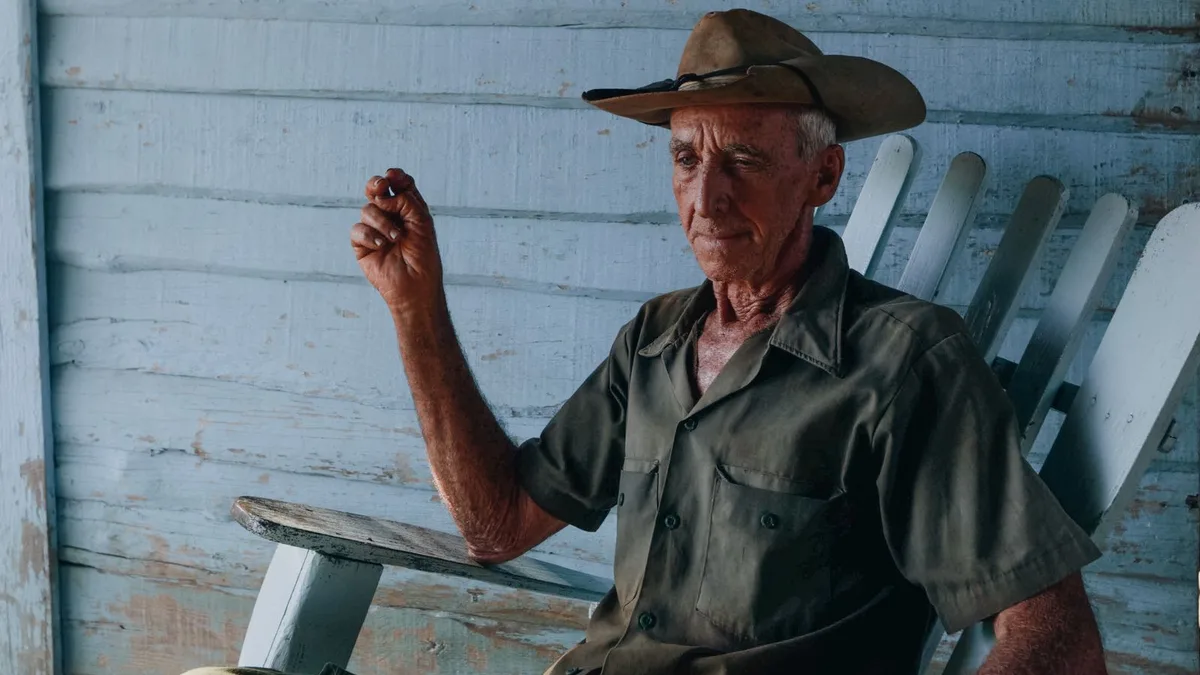
Many men spend decades under pressure to provide, perform and meet other people’s expectations. Later in life, some find that living alone lifts much of that weight.
That doesn’t mean they dislike relationships. It often means they no longer feel they must prove themselves every day.
Lower stress matters for health. Chronic stress is linked to poorer sleep and higher blood pressure, so a calmer daily life can bring real physical benefits.
3. Many Take Better Care of Themselves Than Families Expect
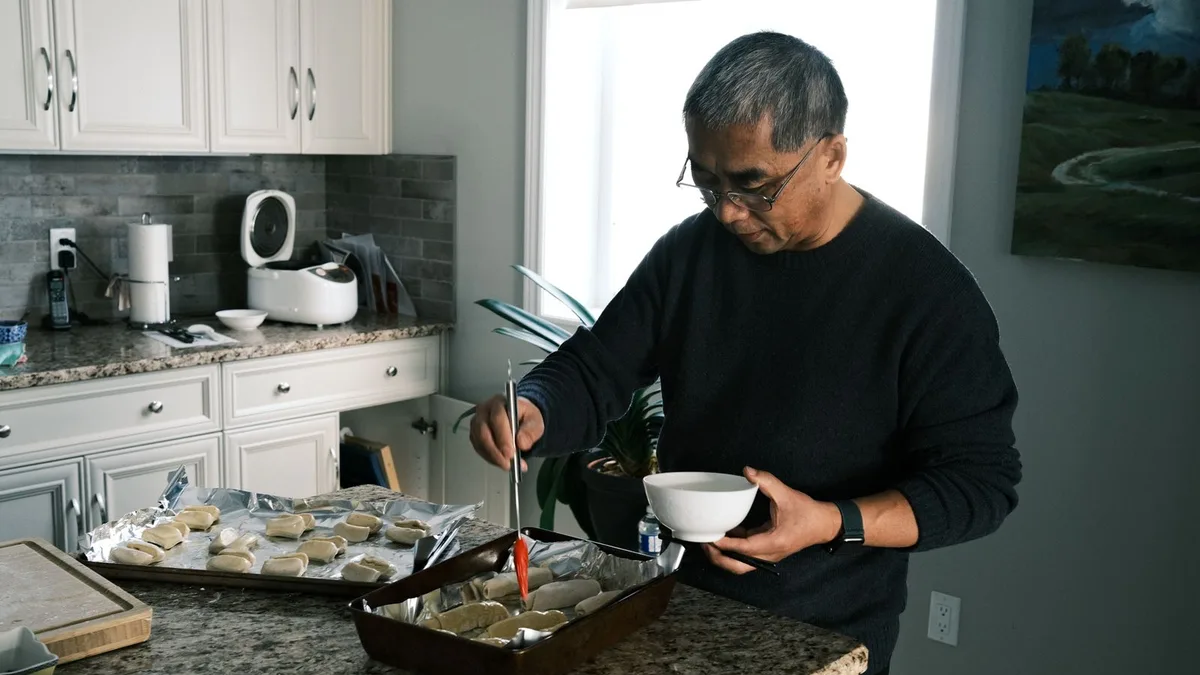
Families often worry that a man living alone will skip meals, forget medications or neglect his health. Some do, but many build steady routines of their own.
In our hypothetical example, Dennis started with a 20-minute walk each morning and gradually built up to almost an hour. He began cooking simple, balanced meals and felt more energetic.
Living alone can make routines feel more personal. Meals, sleep and exercise can fit his own rhythm instead of someone else’s schedule.
That said, families shouldn’t assume all is well. A friendly check-in about meals, medications and doctor visits can catch problems early without taking away independence.
4. Living Alone Doesn’t Mean Living Without Love

People often confuse living alone with being emotionally empty. In reality, many older men keep strong bonds with children, grandchildren, friends and neighbors.
Some enjoy companionship without living together, and others focus on service, such as mentoring, volunteering or helping family. These connections can be just as meaningful as a romantic partnership.
Research backs up how much connection matters. The Harvard Study of Adult Development found that people who were most satisfied with their relationships at 50 were the healthiest at 80.
5. Many Feel More at Peace Than Ever

Aging often changes priorities. Drama loses its appeal, time feels more valuable and conflict seems less worth the energy.
For some men, living alone is a way to protect that peace. Dennis, in our example, describes it as finally living at his own pace.
Feeling in control of daily life is linked to lower stress and greater life satisfaction in later years. For many men, living alone provides that sense of control.
| Healthy Solitude | Harmful Isolation |
|---|---|
| Chosen on purpose | Forced by loss, illness or distance |
| Regular contact with people | Little or no contact for days |
| Steady routines and self-care | Skipped meals, missed medications |
| Interest in hobbies and plans | Loss of interest in things once enjoyed |
| Feels restful | Feels empty or hopeless |
The same man can move from one column to the other after a loss or a health scare. That’s why families and friends should keep checking in, even when things seem fine.
6. Isolation Is a Real Health Risk for Some Men

Not every man chooses to live alone. Widowhood, divorce, health problems or children living far away can push men into isolation they never wanted.
Men may be especially vulnerable. The Survey Center on American Life found that the share of U.S. men with no close friends rose from 3% in 1990 to 15% in 2021, and many men’s friendships were built around work that ends at retirement.
A 2020 National Academies report linked social isolation and loneliness in older adults to higher risks of early death, dementia and heart disease. For a man who has lost his wife, who often managed the couple’s social life, that isolation can arrive quickly.
The most serious risk is suicide. CDC data show that men 75 and older have the highest suicide rate of any age group, about 40 per 100,000 in 2023 and 2024.
If you’re worried about someone, ask directly and listen without judgment. Asking about suicide doesn’t put the idea in someone’s head, and it can open the door to help.
7. Planning Makes Living Alone Safer

Living alone works best with a plan for emergencies. Falls are the leading cause of injury for adults 65 and older, and the CDC reports that about one in four adults in that age group falls each year.
A medical alert device, a daily check-in call or a smartphone set up for emergencies can make sure help arrives quickly. Many men also give a trusted neighbor or relative a spare key.
Money and paperwork matter too. Living alone means no one else automatically knows where accounts are kept, so a short list of bank accounts, insurance policies and passwords, kept somewhere safe, can help family in a crisis.
Legal documents fill the gap a spouse used to cover. A durable power of attorney for finances and a health care proxy let someone you trust make decisions if you can’t.
| Priority | What to Set Up | Why It Helps |
|---|---|---|
| 1 | Daily check-in with a friend or relative | Someone notices quickly if something’s wrong |
| 2 | Medical alert device or phone plan | Help arrives fast after a fall |
| 3 | List of accounts and contacts | Family can step in during an emergency |
| 4 | Power of attorney and health care proxy | A trusted person can act for you |
| 5 | Regular social activity | Protects against isolation |
These steps don’t take away independence. They make it easier to keep living on your own terms for longer.
How Men Can Build Friendships After 60

Many men find that their friendships were built around work, sports or their children’s activities. When those end, the friendships often fade too.
Shared activities are usually the easiest way to rebuild. Men often bond side by side, so groups built around a task, like a woodworking shop, a golf league, a walking group or a volunteer crew, tend to work well.
Programs designed for men can help too. Men’s sheds, veterans’ groups, faith-based men’s breakfasts and senior center clubs give men a regular place to show up and see the same faces.
The key is consistency. Seeing the same people every week, even for an hour, builds friendships far faster than an occasional event.
The Money Side of Living Alone

Living alone can cost more per person. Rent or a mortgage, utilities, insurance and internet don’t get cheaper just because only one person lives in the home.
For widowers, income can also drop. When a spouse dies, the household usually keeps only the larger of the two Social Security benefits, so one check disappears while many bills stay the same.
That’s why a budget review after a loss or divorce is so important. Some men find that downsizing, adding a roommate, or reviewing insurance and phone plans frees up money for social activities and travel.
What Families Can Do

If your father, grandfather or uncle lives alone, regular contact matters more than occasional grand gestures. A short weekly phone call or a standing lunch date can make a big difference.
Respect his independence while staying alert. Ask open questions about how he’s spending his days, what he’s eating and whether anything is worrying him.
If you notice warning signs, don’t wait. Encourage him to see his doctor, and if you think he’s in danger, call or text 988 for guidance.
Living Alone on Your Own Terms

For many older men, living alone is a chapter of peace, self-respect and freedom earned after a lifetime of responsibilities. Quiet mornings, simple routines and doing things at your own pace can be deeply satisfying.
The key is making sure solitude stays a choice, not a trap. Staying connected, planning for emergencies and knowing the warning signs can help a man live alone safely and happily for years.
Note: This article provides general information, not medical, mental health or legal advice. If you or someone you know is in crisis, call or text 988 to reach the Suicide and Crisis Lifeline.