

Many retirees keep a large share of their savings in cash. It feels safe, it’s easy to reach, and it helps cover bills without selling investments at a bad time.
But where that cash sits matters more than many people realize. Some accounts pay almost nothing, while others pay over 4% with the same government protection.
Here’s where seniors can safely keep cash right now, what each option pays in late 2026 and the places that can quietly put your money at risk. Rates change often, so use these figures as a starting point and check current offers before moving money.
Why Where You Keep Cash Matters

Cash in retirement does a few important jobs. It covers emergencies, pays everyday bills and gives you a cushion so you don’t have to sell stocks during a market drop.
The problem is that many people leave this money in accounts that barely pay interest. According to the FDIC, the national average savings rate was just 0.38% in August 2026.
Meanwhile, many online savings accounts, money market funds and Treasury bills were paying around 4% or more. That gap can add up to thousands of dollars a year on a large cash balance.
| Where Cash Is Kept | Typical Yield (Late 2026) | Protection |
|---|---|---|
| Average bank savings account | About 0.38% | FDIC up to $250,000 |
| Average 12-month CD | About 1.71% | FDIC up to $250,000 |
| Top high-yield savings accounts | About 4.1% to 4.7% | FDIC up to $250,000 |
| Money market funds | About 3.75% | Not FDIC insured |
| 3-month Treasury bills | About 4.2% | Backed by the U.S. government |
| I bonds (bought Nov. 2026 to April 2027) | 5.51% for the first 6 months | Backed by the U.S. government |
Average figures come from the FDIC’s August 2026 national rates. Other yields reflect published rates and market data from early to mid-November 2026, and they can change quickly.
How Much a Low Rate Can Cost You
Consider a hypothetical retired couple with $50,000 in savings. At 0.38%, that money earns about $190 a year.
At 4.2%, the same $50,000 would earn about $2,100 a year. That’s a difference of roughly $1,910, enough to cover several months of a Medicare Part B premium or a nice trip to see the grandkids.
Interest is taxable, so the real gain is a bit smaller. Even after taxes, moving idle cash to a higher-paying safe account is one of the easiest raises a retiree can give themselves.
Where Seniors Should Keep Cash

The best places for cash are safe, easy to reach and pay a fair rate. Most retirees can use a mix of a few options, depending on when they’ll need the money.
A common approach is to divide cash into layers. Money for this month’s bills stays in checking, emergency money sits in a high-yield savings account, and money for the next year or two can go into CDs or Treasury bills.
High-Yield Savings Accounts

High-yield savings accounts, often offered by online banks, pay much more than the average bank. In November 2026, the top accounts were paying roughly 4.1% to 4.7%, though some higher rates came with conditions or limited time periods.
These accounts are insured by the FDIC up to $250,000 per depositor, per bank, per ownership category, as long as the bank is FDIC-insured. Credit union accounts get the same protection from the NCUA.
They’re ideal for emergency money. You can usually move funds to your checking account within a day or two.
Read the fine print. Some advertised rates require a minimum balance, direct deposit or a linked checking account, and rates on savings accounts can drop at any time.
Money Market Accounts and Funds
These two sound alike but work differently. A money market account is a bank deposit account and is FDIC-insured, while a money market fund is an investment you buy through a brokerage.
Money market funds invest in very short-term, high-quality debt, such as Treasury bills. In early November 2026, the Crane 100 index of the largest money funds yielded about 3.75%.
Money market funds aren’t FDIC-insured, and their value isn’t guaranteed. They’ve been very stable over time, and government money market funds that hold mostly Treasury securities are generally considered among the safest choices.
Many brokerage accounts use a money market fund as the default place for cash. Check what yours uses, since some firms default to a low-paying bank sweep account instead.
Certificates of Deposit

A CD pays a fixed rate for a set time, such as six months, one year or five years. In return, you usually pay a penalty if you withdraw early.
CDs work well for money you won’t need for a while. Locking in a rate also protects you if savings rates fall later.
Shop around before buying. The national average 12-month CD paid about 1.71% in August 2026, but many banks and credit unions paid far more.
A CD ladder spreads money across several CDs that mature at different times. For example, you might split $40,000 into four CDs maturing in 6, 12, 18 and 24 months, so some money becomes available regularly.
Treasury Bills
Treasury bills are short-term loans to the U.S. government, maturing in four weeks to one year. They’re backed by the full faith and credit of the U.S. government.
The 3-month Treasury bill yielded about 4.2% in early November 2026. You can buy T-bills directly at TreasuryDirect.gov or through most brokerage accounts.
Treasury interest is exempt from state and local income taxes. That can make T-bills more attractive than CDs or savings for retirees in high-tax states.
Buying through a brokerage is often easier for older adults. You can sell before maturity if needed, while TreasuryDirect requires holding bills until they mature.
I Bonds for Money You Won’t Need Soon

Series I savings bonds are designed to protect against inflation. Those bought from November 1, 2026, through April 30, 2027, earn 5.51% for the first six months.
That rate combines a 1.40% fixed rate, which lasts for the life of the bond, and an inflation rate that resets every six months. The 1.40% fixed rate was the highest since 2006.
I bonds have important limits. You can’t cash them in for the first 12 months, and if you cash them before five years, you lose the last three months of interest.
Most people can buy up to $10,000 a year electronically through TreasuryDirect. Because of the one-year lock, I bonds work best for money you won’t need for at least a year, not for emergencies.
| Option | Best For | Access | Main Drawback |
|---|---|---|---|
| High-yield savings | Emergency fund | 1 to 2 days | Rate can change anytime |
| Money market fund | Cash in a brokerage account | Usually 1 business day | Not FDIC insured |
| CDs | Money needed in 6 to 24 months | At maturity | Early withdrawal penalty |
| Treasury bills | Short-term savings, high-tax states | At maturity or sell | Must reinvest when they mature |
| I bonds | Inflation protection beyond one year | After 12 months | $10,000 yearly limit |
Where Seniors Should Not Keep Cash

Some places feel safe but carry hidden risks. Others are simply costing you money.
The goal isn’t to avoid every bank or product. It’s to avoid keeping large amounts in places that pay too little, lack protection or are commonly used in scams.
| Place to Avoid for Large Sums | Main Risk |
|---|---|
| Low-rate checking or savings | Losing ground to inflation |
| Cash stored at home | Theft, fire and no interest |
| Fintech apps that aren’t banks | Money can be frozen if the company fails |
| Over $250,000 at one bank | Amount above the limit isn’t insured |
| A “safe account” a caller suggests | Almost always a scam |
| Annuities for emergency money | Surrender fees and limited access |
A Big-Bank Account Paying Almost Nothing
Many retirees keep tens of thousands of dollars in the same checking or savings account they’ve had for decades. These accounts are safe, but many pay close to nothing.
Keep enough in checking to cover a month or two of bills. Move the rest of your cash cushion to a higher-paying insured account, which you can often open in minutes.
Large Amounts of Cash at Home

Keeping some cash at home for emergencies, like a power outage, is reasonable. Keeping thousands of dollars in a drawer or mattress is risky.
Cash at home can be lost to theft, fire or flooding, and it earns nothing. It can also be taken by caregivers, visitors or scammers who pretend to be officials collecting money.
A home safe helps, but it isn’t insured the way a bank account is. Many homeowners policies also cover only a small amount of stolen cash, so check your policy limits.
Fintech Apps That Aren’t Banks
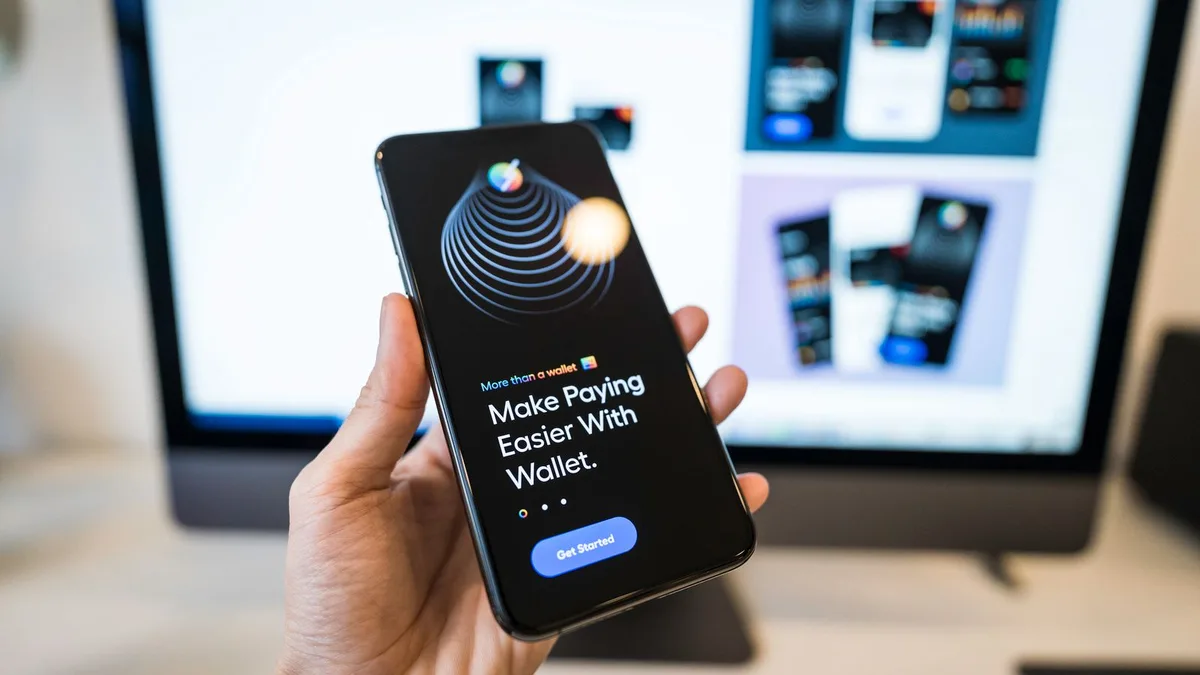
Some apps offer high rates and say your money is FDIC-insured through partner banks. That protection may not work the way people expect if the app company itself fails.
In 2024, the collapse of a fintech middleman called Synapse left many customers of partner apps locked out of their money for months. Some customers recovered only part of what they had deposited.
FDIC insurance protects you if an insured bank fails, not if a nonbank app company goes under. Before using any app, confirm the bank holding your money and check it on the FDIC’s BankFind tool.
More Than $250,000 at One Bank

FDIC insurance covers up to $250,000 per depositor, per insured bank, per ownership category. Money above that limit could be at risk if the bank fails.
Couples can often increase coverage by using different ownership categories, such as individual accounts, joint accounts and certain retirement accounts. Spreading money across more than one bank is another simple option.
| Hypothetical Couple at One Bank | Ownership Category | Insured Amount |
|---|---|---|
| Spouse A’s individual account | Single | Up to $250,000 |
| Spouse B’s individual account | Single | Up to $250,000 |
| Joint account | Joint (each co-owner’s share) | Up to $500,000 |
| Each spouse’s IRA deposits | Certain retirement accounts | Up to $250,000 each |
In this example, the couple could have up to $1.5 million insured at a single bank. The FDIC’s free Electronic Deposit Insurance Estimator can check your own accounts.
Brokerage accounts have a different protection called SIPC. It covers up to $500,000, including $250,000 in cash, if a brokerage firm fails, but it doesn’t protect against investment losses.
Anywhere a Caller Tells You to Move It

One of the fastest-growing scams targeting seniors involves fake bank, government or tech support callers. They claim your money is in danger and tell you to move it to a “safe account,” buy gold or hand cash to a courier.
No real bank, government agency or company will ever ask you to do that. If anyone pressures you to move money quickly or keep it secret, hang up and call your bank using the number on the back of your card.
Be cautious about ads claiming gold, silver or cryptocurrency are the only safe place for your savings. These assets can swing sharply in value and aren’t a substitute for an insured emergency fund.
Annuities With Long Surrender Periods

Some salespeople pitch annuities as a safe alternative to savings accounts. Certain annuities can be useful for lifetime income, but they’re rarely a good place for emergency cash.
Many deferred annuities charge surrender fees of several percent if you withdraw more than a set amount in the early years. Those fees can last seven years or more.
If someone recommends moving your emergency savings into an annuity, ask about surrender charges, commissions and how quickly you can get your money back. A fee-only adviser can give you an independent opinion.
How Much Cash Should a Retiree Keep?

There’s no single right number. Many financial planners suggest keeping enough cash to cover one to two years of expenses that aren’t covered by Social Security, pensions or other steady income.
Consider a hypothetical retiree we’ll call Lorraine, 71, who spends $4,500 a month. Social Security and a small pension cover $3,300, leaving a $1,200 monthly gap.
One to two years of that gap would be $14,400 to $28,800. If Lorraine chooses the higher amount, here’s one way she might divide it.
| Layer | Where Lorraine Keeps It | Amount |
|---|---|---|
| Everyday bills | Checking account | $3,600 |
| Emergencies | High-yield savings account | $10,000 |
| Next 6 to 12 months | Treasury bills | $7,600 |
| Next 12 to 24 months | CD ladder | $7,600 |
As bills come due, she refills her checking account from savings, then from maturing T-bills and CDs. This way, she never has to sell investments in a hurry.
Too much cash has a cost too. Over long periods, inflation can erode its value, so money you won’t need for many years may belong in a diversified investment mix that fits your risk tolerance.
Simple Steps to Take This Month

Start by checking what your current savings and checking accounts pay. If the rate is under 1%, compare it with a few FDIC-insured high-yield accounts.
Make sure no single bank holds more than the insured limit for your ownership categories. Confirm that any app you use is a bank, or that you know exactly which bank holds your money.
Review beneficiaries on every account. Payable-on-death designations on bank accounts can help your family reach the money quickly without going through probate.
Add a trusted contact to your bank and brokerage accounts. That person can be contacted if the firm suspects fraud or confusion, without giving them access to your money.
Note: This article provides general information, not individual financial or tax advice. Rates and rules change often, so confirm current yields and protections before moving money, and consider speaking with a fee-only financial adviser.