
Almost everyone has heard a version of the story. A man works 40 years, gets a cake and a handshake on Friday and is gone before the next spring.
These stories feel true because most of us know someone they happened to. But research tells a more hopeful, and more useful, story about retirement and health.
Here’s what studies actually show about dying soon after retiring, why the myth sticks and which risks are real. You’ll also find the habits that help retirees live longer, healthier lives.
The Story Everyone Has Heard
The stories are told in many forms. A husband retires at 66 and passes away two months later, or a coworker dies a few weeks after the farewell party.
People usually offer a reason. He lost his purpose, he had nothing to get up for, he started drinking at lunch or his body simply relaxed and let go once the pressure was off.
Behind all of these explanations is one belief. The act of retiring itself starts a countdown, no matter how old or healthy the person is.
That belief can be tested. If retirement causes early death, then people’s risk of dying should rise sharply in the months after they stop working, compared with similar people who keep working.
It’s an important question for millions of people. Between 2024 and 2027, more than 4 million Americans a year are turning 65, and many are deciding when to step away from work.
What the Research Actually Shows
Researchers have studied this question for decades, using large groups of workers and retirees. Overall, they haven’t found a sudden spike in deaths caused by retiring itself.
What they do see is that the risk of dying rises gradually with age, for retirees and workers alike. That steady climb is a normal part of getting older, not a cliff triggered by the last day at work.
Many studies also find that mental health improves for many people early in retirement. Without job stress, long commutes and tight schedules, a lot of retirees report sleeping better and feeling less anxious.
There are exceptions. One analysis of U.S. Health and Retirement Study data found a higher risk of heart attack and stroke in the first year after retiring, though the same pattern didn’t continue in later years.
Researchers urge caution about findings like that. Some people retire because they’re already sick, which makes it hard to know whether retirement or the illness came first.
| Common Belief | What Research Suggests |
|---|---|
| Retiring causes a sudden rise in deaths | No clear sudden spike caused by retiring itself |
| The first year is the most dangerous | Many people feel better in early retirement |
| Retiring early shortens your life | Health before retiring matters far more than the age you retire |
| Work keeps you alive | Purpose, activity and social ties matter, whether from work or not |
| Heart risk jumps after retiring | Some studies show a first-year rise, but illness may come first |
The table shows that the popular story is mostly wrong. The real picture is more nuanced and gives retirees more control over their health.
The “Boeing Study” Myth

One version of the myth claims that a study at Boeing showed workers who retired at 65 died within about 18 months. It’s been repeated in emails, presentations and online posts for years.
The claim doesn’t hold up. It wasn’t a published study, and people who have looked into it, including actuaries who worked with Boeing’s own pension data, have said it doesn’t match the company’s numbers.
In reality, many large employers find that their retirees live as long as, or longer than, the general population. That makes sense because people who held steady jobs often had better health care and income than average.
The Boeing story shows how a vivid claim can spread without evidence. Once something sounds believable and gets repeated often enough, many people assume it must be true.
Why Some People Do Die Soon After Retiring
Some people really do die soon after retiring. The question is why, and the answer is usually not the retirement itself.
Many people retire because of health problems. They may feel tired, short of breath or unwell long before they get a diagnosis, and that can lead them to leave work earlier than planned.
When an illness is later found, the retirement gets the blame. In fact, the disease was often present while the person was still working, and it may have been the reason they retired.
Researchers call this reverse causation. Poor health leads to retirement, rather than retirement leading to poor health.
There’s also the healthy worker effect. People who keep working into their late 60s and 70s are often healthier to begin with, so comparing them with retirees can make retirement look more dangerous than it is.
When studies adjust for how healthy people were before they retired, most of the link between retirement and early death shrinks or disappears. That suggests the timing is often a coincidence, not a cause.
The Age 62 Pattern
There is one interesting finding about a specific age. A 2018 study by economists Maria Fitzpatrick and Timothy Moore found a small rise in deaths among U.S. men right around age 62.
That’s the earliest age people can claim Social Security, and it’s when many people retire. The researchers estimated about a 2% increase in male deaths at that age.
But the causes weren’t sudden heart failure or shock. The increase was linked to things like lung cancer, chronic lung disease and traffic accidents, which suggested changes in habits such as smoking, driving and activity.
That finding points to something important. The risk isn’t retiring itself, but what happens to daily habits when the structure of work disappears.
The study found a smaller, less clear pattern among women. That may reflect differences in how men and women tend to handle the shift from work to retirement, though researchers say more study is needed.
Why the Myth Feels So True
If retiring doesn’t trigger a countdown, why does nearly everyone know a story that seems to prove it does? There are four main reasons.
First, we only hear about the deaths. No one tells stories about the dozens of coworkers who retired and are still healthy in their 80s, so those cases stay invisible.
Statisticians call this survivorship bias. During World War II, a statistician named Abraham Wald pointed out that planes returning with bullet holes showed where planes could be hit and still survive, not where they were most vulnerable.
Second, our brains judge how common something is by how easily we can picture it. A man dying weeks after his retirement party is so vivid and sad that it feels common, even though it’s rare.
Third, when two events happen close together, we tend to link them. “He retired, then he died” quickly becomes “retiring killed him,” even when the timing is coincidence.
Fourth, the story spreads because it feels unfair. Someone works hard for decades, delays pleasure and then loses the reward, and stories with that kind of emotional weight get retold.
The Real Risk: Isolation
If retirement itself isn’t the danger, what is? For many people, the biggest risk is losing the social world that came with work.
Work provides daily contact without effort. The hello in the hallway, the lunch table and the shared problem at 10 a.m. often make up much of a person’s social life, especially for men.
When that disappears, some people don’t replace it. Over months and years, their circle shrinks, and they may go days without a real conversation.
Research shows that this has real health effects. A large 2015 analysis led by psychologist Julianne Holt-Lunstad found that isolation, loneliness and living alone were each linked to a higher risk of early death.
| Social Factor | Higher Risk of Early Death |
|---|---|
| Social isolation | About 29% |
| Loneliness | About 26% |
| Living alone | About 32% |
These figures come from studies that followed people over time. They don’t prove that isolation alone causes early death, but they show a strong and consistent link.
A 2023 advisory from the U.S. Surgeon General went further. It warned that lacking social connection can raise the risk of early death as much as smoking up to 15 cigarettes a day.
Purpose and Health

Purpose is another factor that matters. For many people, work answers the question of why to get up in the morning, and retirement removes that answer overnight.
Studies suggest that having a strong sense of purpose is linked to better health. A 2019 study of nearly 7,000 U.S. adults over 50 found that those with the lowest sense of purpose were more than twice as likely to die during the study period as those with the highest.
Research from Rush University Medical Center found that older adults with a greater sense of purpose were about 2.4 times less likely to develop Alzheimer’s disease over the study period. These studies show a link rather than proof, but the pattern is consistent across many groups of older adults.
| What Purpose Looks Like | Examples |
|---|---|
| Helping others | Volunteering, mentoring, caregiving |
| Learning | Classes, new skills, reading groups |
| Creating | Woodworking, gardening, writing, art |
| Working | Part-time, seasonal or consulting work |
| Leading | Running a club, organizing community events |
Purpose doesn’t have to be grand. It can be as simple as caring for a garden, helping a neighbor or being the person who brings coffee to the weekly breakfast group.
Habits That Slip After Work Ends
Without a schedule, some habits can slowly change. A drink at noon, an extra cigarette or long days on the couch may not seem harmful at first.
The age 62 study suggests these changes matter. More smoking, more driving and less activity were all linked to the small rise in deaths seen among men at that age.
Physical activity is one of the most important habits to protect. The CDC recommends that adults 65 and older get 150 minutes of moderate activity each week, plus two days of muscle-strengthening work.
Drinking deserves attention too. Retirement removes many of the natural limits work places on alcohol, and drinking less is generally better for health than drinking more.
It’s never too late to quit smoking. Quitting at any age lowers the risk of heart disease, lung disease and several cancers, and the benefits start soon after the last cigarette.
Regular checkups also matter. Medicare covers a free yearly wellness visit, which can help catch problems early and give retirees a chance to talk about mood, sleep and habits.
Steps That Protect Your Health in Retirement
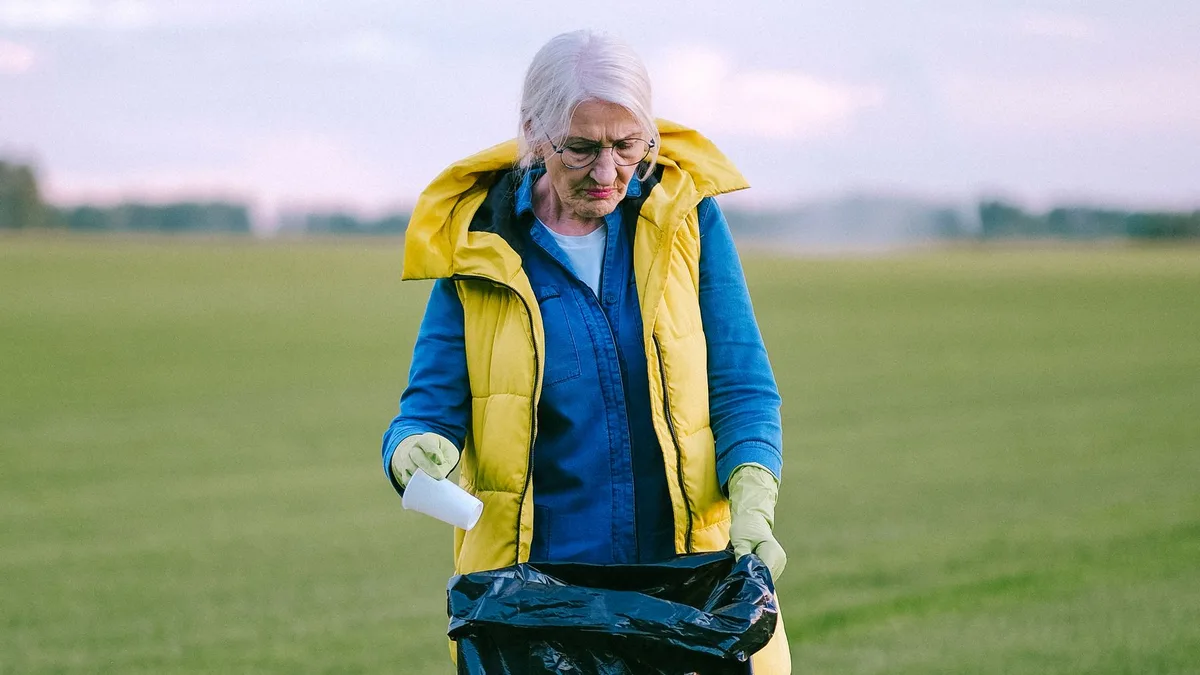
The good news is that the biggest risks are things retirees can change. A few practical steps can make a real difference.
Volunteering has some of the strongest evidence. A 2020 study of nearly 13,000 older adults found that those who volunteered at least 100 hours a year, or about two hours a week, had a 44% lower risk of dying over four years than those who didn’t volunteer.
That link held even after the researchers accounted for how healthy and social people were before. Volunteering gives people a reason to show up and a group of people who notice when they don’t.
Phased retirement is another option. Instead of stopping work all at once, some people cut back to part-time hours, take seasonal jobs or do consulting before leaving work entirely.
Easing into retirement can help people keep their routine and social contacts while they build new ones. It can also help with money, by stretching savings and delaying withdrawals.
| Step | Why It Helps | Easy Way to Start |
|---|---|---|
| Volunteer about 2 hours a week | Linked to lower death risk | Food banks, schools, hospitals, places of worship |
| Keep a weekly schedule | Replaces the structure of work | Set two fixed activities each week |
| Stay active | Protects heart, muscles and mood | Walking group or senior fitness class |
| Stay connected | Lowers isolation and loneliness | Call or meet a friend every week |
| Ease out of work | Keeps routine and social ties | Part-time or seasonal work |
| Get regular checkups | Catches problems early | Medicare’s yearly wellness visit |
The table shows that none of these steps is complicated. The challenge is making them part of a regular routine before old habits fade.
A Tale of Two Retirees
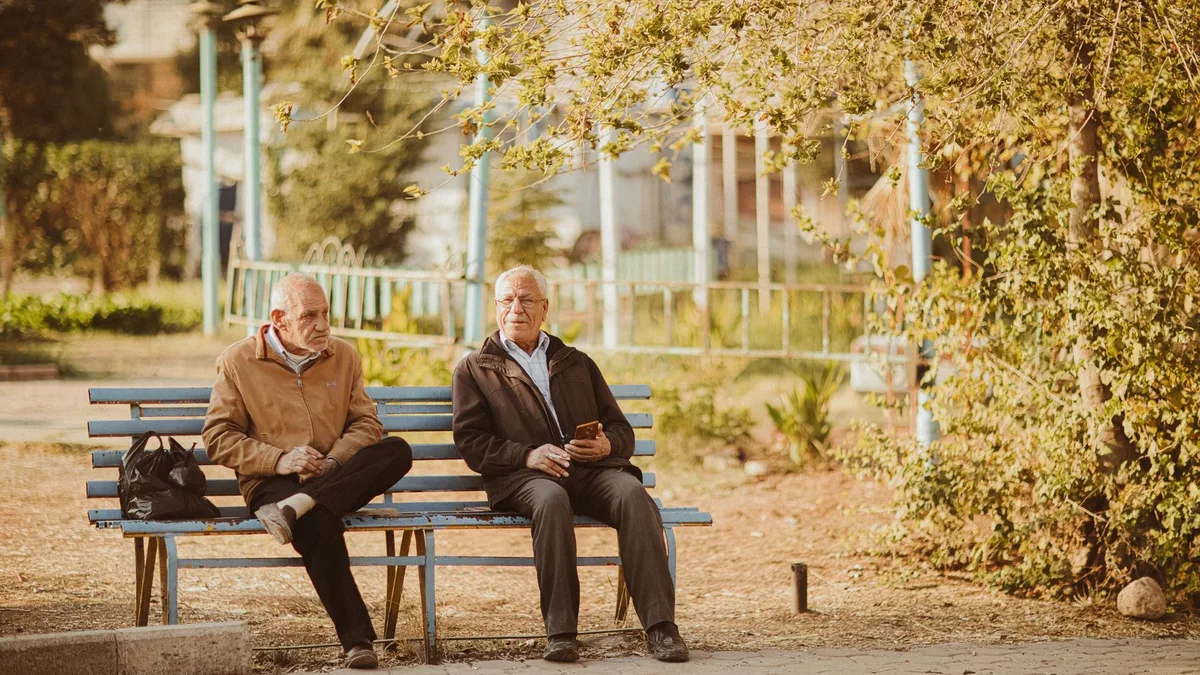
To see how these choices play out, picture two hypothetical retirees, Earl and Mike. Both are 65, in similar health and retire from the same factory on the same day.
Earl has no plans beyond rest. He watches TV most of the day, his old coworkers drift away, and within a year he’s stopped his walks and gained weight.
Mike planned ahead. He kept two shifts a week at a hardware store for the first year, joined a church volunteer team and started meeting friends for breakfast every Tuesday.
Five years later, Earl struggles with high blood pressure and low mood, and he rarely leaves the house. Mike is busy, active and connected, and his doctor says he’s in better shape than when he retired.
Neither outcome was caused by retiring itself. The difference came from what each man retired to, and whether he replaced what work used to provide.
Three Questions to Answer Before Your Last Day
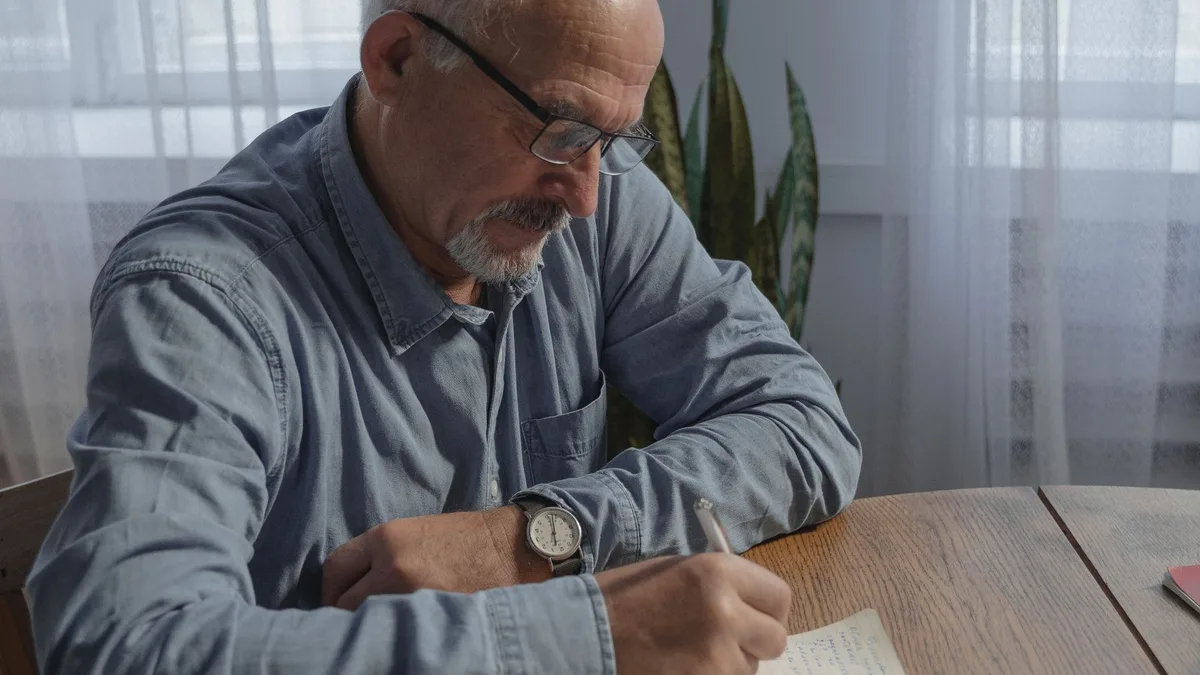
The best time to prepare is before you leave work. These three questions can help you plan a retirement that supports a long, healthy life.
If you can answer all three with specific plans, you’re in a strong position. If not, use your final working years to test activities, build friendships and form habits you can carry into retirement.
Money plays a part too. Knowing your income will hold up after the paychecks stop can lower stress, and stress has its own effects on health.
Retiring toward something, rather than simply away from a job, is the common thread. A plan for your days matters as much as a plan for your savings.
How Families and Friends Can Help
Retirees aren’t the only ones who can make a difference. Spouses, adult children and friends often notice changes before the retiree does.
Warning signs include pulling away from friends, sleeping much more or less than usual, drinking more, giving up favorite activities or seeming sad or irritable for weeks. Any of these can be a sign that the shift from work is harder than expected.
A gentle invitation often works better than advice. Asking a newly retired parent to join a weekly walk, help with a project or teach a grandchild a skill gives them a reason to show up without feeling pushed.
Regular contact matters too. A standing phone call, a Sunday dinner or a shared hobby can keep a retiree connected during the months when old work friendships fade.
If someone seems depressed or talks about feeling hopeless, encourage them to see a doctor. Depression is common after major life changes, and it can be treated at any age.
Frequently Asked Questions
Is it true that people die soon after retiring?
Not as a rule. Research hasn’t found a sudden rise in deaths caused by retiring itself. Some people die soon after retiring, but often because of health problems that began before they stopped working.
Does retiring early shorten your life?
Studies generally find that health before retirement matters far more than the age you retire. Retiring at 60 or 65 doesn’t by itself appear to shorten life for most people.
Was the Boeing retirement study real?
No. The claim that Boeing workers who retired at 65 died within about 18 months wasn’t a published study, and people familiar with the company’s pension data have said it doesn’t match its numbers.
What is the biggest health risk after retirement?
For many people, it’s losing social contact, purpose and activity. Isolation and loneliness are linked to a higher risk of early death, and habits such as smoking and inactivity can worsen without the structure of work.
What can I do to stay healthy after retiring?
Stay active, keep a weekly schedule, stay in touch with friends and consider volunteering. Studies link about two hours of volunteering a week to a lower risk of death in older adults.
Conclusion
Retiring doesn’t start a countdown. The stories everyone has heard are real, but they leave out the many people who retire and go on to live long, healthy lives.
The real risks come from what can disappear with work: friends, routine, purpose and movement. Those losses can be replaced, and doing so can protect both health and happiness.
If retirement is close, start planning how you’ll spend your days, not just your money. A retirement filled with people, activity and purpose is one of the best investments you can make in a longer life.