

Why do some people walk confidently at 85 while others feel limited in their 60s? Genes and luck play a part, but research shows that everyday habits shape much of how we age.
Ignoring those habits can be costly. Falls, chronic disease and memory loss don’t just affect health, they can drain savings through medical bills and long-term care that Medicare generally won’t cover.
The good news is that it’s rarely too late to start. Here are 12 habits for healthy aging, backed by research, that can help you stay strong, sharp and independent for years to come.
Why Small Habits Add Up to Big Results

Healthy aging rarely comes from one miracle food or expensive supplement. It usually comes from simple habits repeated over years, like walking, eating well, sleeping enough and staying connected.
Research supports this. A large Harvard study published in 2018 in Circulation found that women who followed five healthy habits at 50 could expect about 14 more years of life, and men about 12, compared with people who followed none.
The habits below build on that idea. Some come from the basics of good health, and others focus on the safety and money issues that matter most as we age.
| Key Figure | Amount (Source, Year) | Why It Matters |
|---|---|---|
| Extra life expectancy at 50 from 5 healthy habits | About 14 years for women, 12 for men (Circulation, 2018) | Habits matter more than many people think |
| Recommended activity for adults 65+ | 150 minutes a week plus 2 strength days (CDC) | Movement protects independence |
| Older adults who report a fall each year | More than 14 million, about 1 in 4 (CDC) | Strength and balance prevent injuries |
| Adults 60+ who report loneliness | 35% (AARP, 2025) | Connection is a health issue |
| Life expectancy lost by people who smoke | At least 10 years on average (CDC) | Quitting helps at any age |
These figures show that healthy aging is partly within your control. Each habit below takes small steps, not a total life overhaul.
1. Walk Most Days
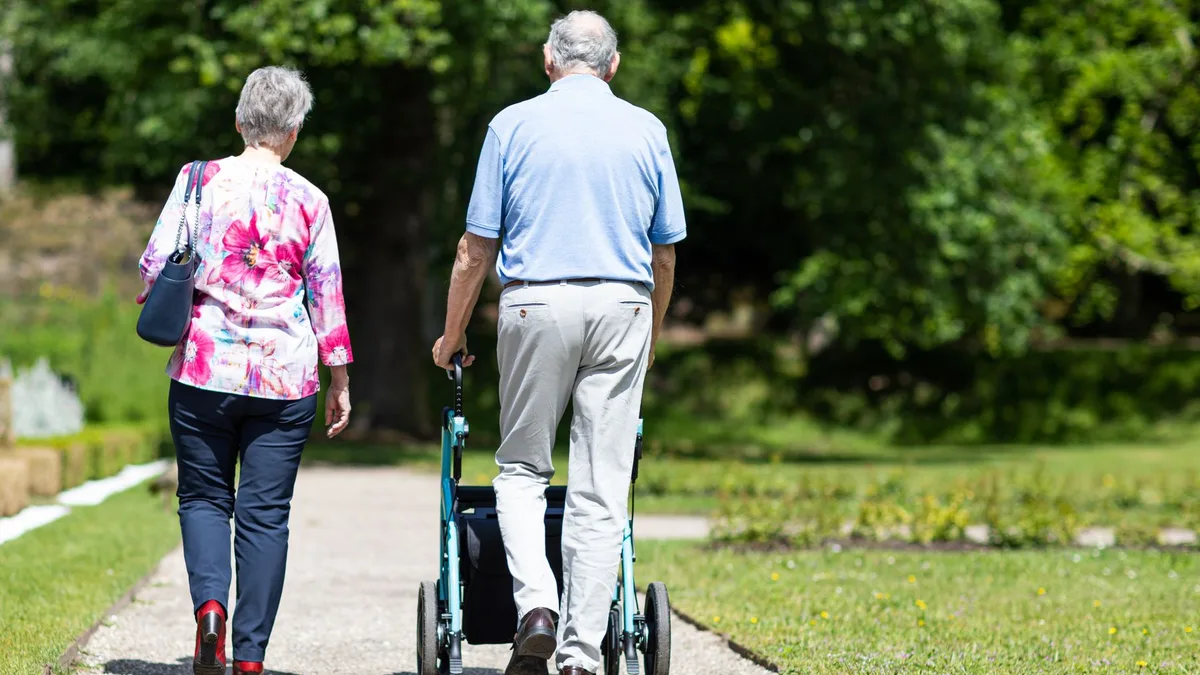
Walking may be the simplest health habit there is. It needs no gym, no special equipment and no athletic background, yet it supports your heart, lungs, blood sugar, weight and mood.
Regular walking helps your heart pump more efficiently and improves circulation. It also helps muscles use blood sugar, which can lower the risk of type 2 diabetes when combined with healthy eating.
You don’t need long walks to benefit. Start with five or 10 minutes and build up gradually, aiming for about 150 minutes of moderate activity a week, as the CDC recommends for adults 65 and older.
Walking with a friend, spouse or neighbor adds social benefits too. Conversations during a walk can strengthen relationships and help protect against loneliness.
Safety makes walking easier to keep up. Supportive shoes, well-lit routes and walking at the warmest part of the day in winter or the coolest in summer reduce the risk of falls and heat or cold stress.
2. Eat Colorful, Whole Foods With Enough Protein

A healthy diet gives your body the nutrients it needs to stay strong and alert. Vegetables, fruits, whole grains, beans, nuts and healthy fats like olive oil support heart and brain health.
Protein becomes especially important with age. Muscle mass naturally declines over time, and foods like fish, poultry, eggs, beans, lentils and dairy help your body maintain the muscle that keeps you moving.
Limiting highly processed foods, added sugar and excess salt also helps. You don’t need to give up every treat, but making healthier choices most of the time adds up.
Eating well can save money too. Cooking simple meals at home with beans, frozen vegetables and whole grains is often cheaper than takeout, and many communities offer nutrition programs for older adults.
Appetite often shrinks with age, which can make it harder to get enough nutrients. Smaller, more frequent meals and nutrient-rich snacks like yogurt, nuts and fruit can help.
3. Keep Your Brain Active

The brain benefits from challenges just like muscles do. Reading, puzzles, learning a language, playing music or picking up a new hobby can all help keep your mind engaged.
Variety matters. Trying something new, rather than repeating the same easy task, pushes your brain to build new connections.
Social activities also exercise the brain. Conversations, games like chess or cards, book clubs and classes combine mental challenge with connection, which may make them especially valuable.
Many of these activities are free or low cost. Libraries, senior centers and community colleges often offer classes, lectures and clubs for older adults.
Protecting the brain also means managing blood pressure, blood sugar and hearing. Many of the same habits that protect the heart, like exercise, a healthy diet and not smoking, are good for brain health too.
4. Build Strength Twice a Week

Strength training isn’t just for younger people. As we age, muscle loss can make everyday tasks like climbing stairs, carrying groceries or getting up from a chair much harder.
The CDC recommends muscle-strengthening activities at least two days a week for adults 65 and older. Resistance bands, light weights and bodyweight exercises like sit-to-stands and wall push-ups all count.
Stronger muscles also protect against falls. They support your joints, improve balance and help you catch yourself if you stumble.
If you’re new to strength training, start slowly. A physical therapist or a class designed for older adults can help you learn safe techniques, and many Medicare Advantage plans include fitness programs at no extra cost.
Consistency matters more than intensity. Two short sessions a week, done for months, will usually do more for your strength than an ambitious program you abandon after a few weeks.
5. Stay Socially Connected
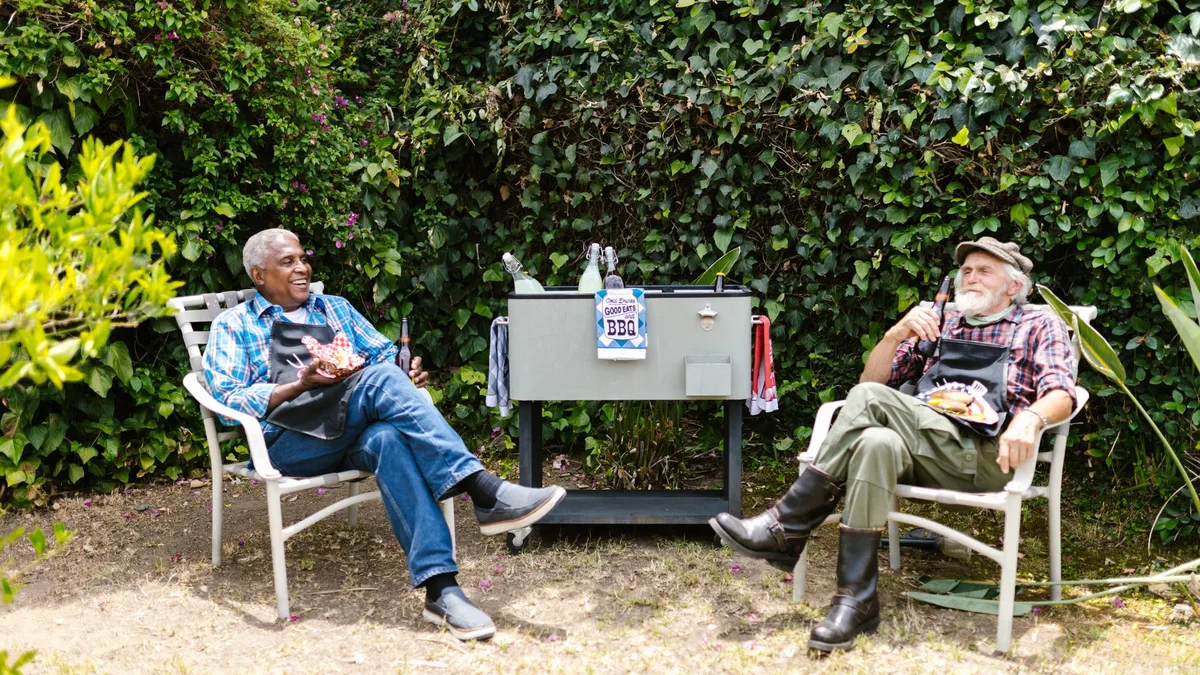
Strong relationships are one of the best predictors of healthy aging. People who stay connected tend to feel happier and may stay healthier.
Loneliness is common later in life. According to AARP’s 2025 research, 35% of adults 60 and older reported feeling lonely, and a 2020 report from the National Academies of Sciences, Engineering, and Medicine linked social isolation to higher risks of dementia, heart disease and early death.
Connection doesn’t require a large social circle. A weekly phone call, a regular coffee with a friend, a faith community, a volunteer role or a class at a senior center can make a real difference.
If your circle has shrunk, start small. Reach out to one person this week, or call the Eldercare Locator at 1-800-677-1116 to find local groups and activities.
Pets can help too. Caring for a dog or cat adds routine and companionship, and dog owners often walk more and meet neighbors along the way.
6. Make Sleep a Priority

Good sleep supports memory, mood, immunity and heart health. Yet many older adults find it harder to fall asleep or stay asleep.
Most adults need at least seven hours of sleep a night, according to the CDC. A steady routine helps, such as going to bed and waking up at the same time every day, even on weekends.
Limit caffeine in the afternoon, keep your bedroom cool and dark, and avoid long late-day naps. Gentle activity during the day can also make it easier to sleep at night.
Talk with your doctor if sleep problems continue. Sleep apnea, pain, frequent nighttime urination and some medications can disrupt sleep, and many of these issues are treatable.
Screens can affect sleep too. Turning off the TV and phone an hour before bed, and keeping the bedroom for sleep, helps signal to your body that it’s time to rest.
7. Don’t Smoke, and Drink Less

Smoking remains one of the most harmful habits for aging bodies. The CDC reports that people who smoke tend to live at least 10 years less than people who don’t, and quitting lowers the risk of early death even later in life.
Free help is available. The national quitline at 1-800-QUIT-NOW connects you with your state’s program, and Medicare covers counseling to help you quit.
Alcohol deserves a closer look too. The CDC notes that drinking less is better for health than drinking more, and alcohol can interact with many medications older adults take.
Staying hydrated matters as well. Older adults may feel less thirsty, so drinking water regularly through the day helps support energy, digestion and clear thinking.
8. Keep Up With Preventive Care and Vaccines

Regular checkups catch problems early, when they’re easier to treat. Medicare Part B covers a yearly Annual Wellness Visit, generally at no cost if your provider accepts assignment, along with many screenings.
Use that visit to review medications, discuss falls, check memory and plan screenings like blood pressure, cholesterol and cancer tests. Bring a list of questions and every medication you take.
Vaccines are an important part of prevention. The CDC recommends several vaccines for older adults, including flu, COVID-19, shingles, pneumococcal and RSV vaccines for many people, and since 2023 Medicare Part D has covered recommended adult vaccines at no cost to you.
| Preventive Step | Who It’s For | Typical Medicare Coverage |
|---|---|---|
| Annual Wellness Visit | People with Part B | Generally no cost if provider accepts assignment |
| Flu vaccine | Most adults, every year | Covered under Part B |
| Shingles vaccine | Adults 50+ | Covered at no cost under Part D |
| Pneumococcal vaccine | Adults 50+ per current CDC guidance | Covered under Part B |
| RSV vaccine | Adults 75+ and some 50 to 74 at higher risk | Covered at no cost under Part D |
Vaccine recommendations can change, so ask your doctor or pharmacist which ones you need. Staying up to date can prevent serious illnesses that are especially dangerous for older adults.
Keeping a simple health record also helps. A list of your vaccines, medications, conditions and doctors makes appointments smoother and is valuable in an emergency.
9. Protect Your Hearing and Vision

Hearing and vision affect safety, independence and social life. Struggling to hear conversations or see clearly can lead people to withdraw from activities they enjoy.
Hearing loss is very common with age. The National Institute on Deafness and Other Communication Disorders reports that about 22% of people 65 to 74 and 55% of people 75 and older have disabling hearing loss.
Regular eye and hearing checks help catch problems early. Since 2022, the FDA has allowed over-the-counter hearing aids for adults with mild to moderate hearing loss, which can cost far less than prescription models.
Original Medicare doesn’t cover hearing aids or routine eye exams for glasses. Some Medicare Advantage plans offer these benefits, so compare plans if hearing and vision care are important to you.
10. Fall-Proof Your Home and Practice Balance
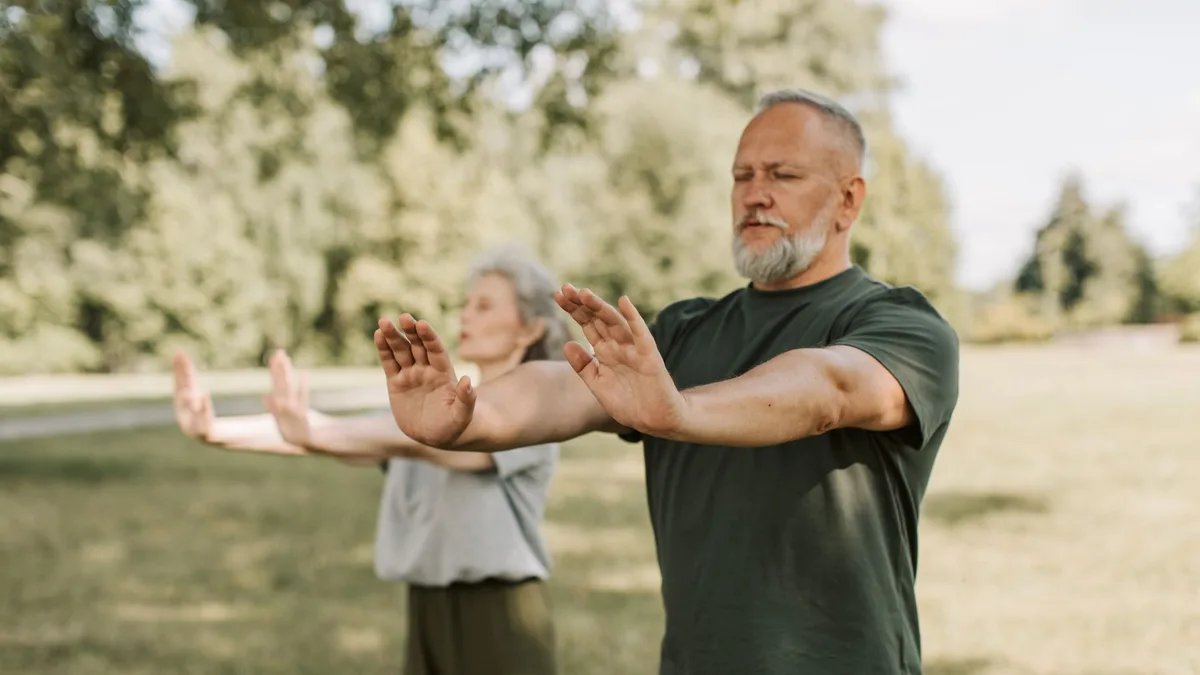
Falls are the leading cause of injury for adults 65 and older. The CDC reports that more than 14 million older adults, about 1 in 4, report a fall each year.
Balance exercises help. Tai chi, standing on one foot while holding a counter and heel-to-toe walking all train your balance, and many senior centers offer classes like A Matter of Balance.
Simple home changes reduce risk too. Add grab bars in the bathroom, improve lighting, remove loose rugs, install handrails on both sides of stairs and keep everyday items within easy reach.
A fall can be costly as well as dangerous. A broken hip often leads to surgery, rehab and sometimes long-term care, so prevention protects both your health and your savings.
Night-lights between the bedroom and bathroom are one of the easiest fixes. Many falls happen during nighttime bathroom trips, when people are sleepy and the house is dark.
11. Find a Sense of Purpose

Having a reason to get up in the morning matters at every age. Purpose can come from family, work, volunteering, faith, creative projects or helping others.
Many people lose a sense of purpose after retirement, when work no longer structures their days. Planning meaningful activities in advance can make that transition easier.
Research on older adults has linked a strong sense of purpose with better well-being and healthier habits. Even if the exact effects vary from person to person, having goals tends to keep people more active and engaged.
Volunteering is a powerful option. It adds purpose, routine and social connection, and many organizations welcome the skills and experience older adults bring.
Hobbies count too. Woodworking, gardening, painting, writing or learning an instrument can give you goals to work toward and something to look forward to.
Purpose doesn’t have to be grand. Caring for a garden, helping a neighbor, mentoring a younger person or keeping a family history project going can all give your days meaning.
12. Keep Your Money Organized and Plan for Care

Financial stress can affect health, sleep and relationships. Keeping your finances organized helps you feel more secure and in control as you age.
Start with the basics. Know your monthly income and expenses, keep an emergency fund, set up automatic bill payments and review your accounts regularly for errors or fraud.
Plan for future care costs too. Medicare generally doesn’t cover long-term custodial care, such as help with bathing and dressing at home or in a nursing home, so many families face large bills they didn’t expect.
Legal documents round out the plan. A durable financial power of attorney, a health care proxy and an advance directive let trusted people step in if needed, following your wishes.
Watch for scams as well. The FBI’s Internet Crime Complaint Center reported about $4.9 billion in losses from people 60 and older in 2024, so pausing before any unusual payment and checking with someone you trust is a habit worth building.
| Habit | Quick First Step | Main Benefit |
|---|---|---|
| Walk most days | 10-minute walk after dinner | Heart, mood and blood sugar |
| Eat well | Add one vegetable to each meal | Energy and muscle support |
| Strength training | Two short sessions a week | Independence and fall prevention |
| Sleep | Set a regular bedtime | Memory and mood |
| Preventive care | Book your Annual Wellness Visit | Catch problems early |
| Money plan | Review monthly income and costs | Less stress, more security |
The table turns the list into a starting plan. Pick one or two habits from it and begin this week, then add more as each one becomes routine.
How to Make a New Habit Stick
Knowing what to do is easier than doing it consistently. The most successful habits tend to start small and attach to something you already do.
For example, take a short walk right after breakfast, do a few sit-to-stands while the coffee brews or call a friend every Sunday afternoon. Linking a new habit to an existing routine makes it easier to remember.
Tracking progress also helps. A simple calendar where you mark each day you walk or exercise can be surprisingly motivating, and seeing a streak grow encourages you to keep going.
Involving others adds accountability. A walking partner, an exercise class or a family member who checks in can make it harder to skip and more fun to show up.
Common Excuses and How to Get Past Them
“I’m too old to start” is one of the most common reasons people give, but research shows benefits from exercise, better sleep and social connection at nearly any age. Even people in their 80s and 90s can gain strength with the right program.
“I don’t have time” often fades in retirement, but busy schedules can still crowd out healthy habits. Short sessions count, and 10 minutes of activity a few times a day adds up.
“It costs too much” isn’t usually true. Walking, bodyweight exercises, home cooking, library classes and many community programs are free or low cost, and Medicare covers many preventive services.
Start Today, Even With One Small Step
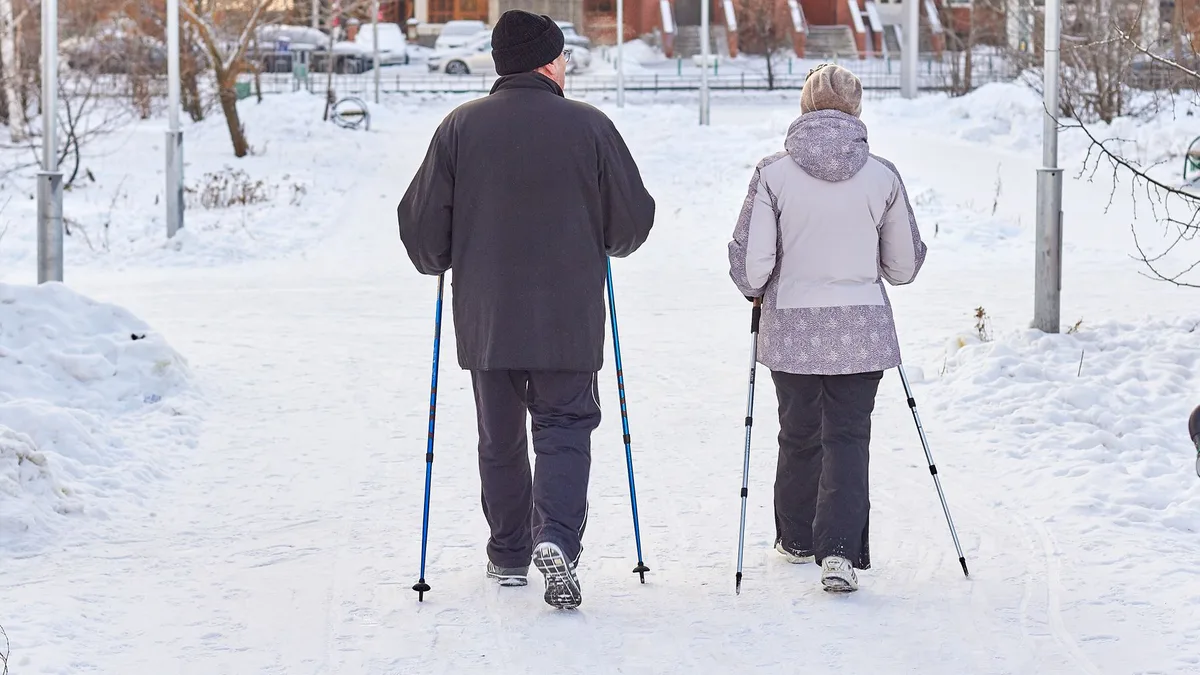
Healthy aging isn’t about perfection. It’s about small, steady habits that add up over months and years.
You don’t need to change everything at once. Choose one habit, like a daily walk or booking your Annual Wellness Visit, and stick with it until it feels natural.
The habits for healthy aging in this list can help you stay active, connected and independent longer. Starting today, at any age, is one of the best investments you can make in your future.
Note: This article provides general educational information, not individualized medical or financial advice. Talk with your doctor before starting a new exercise program, and check current Medicare coverage with Medicare or a qualified professional.