
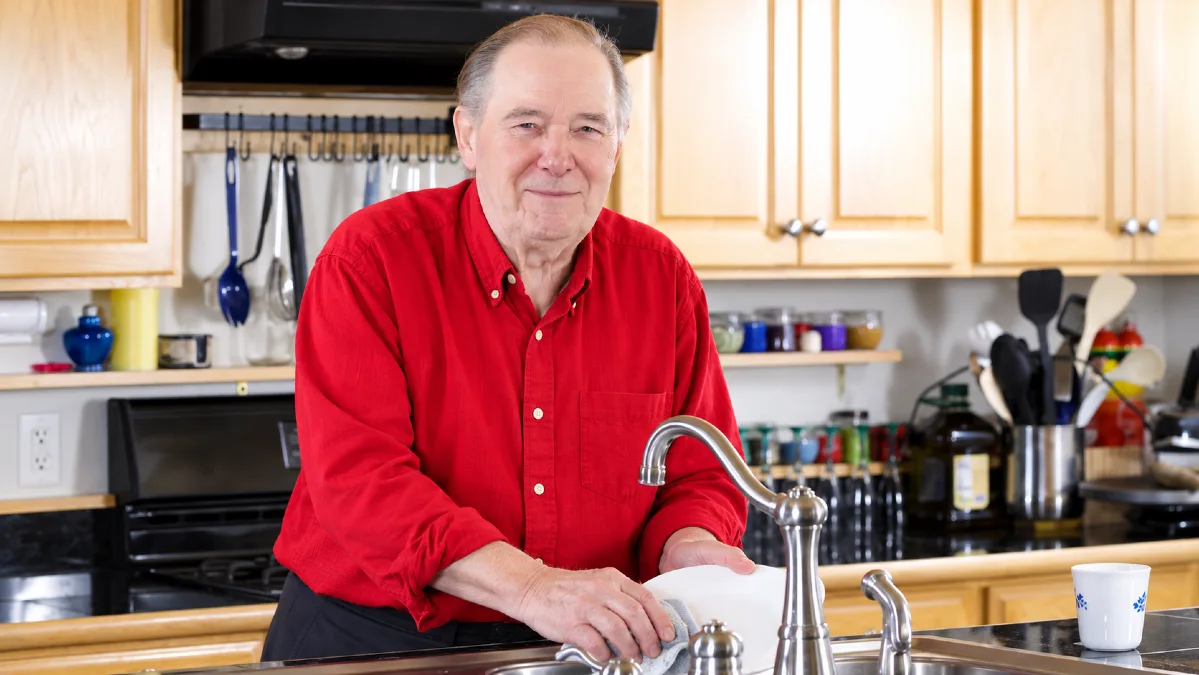
A familiar home can hold decades of memories, but the same stairs, rugs, and dark hallways may become harder to manage over time. Small hazards go unnoticed until a daily task feels risky.
That can leave older adults facing a choice they never wanted: accept more help or give up living where they feel most comfortable.
Fortunately, safer aging at home does not mean giving up privacy, routines, or control. A few smart changes can make everyday life easier while keeping decisions in your hands. These 11 steps show where to start, what to buy, and when help makes sense.
1. Walk Through Your Home and Look for Problems Before They Cause Trouble

One of the simplest ways to make aging at home safer is to look at familiar rooms with fresh eyes. A house that worked perfectly at 50 may need a few changes at 70 or 80, especially if balance, eyesight, or mobility has changed.
Start with the places used most often. Walk from the bedroom to the bathroom, from the kitchen to the living room, and from the front door to the driveway.
Pay attention to anything that makes movement harder. Loose rugs, electrical cords, narrow furniture spaces, uneven flooring, and poorly placed tables can turn ordinary movement into an unnecessary risk.
The Centers for Disease Control and Prevention reported in September 2026 that more than one in four adults age 65 and older falls each year in the United States. Many fall risks can be reduced through changes to the home, physical activity, and medical care.
A practical starting point: Check the house during daylight and again after dark. A hallway that seems safe during the afternoon may look completely different when someone gets up to use the bathroom at midnight.
It also helps to inspect the areas outside the home. Cracked sidewalks, uneven driveway surfaces, slippery steps, and poorly lit entrances deserve the same attention as indoor hazards.
The goal is not to remove everything that makes a house feel personal. It is to keep the furniture, photographs, and favorite belongings while clearing the paths that make daily life easier.
A safety check should become a regular habit rather than a one time project. Revisit the rooms after an illness, a fall, a change in mobility, or a major furniture rearrangement.
2. Improve Lighting So Moving Around Feels Easier
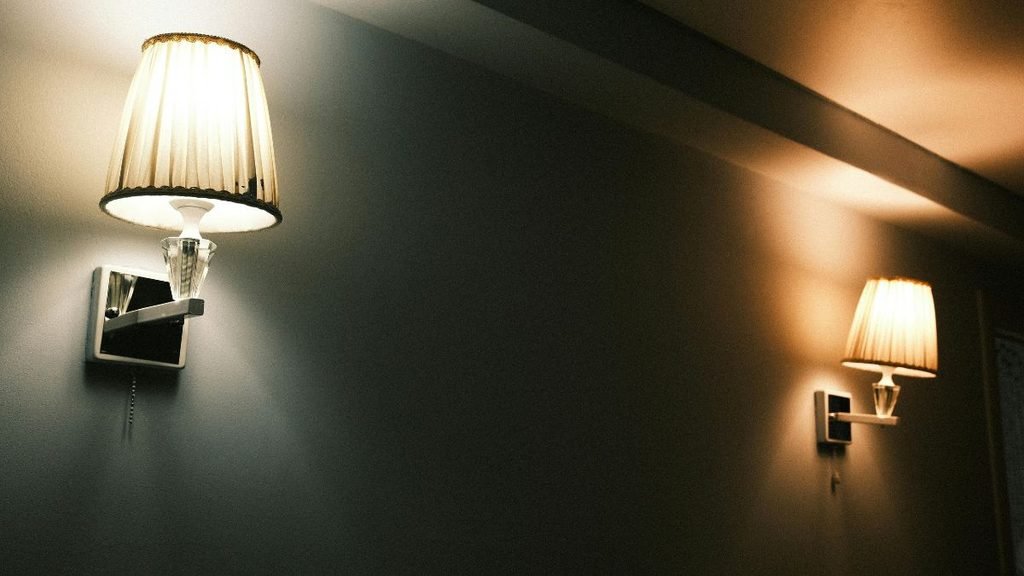
Poor lighting can make ordinary household tasks more difficult than they need to be. Reading medicine labels, finding a light switch, using stairs, and walking through a dark hallway all become easier when the right areas are bright enough.
Start with the route between the bedroom and bathroom. This is especially useful because many people get up during the night when they may still feel sleepy or unsteady.
Motion activated nightlights can provide gentle lighting without requiring someone to search for a switch. Plug in models may be enough for a hallway, while battery powered lights can help in areas without convenient outlets.
Focus on usable light, not just brighter bulbs. A very bright light that creates glare can make it harder to see certain surfaces, especially for someone with vision problems.
Use lampshades, suitable bulbs, and well placed lighting to reduce harsh reflections. Make sure the edges of steps and changes in floor level remain easy to see.
The kitchen also deserves attention. Under cabinet lighting can make it easier to prepare meals, read recipes, and see sharp utensils without shadows covering the counter.
The following table shows where better lighting can make everyday activities easier.
| Area | Common problem | Practical improvement |
|---|---|---|
| Bedroom | Difficulty seeing at night | Bedside lamp within reach |
| Hallway | Dark walking path | Motion activated nightlights |
| Staircase | Hard to see step edges | Lighting at both ends |
| Kitchen | Shadows over counters | Task lighting |
| Front entrance | Poor visibility after sunset | Weatherproof entry lighting |
Many of these changes can be made without major remodeling. The best lighting setup is one that works automatically or can be controlled without stretching, bending, or crossing a dark room.
For people with reduced vision, a low vision specialist or occupational therapist may recommend additional changes. Lighting needs vary, so brighter is not always better for everyone.
3. Make the Bathroom Safer Without Giving Up Privacy

Bathrooms deserve special attention because water, smooth surfaces, and frequent changes in body position can increase the chance of slipping. Getting into a bathtub or rising from a toilet may also become harder when strength or balance changes.
One of the most useful improvements is installing properly secured grab bars. They can provide support near the toilet, inside the shower, and at the entrance to a bathtub.
A towel rack is not a substitute for a grab bar. Grab bars need suitable placement and secure installation into an appropriate supporting structure so they can handle the required load.
Nonslip surfaces are another practical improvement. A well secured bath mat outside the shower and an appropriate nonslip surface inside it can help reduce slipping.
Avoid loose bathroom rugs that slide across the floor. Water should also be cleaned up promptly, especially around the sink, toilet, and shower entrance.
For someone who finds standing through an entire shower tiring, a properly fitted shower chair may make bathing more comfortable. A handheld showerhead can also reduce the need to twist or reach.
These changes do not mean a person has lost the ability to bathe independently. They can make it possible to complete the same routine with less physical strain.
A raised toilet seat or toilet safety frame may help some people, but the right choice depends on height, balance, and physical needs. An occupational therapist can help assess transfers and recommend equipment that fits the bathroom.
Privacy should remain part of every decision. Older adults should be able to choose which changes they want, where equipment goes, and whether assistance is needed.
A bathroom does not have to look like a medical facility to be safer. Many modern grab bars, shower seats, and fixtures blend into an ordinary residential design.
4. Make Stairs and Entrances Easier to Use Every Day
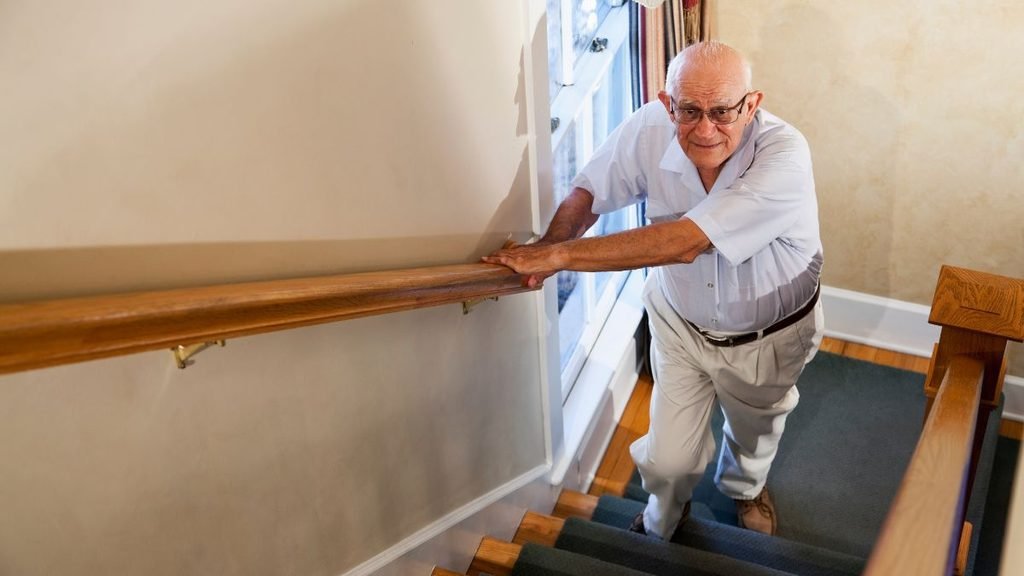
Stairs can become a major concern for people who want to remain in a longtime home. Even a short set of steps may be difficult when carrying groceries, dealing with knee pain, or moving through poor weather.
Start by examining the handrails. They should be securely attached, easy to grip, and available on both sides of the stairs where possible.
Loose steps, damaged carpeting, and uneven surfaces should be repaired. Stairways should also remain clear of shoes, boxes, plants, and anything else that can block the walking path.
Many older homes have entrances with several steps and no nearby handrail. Installing sturdy rails or improving the walking surface can make coming and going more comfortable.
Outdoor conditions matter as well. Rain, snow, leaves, and ice can make entryways slippery, so regular maintenance is part of a safe aging at home plan.
For someone who uses a walker or wheelchair, an accessible entrance or properly designed ramp may be necessary. A qualified professional should assess the slope, landing, handrails, drainage, and local building requirements.
Not every staircase requires expensive remodeling. The best solution depends on the person’s physical needs and the condition of the home.
| Home problem | Smaller improvement | When larger work may help |
|---|---|---|
| Loose handrail | Secure or replace railing | Rebuild damaged stair sections |
| Dark staircase | Add lighting | Improve step visibility and layout |
| Slippery entrance | Repair surface and add traction | Rebuild uneven entry |
| Difficult front steps | Install suitable handrails | Add an accessible ramp |
| Hard to use upstairs rooms | Move essential activities downstairs | Consider major access changes |
Some households may benefit from moving the main bedroom to the first floor. Others might need a different bathroom arrangement or professional advice about using stairs safely.
These decisions should be made early enough to allow planning. Waiting until the stairs become extremely difficult can leave fewer comfortable choices.
5. Keep Everyday Essentials Where They Are Easy to Reach
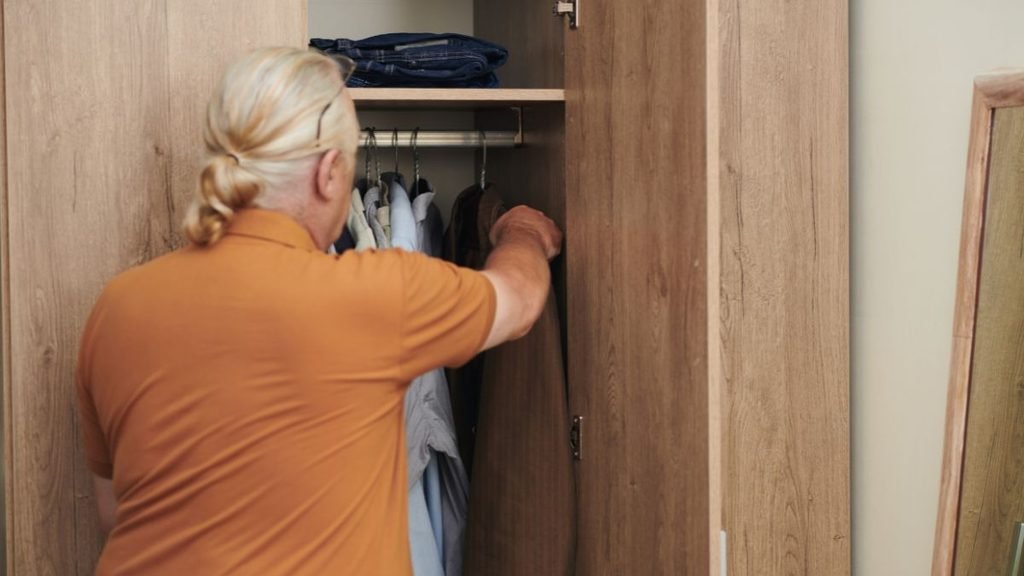
A safer home is not always about installing new equipment. Sometimes the biggest improvement comes from changing where ordinary household items are stored.
Think about how often someone reaches for dishes, medication, clothing, cleaning supplies, or laundry baskets. Repeated bending, stretching, and climbing can make these tasks more difficult than necessary.
Frequently used dishes and cooking supplies belong on easy to reach shelves. Heavy pots should not require climbing onto a chair or lifting them down from overhead storage.
The same principle applies to bedroom closets. Everyday clothes, shoes, and personal items should be accessible without reaching high above shoulder level or bending too far.
Avoid using chairs or unstable step stools to reach household items. If something is too high, move it or arrange for help rather than taking an unnecessary risk.
Furniture placement also makes a difference. Leave enough clear space around beds, chairs, and tables for comfortable movement, especially if a cane or walker is used.
A sturdy chair with supportive arms may make sitting down and standing up easier for some people. Chairs that slide, rock unexpectedly, or sit too low can create problems.
In the bedroom, keep a phone, glasses, lamp, and other essentials near the bed. Make sure the bed height allows the feet to reach the floor comfortably when sitting on the edge.
Laundry is another area worth reviewing. Carrying heavy baskets up or down stairs can become tiring, even for someone who otherwise moves around the home easily.
Smaller loads, a laundry cart used on level surfaces, or a different laundry setup may reduce the effort involved. The aim is to keep everyday chores manageable without requiring help for every little task.
Small changes in storage can also reduce frustration. When a person can find and reach what they need, daily routines become easier to maintain.
6. Make the Kitchen Safer While Keeping the Joy of Cooking
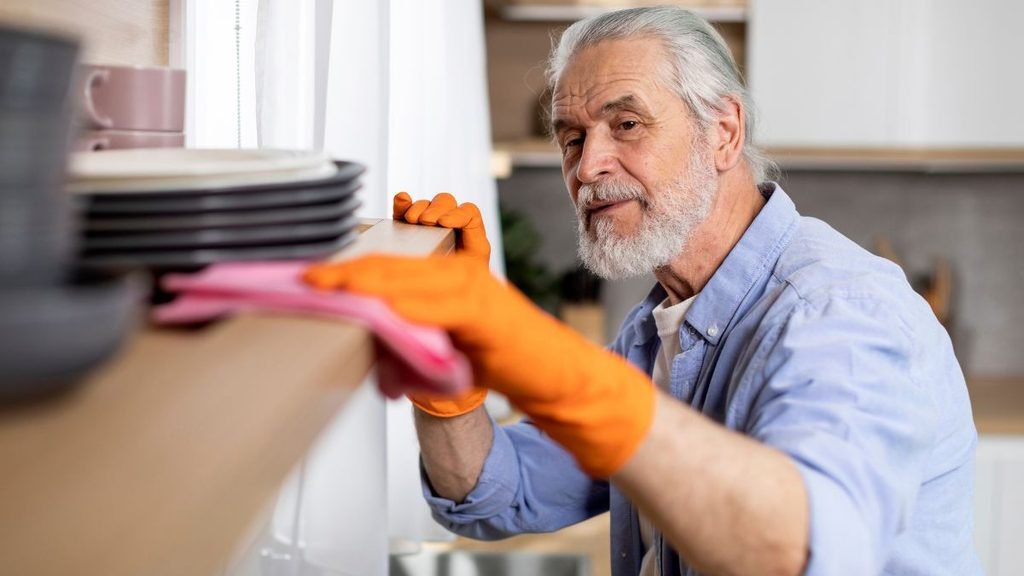
Cooking is a meaningful part of independent living for many older adults. Preparing favorite meals, using familiar recipes, and sharing food with visitors can provide both pleasure and a sense of control.
A safer kitchen should support those activities rather than remove them. The first step is organizing the space so everyday cooking requires less carrying, stretching, and unnecessary movement.
Keep frequently used ingredients, pans, and utensils in convenient locations. Heavy cookware should be stored where it can be lifted comfortably without reaching overhead.
Good lighting matters around the stove, sink, and food preparation areas. Spills should be cleaned quickly so water or cooking oil does not create a slippery floor.
Consider whether cooking equipment is easy to operate. Clear controls, readable settings, stable cookware, and automatic shutoff features may make cooking more manageable.
The U.S. Fire Administration recommends using a timer as a reminder when cooking. A timer can be especially helpful when someone leaves the kitchen while food is heating.
Keep combustible items away from burners and other heat sources. Towels, paper products, packaging, and loose clothing should not come into contact with hot cooking surfaces.
People who use mobility aids may benefit from changes to counter height or kitchen layout. An occupational therapist can help identify ways to reduce awkward movements without making the kitchen harder to use.
Meal preparation can also be simplified. Preparing ingredients while seated, dividing cooking into shorter steps, or using lighter cookware may help reduce fatigue.
For days when cooking feels difficult, having a few easy meals available is useful. A backup meal plan can reduce pressure without taking away the pleasure of cooking on better days.
The kitchen should remain a place where older adults can make their own choices. The safest setup is often the one that makes familiar activities easier.
7. Check Smoke Alarms, Carbon Monoxide Detectors, and Emergency Exits
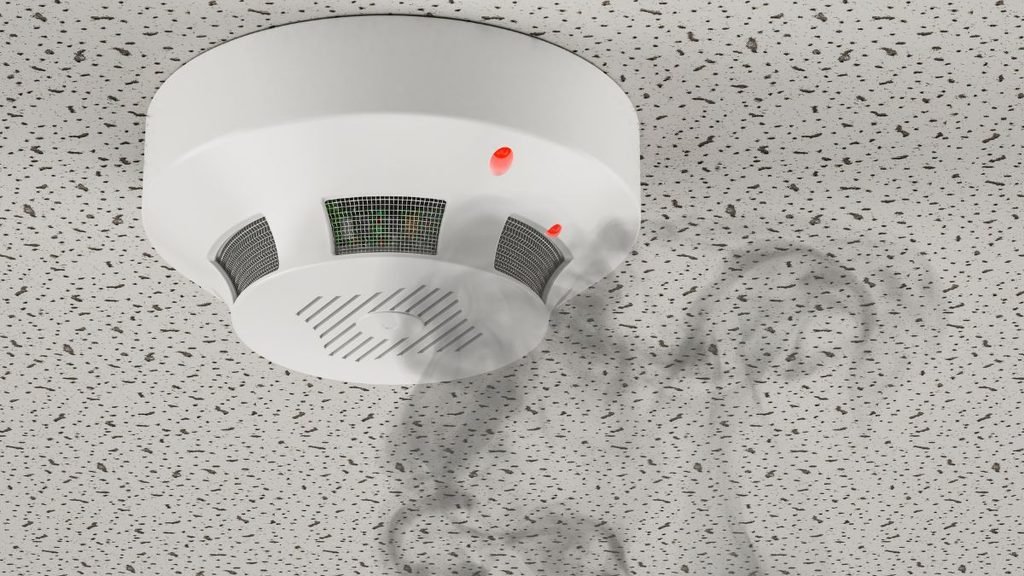
Fall prevention receives much of the attention in aging at home discussions, but fire and carbon monoxide safety deserve equal planning. These hazards can affect any household, regardless of age or physical ability.
Start with smoke alarms. The U.S. Fire Administration recommends alarms inside bedrooms, outside sleeping areas, and on every level of the home.
Smoke alarms should be tested monthly and generally replaced 10 years after their manufacture date. Follow the manufacturer’s instructions for batteries, testing, and replacement.
For someone with hearing loss, an ordinary audible alarm may not provide enough warning. Specialized systems can use flashing lights, vibration, or bed shakers.
Carbon monoxide detectors are also important, particularly in homes with fuel burning appliances. Carbon monoxide cannot be seen or smelled, so a working detector can provide a warning that people cannot detect on their own.
Install detectors according to the manufacturer’s instructions and local requirements. Battery powered or battery backup units can remain useful during certain power outages.
If a portable generator is used, it must remain outside and at least 20 feet from doors, windows, and vents. A garage is not a safe location for a running generator, even with the garage door open.
An emergency exit plan should match the person’s actual abilities. Someone who uses a walker, wheelchair, or other mobility aid may need a different plan from someone who can move quickly.
Identify available escape routes, keep exits clear, and practice what to do if a fire occurs. Consider how to reach glasses, mobility equipment, and a phone if an emergency begins at night.
If leaving the home requires assistance, discuss a suitable plan with the local fire department or building manager. This planning should happen before an emergency, not during one.
A working alarm and a practical escape plan support independent living. They provide protection without changing how someone spends an ordinary day.
8. Keep Emergency Help Available Without Feeling Constantly Monitored

One concern about aging at home is what might happen during an emergency when nobody else is nearby. This is especially relevant for people who live alone or spend long periods of the day by themselves.
The solution does not have to involve constant supervision. A simple communication plan can make help available while preserving privacy.
Start with a reliable phone that is charged and easy to reach. Keeping it nearby is more useful than leaving it on a charger in another room all day.
A bedside phone, emergency contact list, and familiar emergency calling features are good starting points. It also helps to know how to call 911 without having to search for instructions.
For some people, a wearable medical alert system may offer additional reassurance. These devices can allow a person to request help, although features and coverage vary by provider.
Some devices advertise automatic fall detection. However, no device should be assumed to identify every fall or function perfectly in every location.
The National Institute on Aging explains that medical alert services may involve setup fees and monthly charges. Original Medicare generally does not cover these systems, although some other plans or assistance programs may offer benefits.
Before subscribing, consider where the device works and whether it needs cellular service, home internet, or a landline. Battery life, waterproofing, and how alerts reach responders also matter.
| Emergency option | Main benefit | Important limitation |
|---|---|---|
| Cellphone | Direct calling and messaging | Must be nearby and charged |
| Smartwatch | Wearable calling and alerts | Needs compatible service or connection |
| Medical alert device | Dedicated emergency assistance | May have monthly fees |
| Daily check in | Personal connection | Depends on people being available |
| Trusted neighbor | Nearby practical support | Needs an agreed emergency plan |
A trusted person may also hold a spare key or know how emergency responders can enter the home. Access should be arranged with the resident’s consent and kept secure.
The person living in the home should choose how much contact feels comfortable. A short daily message may be enough for one person, while another might prefer a phone call a few times each week.
The purpose is to reduce the time it takes to obtain help when something goes wrong. It is not to make older adults feel that every movement needs to be watched.
9. Protect Balance, Vision, and Strength Along With the Home

Even a well designed home cannot remove every risk of falling. Physical strength, balance, eyesight, footwear, and medication effects also influence how safely someone moves.
The CDC recommends activities that improve strength and balance, including suitable exercises such as tai chi. Regular movement can help older adults maintain the physical ability needed for everyday tasks.
Walking, standing from a chair, and other manageable activities may help preserve mobility. The right routine depends on health, ability, and any guidance from a medical professional.
Avoid assuming that reduced activity is always the safest choice. Becoming less active can lead to further weakness, which may make ordinary movement harder over time.
Vision deserves attention too. The CDC advises older adults to have their eyes checked regularly, with annual eye examinations commonly recommended for fall prevention.
Changes in eyesight can affect depth perception and the ability to notice objects on the floor. Updated glasses and suitable lighting may make everyday movement easier.
Medication reviews are another useful step. Some prescription and nonprescription medicines can cause sleepiness, dizziness, or changes in balance.
Ask a doctor or pharmacist to review all medicines, including supplements and over the counter products. Do not stop or change prescribed medication without medical guidance.
Footwear matters inside the home as well as outdoors. Well fitting shoes with appropriate grip may provide better support than loose slippers or walking in socks on slippery floors.
If someone has already fallen, feels unusually dizzy, or notices new trouble walking, a medical assessment is appropriate. A physical therapist may also help assess strength, balance, and mobility.
Health note: These suggestions are general information and do not replace personal medical advice. Exercise, mobility equipment, and medication decisions should reflect individual health needs.
10. Build a Support System That Helps Without Taking Over
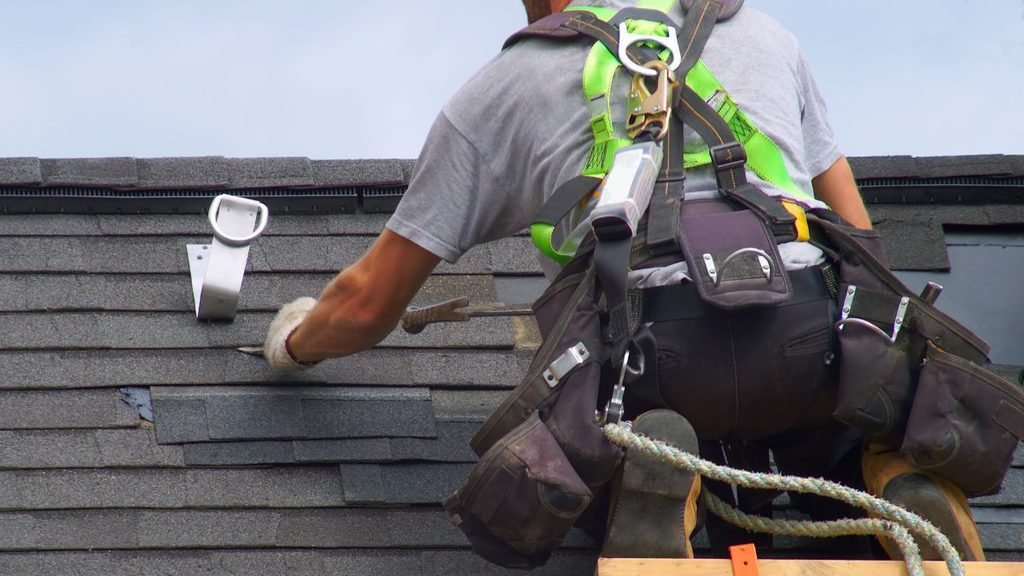
Remaining independent does not mean handling every household task without assistance. Almost everyone depends on others at times, whether for transportation, home repairs, errands, or a difficult job around the house.
The important difference is who makes the decisions. Support should help older adults continue doing what matters to them rather than replace their choices unnecessarily.
Begin by identifying which tasks remain easy and which have become tiring or difficult. Someone may enjoy cooking and shopping but prefer help with heavy cleaning, roof maintenance, or yard work.
A little assistance with physically demanding jobs may make it easier to continue managing everything else. It can also free up time and energy for activities that bring enjoyment.
Family members are one possible source of support, but they are not the only option. Friends, neighbors, community organizations, paid helpers, and local aging services may provide practical assistance.
For U.S. residents, the Eldercare Locator connects people with local services. The national service can be reached at 1-800-677-1116.
Local programs may help with transportation, meals, home repairs, social activities, or information about care services. Availability, eligibility, and costs differ by community.
Transportation is particularly important because a safe home is only one part of independent living. Being able to attend appointments, visit friends, shop, and participate in community life also matters.
Some older adults may want scheduled help with groceries or household maintenance. Others may benefit from regular social visits or transportation to events they enjoy.
A useful approach is to ask for help with a task, not hand over control of an entire routine. Someone can arrange grocery delivery without giving up meal planning or hire a cleaner without losing control of the household.
Social connection is another form of support. Regular conversations and community activities may help someone feel more connected while creating opportunities to notice when extra assistance is needed.
The goal is to create a system that allows people to remain active participants in their own lives. Good support makes independence more sustainable.
11. Spend Money on the Right Home Improvements and Review Them Regularly

Making a home safer does not require an expensive renovation all at once. Many useful improvements are small, while others deserve professional planning and a realistic budget.
Start with problems that pose an immediate risk. Loose handrails, broken steps, poor lighting, and dangerous bathroom surfaces should generally come before cosmetic improvements.
Next, consider changes that make daily life less tiring. Better storage, accessible fixtures, and improved entryways may reduce physical strain even when there has never been a serious accident.
Not every home needs the same upgrades. A person living in a one story house may have different priorities from someone living in an older house with several staircases.
The following table offers a practical order for planning improvements.
| Priority | Example improvement | Suggested action |
|---|---|---|
| Immediate | Broken steps or loose railings | Arrange repair promptly |
| High | Slippery shower or poor lighting | Correct soon |
| Medium | Hard to reach storage | Reorganize household items |
| Planned | Ramp or bathroom renovation | Assess needs and estimates |
| Ongoing | Alarms and household maintenance | Check regularly |
Before hiring someone for major work, compare written estimates and check the contractor’s qualifications. The Federal Trade Commission also recommends being cautious about unsolicited repair offers and requests for large upfront payments.
Home improvement costs differ greatly by location, property condition, materials, and the work involved. A simple repair may be affordable, while structural changes can require a larger financial commitment.
Some communities offer home repair or accessibility assistance for eligible residents. The Administration for Community Living’s Home Modification Information Network, updated in September 2026, provides information about programs and resources that can be searched by ZIP code.
Local housing agencies, Area Agencies on Aging, and community organizations may also know about assistance. Funding is not guaranteed, and eligibility requirements vary.
Homeowners should also check how planned work affects insurance, permits, and maintenance needs. For major renovations, professional advice may help prevent costly mistakes.
Think about what the home needs now and what may be useful later. Installing a grab bar or improving an entrance before it becomes urgently necessary can make future changes less stressful.
It is equally important to review the home after any change in health or mobility. A layout that works well today may need another adjustment several years from now.
Older adults should remain involved in decisions about spending, design, and home care. A safer home should still feel like their home.