
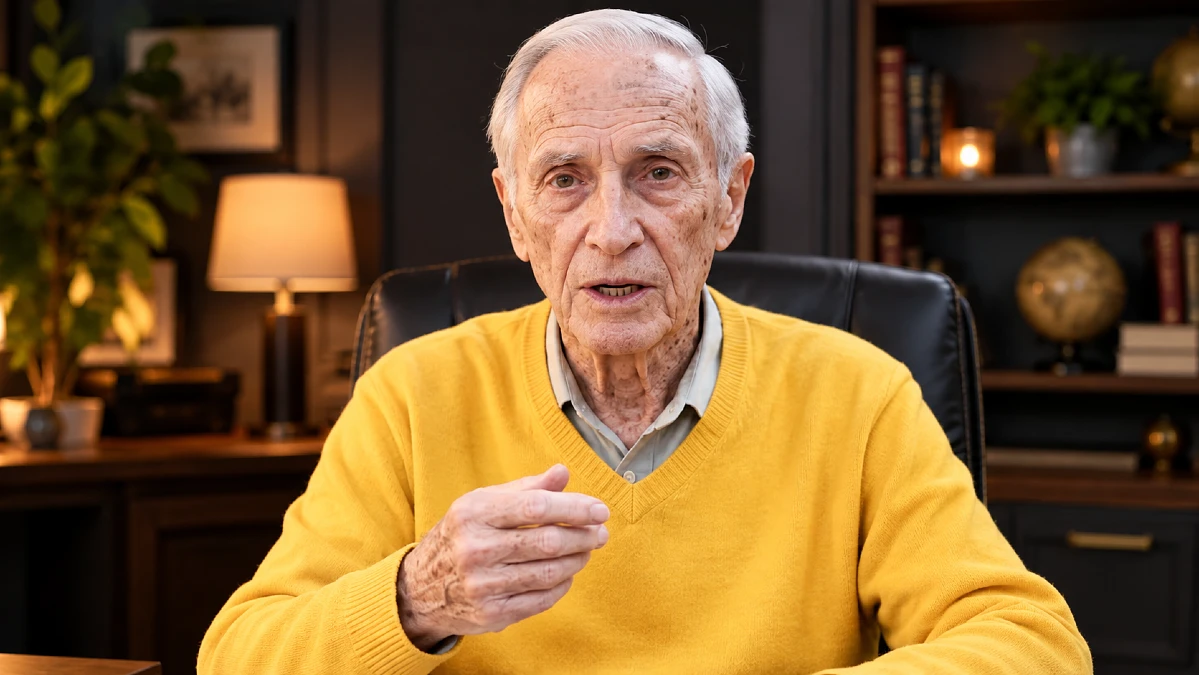
Living alone after 70 can feel peaceful during the day and painfully quiet at night. The television plays, the house stays clean, and the hours pass without anyone asking how you are doing. Sometimes, the hardest part is realizing that nobody would notice if you spent an entire day without speaking.
Retirement, losing a spouse, declining health, and friends moving away can make that silence harder to bear. Even people who once enjoyed being alone may begin to miss ordinary conversations and shared meals. What used to feel like freedom can slowly begin to feel like isolation.
But living alone does not have to mean living a lonely life. Small changes in your daily habits, relationships, and surroundings can help restore connection and purpose.
Why Living Alone After 70 Can Feel So Different

Living alone at 45 is often a choice filled with freedom and opportunity. At 70 or 80, it may come after losing a spouse, retiring from work, or watching close friends become less available. The house may look exactly the same, but the life happening inside it feels very different.
One of the biggest changes is the loss of everyday human contact. For decades, marriage, children, work, and social obligations created conversations without much effort. When those connections disappear, even a simple exchange at the grocery store can become the highlight of someone’s day.
There is also an important difference between being alone and feeling lonely. Some older adults enjoy living independently and maintain strong relationships outside their homes. Others have relatives nearby but still feel emotionally disconnected because their conversations rarely go beyond basic questions.
The goal is not to fill every hour with people. It is to build enough meaningful connection that being alone feels like a choice rather than something life has forced upon you.
1. Give Yourself One Conversation to Look Forward to Every Day

Loneliness often becomes worse when days pass without a meaningful conversation. You may speak to a cashier or answer a phone call about an appointment, but those brief exchanges rarely replace talking with someone who knows you. Having one personal conversation to expect each day can make the hours feel less empty.
Start by choosing a few people you genuinely enjoy speaking with. Perhaps Monday is for calling an old friend, Wednesday is for chatting with a sibling, and Friday is for catching up with a neighbor. The conversations do not need to last an hour to make a difference.
Make it easier: Set a regular time to call someone rather than waiting until loneliness becomes overwhelming. If daily conversations are difficult to arrange, begin with three dependable contacts each week and build from there.
A familiar voice can become an important part of your routine. Over time, those small moments create a sense that someone is still sharing the ordinary details of your life.
2. Build a Weekly Routine That Gets You Out of the House

One of retirement’s hidden challenges is having too much unplanned time. When there is no workplace to visit or family schedule to follow, Monday can feel almost identical to Saturday. Without anything planned, it becomes easier to stay home for several days.
A simple weekly routine gives each day a little direction. Tuesday might mean visiting the library, Thursday could involve a walking group, and Sunday might include a community gathering. These activities create natural opportunities to see familiar faces.
You do not need an expensive social club or a packed calendar. Even one regular activity outside your home can create a sense of belonging when the same people begin recognizing you.
| Day | Simple Activity | Why It Helps |
|---|---|---|
| Monday | Call a friend or relative | Maintains personal relationships |
| Tuesday | Visit a library or community center | Creates casual social contact |
| Wednesday | Take a short walk with a neighbor | Combines movement and conversation |
| Thursday | Attend a hobby or interest group | Builds friendships around shared interests |
| Friday | Invite someone for coffee | Creates personal connection |
| Saturday | Visit a market or local event | Adds variety to the week |
| Sunday | Attend a community gathering or family meal | Creates a familiar social tradition |
This schedule is only an example, not a requirement. Start with two activities that feel realistic for your health, budget, and transportation options.
3. Stop Waiting for Other People to Make the First Move

One painful part of growing older is noticing that fewer people call without being asked. Adult children become busy with work and families, while friends deal with health problems or their own responsibilities. It is easy to interpret the silence as proof that nobody cares.
But sometimes people simply assume you are doing fine because you have always been independent. They may not realize how much you would enjoy a phone call or an invitation to lunch. Waiting for them to notice can leave you feeling forgotten.
Instead, try making a clear invitation. Ask a friend whether they would like to have coffee next Tuesday, or tell your daughter that a regular Sunday phone call would mean a great deal to you. Specific plans are often easier for people to accept than vague promises to get together sometime.
Remember this: Reaching out first does not make you needy or desperate. It shows that you value the relationship enough to keep it alive, especially during a stage of life when friendships need more attention.
Of course, relationships should not become entirely one sided. If someone repeatedly ignores your efforts, it may be healthier to put more energy into people who show genuine interest in staying connected.
4. Find One Place Where People Begin to Recognize You

Feeling known is one of the most comforting parts of human connection. There is something reassuring about walking into a familiar place and hearing someone greet you warmly. You do not need a large circle of friends to experience that feeling.
Consider visiting the same library, community center, coffee shop, place of worship, or neighborhood gathering on a regular basis. Familiarity grows through repeated contact, even when the first few visits involve little conversation. Eventually, people begin remembering your name, your interests, and your usual routine.
This is especially helpful if you have recently moved or lost a spouse. Making close friends immediately can feel difficult, but becoming a familiar face is a much smaller first step.
Try choosing one affordable place you can visit each week. Give yourself several visits before deciding whether it is right for you, because friendships usually develop through repeated encounters rather than one perfect conversation.
5. Build a Chosen Family When Relatives Are Far Away
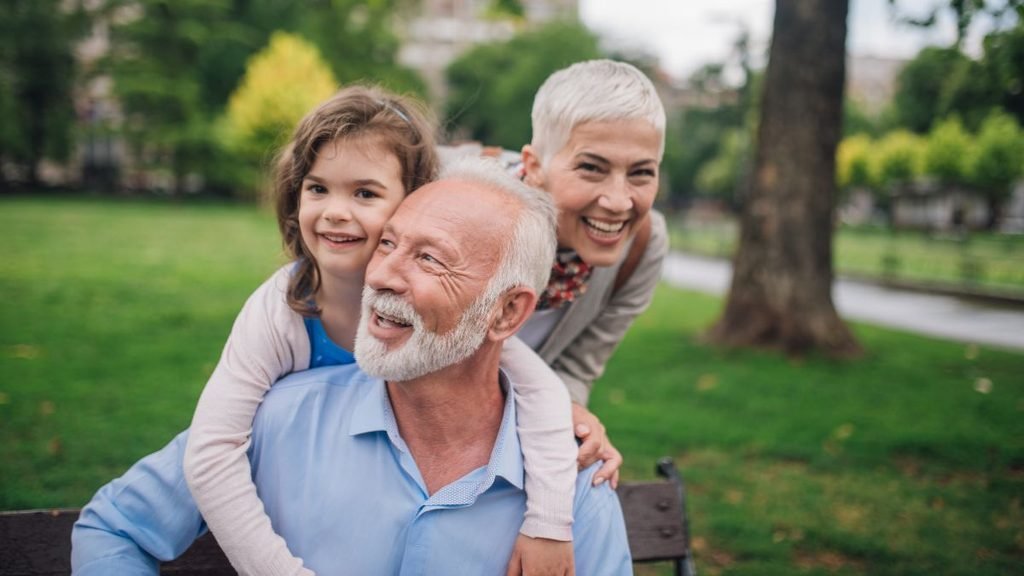
Many older adults assume that having children or grandchildren should protect them from loneliness. Unfortunately, family relationships do not always provide the emotional support people expect. Some relatives live hundreds of miles away, while others may have complicated relationships or limited time.
This is why building a chosen family can be so valuable after 70. A trusted neighbor, longtime friend, former coworker, or fellow volunteer may become someone who genuinely cares about your daily life. These relationships can provide belonging without depending entirely on biological family.
A chosen family does not need to include dozens of people. Two or three dependable relationships may offer more comfort than a large group of relatives who rarely make contact.
What matters most is having someone who notices your absence, listens when you are upset, and shares your good news. That kind of connection can grow at almost any age.
It also helps to form friendships with people from different generations. Younger neighbors, community volunteers, and people who share your interests can bring fresh conversations into your life while benefiting from your experience.
6. Use Technology to Make Distant Relationships Feel Closer

Technology can be frustrating when you did not grow up using smartphones and video calls. However, learning a few simple features can make it easier to stay connected with people who live far away. You do not need to become comfortable with every new application.
Start with something practical, such as making a video call or sending a voice message. Seeing a grandchild’s face or hearing an old friend’s laughter can make a conversation feel more personal than reading a short text. Sharing photographs can also provide something enjoyable to discuss.
If using a smartphone feels difficult, ask someone patient to show you one feature at a time. Write down the steps in a notebook so you can repeat them without needing help every time.
The important point is to use technology as a bridge to real relationships. Spending hours scrolling through other people’s photographs may leave you feeling more disconnected, especially when it replaces direct conversations.
A useful habit: Choose one person each week and send a personal message about something you both care about. A thoughtful question often creates a better conversation than a simple greeting.
7. Keep Moving So Your World Does Not Slowly Shrink
Physical limitations can make loneliness harder to escape. When walking becomes painful, driving is no longer possible, or leaving the house feels exhausting, social activities may gradually disappear. Before long, staying home can become the default.
Regular movement can help preserve the ability to participate in daily life. A short walk, gentle strength exercises, or an activity suited to your physical condition may make everyday tasks easier. Movement can also improve mood and create opportunities to meet others.
For adults 65 and older, general CDC guidance recommends aerobic activity, muscle strengthening, and balance exercises. However, the right amount depends on your health and abilities, and even smaller amounts of suitable activity can be worthwhile.
If you have mobility problems, consider activities that do not require long walks. Chair exercise classes, accessible community programs, and activities close to home can provide social contact without demanding more than your body can comfortably manage.
Transportation matters just as much as exercise. Community rides, senior transportation services, and help from trusted friends may allow you to maintain a social life even after you stop driving.
The aim is to protect your ability to participate in life, not to prove how physically fit you are.
8. Give Yourself a Role That Makes You Feel Needed Again

Retirement can remove something people rarely think about until it is gone: the feeling of being needed. For years, others depended on you to complete tasks, solve problems, or provide support. When those responsibilities end, you may begin questioning your place in the world.
Having a meaningful role can help replace that missing sense of purpose. It could involve volunteering at a food pantry, helping with a community garden, mentoring someone, or checking in on another older adult. Even a small responsibility can give your week more meaning.
You do not need to work for free every day or take on commitments that strain your health. The best role is one that matches your energy, interests, and abilities while allowing you to contribute something valuable.
Consider the skills you developed throughout your life. Someone who worked in an office might help a community group organize records, while a former teacher could support a local reading program.
Purpose becomes especially powerful when it connects you with other people. Instead of simply finding something to pass the time, you find a reason to show up and someone who is pleased to see you.
9. Turn a Private Hobby Into a Shared Experience
Hobbies can make living alone more enjoyable, but some activities are even more rewarding when shared. Gardening, reading, cooking, painting, and woodworking can all create opportunities for conversation. A common interest gives people something natural to talk about.
If you love books, consider joining a reading group rather than reading every novel alone. If gardening makes you happy, a community garden or plant exchange may introduce you to neighbors with similar interests. Cooking can become more social when you occasionally share a meal or recipe with someone.
There is no need to give up the quiet pleasures you enjoy. The goal is to connect one activity you already love with people who appreciate the same things.
| If You Enjoy… | Try This Social Version | Low Cost Starting Point |
|---|---|---|
| Reading | Join a book discussion | Public library |
| Gardening | Participate in a plant exchange | Neighborhood group |
| Cooking | Share a simple lunch or recipe | Invite one friend |
| Walking | Find a regular walking partner | Nearby neighbor |
| Crafts | Attend a group workshop | Community center |
| Music | Join a singing group | Local community organization |
| Learning | Take a group class | Library or senior program |
One benefit of interest based friendships is that conversation feels less forced. You already have something in common, which makes it easier to develop a connection at a comfortable pace.
10. Make Your Home Feel Like a Place for Living, Not Just Waiting

After losing a spouse or spending years alone, some older adults stop making changes to their homes. The furniture stays in the same place, unused rooms remain closed, and the house becomes a reminder of how life used to be. Familiar surroundings can provide comfort, but they can also deepen sadness when every room feels tied to the past.
Small changes can help your home feel more welcoming. Open the curtains each morning, create a comfortable reading corner, display photographs that bring happy memories, or arrange a pleasant space where a visitor can sit. These details can make ordinary days feel less empty.
It may also help to make your home easier for people to visit. Keep an extra chair near the kitchen table, offer simple refreshments, or suggest a regular afternoon when a friend can stop by. You do not need to prepare an elaborate meal to be a good host.
For some people, caring for a pet brings companionship and daily structure. However, a pet requires money, energy, and long term responsibility, so it is important to consider whether that commitment suits your circumstances.
A welcoming home should also be safe and easy to move around in. Good lighting, clear walkways, and practical seating can help you remain comfortable while hosting visitors or managing everyday activities.
11. Allow Yourself to Grieve the People and Life You Have Lost
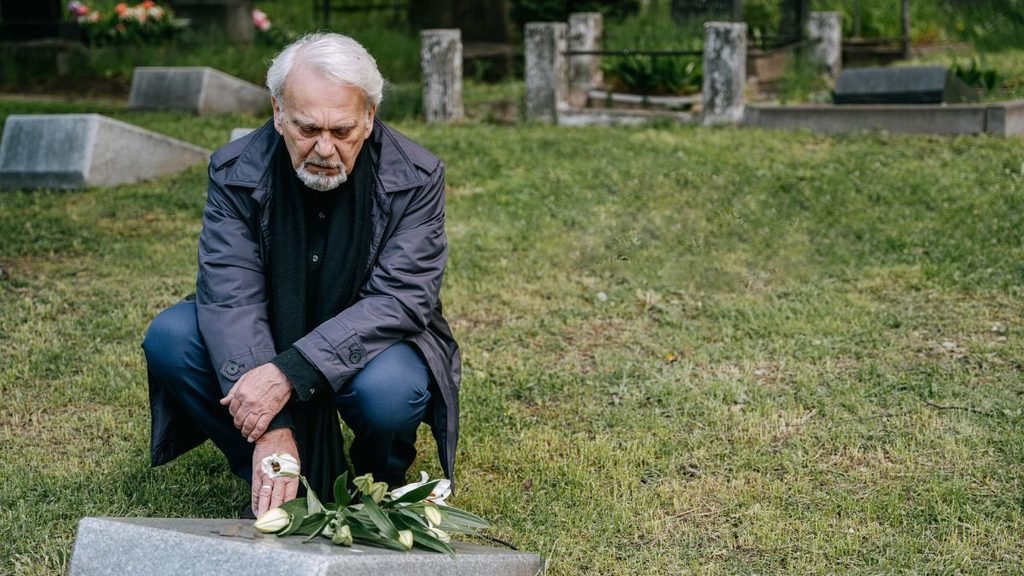
Sometimes loneliness after 70 is not caused by a lack of people around you. It comes from missing one particular person who understood your habits, memories, and personality better than anyone else. No amount of social activity can completely replace a spouse or lifelong friend.
Grief can also involve losing the life you once knew. Retirement may take away professional friendships, declining health may limit favorite activities, and moving away from a familiar neighborhood can weaken long standing connections. These changes deserve attention rather than being dismissed as a normal part of aging.
You do not have to pretend that everything is fine simply because other people expect you to be strong. Talking with a trusted friend, counselor, or grief support group can help you express feelings that may be difficult to carry alone.
It is also possible to miss someone deeply while making room for new relationships. Building friendships does not mean forgetting the people you loved or replacing the memories you shared.
Grief and happiness can exist together. You may still have difficult evenings while finding genuine pleasure in a friend’s visit, a favorite activity, or a new tradition.
12. Ask for Support Before Loneliness Becomes Overwhelming
Everyone experiences lonely days, but ongoing loneliness deserves attention. When isolation begins affecting your sleep, appetite, motivation, or interest in daily life, it may be time to seek additional support. These changes can sometimes accompany depression, grief, or other health problems.
Start by telling someone you trust how you have been feeling. You might say that evenings have become difficult or that you have noticed yourself withdrawing from activities. Clear communication gives people a better chance to offer useful support.
If the feelings persist, consider speaking with a healthcare professional or mental health counselor. Support groups and community services may also help you rebuild connection at a pace that feels manageable.
| What You May Be Experiencing | A Helpful First Step |
|---|---|
| Several days without meaningful conversation | Arrange a regular call or social visit |
| Avoiding activities you once enjoyed | Invite someone to attend with you |
| Difficulty leaving home | Ask about transportation or accessible activities |
| Feeling forgotten by relatives | Explain what kind of contact would help |
| Persistent sadness or loss of interest | Speak with a healthcare professional |
| Grief that makes daily life difficult | Consider grief counseling or a support group |
| Fear of becoming ill while alone | Create a dependable check in and emergency plan |
Having an emergency plan can also reduce some of the anxiety associated with living alone. Keep important phone numbers accessible, identify someone who can check on you, and consider a medical alert system if your health or mobility makes it useful.
Getting help does not mean surrendering your independence. In many cases, the right support allows you to remain in your own home while feeling safer and more connected.
Why Small Connections Often Matter More Than a Busy Social Calendar
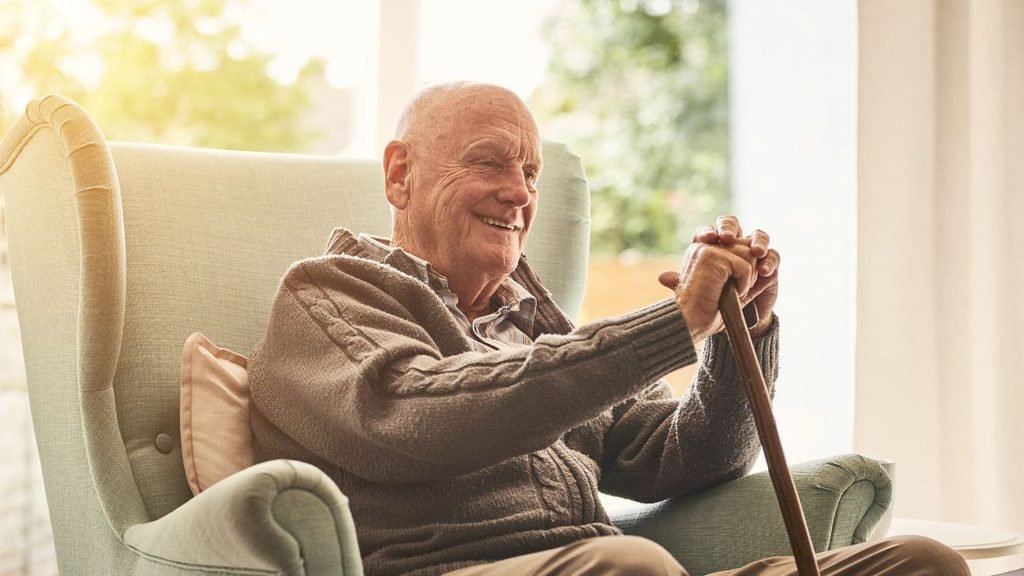
There is a common belief that solving loneliness means finding more people to spend time with. But a crowded calendar does not guarantee emotional connection. Someone can attend several activities each week and still feel lonely if none of those relationships offers genuine friendship.
What often matters more is having a few people who know your story. They remember your birthday, ask about your health, laugh at familiar jokes, and notice when you have been unusually quiet. Those small signs of care can make a powerful difference.
The same principle applies to family relationships. A short but thoughtful conversation with an adult child may feel more meaningful than a long visit where everyone is distracted. Quality and consistency often matter more than the number of contacts.
Rather than measuring your social life by how many activities you attend, ask whether you feel known, valued, and comfortable with the people around you. That is a more useful way to judge whether your relationships are meeting your emotional needs.
A Simple 30 Day Plan to Feel Less Alone
Trying to rebuild your social life all at once can feel overwhelming, especially after years of living quietly. A gradual approach gives you time to form habits without turning connection into another stressful obligation. Start with actions that fit your personality and circumstances.
| Week | Main Goal | Practical Action |
|---|---|---|
| Week 1 | Reconnect | Call two people you have missed and arrange one follow up conversation |
| Week 2 | Leave the house | Visit one community space or attend one accessible group activity |
| Week 3 | Build purpose | Try a hobby group, volunteer opportunity, or shared project |
| Week 4 | Create consistency | Choose two social activities to repeat each week |
At the end of the month, consider which experiences made you feel most comfortable and connected. Perhaps weekly coffee helped more than attending a large gathering, or a phone call with an old friend felt better than meeting several new people. Use those observations to build a routine that works for you.
A month cannot erase years of grief or isolation. However, it can help you identify a few reliable sources of companionship that make everyday life feel more rewarding.
What Living Alone After 70 Should Never Mean
Living alone should never mean that you have stopped mattering to the people around you. Your value does not depend on whether you are married, how often your children visit, or how many invitations arrive each month. A quieter life can still be filled with warmth, friendship, and meaningful experiences.
It is also important to remember that independence and connection are not opposites. You can enjoy your own space, make your own decisions, and still welcome companionship into your life. Needing people is part of being human, regardless of age.
Some days will remain difficult, especially when you miss someone who is no longer there. But loneliness does not have to define every year that follows.