
Dating after 70 can feel exciting, awkward, and downright confusing. You may have spent decades with one person, only to find yourself sitting across from a stranger, wondering whether you still know how to flirt. The rules seem different, and the fear of getting hurt can feel surprisingly familiar.
But growing older does not mean the need for love, affection, or companionship disappears. People who return to dating later in life often discover that some things become easier with age, while others get more complicated.
These 13 honest lessons reveal what matters, what can go wrong, and why finding someone special after 70 is still possible.
1. Being Lonely Does Not Always Mean You Are Ready for a Relationship

Loneliness can become especially difficult after losing a spouse, living alone for years, or watching old friendships fade. When someone offers attention, it can feel wonderful simply to have another person interested in your day. But wanting company and being ready for a relationship are two different things.
Some older daters discover that they accepted the wrong person because they were tired of eating dinner alone. They overlooked habits that bothered them, ignored warning signs, or agreed to things they did not want. The relationship filled empty hours but created new problems.
The important lesson is that companionship should improve your life, not become an escape from loneliness. Friendships, hobbies, family connections, and community activities can provide emotional support while you decide what kind of romantic relationship you actually want.
Before accepting a new relationship, ask whether you genuinely enjoy the person or simply enjoy having someone around. That small distinction can prevent months of disappointment and unnecessary emotional pain.
2. First Dates Can Feel Just as Awkward at 70 as They Did at 20
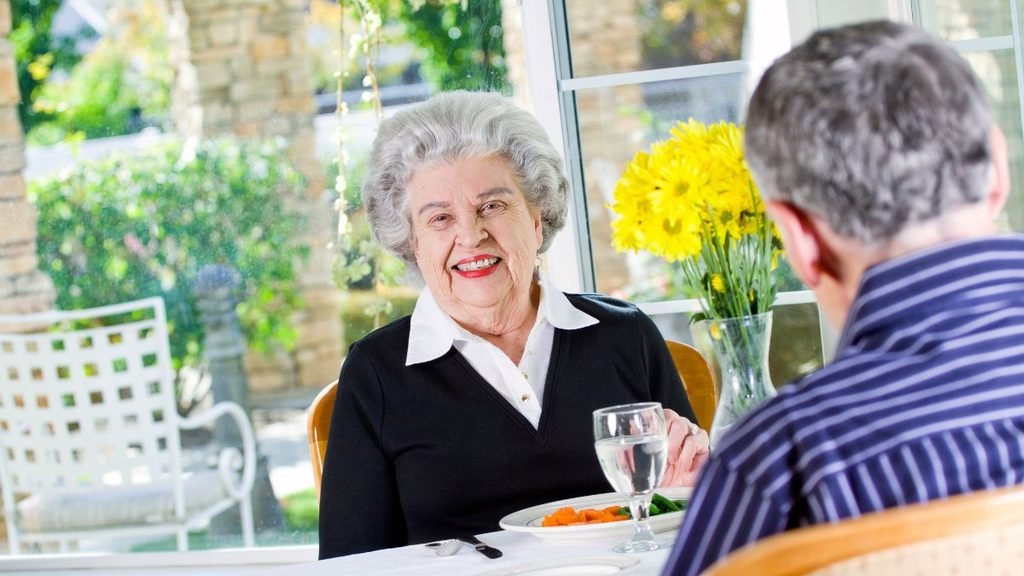
Many people expect age to bring complete confidence, but sitting across from someone new can still make your stomach flutter. You might worry about your appearance, struggle to find conversation topics, or wonder whether the other person finds you attractive. Experience does not automatically remove those feelings.
The difference is that older adults often have less patience for pretending. After decades of work, marriage, family responsibilities, and personal changes, many people know what they enjoy and what makes them uncomfortable. That can make dating more honest, even when the first meeting feels awkward.
A coffee date often works better than an expensive dinner because neither person feels trapped for hours. You can talk for 45 minutes, see whether conversation comes naturally, and decide whether another meeting sounds enjoyable.
Dating tip: Keep the first meeting simple and choose somewhere you already feel comfortable. A familiar café, quiet restaurant, or public garden can make the experience less stressful and give both people room to relax.
3. You Can Love Someone New Without Forgetting the Person You Lost
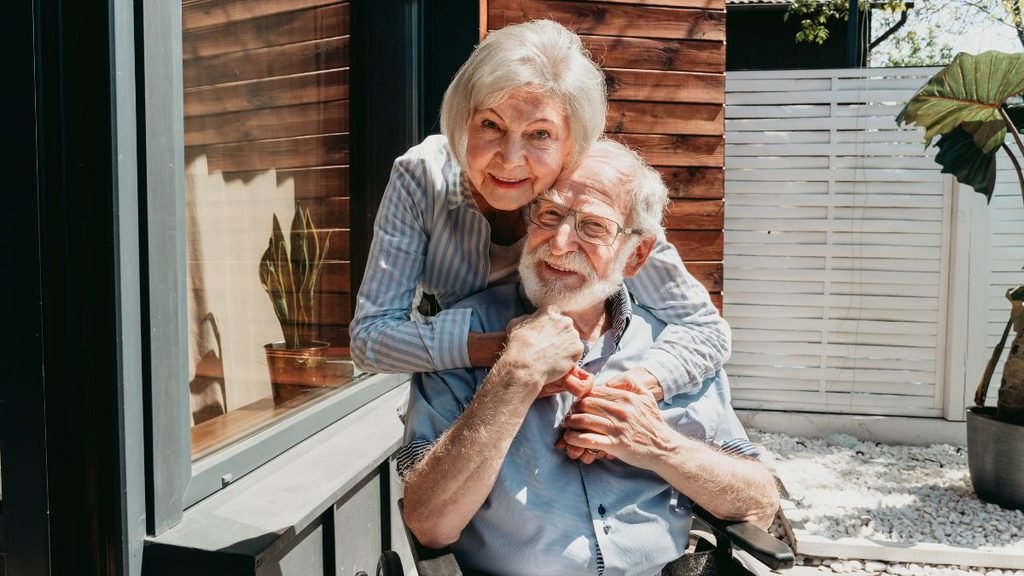
For widowed adults, dating again can bring feelings that are difficult to explain. Enjoying another person’s company may suddenly trigger guilt, especially after a long and loving marriage. Even a pleasant evening can raise questions about loyalty to someone who has died.
One lesson that often matters is that new affection does not erase an earlier relationship. The memories, shared experiences, and love from a previous marriage remain part of your life. A new partner does not have to replace the person who came before.
However, problems can develop when one person expects a new companion to act exactly like a former spouse. Constant comparisons can leave the new partner feeling that they are competing with someone they can never truly replace.
The healthier approach is to respect the past while allowing the new relationship to develop its own identity. Love after loss is not about starting your life over. It is about making room for another meaningful connection.
4. Online Dating Can Work, but It Requires Patience and Common Sense

Dating websites and apps can introduce older adults to people they would never meet through their usual routines. That can be useful when friends have moved away, social circles have become smaller, or local opportunities are limited. Still, online dating comes with frustrations.
Some profiles contain outdated photographs, exaggerated descriptions, or little useful information about the person. Conversations may suddenly stop, and people who seem friendly through messages do not always feel compatible in person. These experiences can become discouraging if every conversation carries high expectations.
It helps to treat online dating as one way to meet people rather than the only possible route to companionship. Senior centers, volunteer groups, community classes, walking clubs, and introductions through trusted friends can also create opportunities.
What matters most is moving at a pace that feels comfortable. A promising online conversation should eventually lead to a safe meeting in a public place, rather than weeks of emotional promises made without ever seeing the person.
5. Trust Should Be Earned Slowly, No Matter How Charming Someone Seems
One painful reality of later life dating is that some people take advantage of older adults looking for companionship. A person may appear caring, attentive, and unusually interested before asking for money or personal information. Romantic attention can make these requests harder to question.
A genuine partner should respect your need for privacy and time. Someone who becomes angry when you refuse to send money, rush into commitment, or share financial details is showing behavior that deserves serious attention.
| Healthy Dating Behavior | Warning Sign |
|---|---|
| Respects your pace | Pressures you to commit quickly |
| Agrees to meet safely in public | Repeatedly avoids meeting or video calls |
| Keeps financial matters separate | Asks for loans, gift cards, or transfers |
| Accepts reasonable boundaries | Uses guilt when you say no |
| Has a consistent personal story | Gives changing or confusing explanations |
| Respects your family and friends | Tries to isolate you from trusted people |
Never send money to someone you have only met online, regardless of how convincing their story sounds. Romance scams can involve fake emergencies, medical bills, travel expenses, or investment opportunities.
For the first few meetings, use your own transportation, choose public locations, and let someone you trust know where you will be. Taking precautions does not mean you are suspicious of everyone. It means your personal safety remains important while trust develops.
6. People Over 70 Often Want Completely Different Things From Dating

One person may want marriage, while another only wants someone to have dinner with twice a week. Some hope to travel with a companion, while others want a committed relationship without sharing a home. These differences are not necessarily problems, but they should be discussed.
Trouble begins when two people assume they want the same future simply because they enjoy spending time together. After several months, one person may expect to move in together while the other has no intention of giving up their independence. Both can feel disappointed even though neither meant to mislead the other.
Honest conversations early in dating can prevent those misunderstandings. You do not need to discuss every detail of the future during the first coffee date, but your basic hopes should become clear before the relationship grows serious.
| What Someone Wants | What It May Look Like |
|---|---|
| Casual companionship | Occasional dinners, outings, and conversation |
| Exclusive relationship | One romantic partner without necessarily living together |
| Travel companion | Shared vacations and activities |
| Living apart together | A committed relationship with separate homes |
| Marriage | A legal and emotional commitment |
| Friendship first | Getting acquainted without immediate romantic pressure |
The best match is not necessarily the person with the most impressive qualities. It is someone whose expectations, lifestyle, and emotional needs fit reasonably well with your own.
7. Physical Attraction Still Matters, Even When Appearance Changes
People sometimes act as though attraction becomes unimportant after 70. Yet many older adults still care about chemistry, affection, grooming, and how they feel around another person. Wanting to feel attractive does not disappear because someone has gray hair or wrinkles.
At the same time, attraction may become more connected to personality and everyday behavior. Kindness, humor, warmth, confidence, and the ability to listen can make someone more appealing over time. A person who seems ordinary at first may become attractive after several enjoyable conversations.
Older daters may also discover that they are less interested in impressing others than they were when younger. Comfortable clothes, honest conversation, and a relaxed personality can feel more appealing than a carefully planned performance.
The lesson is not to ignore physical attraction or make it your only priority. Look for someone whose presence makes you feel comfortable, respected, and genuinely happy. Those feelings matter long after the excitement of the first few dates settles down.
8. Physical Intimacy Requires More Honest Conversations Than Many Expect
Dating after 70 can bring new questions about physical affection and sexual intimacy. Changes in health, medications, mobility, and personal comfort may affect what each partner wants or enjoys. These conversations can feel uncomfortable, particularly for people raised to keep such matters private.
Some people want an active sexual relationship, while others prefer kissing, holding hands, cuddling, or simply sleeping beside someone they trust. Neither preference is automatically more appropriate at a certain age. What matters is that both partners feel respected and comfortable.
It is also important to remember that sexually transmitted infections remain possible in later life. New partners should discuss sexual health, protection, and testing when appropriate. Age alone does not remove those concerns.
Intimacy tip: Talk about affection before assumptions turn into pressure or disappointment. Being able to discuss personal needs calmly is often a better sign of compatibility than rushing physical closeness.
9. Money Can Complicate Romance Faster Than Anyone Expects

Financial matters can become especially sensitive when people begin relationships after 70. By this age, someone may have retirement savings, a paid off home, pension income, adult children, or an estate plan. A new relationship can affect decisions that took decades to build.
Some older adults feel uncomfortable discussing money because they fear appearing selfish or suspicious. Yet keeping finances separate during the early stages of dating is a reasonable choice. Affection does not create an obligation to lend money, combine accounts, or pay another person’s expenses.
Problems can also arise when partners have very different spending habits. One person may enjoy expensive restaurants and frequent vacations, while the other prefers modest outings and careful budgeting. These differences can create tension unless both people speak openly.
Before marriage, moving in together, or combining major assets, independent legal and financial advice can help protect both partners. A healthy relationship should never require someone to sacrifice their financial security to prove their love.
10. Adult Children May Have Strong Opinions About Your New Partner

Dating after 70 sometimes means dealing with an unexpected audience: your grown children. Some families are delighted when a widowed or divorced parent finds companionship. Others feel uncomfortable, protective, or worried that the relationship could change family routines and financial plans.
A daughter may wonder whether her father is being taken advantage of, while a son may struggle with seeing his mother date after losing his father. These reactions can come from genuine concern, grief, or difficulty accepting that a parent’s life continues to change.
However, older adults still have the right to make their own romantic decisions. Family members can offer observations and raise reasonable concerns, but they should not automatically control whom a parent sees. Likewise, a new partner should not pressure someone to abandon important family relationships.
It helps to introduce a new companion gradually and listen calmly to specific concerns. The goal is to respect family relationships without giving up the personal freedom to seek love and companionship.
11. Keeping Your Independence Can Make a Relationship Stronger

One surprising lesson of dating later in life is that falling in love does not always mean wanting to share a home. After years of managing their own routines, many older adults value the freedom to decide how their days unfold. Giving up that independence may feel more difficult than expected.
Someone might love spending weekends with a partner but still enjoy sleeping in their own bed during the week. Another person may want to keep a familiar home, neighborhood, pets, and daily schedule. These preferences do not necessarily mean the relationship lacks commitment.
Living apart while maintaining a serious relationship can work when both people agree on what it means. It may also help couples avoid disagreements over housekeeping, visitors, personal belongings, and daily habits that have become deeply established.
The key is to discuss practical expectations instead of assuming that every serious relationship must follow the same pattern. At 70 or 80, protecting the life you have built can be just as important as welcoming someone new into it.
12. Health and Caregiving Questions Can Arrive Earlier Than Expected
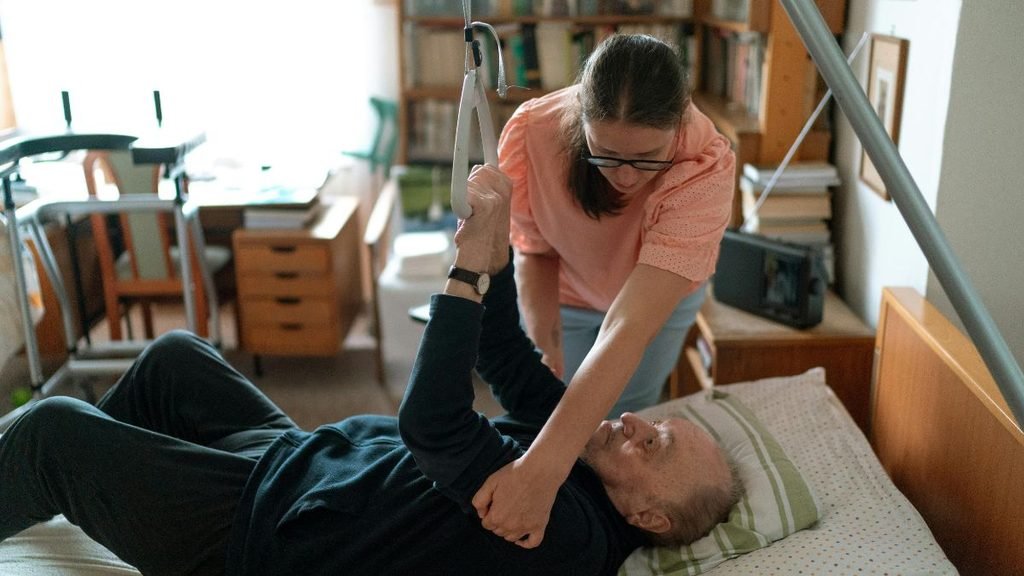
Health is a reality that later life couples cannot always avoid discussing. One person may have arthritis, hearing problems, limited mobility, or a long term medical condition. These issues do not prevent meaningful relationships, but they can affect travel, daily activities, and future plans.
People who begin dating after 70 may also have different experiences with caregiving. Someone who spent years caring for an ill spouse may worry about returning to that role. Another person may be concerned about what would happen if their own health declined.
These feelings deserve honest conversations rather than judgment. Nobody can promise perfect health, and a loving relationship does not require pretending that physical limitations do not exist. But it is reasonable to discuss the support each person could offer and where professional or family help might be needed.
A useful question is whether both people can accept each other’s present reality rather than hoping everything will change. Compassion matters, but so do practical limits, personal needs, and realistic expectations about the future.
13. A Successful Relationship Does Not Have to End in Marriage
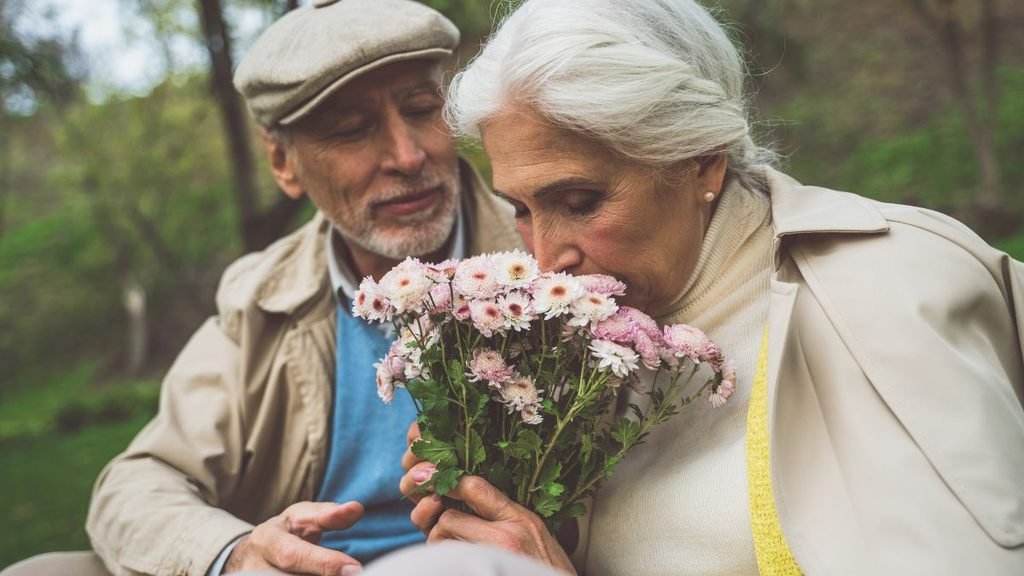
Many people grew up believing that serious dating should eventually lead to marriage. After 70, that traditional path may no longer suit everyone’s life. Some older adults are happy with a steady companion, regular dates, shared interests, and affection without another wedding.
For someone who has already experienced a long marriage, the idea of beginning again may feel unnecessary. They may simply want a person who remembers their favorite restaurant, asks about their day, and enjoys spending ordinary afternoons together. That relationship can still be deeply meaningful.
Others genuinely want to remarry, build a shared household, and make a lasting legal commitment. There is nothing wrong with that choice either, provided both partners understand the emotional, family, financial, and legal responsibilities involved.
The most important lesson is to stop measuring your relationship against other people’s expectations. If two adults feel safe, respected, appreciated, and happy with the arrangement they have chosen, their relationship does not need anyone else’s approval.
What People Often Wish They Had Known Before Dating Again
Dating after 70 can bring disappointment, but it can also create moments of genuine happiness. A conversation that lasts longer than expected, an invitation to dinner, or the simple comfort of having someone call to ask how your day went can become surprisingly meaningful.
The challenge is learning to welcome those experiences without ignoring your own needs. Moving too quickly, accepting poor treatment, or changing your entire life for someone you barely know can turn a hopeful experience into a painful one. Taking your time helps you see whether the relationship is truly good for both people.
There is also no reason to treat every unsuccessful date as a personal failure. Two decent people can enjoy a conversation and still discover that they want different things. That does not mean either person is too old, too difficult, or incapable of finding companionship.