

It’s 11:47 p.m. Your deadline is tomorrow, your work is barely started, and suddenly your brain decides it’s time to panic. Somehow, the same task you avoided for three weeks now feels impossible to ignore.
Why does your mind wait until the last possible moment to cooperate? Writer Tim Urban has a funny but surprisingly revealing explanation involving an Instant Gratification Monkey and a terrifying Panic Monster.
His idea exposes why people delay important tasks, why deadlines create sudden bursts of energy, and why some of life’s biggest dreams remain unfinished.
There’s a Strange Battle Happening Inside Your Brain

Your brain can understand exactly what needs to be done and still refuse to cooperate. That frustrating conflict sits at the center of Tim Urban’s famous explanation of procrastination.
Urban describes three imaginary characters that represent different forces behind everyday decisions. Together, they help explain why good intentions often turn into wasted afternoons.
The Rational Decision-Maker Wants a Better Future

The Rational Decision-Maker represents the part of your thinking that considers long-term results. It understands deadlines, responsibilities, future rewards, and the cost of waiting.
This character knows that studying today makes tomorrow easier. It also understands that saving money, exercising, and finishing important work can improve your future.
Its job is to make decisions based on what matters most. Unfortunately, it does not always control what happens next.
The Instant Gratification Monkey Wants Fun Right Now
The Instant Gratification Monkey has a much simpler plan. It wants whatever feels pleasant, easy, or interesting at the present moment.
While your rational mind wants to finish a report, the Monkey wants entertainment. It might suggest checking messages, watching videos, or looking for something to eat.
The Monkey rarely considers what these choices will cost tomorrow. Its main concern is avoiding discomfort right now.
What Happens When These Two Characters Disagree?

Consider a student who plans to study for an exam. The student sits down, opens a textbook, and suddenly remembers an interesting video.
The rational mind recognizes that studying matters more. However, watching the video offers a faster reward with almost no effort.
Three familiar patterns often appear during this struggle:
- Future rewards feel distant. A good exam result matters, but entertainment feels rewarding immediately.
- Difficult tasks create discomfort. Starting work may bring boredom, confusion, or fear of failure.
- Easy distractions offer quick relief. Checking a phone feels better than facing an unpleasant assignment.
Urban’s characters are metaphors, not actual creatures or separate parts of the brain. His explanation uses humor to describe a real struggle between immediate rewards and long-term goals.
The important lesson is that understanding your responsibilities does not automatically make them easier to begin. Knowing what matters and acting on that knowledge are two different skills.
Why a Five-Minute Break Turns Into an Entire Afternoon

One of Urban’s most revealing ideas is something he calls the Dark Playground. It describes the strange experience of enjoying free time when you know you should be working.
Picture someone sitting on a couch watching television. If their responsibilities are finished, that evening can feel peaceful and rewarding.
Now picture the same person watching television while an important project remains untouched. The activity looks identical, but the emotional experience is completely different.
The Dark Playground Isn’t Really Relaxing
In the Dark Playground, entertainment comes with an uncomfortable feeling underneath. The person might laugh at a funny video while constantly remembering unfinished work.
Every passing hour makes the responsibility feel heavier. Even enjoyable activities become mixed with worry, guilt, and frustration.
The problem is not that watching videos or relaxing is wrong. The problem is that these activities are being used to escape something important.
This creates a difficult cycle:
- A task feels unpleasant or overwhelming.
- The person chooses an easier activity.
- That distraction provides temporary relief.
- The unfinished task creates more pressure.
- The growing pressure makes returning even harder.
This explains why procrastination can leave people exhausted after doing very little. Their attention keeps moving between avoiding the task and worrying about it.
Your Brain May Be Looking for Relief, Not Entertainment

Procrastination is often described as poor time management. Yet managing uncomfortable feelings can be just as important.
A difficult assignment may create fear about making mistakes. A challenging conversation may bring worry about another person’s reaction.
Avoiding these situations can provide immediate emotional relief. Unfortunately, that relief usually disappears when the responsibility returns.
Someone might spend an hour organizing their desk instead of writing a difficult email. Cleaning feels productive, but it also protects them from facing the harder task.
The useful question is not always why someone lacks motivation. Sometimes the better question is what uncomfortable feeling they are trying to avoid.
The Panic Monster Changes Everything When Time Runs Out

For weeks, an unfinished project might barely attract attention. Then the deadline becomes dangerously close, and everything changes.
Suddenly, distractions lose their appeal. The person who struggled to write one paragraph can now work for hours.
Urban calls the force behind this dramatic change the Panic Monster. It represents the fear that appears when serious consequences become difficult to ignore.
Why Fear Can Suddenly Create Action

The Panic Monster becomes active when a deadline threatens something important. That might include losing marks, disappointing someone, missing an opportunity, or facing embarrassment.
The consequences that once seemed distant suddenly feel real. Finishing the task becomes more urgent than avoiding its discomfort.
In Urban’s imaginary system, this fear sends the Instant Gratification Monkey running. The Rational Decision-Maker finally gets an opportunity to take control.
This helps explain why some people seem to perform their best work under pressure. They may not become more capable overnight, but their priorities change sharply.
The 90-Page Thesis That Almost Never Happened

Urban shares a striking example from his college years. He had an entire year to complete a 90-page senior thesis.
His original plan involved starting slowly and increasing his effort over time. However, weeks turned into months without meaningful progress.
Eventually, only three days remained, and he had not written the thesis. Urban then spent approximately 72 hours producing the entire paper.
He completed the assignment before the deadline, but the result was poor. His story shows that finishing something under pressure does not mean the process worked well.
Why Last-Minute Success Can Become a Trap
When panic helps someone finish a task, the brain may treat that experience as proof that delaying works. The next assignment arrives, and the same pattern begins again.
This creates a dangerous belief that pressure is necessary for productivity. Yet rushed work often leaves less time for checking mistakes, improving ideas, or asking questions.
Last-minute work can also interfere with sleep and personal responsibilities. Even when the result looks acceptable, the process may carry a hidden cost.
Pressure sometimes helps people focus, but extreme stress is not a reliable productivity method. A better system helps people begin before fear becomes their main source of motivation.
The Most Dangerous Procrastination Has No Deadline
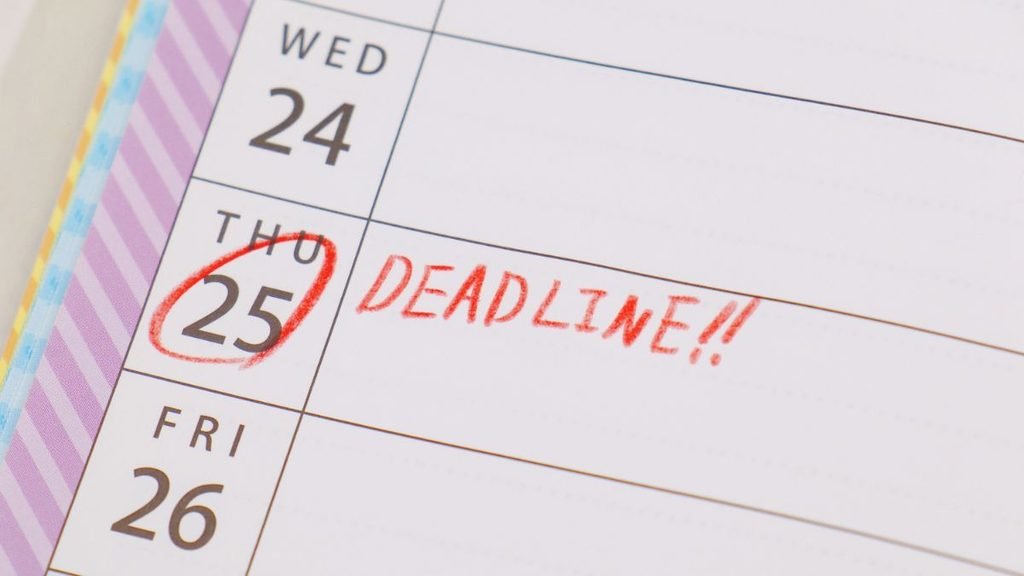
Missing an assignment deadline can be embarrassing or expensive. However, Urban argues that another type of procrastination may cause deeper regret.
This second type involves important life goals without a fixed deadline. Nobody demands immediate progress, so waiting can continue for years.
When There’s No Deadline, the Panic Monster Never Arrives
Consider someone who dreams of starting a small business. They spend years researching ideas, reading success stories, and planning what the business might become.
Yet they never test a product or contact a potential customer. Because nobody expects a finished business by Friday, nothing forces the dream forward.
The same pattern can appear in personal life. People may delay important conversations, learning new skills, or making changes they know matter.
Common examples include:
- Health: Putting off a manageable exercise routine because tomorrow seems easier.
- Relationships: Avoiding a difficult conversation that could resolve an ongoing problem.
- Career: Staying in an unsatisfying role without exploring other possibilities.
- Personal growth: Postponing a course, hobby, or creative project for another year.
- Family: Repeatedly delaying visits or meaningful time with loved ones.
Each delay can seem harmless when viewed alone. The problem appears when those small choices become a lasting pattern.
Why This Type of Delay Hurts Differently

An unfinished work assignment eventually reaches a deadline. An unfinished personal goal may simply disappear beneath other responsibilities.
Someone might spend years saying they want to write a book. They may never experience the pressure that comes from an approaching submission date.
Over time, the distance between their dreams and their actions grows. This can create frustration that is difficult to explain to other people.
The person is not necessarily upset about failing. They may be upset because they never truly gave themselves a chance to try.
The Life Calendar Makes the Problem Impossible to Ignore
Near the end of his talk, Urban introduces a simple visual exercise. He presents a calendar showing one small box for each week of a 90-year life.
The point is not to predict how long anyone will live. It is to make the passage of time easier to see.
A week can feel insignificant while it is happening. However, thousands of ordinary weeks eventually become an entire lifetime.
The calendar raises a difficult question about what deserves attention before another year passes. It also shows why waiting for motivation can be risky when no deadline exists.
Why Waiting Feels Safer Than Starting

A task does not need to be boring to trigger procrastination. Sometimes the most meaningful projects are also the hardest to begin.
Starting something important creates the possibility of disappointment. As long as a dream stays unfinished, its imagined success remains untouched.
Perfectionism Can Disguise Itself as Preparation
A person who wants to start a blog might spend months choosing colors and designing a logo. These tasks feel useful, but they may keep the person away from publishing their first article.
Another person might repeatedly rewrite an opening paragraph. They believe better preparation will remove the risk of producing weak work.
The trouble is that complete certainty rarely arrives before action. Learning often happens after a person begins making imperfect attempts.
Perfectionism becomes a problem when the fear of mistakes prevents any progress. In that situation, allowing an imperfect beginning can be more useful than planning another perfect one.
The Size of a Task Can Make It Feel Impossible
Large goals often contain many smaller decisions. When those decisions appear as one enormous responsibility, beginning can feel overwhelming.
Writing a book sounds difficult because it involves months of work. Writing 200 words is much easier to picture.
Similarly, getting fit may seem like a major life change. Taking a short walk after dinner feels more manageable.
Breaking tasks into smaller actions does not remove every challenge. It simply gives the brain a clearer place to start.
Not Every Delay Comes From the Same Problem
Fear, boredom, confusion, tiredness, and competing responsibilities can all contribute to procrastination. What looks like laziness from the outside may have several different causes.
Some people also experience attention difficulties, anxiety, or depression that make task management harder. A simple productivity trick may not address those deeper challenges.
Understanding the cause matters because different problems require different solutions. Someone who needs clearer instructions may not benefit from more pressure.
How to Outsmart the Monkey Before Panic Takes Over

Urban’s imaginary characters describe the problem, but they also suggest a practical solution. If immediate rewards keep taking control, the first step must become easier to choose.
The goal is not to eliminate every distraction or force constant productivity. It is to make useful action possible before a crisis appears.
Start With Something Too Small to Fear
Instead of promising to finish an entire assignment, choose one tiny action. Open the document, write a heading, or make a short outline.
Small beginnings reduce the amount of effort needed to get moving. Once the task is underway, continuing may feel easier.
A useful approach is to commit to just five minutes. After those minutes, decide whether another short session feels manageable.
This method does not guarantee a sudden burst of motivation. Its purpose is to replace endless preparation with a real beginning.
Turn Vague Goals Into Visible Actions
The difference between a large goal and a clear next step can be enormous. A goal describes the destination, while an action tells someone what to do now.
| Overwhelming goal | A smaller first step |
|---|---|
| Write a research paper | Draft three possible headings |
| Get healthier | Take a 10-minute walk |
| Start a business | Write down one customer problem |
| Organize personal finances | List monthly bills |
| Improve a relationship | Set aside time for one conversation |
Each smaller action creates a clear starting point. The person no longer needs to solve the entire problem before making progress.
Make Distractions Harder to Reach

Self-control becomes more difficult when tempting distractions are always available. A phone beside an open textbook offers constant opportunities to stop working.
Changing the environment can reduce that temptation. Simple adjustments often make more sense than expecting perfect discipline.
Try these practical changes:
- Put the phone in another room during focused work.
- Close unrelated browser tabs before beginning.
- Keep the materials needed for the task within reach.
- Choose a quiet place when the work requires attention.
- Take planned breaks instead of waiting until distractions win.
These changes reduce the number of decisions competing for attention. They also make productive behavior easier to repeat.
Use Time Blocks Instead of Endless Work Sessions
A long, undefined work period can feel intimidating. A short session with a clear ending is easier to approach.
Try working for 20 minutes, followed by a five-minute break. The exact timing can change based on the task and personal needs.
During the work period, focus on one small result. During the break, step away without feeling guilty about unfinished work.
This creates a healthier difference between work and rest. Leisure becomes a planned activity rather than an escape from responsibility.
Reward Progress Without Waiting for Perfection

The Instant Gratification Monkey likes immediate rewards. That preference can sometimes be used to support better habits.
After finishing a planned work session, enjoy a short break or another simple reward. The activity should support the routine rather than interrupt the entire day.
Progress also becomes easier to recognize when it is recorded. Checking off completed steps can provide a visible sense of achievement.
The reward should be connected to taking action, not producing flawless results. Otherwise, perfectionism may return and make starting difficult again.
How to Create Urgency for Dreams Without Deadlines
The biggest challenge often begins after ordinary responsibilities are finished. Nobody is checking whether someone practiced a skill, called an old friend, or developed a personal project.
Without outside pressure, these goals need their own structure. That means creating a system that makes progress visible and difficult to forget.
Give Important Goals a Place on the Calendar
A goal such as learning a language sounds meaningful but leaves many questions unanswered. When will the learning happen, and what should the person do first?
A calendar appointment makes those decisions more specific. Thirty minutes of practice on Tuesday evening creates a clearer commitment than studying whenever free time appears.
The same approach works for exercise, creative projects, and personal relationships. Important activities deserve planned time, even when nobody else demands it.
Create Checkpoints Before the Final Goal
Waiting until the end of a major project creates unnecessary pressure. Smaller checkpoints make it easier to notice problems while there is still time to adjust.
Someone planning to complete a course could set weekly learning targets. A person writing a book could schedule a regular review of completed pages.
Useful checkpoints follow three simple rules:
- Make them specific. Describe exactly what should be completed.
- Make them realistic. Leave enough room for unexpected responsibilities.
- Review them regularly. Adjust the plan when progress slows or circumstances change.
Checkpoints are not meant to create constant anxiety. Their purpose is to provide direction before weeks disappear without progress.
Let Another Person Know What You’re Working Toward
Personal goals can be easier to ignore when nobody else knows about them. Sharing a realistic commitment may create a gentle sense of responsibility.
For example, two friends could agree to discuss their progress every Friday. Each person could share one completed action and one challenge.
This approach works best when the other person offers encouragement rather than criticism. Accountability should help someone return to the task, not make mistakes feel unbearable.
Replace Self-Blame With a Useful Question
When someone loses an afternoon to distractions, harsh self-criticism may seem like a way to regain control. However, feeling worse does not always make taking action easier.
A more useful response is to examine what happened. Was the task unclear, too large, boring, frightening, or poorly timed?
Once the obstacle becomes clearer, the next step can change. An overwhelming project might need smaller tasks, while a distracting environment might need stronger boundaries.
Progress does not require never procrastinating again. It requires noticing the pattern sooner and choosing a better response.