
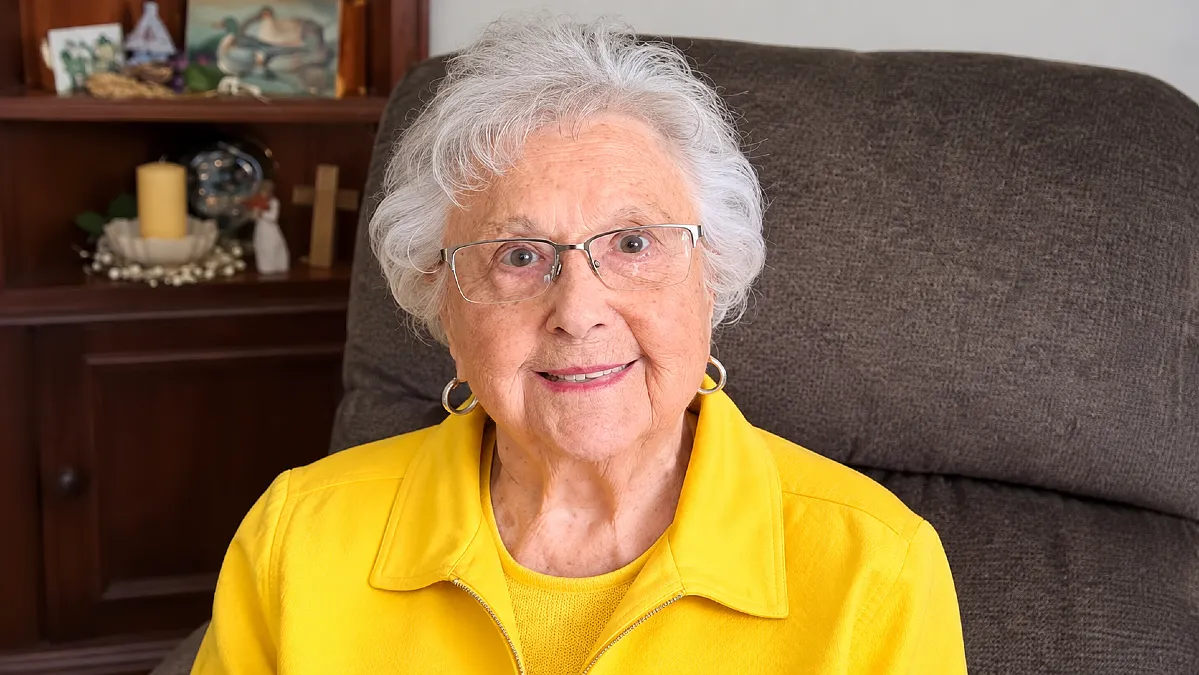
People approaching 60 often assume the hardest parts of life are behind them. Careers are more established, families may need less daily attention, and retirement can finally seem within reach. Yet the decisions that shape life at 75, 85, or 90 are often made years earlier.
Nine decades of living can reveal what a retirement account cannot: health, companionship, independence, and meaningful time all need attention.
These 13 lessons worth learning before 60 show which habits to strengthen now, which conversations to stop postponing, and how to prepare without treating aging as a disaster waiting to happen.
1. Physical Strength Becomes More Valuable With Every Passing Decade

At 55, carrying groceries, climbing stairs, and getting out of a chair may seem ordinary. By 80, those same movements can make a major difference in whether someone manages daily tasks independently. Physical strength is not simply about fitness. It supports freedom and everyday choices.
Muscle mass, balance, and bone health can change with age, especially when people become less active. However, declining strength is not entirely unavoidable, and meaningful improvements remain possible later in life.
The Centers for Disease Control and Prevention recommends at least 150 minutes of moderate physical activity each week, along with muscle-strengthening activities on two or more days. Older adults should also include activities that improve balance.
The most useful approach combines several types of movement rather than relying on walking alone. Each supports a different ability that may become increasingly important with age.
| Physical Habit | Practical Goal | Long-Term Benefit |
|---|---|---|
| Brisk walking | 150 minutes weekly | Supports heart health and stamina |
| Strength exercises | At least 2 days weekly | Helps maintain muscle and function |
| Balance training | Regular practice | Supports stability and fall prevention |
| Mobility exercises | Consistent gentle movement | Helps maintain comfortable movement |
These are general activity targets, not a requirement to exercise beyond personal limits. People with chronic conditions or significant mobility difficulties can work with a healthcare professional to choose suitable activities.
The lesson: Strength developed before 60 may help protect independence decades later. Starting at 70 or 80 can still provide meaningful benefits.
2. The Friends People Have Today May Not Be the Friends They Have at 85

Many adults reach their 50s with established friendships built through work, raising children, and living in the same community. Those relationships feel permanent because they have survived decades of changes. Yet retirement, relocation, illness, and death can gradually reduce even a close social circle.
One of the harder lessons of aging is that relationships cannot always be replaced quickly. A person may have loving children and grandchildren but still miss having a friend who shares familiar memories and everyday interests.
The National Institute on Aging recognizes social isolation and loneliness as important concerns for older adults. However, living alone does not automatically mean someone feels lonely, and living with family does not guarantee meaningful companionship.
Maintaining friendships and building new ones are equally important. People approaching 60 can strengthen their social lives by joining community groups, volunteering, attending classes, or reconnecting with former friends.
Friendships across different age groups also provide opportunities to share perspectives and participate in activities outside familiar routines. A healthy social network does not need to be large, but it should offer dependable opportunities for connection.
The most practical step is to stop treating friendship as something that happens automatically. Regular invitations, phone calls, and shared activities help relationships survive changing circumstances.
3. Difficult Conversations About Death and Money Cannot Wait Forever

Families often avoid discussing wills, medical treatment, inheritance, and financial responsibilities because those conversations feel uncomfortable. Everyone assumes there will be another opportunity when circumstances are calmer. Unfortunately, serious illness or an unexpected emergency may arrive before those plans are made.
A person can become temporarily or permanently unable to communicate financial or medical decisions at almost any age. Without clear instructions, relatives may face uncertainty about treatment preferences, household accounts, and responsibility for important decisions.
Preparing legal and financial documents is an act of responsibility, not a prediction of death. It allows people to explain their preferences while they can still participate fully in decisions.
The National Institute on Aging recommends discussing future healthcare choices and preparing appropriate advance directives. The Consumer Financial Protection Bureau also encourages financial planning for circumstances in which someone may be unable to manage personal finances.
| Important Preparation | Why It Matters | Practical Next Step |
|---|---|---|
| Will | States wishes for distributing an estate | Review with an estate attorney |
| Healthcare directive | Records medical care preferences | Discuss with family and a doctor |
| Financial power of attorney | Authorizes a trusted person to handle finances | Arrange a document valid under state law |
| Account inventory | Helps locate financial records | Keep an updated, secure list |
| Beneficiary review | Helps ensure accounts reflect current wishes | Check retirement and insurance records |
A financial power of attorney and a healthcare proxy serve different purposes, and state requirements can vary. Beneficiary designations also deserve separate attention because they may control how certain assets pass after death.
These conversations should happen while everyone is healthy enough to participate. Reviewing the arrangements regularly can prevent old instructions from creating new problems.
4. Retirement Does Not Automatically Create a Meaningful Life
Work provides more than a paycheck for many people. It creates daily structure, social interaction, personal challenges, and a sense of accomplishment. Losing those familiar routines can feel unsettling, even when retirement was eagerly anticipated.
Someone who spent 35 years building a career may suddenly discover that an open calendar is less satisfying than expected. Traveling and relaxing can be enjoyable, but they may not replace the feeling of contributing to something important.
A retirement plan should explain how time will be spent, not just how expenses will be paid. That means developing interests and relationships before leaving full-time work.
A practical retirement routine can include several types of activity that support different personal needs. The goal is flexibility rather than another demanding schedule.
| Area of Life | Possible Activity | Purpose |
|---|---|---|
| Social connection | Weekly group or club | Maintain friendships |
| Physical activity | Walking or exercise class | Support mobility |
| Personal growth | Reading, painting, or learning | Maintain curiosity |
| Contribution | Volunteering or mentoring | Create meaningful involvement |
These activities do not require substantial spending. Public libraries, community organizations, local parks, and volunteer groups often provide affordable opportunities.
People who establish interests outside work before retirement may find the transition easier to manage. Continuing part-time work can also be a worthwhile choice when it supports financial needs or personal satisfaction.
5. Healthy Years With a Spouse or Partner Should Never Be Taken for Granted

Long marriages often create the impression that there will always be more time together. Couples may postpone vacations, family visits, or shared interests until retirement offers fewer responsibilities. Yet the years available for physically demanding activities are difficult to predict.
A marriage lasting 50 years does not necessarily provide 50 years of equal health and mobility. One partner may eventually experience illness, caregiving responsibilities, or limitations that change what the couple can enjoy together.
This does not mean later years cannot be meaningful. It means experiences should be planned around present abilities rather than an imagined perfect future.
For example, a couple considering a physically demanding vacation at 58 might reasonably prioritize it over a similar trip planned for age 78. There is no guarantee that either age will bring serious limitations, but health and energy are important parts of the decision.
Financial planning matters here as well. A retirement budget that allows for some enjoyable experiences before retirement may be more satisfying than postponing every nonessential purchase until an uncertain future.
Time together also includes ordinary activities such as walking, cooking, meeting friends, and sharing conversations. These moments can strengthen relationships without requiring expensive travel.
The lesson is not to spend recklessly. It is to recognize that protecting savings and making good use of healthy years are both legitimate goals.
6. Holding Onto Old Grudges Can Become a Regret That Never Gets Resolved

Family disagreements can last for years, especially when they involve money, caregiving, inheritance, or past disappointments. A disagreement that began over one decision may eventually become a struggle over who deserves an apology. The original problem can become less important than the silence that follows.
As people grow older, they may reconsider whether every disagreement deserved the years of distance it created. A relationship can disappear through illness or death before either person finds a comfortable way to reconnect.
Forgiveness does not require pretending that harmful behavior was acceptable. It can simply mean deciding that anger no longer deserves the same amount of attention.
In some situations, reconciliation begins with a short message, an invitation to meet, or an acknowledgment that both people experienced the conflict differently. Rebuilding trust may require time and honest boundaries.
However, reconciliation is not always healthy or safe. People who have experienced abuse, repeated manipulation, or serious mistreatment can choose distance without carrying guilt about that decision.
The larger lesson concerns emotional priorities. When a disagreement is repairable, the value of preserving a meaningful relationship may outweigh the satisfaction of proving who was right.
7. Adult Children Often Need Understanding More Than Unrequested Advice

Parents spend decades making decisions for their children. They provide guidance about school, employment, money, relationships, and personal responsibilities. Once children become independent adults, that familiar parenting role often needs to change.
Advice that once felt supportive may begin to feel like criticism when it is offered repeatedly without being requested. Adult children may become less willing to share personal concerns if every conversation turns into instructions about what they should do.
Being present can be more valuable than having an answer for everything. Listening carefully, respecting decisions, and offering practical support can strengthen relationships across generations.
Financial disagreements are especially common when adult children face housing costs, debt, childcare expenses, or employment problems. Parents may want to intervene immediately, but support works best when expectations and financial boundaries are discussed openly.
A parent helping an adult child with money should consider how that assistance affects personal retirement security. A gift or loan that creates financial difficulty for the parent may cause additional family stress later.
Strong family relationships benefit from mutual respect. Adult children remain responsible for their choices, while parents retain the right to protect their own time, money, and well-being.
The goal is not to stop offering wisdom. It is to recognize when advice is welcome and when genuine attention is what matters most.
8. Family Memories Become More Valuable When Someone Takes Time to Preserve Them

Families often assume important stories will always be remembered. Childhood traditions, family recipes, funny incidents, and the experiences of older relatives can seem too familiar to document. Years later, someone may realize that the only person who knew a particular story is no longer available to tell it.
Photographs can preserve faces and places, but they do not always explain what made an experience meaningful. A written account or short recording can preserve details that would otherwise be forgotten.
The National Institute on Aging explains that occasional forgetfulness can accompany normal aging. However, dementia is not an inevitable part of growing older, and memory changes that interfere with everyday life deserve medical attention.
Recording memories is valuable even for people who never develop serious memory problems. It creates a personal history that children, grandchildren, and future generations may appreciate.
Families can begin by identifying old photographs, recording interviews, writing down traditional recipes, or creating a simple family timeline. A phone recording or handwritten notebook can be sufficient.
There is no need to create a complete autobiography. Recording one meaningful event each week can gradually build a collection of family history.
These activities also offer opportunities for connection. Younger relatives may discover stories about their families that were never discussed during ordinary visits.
9. Courage Means Preparing for Change Instead of Pretending It Cannot Happen

Many people worry about losing independence, becoming ill, or depending on others as they age. These concerns are understandable because health and family circumstances can become less predictable over time. However, constant worry does not provide the same protection as practical preparation.
A person who fears falling may benefit more from balance training and a home safety review than from avoiding every unfamiliar activity. Someone concerned about financial problems may gain more control by reviewing household expenses and identifying available support.
Courage in later life often means adapting rather than refusing assistance. Accepting a walking aid, arranging transportation, or changing a daily routine can help preserve participation in activities that matter.
Being prepared also means understanding that a loss of ability does not eliminate personal identity or the possibility of enjoyment. People can continue building relationships, learning skills, and making meaningful decisions while living with physical limitations.
Fear becomes more manageable when it leads to a specific action. A medical concern can prompt a healthcare appointment, while uncertainty about future care can lead to a family discussion.
Not every feared event will happen, and no amount of planning can prevent every difficulty. The purpose of preparation is to create choices, not to assume the worst outcome is inevitable.
10. Time Often Feels Faster When Every Year Starts Looking the Same
People frequently describe childhood years as long and later decades as surprisingly short. Familiar routines can make months and years feel less distinct in memory. Retirement may intensify that experience when work schedules no longer separate ordinary days.
A person can spend years waiting for the right moment to reconnect with someone, visit a meaningful place, or begin a long-postponed activity. Eventually, the opportunity may become more difficult because circumstances have changed.
The practical lesson is to give important plans a place on the calendar. Intentions that never become specific arrangements are easy to postpone indefinitely.
Someone who wants to visit an old friend can choose a weekend rather than promising to arrange something eventually. A couple hoping to travel can begin planning within a realistic budget rather than waiting for every financial concern to disappear.
Regular routines still matter, especially for physical health and financial stability. However, adding memorable activities can make life feel richer without requiring constant entertainment.
Birthdays, annual family gatherings, seasonal outings, and small personal traditions create occasions worth anticipating. They can also provide opportunities to maintain relationships.
Time cannot be saved for future use in the same way money can. Protecting important experiences requires treating them as genuine priorities rather than optional rewards.
11. Money Matters Most When It Gives People Choices During Difficult Times

Retirement savings are often measured by account balances, investment performance, and monthly income. Those numbers matter, but their practical value becomes clearer when a household faces illness, bereavement, or unexpected expenses.
A person with substantial investments may still experience financial pressure if most savings are difficult to access or monthly commitments are too high. Someone with a smaller balance but manageable expenses and reliable income may have more flexibility.
Retirement security depends partly on the gap between dependable income and necessary spending. That gap can change substantially after the death of a spouse or another major life event.
Consider a hypothetical retired couple whose combined monthly income is $5,200 and whose expenses are $4,300. Their monthly surplus is $900, but losing part of their household income could change the picture.
| Household Scenario | Monthly Income | Monthly Expenses | Remaining Amount |
|---|---|---|---|
| Couple together | $5,200 | $4,300 | $900 |
| Surviving spouse | $3,700 | $3,400 | $300 |
| Surviving spouse with added care costs | $3,700 | $4,200 | -$500 |
Illustrative amounts only, not actual Social Security estimates or average household expenses.
In this example, a household that once had money left over could face a monthly shortfall after a major change. Expenses may fall after one partner dies, but they do not necessarily decline as much as household income.
Social Security survivor benefits depend on eligibility and individual claiming circumstances. Couples should review those rules alongside pensions, insurance coverage, account access, and household spending.
Building an emergency reserve, managing high-interest debt, and keeping financial records organized can improve flexibility. These steps may be especially valuable when a household suddenly needs to make decisions during a difficult period.
12. Planning for Future Care Can Protect More Independence Than Ignoring the Possibility
Many adults assume they will remain in their current home indefinitely. They may feel healthy, enjoy their neighborhood, and have no immediate reason to consider additional assistance. Yet housing needs can change because of mobility limitations, illness, or difficulty managing daily tasks.
Planning does not mean assuming that everyone will eventually need assisted living or nursing home care. Many people continue living independently with little or no formal assistance, while others benefit from home modifications or community services.
The most useful preparation is understanding available options before they become urgent. A home that works well at 55 may need adjustments if climbing stairs or using a bathroom becomes difficult.
Common options provide different levels of support. The appropriate choice depends on health needs, preferences, affordability, and the services available locally.
| Future Living Option | Type of Support | Important Consideration |
|---|---|---|
| Aging in place | Home modifications and community help | Home must remain safe and manageable |
| In-home assistance | Help with daily activities | Costs depend on services and hours |
| Assisted living | Housing and personal care support | Service levels and fees vary |
| Nursing home care | Higher levels of ongoing care | Medical needs and funding matter |
The cost of support can become a major financial concern. Medicare generally does not cover long-term custodial care, although it may cover certain short-term skilled services when eligibility requirements are met.
Medicaid may help eligible people pay for certain long-term services, but rules vary by state. Families can also explore local services through Area Agencies on Aging and the federal Eldercare Locator.
A practical plan includes reviewing home safety, discussing care preferences, and understanding possible funding sources. Early preparation helps people participate in decisions rather than leaving every choice to others during an emergency.
13. A Meaningful Life Requires More Than Constantly Preparing for the Future

Many people spend their working years making sacrifices for milestones that keep moving farther away. They wait until the mortgage is paid, until children are financially stable, or until retirement savings reach a particular amount. Eventually, postponing enjoyment can become a habit rather than a temporary necessity.
Long-term planning is essential, especially for households that must stretch limited resources over many years. However, preparation loses some of its value when people repeatedly give up experiences they could reasonably afford and enjoy.
The final lesson from nine decades of life is that security and satisfaction need to be developed together. Money can provide options, but it cannot determine how meaningful those choices will feel.
For example, a person saving for retirement might decide to reduce expensive purchases while preserving a modest budget for visiting friends or family. Another person may choose free local activities that provide enjoyment without threatening financial goals.
Making room for personal interests is not a rejection of responsibility. It recognizes that health, relationships, experiences, and financial stability all contribute to later-life satisfaction.
People approaching 60 can review what they have been postponing and identify which plans deserve action now. Some opportunities require money, while others require only a conversation, a visit, or a change in routine.
The goal is not to fill every day with activity. It is to avoid reaching a later decade with the realization that meaningful choices were repeatedly postponed without a clear reason.