
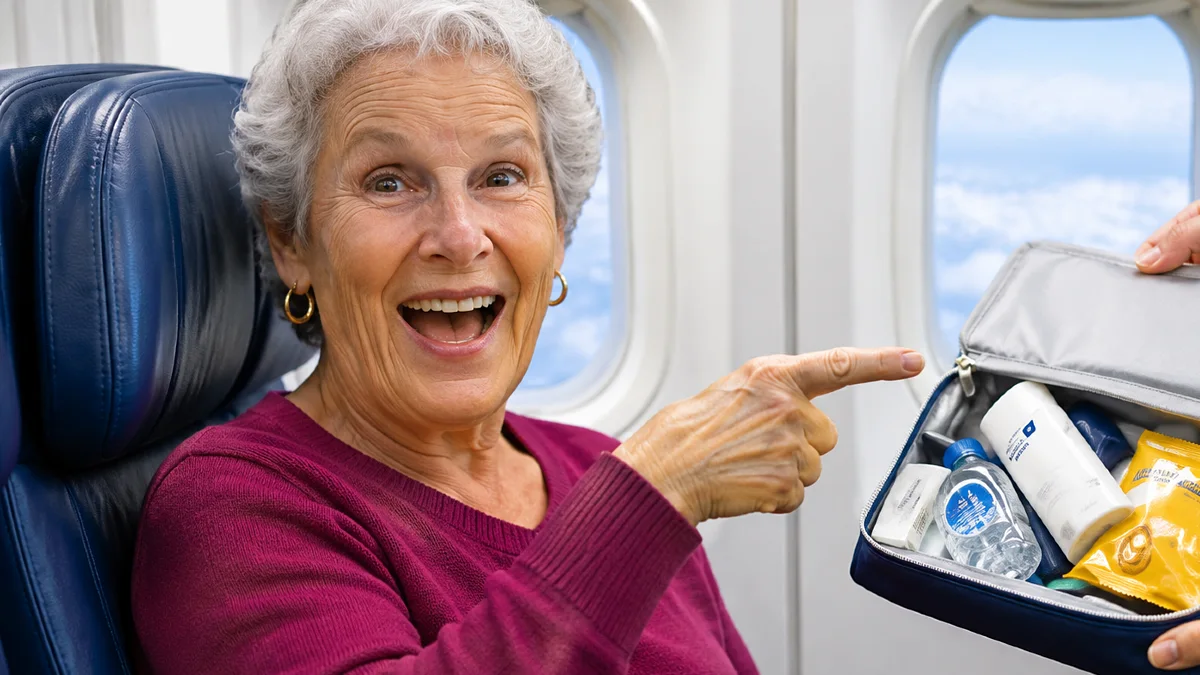
Picture a 72-year-old retiree we’ll call Linda, flying to her granddaughter’s wedding. She drags two bags through a long terminal, pays for a carry-on she could have checked free, and waits in a long security line with a bag of medications she isn’t sure she can bring.
None of that had to happen. Many free airline perks for seniors are built into federal rules or airline policies, but airlines rarely announce them.
They usually go to travelers who know to ask. The list below shows what to ask for and when.
What Airlines Must Do and What They Choose to Do
Some of these perks are legal rights. The Air Carrier Access Act, a federal law enforced by the U.S. Department of Transportation, requires airlines to help passengers with disabilities, and that includes many older travelers with mobility, hearing, vision or other needs.
Other perks are airline policies or voluntary promises. They can be generous, but they can also change, so it helps to know which is which before you rely on one at the gate.
| Perk | Type | When to Ask |
|---|---|---|
| Wheelchair or walking help, preboarding, seating help | Federal disability rule | When booking, and again at check-in |
| Medical devices that don’t count as carry-ons | Federal disability rule | At check-in and at the gate |
| Refunds for canceled or significantly changed flights | Federal rule | After a cancellation or major change |
| Gate escort pass, gate check, seat changes | Airline policy | At the counter or gate |
| Meals and hotels during delays | Voluntary airline promise | During a long or overnight delay |
Disability rules apply when you have a physical or mental condition that affects activities like walking, seeing or hearing. Age alone does not qualify you, but you do not need to prove a diagnosis to ask for most kinds of help.
1. Free Wheelchair or Walking Assistance Through the Airport

Airlines must provide free help getting through the airport to passengers with disabilities, including wheelchairs and staff assistance from check-in to the gate. Many people think this is only for those who can’t walk at all, but it also covers people who can walk short distances but struggle with long terminals.
Ask for this when you book, and confirm it again 48 hours before your flight. If you can walk but need help with distance, you can say so, and many airlines will arrange a wheelchair or an electric cart.
What you say can be simple: “I can walk short distances, but I need help getting from check-in to my gate.” You are not required to explain your medical history to get this service.
2. Help Making Your Connection

Airline assistance is not only for your first gate. Airlines are also required to help passengers with disabilities make connections, including getting from one gate to another.
The catch is that the request must actually be in the system for each flight. When you book, ask the airline to note assistance at every connecting airport, and check again 48 hours before departure that it appears on every leg of your trip.
This matters most at large airports with tight connections. A wheelchair or cart waiting at the jet bridge can turn a stressful sprint into an easy transfer.
3. Boarding Before Everyone Else
Passengers with disabilities who need extra time or help to board can ask to board early. Under federal rules, you can self-identify at the gate, and the airline must offer this help.
Go to the gate desk before boarding starts and say, “I need a little extra time to board, and I’d like to preboard.” Doing it early means you can settle in, store your bag and sit down before the aisle fills up.
Boarding early also helps you find overhead bin space close to your seat. That saves you from lifting a bag into a bin rows away from where you sit.
4. A Seat That Fits Your Physical Needs
Federal rules require airlines to provide certain seating accommodations when a passenger self-identifies with a specific need. Examples include an aisle seat with a movable armrest if you can’t easily get past a fixed one, and a seat next to a travel companion who assists you.
There are limits. The accommodation must fit the rule’s specific situations, and you usually need to ask in advance, often at least 24 hours before the flight, through the airline’s accessibility or special assistance line.
Explain the physical need, not a diagnosis: “I can’t easily get into a seat with a fixed armrest.” The airline then looks for a seat that works, and the rules say it can’t charge you for a required accommodation.
| What You Need | What to Ask For | Best Time to Ask |
|---|---|---|
| Help through the terminal | Wheelchair or ambulatory assistance | At booking and 48 hours before |
| Extra time to board | Preboarding | At the gate before boarding starts |
| Trouble with a fixed armrest | Aisle seat with a movable armrest | When booking, at least 24 hours before |
| A companion who helps you | Seat next to that companion | When booking |
These requests can be added to your reservation in a single phone call. Write down the name of the agent and the date, in case you need to point to it later.
5. Medical Devices That Don’t Count Toward Your Carry-On Limit

Under federal disability rules, assistive devices such as canes, walkers, wheelchairs and CPAP machines generally do not count toward your carry-on limit. Airlines also cannot charge to check wheelchairs and other mobility devices.
Policies for items like portable oxygen concentrators vary, and many require advance notice or airline approval, so check with your airline before the trip. Keep your medications and essential medical items in your carry-on, not in checked bags, in case your luggage is delayed.
If an agent tries to charge you, stay calm and say, “This is a medical device and shouldn’t count toward my carry-on allowance.” Most gate agents will check the policy once you raise it.
6. Bringing Liquid Medications Through Security

The TSA’s 3.4-ounce liquid limit does not apply to medically necessary liquids, such as liquid prescriptions, eye drops or insulin. You can bring larger amounts, but you need to tell the officer before screening so they can be checked separately.
The TSA does not require prescription labels, but labeled bottles make screening faster. Your state may also have its own labeling laws, so keeping medications in their original containers is a good habit.
Keep medications in an easy-to-reach bag. That way you can pull them out quickly at security and avoid digging through your carry-on while the line waits behind you.
7. Free Help From TSA Before You Fly
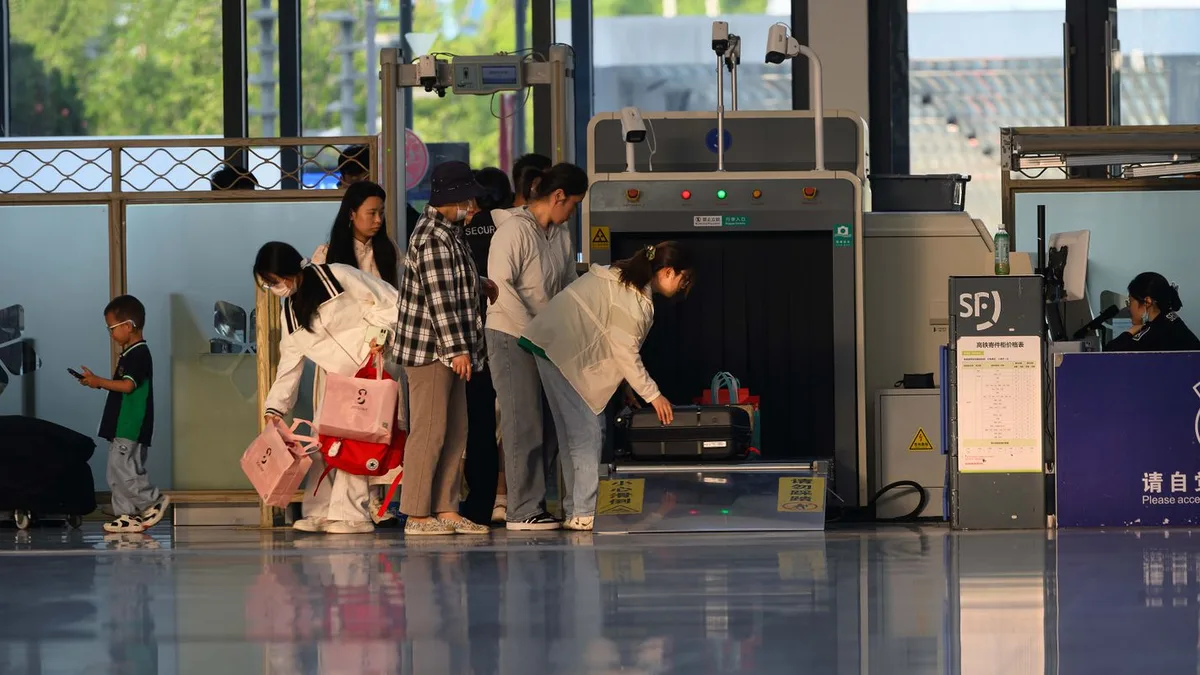
TSA Cares is a free helpline for travelers with disabilities, medical conditions and other special needs. The number is 855-787-2227, and the TSA asks travelers to call at least 72 hours before their flight.
You can ask questions about screening and, at many airports, request a Passenger Support Specialist, a trained officer who can help you through the checkpoint. This is useful if you use a wheelchair, have a pacemaker or joint replacement, or worry about a pat-down.
Some security steps are also easier than they used to be. In July 2025, the TSA ended its general rule that travelers must take off their shoes at standard checkpoints, though officers can still ask on a case-by-case basis.
8. A Gate Pass So Family Can Walk You to the Plane
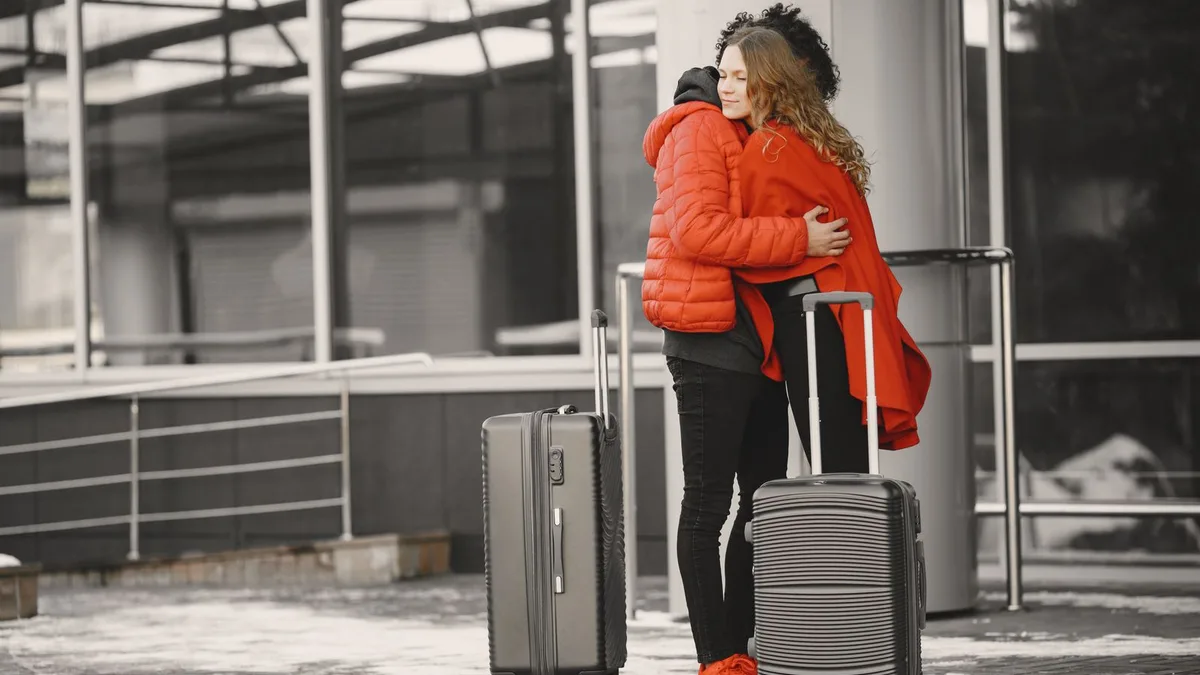
Most major U.S. airlines let a family member or friend go through security with you to help you reach the gate. This is called an escort pass or gate pass, and it is usually free.
Ask at a staffed check-in counter, not a kiosk. Your escort needs a valid ID and has to go through security like any passenger, so leave extra time.
Policies vary by airline and airport. Some airports also run their own visitor pass programs, so it’s worth checking the airport’s website before you go.
9. Free Gate-Checked Bags on Full Flights
When overhead bins run out of space, airlines often ask passengers to gate-check their carry-on bags for free. The bag is usually tagged to your final destination and goes in the plane’s cargo hold.
You don’t always have to wait for the announcement. You can ask the gate agent before boarding whether you can gate-check your bag, which saves you from lifting it into a bin.
Keep your medications, valuables and anything you need during the flight in a small bag that stays with you. Ask the agent to confirm your bag is tagged to your final destination, not your connecting city.
10. Special Meals on Long-Haul Flights

On many long international flights, airlines offer special meals at no extra charge, such as low-sodium, diabetic, low-fat or gluten-free options. These meals often come out first, before the main meal cart reaches your row.
Request your meal through the airline’s “manage my booking” page or by phone. Many airlines need the request at least 24 to 48 hours before the flight.
These meals are usually not offered on short domestic flights, which often serve only snacks. If you have strict dietary needs, pack your own food just in case.
11. Asking About Senior Fares

Senior fares used to be common, but most major U.S. airlines no longer advertise them. Some limited discounts may still exist on certain routes, often international ones.
These fares often don’t show up on comparison websites because those sites don’t know your age. It can be worth calling the airline and asking directly whether a senior fare is available for your route and dates.
Be ready for a “no,” and compare the senior fare to the regular fare. A senior fare is not always the cheapest option, especially when there’s a sale.
12. Asking for a Better Seat at the Gate

Seat maps change in the hours before a flight. Cancellations, missed connections and upgrades can open up aisle seats, exit rows or seats with extra legroom.
Arrive at the gate early, then politely ask the agent before boarding begins whether a better seat has opened up. Be specific: “Do you have an aisle seat with a bit more legroom? I have some trouble with my back on long flights.”
There’s no guarantee, and some airlines charge for extra-legroom seats. A friendly, specific request still costs you nothing to make.
13. Free Cancellation Within 24 Hours

Under a federal rule, if you book a flight at least seven days before departure, the airline must either let you cancel within 24 hours without a penalty or hold the fare for 24 hours without payment. The airline gets to choose which option it offers.
This rule applies to tickets bought directly from the airline. It does not cover tickets bought through travel agents or online travel agencies, which may have their own policies.
The 24-hour window gives you time to double-check your dates, compare prices and talk with family before you commit.
14. Automatic Refunds for Canceled or Changed Flights
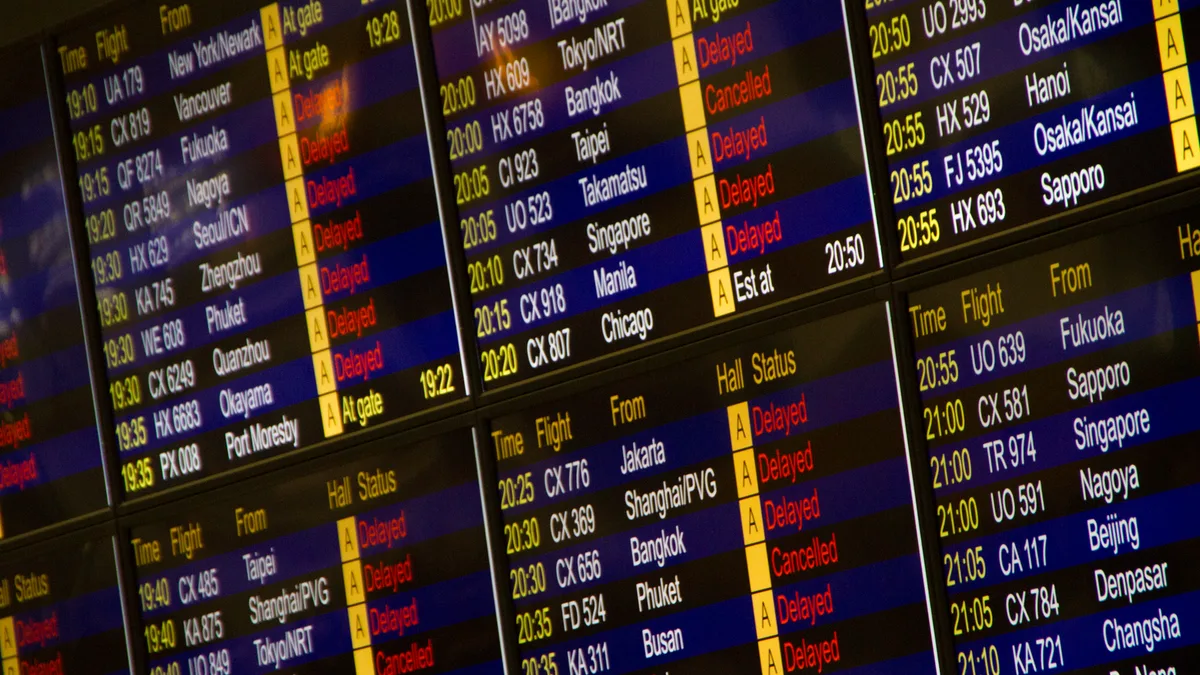
A 2024 federal rule requires airlines to give automatic cash refunds when a flight is canceled or significantly changed and you choose not to travel. You don’t have to accept a travel credit or voucher.
A significant change includes moving departure or arrival times by more than 3 hours on domestic flights or more than 6 hours on international flights. It also includes changing your departure or arrival airport or adding connections.
| Situation | Domestic Flight | International Flight |
|---|---|---|
| Schedule change that triggers a refund | More than 3 hours | More than 6 hours |
| Refund timing (credit card) | Within 7 business days | Within 7 business days |
| Refund timing (other payment) | Within 20 calendar days | Within 20 calendar days |
If you accept a new flight or a credit, you generally give up the automatic refund. Think about what you actually want before you click “accept” on a rebooking offer.
15. A Refund of Your Bag Fee if Your Luggage Is Late
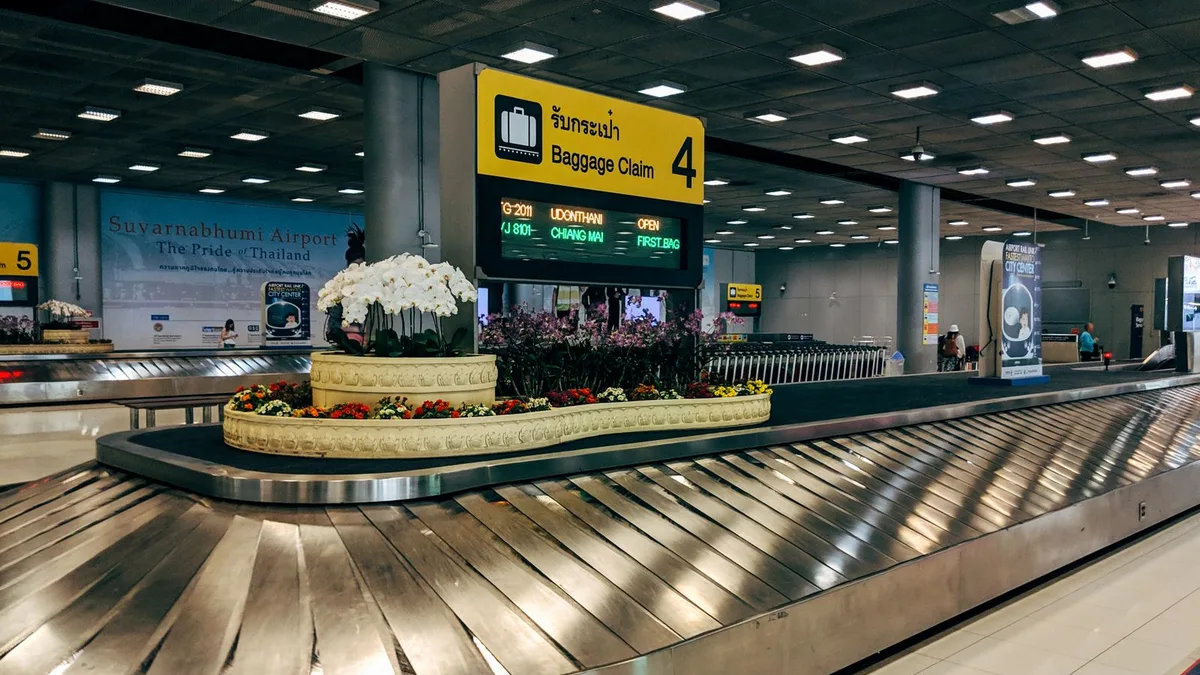
The same federal rule requires airlines to refund the checked bag fee when your bag is significantly delayed. For domestic flights, that generally means a bag not delivered within 12 hours of your flight arriving at the gate.
International flights have longer deadlines, depending on flight length. Report a delayed bag at the airport before you leave and keep a copy of your claim.
This refund is separate from any reimbursement for things you had to buy while waiting for your bag. Keep receipts for those, too.
16. Meals and Hotels During Long Delays
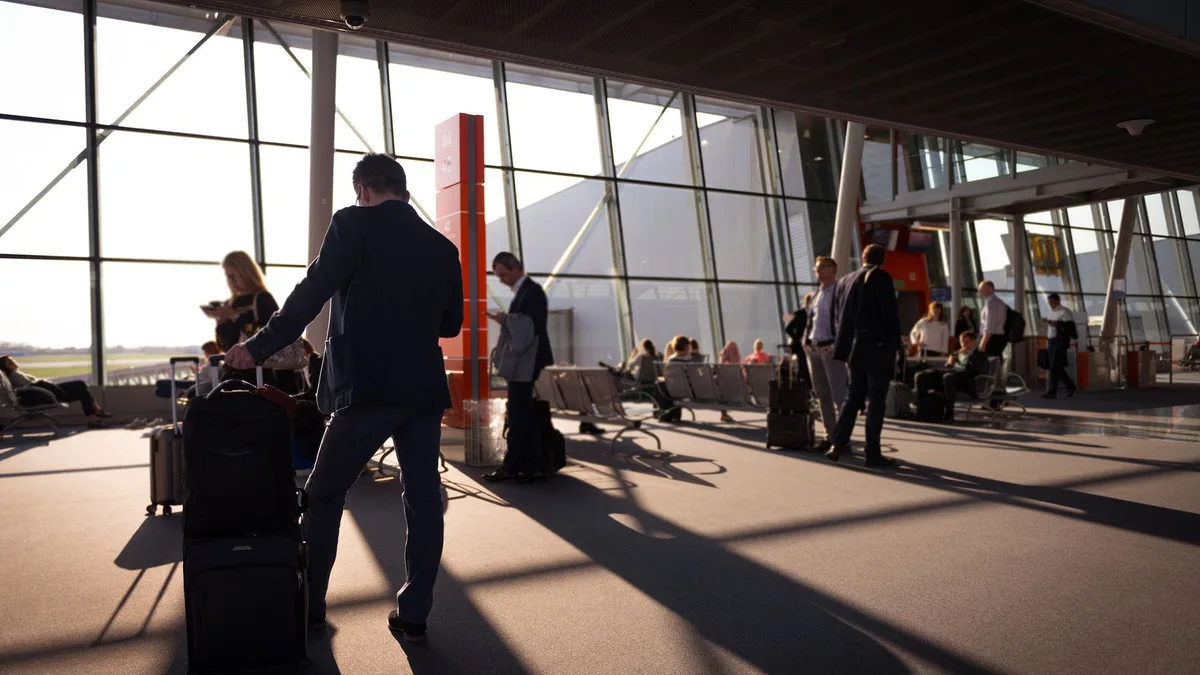
Most major U.S. airlines list their delay promises on the Department of Transportation’s Airline Customer Service Dashboard. Many commit to a meal or meal voucher when a delay within the airline’s control lasts three hours or more, and to a hotel and transportation for overnight delays.
There is an important change. A DOT rule that took effect October 19, 2026, moved 10 causes, including unscheduled maintenance, out of the “airline-controlled” category for reporting. Because many airline promises are tied to that category, fewer delays may now qualify, so check your airline’s current commitments on the dashboard.
If you think your delay qualifies, ask politely at the counter: “Is this delay within the airline’s control? I’d like the meal and hotel your airline lists on the DOT dashboard.”
17. A Complaints Resolution Official on Demand
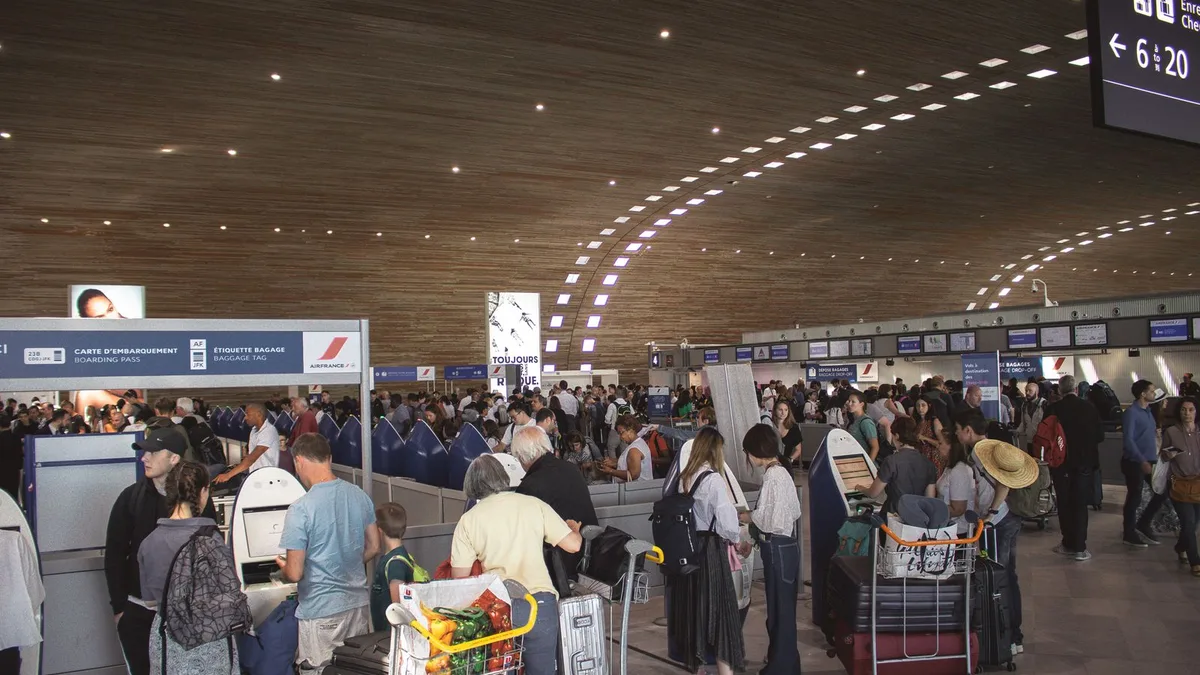
Every U.S. airline must have a Complaints Resolution Official, or CRO, available at each airport whenever it operates. A CRO is trained in disability rules and has the authority to resolve disputes about accommodations.
If you are refused wheelchair help, preboarding or a seating accommodation you’re entitled to, ask: “I’d like to speak with your Complaints Resolution Official, please.” The airline must make one available, in person or by phone.
Use this for disability-related problems, not fare complaints. You can also file a complaint with the Department of Transportation after your trip if the problem isn’t resolved.
| Before You Fly | At the Airport | If Something Goes Wrong |
|---|---|---|
| Request wheelchair, connection help and seating | Ask for an escort pass at the counter | Ask for the Complaints Resolution Official |
| Order a special meal for long flights | Tell TSA about liquid medications | Ask about the automatic refund |
| Call TSA Cares at least 72 hours before | Ask to preboard at the gate | Report delayed bags before leaving the airport |
Note: This article provides general information, not legal advice. Airline policies, federal rules and enforcement can change, so confirm current details with your airline, the TSA or the U.S. Department of Transportation before you travel.