
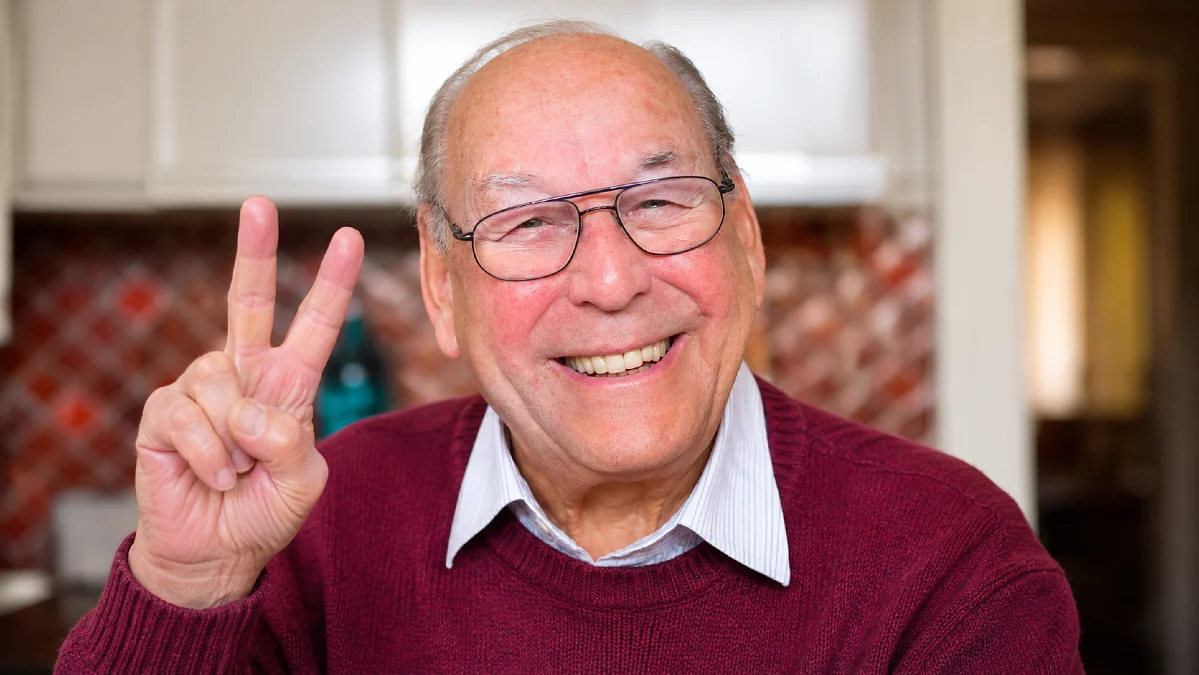
Some older adults dread a quiet house, while others treasure it. The difference often has less to do with personality than with a set of habits, skills and choices built over many years.
Loneliness is a real risk later in life, and it can affect health, money and happiness. Yet plenty of people live alone in their 60s, 70s and 80s and genuinely like it.
Here are 14 traits of older people who enjoy being alone, based on research and practical experience. You’ll also see the money and safety habits that make solitude work long term.
Solitude Isn’t the Same as Loneliness
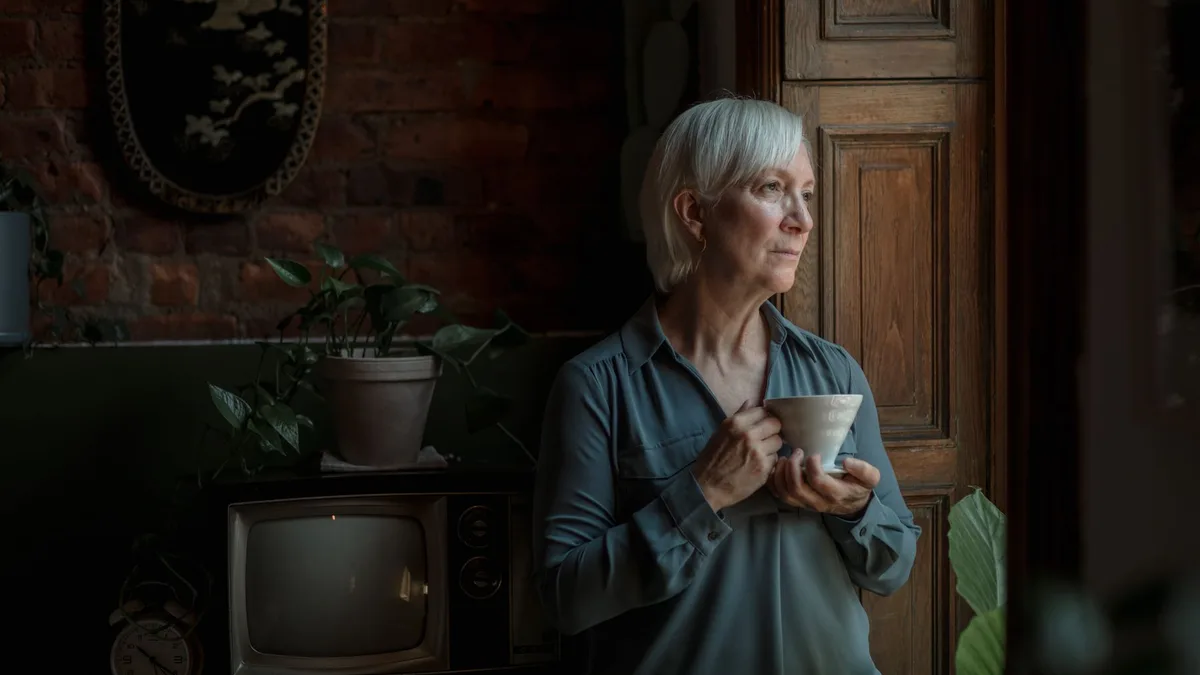
Living alone is common in later life. According to the Administration for Community Living’s 2023 Profile of Older Americans, about 10.5 million women and 5.7 million men 65 and older lived alone, roughly a third of older women and about a fifth of older men.
Loneliness is a different thing. It is the painful feeling that your connections don’t meet your needs, and you can feel it in a crowded room just as easily as in an empty house.
Research suggests that chosen solitude can be a positive experience. In studies of adults ages 18 to 88, older age and a sense of choice, or autonomy, were linked to more positive feelings during time alone.
| Key Figure | Amount (Source, Year) | Why It Matters |
|---|---|---|
| Older women living alone | About 10.5 million (ACL, 2023 Profile) | Living alone is common, not a sign of failure |
| Older men living alone | About 5.7 million (ACL, 2023 Profile) | Men often have smaller support networks |
| Adults 45+ who are lonely | 40%, up from 35% in 2010 and 2018 (AARP, 2025) | Loneliness is rising, especially in midlife |
| Adults 60+ who are lonely | 35% (AARP, 2025) | Many older adults feel connected, many don’t |
| Average time alone per day, adults 45+ | About 5.6 hours (AARP, 2025) | Time alone itself isn’t the problem |
The numbers show why the difference matters. Many people spend hours alone each day without feeling lonely, and the traits below help explain why.
1. They Know Themselves Well
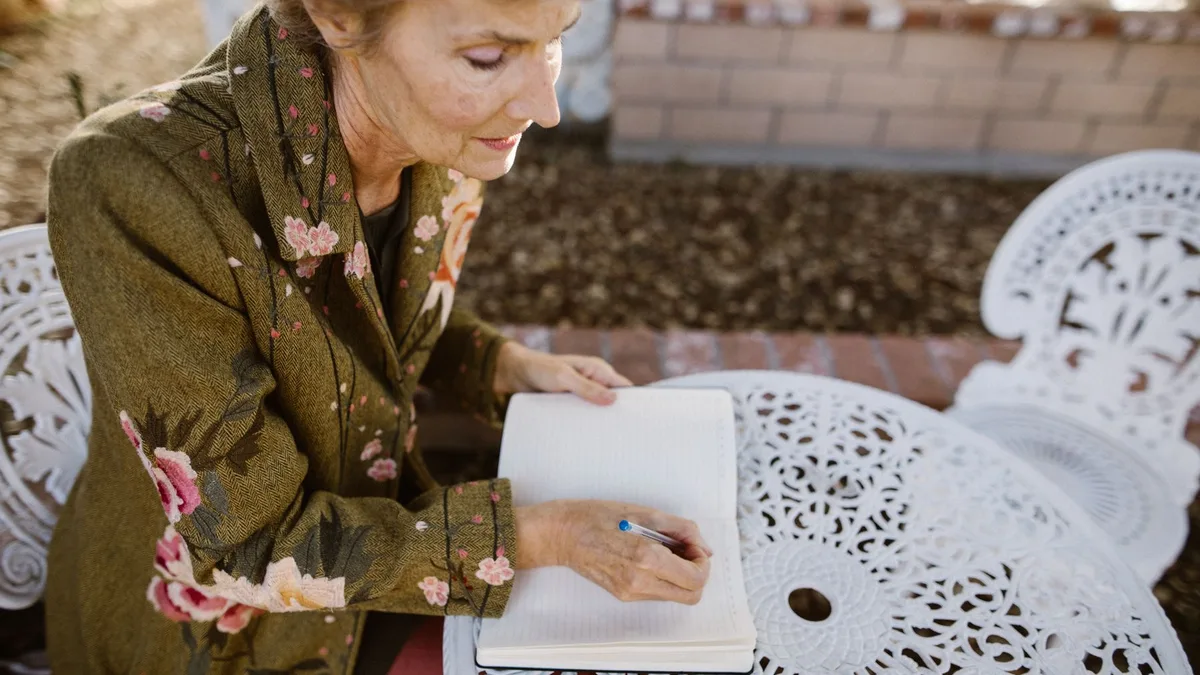
People who enjoy solitude usually have a clear sense of who they are. After decades of experience, they understand their strengths, weaknesses and what genuinely makes them happy.
That self-knowledge brings a calm kind of confidence. They don’t need constant reassurance from others, because they already know what they value and how they want to spend their days.
Many build this awareness on purpose. Journaling, prayer, meditation or simply a quiet morning routine gives them space to notice their thoughts and feelings instead of rushing past them.
Self-awareness also helps with big decisions. When you know what matters most to you, choices about where to live, how to spend money and how much social time you want become clearer and less influenced by other people’s expectations.
2. They Are Comfortable Being Independent
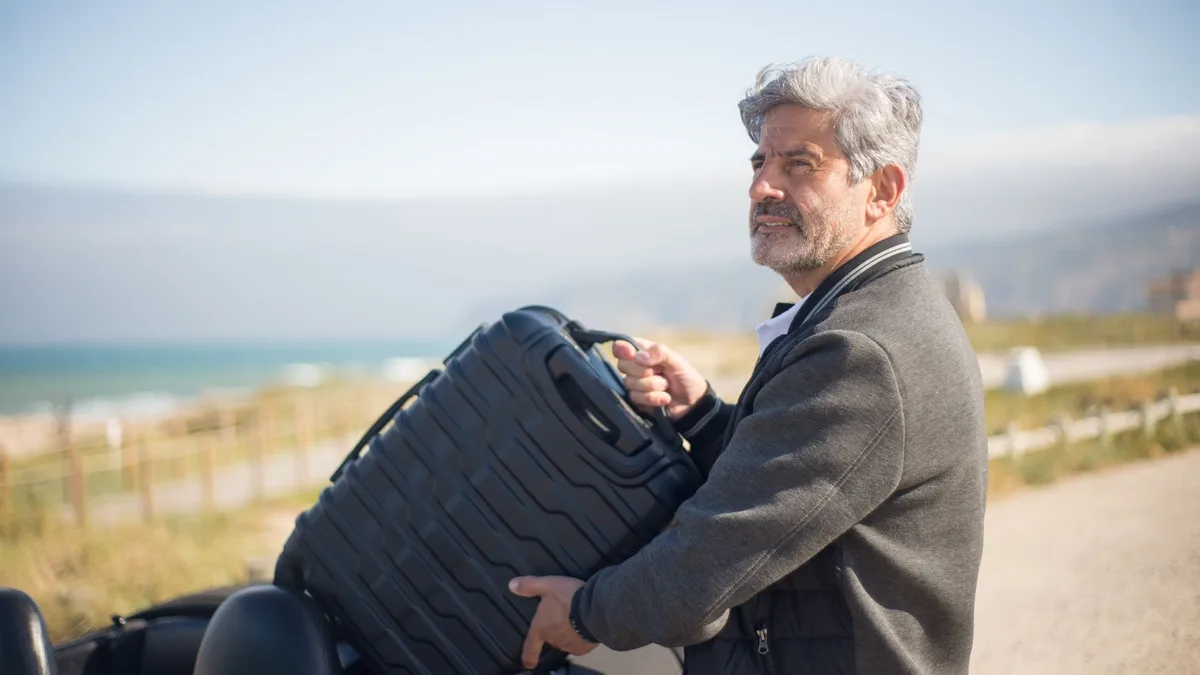
Older adults who like being alone tend to trust themselves to solve problems and make decisions. They may take a trip on their own, handle home repairs with the right help, or try a new restaurant without waiting for company.
That independence builds resilience. Each challenge they handle on their own adds confidence for the next one, which matters a lot after losing a spouse or moving to a new place.
Independence doesn’t mean refusing help. The healthiest version is knowing what you can do yourself and being willing to ask when you can’t, which keeps you safe as well as free.
Many people practice independence in small ways first. Eating alone at a favorite cafe, going to a movie solo or taking a day trip on your own can build comfort before bigger adventures.
Solo travel has become more common for older adults, and many tour companies now offer trips designed for single travelers. Some reduce or waive the single supplement fee, so it is worth asking before you book.
3. They Have a Creative Outlet
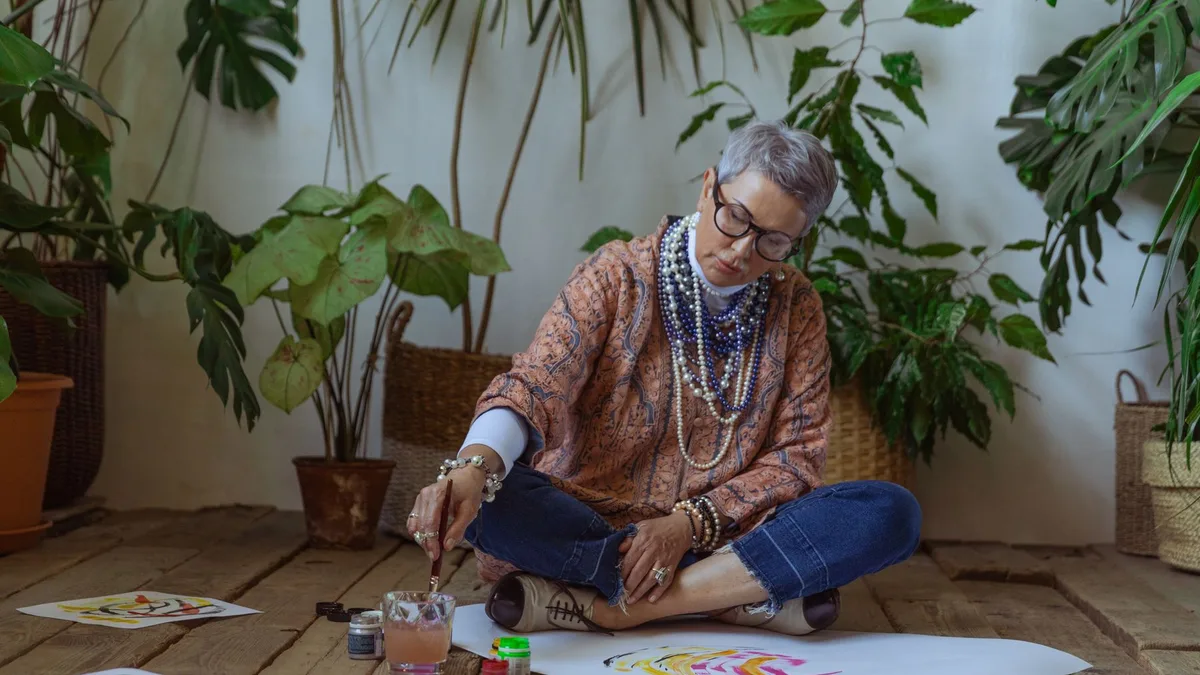
Many people who enjoy time alone use it to create something. Painting, writing, gardening, woodworking, music, knitting and cooking all give quiet hours a sense of purpose and progress.
Creative activities also give the mind something to focus on besides worry. Time that might feel empty becomes time you look forward to, and finished projects bring a sense of accomplishment.
You don’t need talent to begin. Libraries, community colleges and senior centers often offer low-cost classes, and many people discover new skills in their 60s and 70s.
Creative hobbies can also bring people together. A painting group, community garden or writing class offers built-in company with others who share the same interest, which balances quiet hours at home.
4. They Have a Rich Inner Life

People who like solitude often love to read, think and learn. They might follow history, study a language, explore their family tree or listen to lectures and podcasts on topics they never had time for while working.
That curiosity keeps the mind engaged and makes them interesting company. They often bring fresh ideas and stories to conversations because they spend time thinking deeply on their own.
Lifelong learning can also be free or inexpensive. Public libraries offer books, audiobooks and online courses, and many state universities let older adults audit classes at reduced or no cost, depending on the state.
Learning also keeps the brain active. Many researchers believe mentally stimulating activities may help support thinking skills as we age, and at the very least they make long days more interesting.
5. They Bounce Back From Hard Times
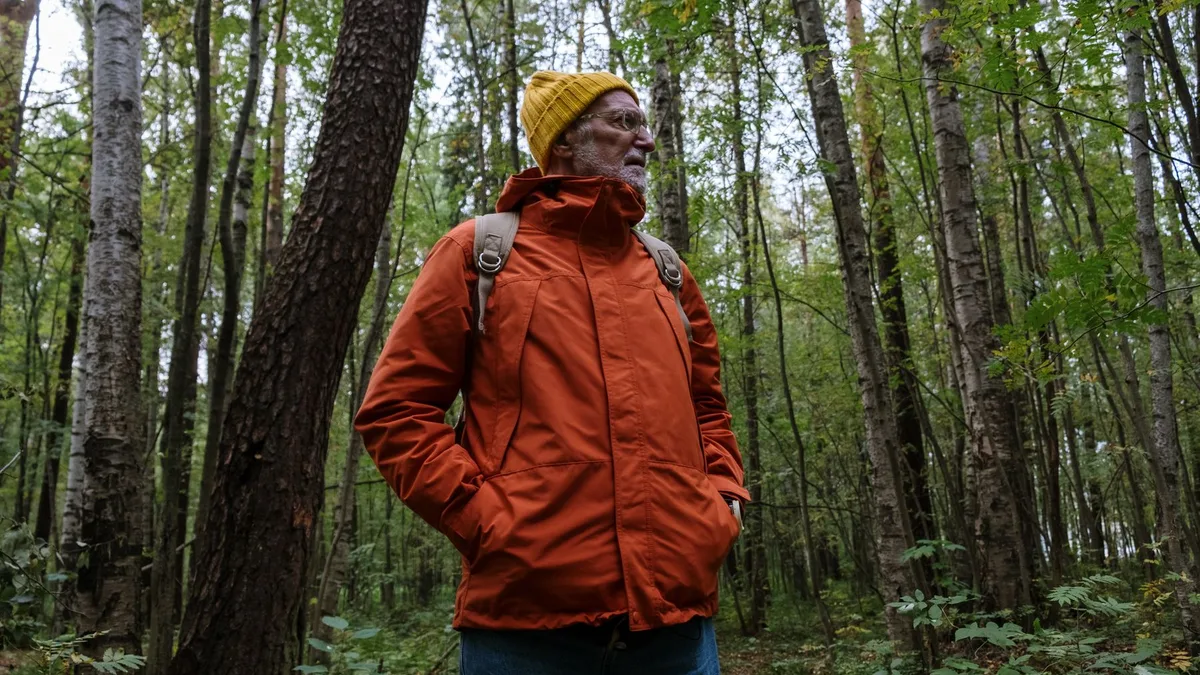
Emotional resilience is a common trait among older people who enjoy being alone. They have learned to sit with difficult feelings, process them and find healthy ways to cope, like walking, prayer or talking with a trusted friend.
This doesn’t mean they never feel sad or lonely. It means those feelings don’t take over their lives, and they know what helps them recover.
Many learned this through loss. People who have outlived a spouse, friends or siblings often describe a quiet strength that came from getting through the worst days, and they draw on it when new challenges arrive.
Resilience grows with practice and support. If sadness lingers for weeks or makes daily life hard, talking with a doctor or counselor is a sign of strength, and the 988 Suicide & Crisis Lifeline is available any time by call or text.
6. They Find Joy in Simple Things
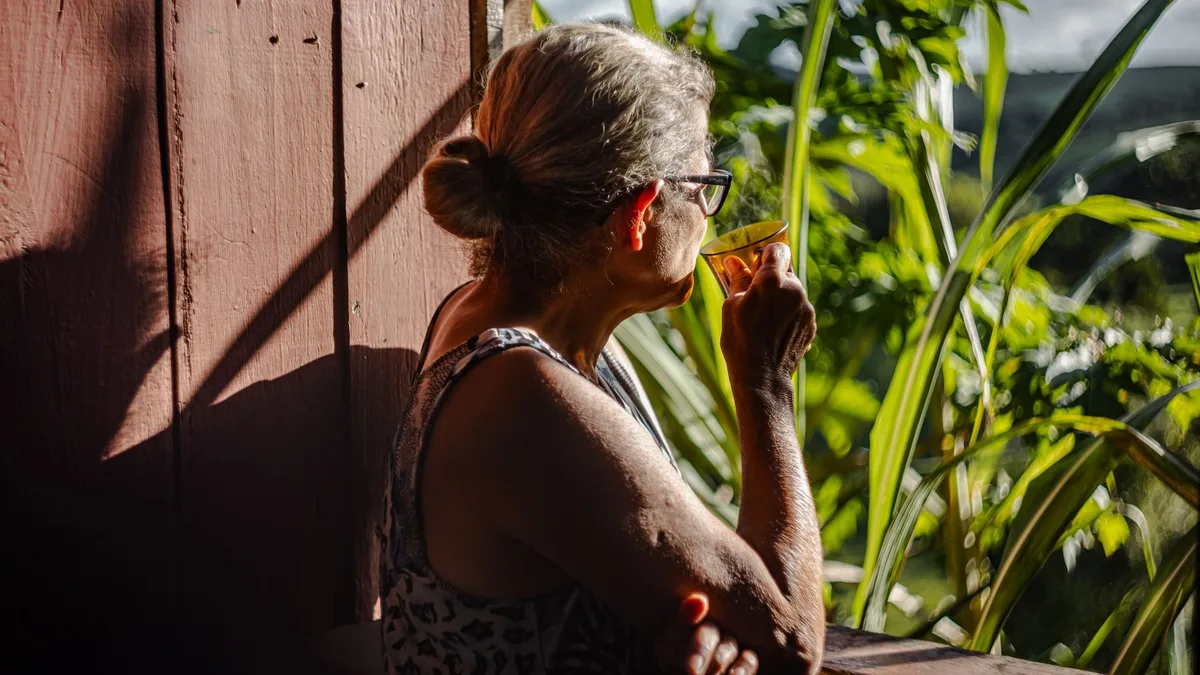
Many people who enjoy solitude have a strong sense of gratitude. A morning cup of coffee, birdsong, a good book or a sunset can feel genuinely rewarding.
That appreciation for small pleasures has a practical side. When joy comes from simple, low-cost moments, life feels full without constant spending or entertainment.
Some build this habit deliberately. Writing down three good things each evening, or pausing to notice something pleasant during a walk, trains the mind to look for what’s going right.
Gratitude also helps protect against comparison. When you focus on what you enjoy instead of what others have, it becomes easier to feel content with a simpler, quieter life.
7. They Are Deeply Empathetic
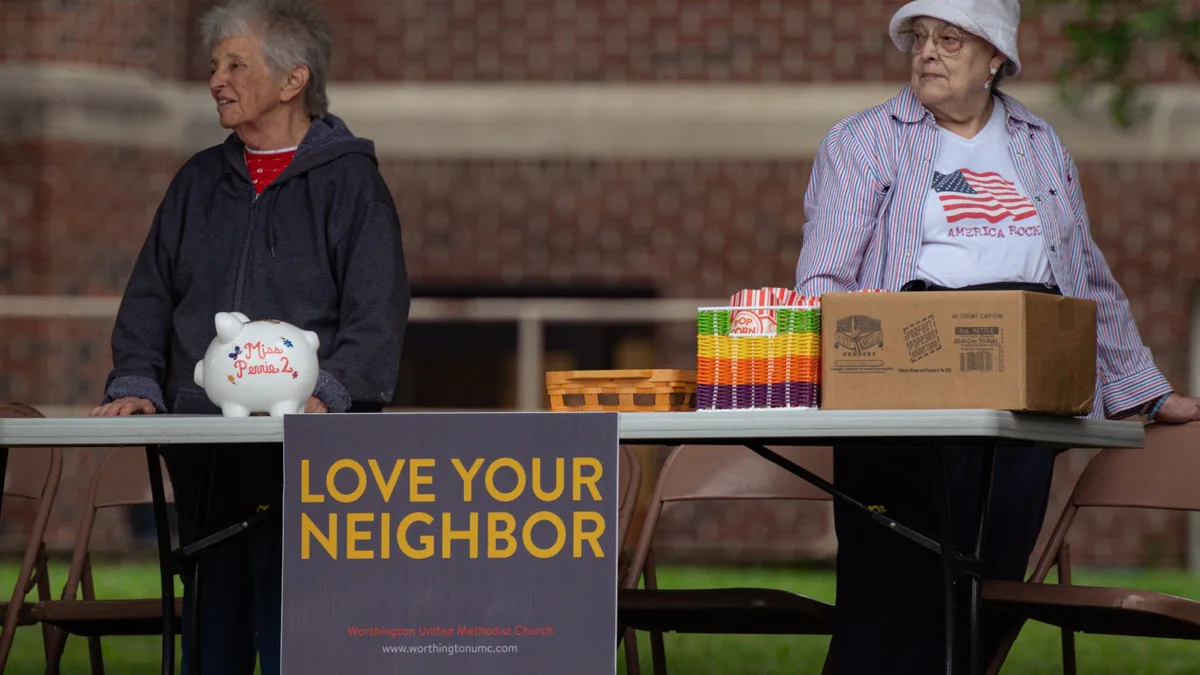
Time alone often gives people space to reflect on their own experiences, including loss and struggle. That reflection can make them more understanding of what other people are going through.
Many put that empathy to work as volunteers. Food pantries, hospitals, literacy programs, faith communities and mentoring programs all welcome older adults with time and life experience to share.
Volunteering also benefits the volunteer. It adds purpose and regular social contact, so it balances solitude with meaningful connection rather than replacing it.
Even small acts count. Checking on a neighbor, writing letters to a grandchild or calling a friend who is going through a hard time all put empathy into action without a big time commitment.
8. They Set Healthy Boundaries

Older people who enjoy being alone usually know how to say no. They decline invitations when they need rest, and they don’t feel guilty about protecting their time and energy.
Good boundaries also protect money. Many older adults feel pressure to lend money, co-sign loans or cover family expenses, and being able to say no kindly can protect savings that need to last for decades.
The trick is to be warm but clear. A simple “Thank you, but I need a quiet evening” or “I can’t help with money right now, but I’d love to see you Sunday” protects your needs without damaging the relationship.
Boundaries can also protect against scams. Older adults who are comfortable saying no and hanging up on pushy callers are better protected from fraud that targets people living alone.
9. They Value Quality Over Quantity in Relationships
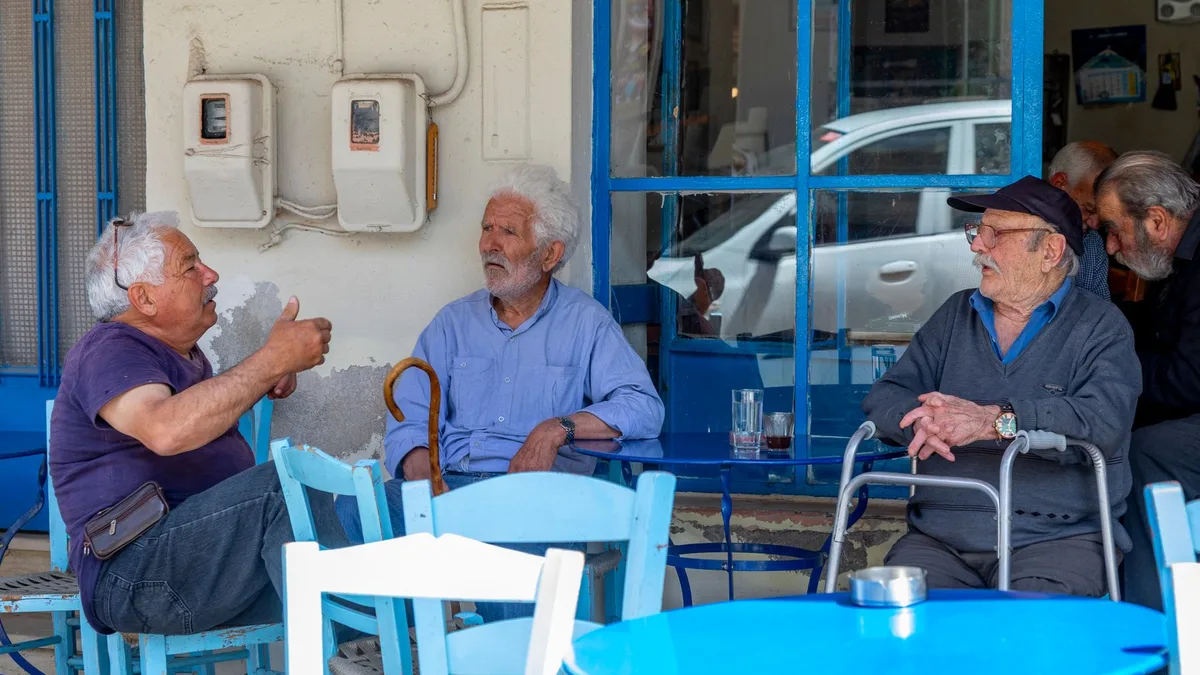
Enjoying solitude doesn’t mean avoiding people. Many older adults who like time alone have a small circle of close friends and family they truly treasure.
Because they recharge on their own, they tend to be fully present when they are with others. Their time together is often more meaningful than a busy calendar of shallow social events.
This balance matters for health. A 2020 report from the National Academies of Sciences, Engineering, and Medicine linked social isolation in older adults to higher risks of dementia, heart disease and early death, so even the most independent people benefit from a few strong ties.
Keeping those ties strong takes a little effort. A standing weekly call, a monthly lunch or a holiday tradition gives relationships a rhythm that doesn’t depend on chance.
10. They Feel in Control of Their Money

Living alone comfortably is much easier when money feels manageable. Many people who enjoy solitude know exactly what comes in each month, what goes out and how long their savings might last.
Single-income households face a challenge. Housing, insurance, utilities and internet cost much the same for one person as for two, so those fixed costs take a bigger share of a single budget.
Consider a hypothetical retiree living alone with $2,400 a month from Social Security and a $600 pension. If housing, utilities, phone and internet total $1,550, that leaves $1,450 for health care, food, transportation and everything else.
| Monthly Item | Hypothetical Amount | Share of $3,000 Income |
|---|---|---|
| Housing (taxes, insurance, maintenance or rent) | $1,200 | 40% |
| Utilities, phone and internet | $350 | 12% |
| Medicare premiums and out-of-pocket health costs | $400 | 13% |
| Food and household supplies | $500 | 17% |
| Transportation | $300 | 10% |
| Leftover for fun, gifts and savings | $250 | 8% |
The table is an illustration, not a recommended budget. It shows how quickly fixed costs add up for one person, and why knowing your numbers makes time alone feel secure rather than stressful.
People who enjoy living alone often build a cushion too. An emergency fund for a few months of expenses can turn a broken furnace or car repair into an inconvenience instead of a crisis.
11. They Keep a Daily Routine
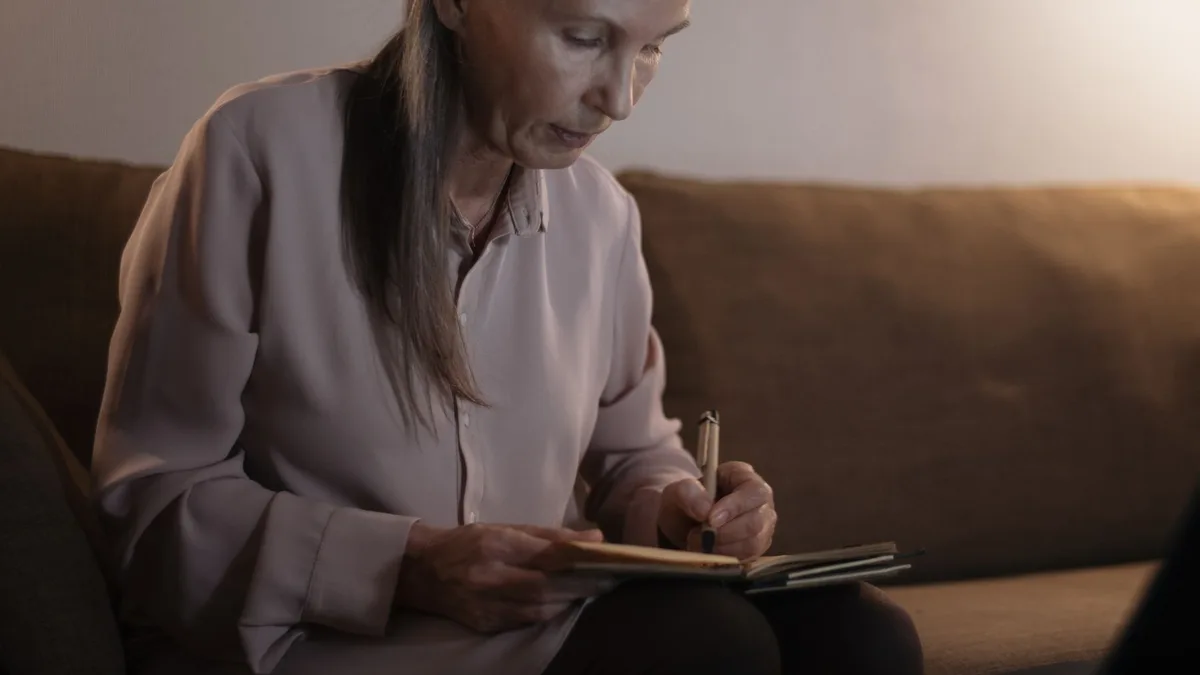
Without a job or partner to set the schedule, days can blur together. People who thrive alone usually keep a gentle structure, like regular wake-up times, meals, walks and evening rituals.
Routine provides comfort and a sense of purpose. It also makes it easier to notice when something is off, such as skipped meals or changes in sleep, which can be early signs of health problems.
A routine doesn’t need to be rigid. Many people combine fixed anchors, like morning coffee and an afternoon walk, with flexible time for whatever feels right that day.
Weekends and holidays can be the hardest days for people living alone. Planning one small outing, call or special meal for those days in advance can keep them from feeling empty.
12. They Take Care of Their Bodies
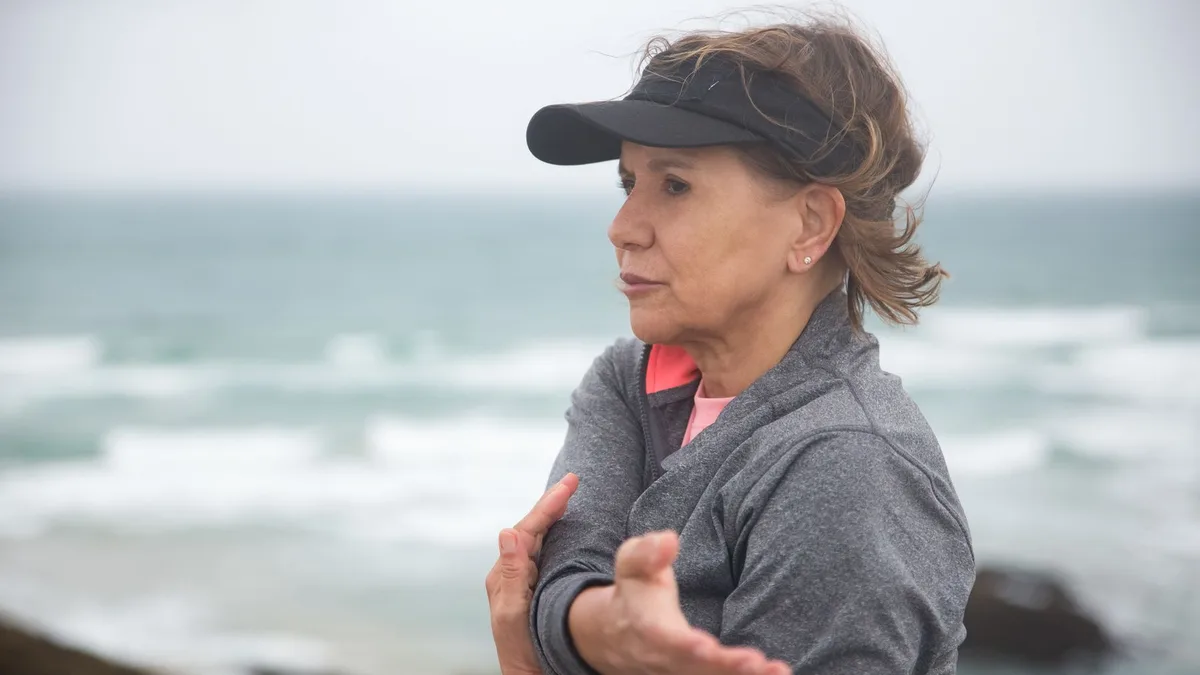
Staying active makes living alone easier and safer. People who walk, garden, swim or do strength exercises are more likely to keep the balance and strength needed to handle daily tasks on their own.
The CDC recommends that adults 65 and older aim for about 150 minutes of moderate activity a week, plus muscle-strengthening at least two days a week and activities that improve balance. Many Medicare Advantage plans include fitness programs at no extra cost, so check your benefits.
Regular checkups matter too. Medicare Part B covers a yearly Annual Wellness Visit, generally at no cost if your provider accepts assignment, which is a good time to review medications, falls and memory.
Eating well matters when cooking for one. Simple meals, batch cooking and frozen vegetables make it easier to eat healthy food, and local nutrition programs funded by the Older Americans Act may offer group or home-delivered meals.
13. They Have a Safety Net
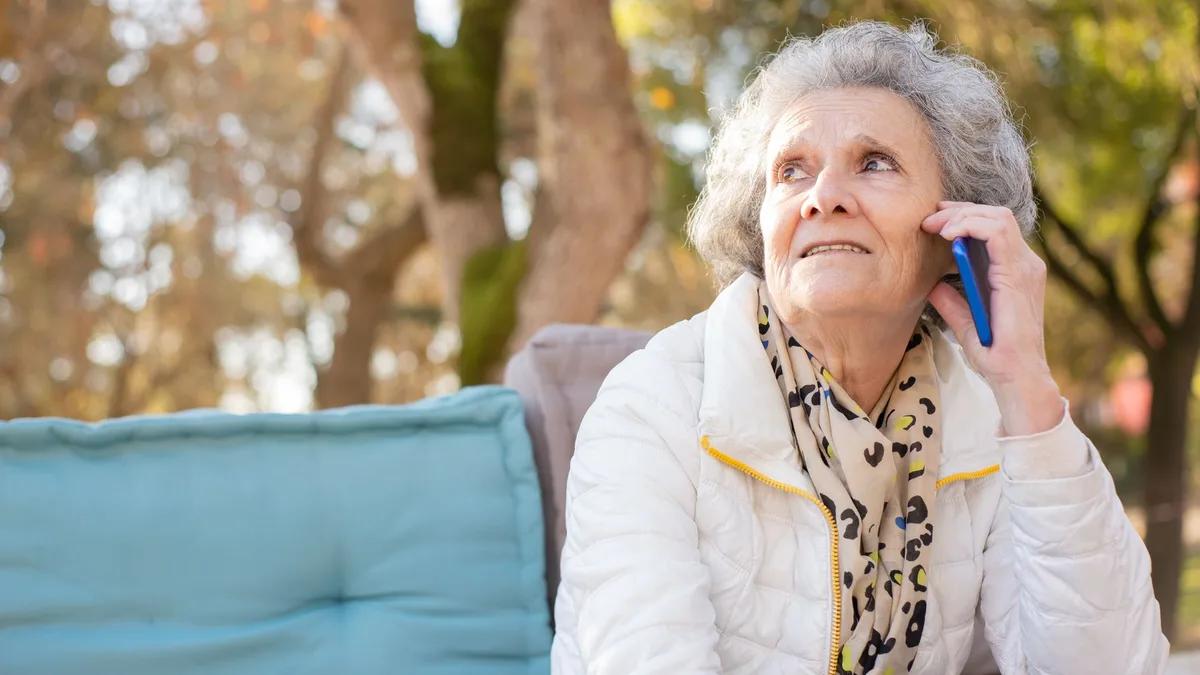
The most practical people who live alone don’t rely on luck. They have a plan in case they fall, get sick or can’t reach the phone.
That plan might include a daily check-in with a friend, a neighbor with a spare key, a medical alert device or a smartwatch with fall detection. Monitored medical alert services typically cost about $20 to $60 a month, and Original Medicare generally doesn’t pay for them.
Home safety helps as well. The CDC reports that more than 14 million older adults, about 1 in 4, report a fall each year, so grab bars, good lighting and clear walkways are smart investments.
Many communities offer free or low-cost help with home safety. Your local Area Agency on Aging may know about programs that install grab bars or check homes for hazards, especially for people with limited incomes.
14. They Plan Ahead for the “What Ifs”
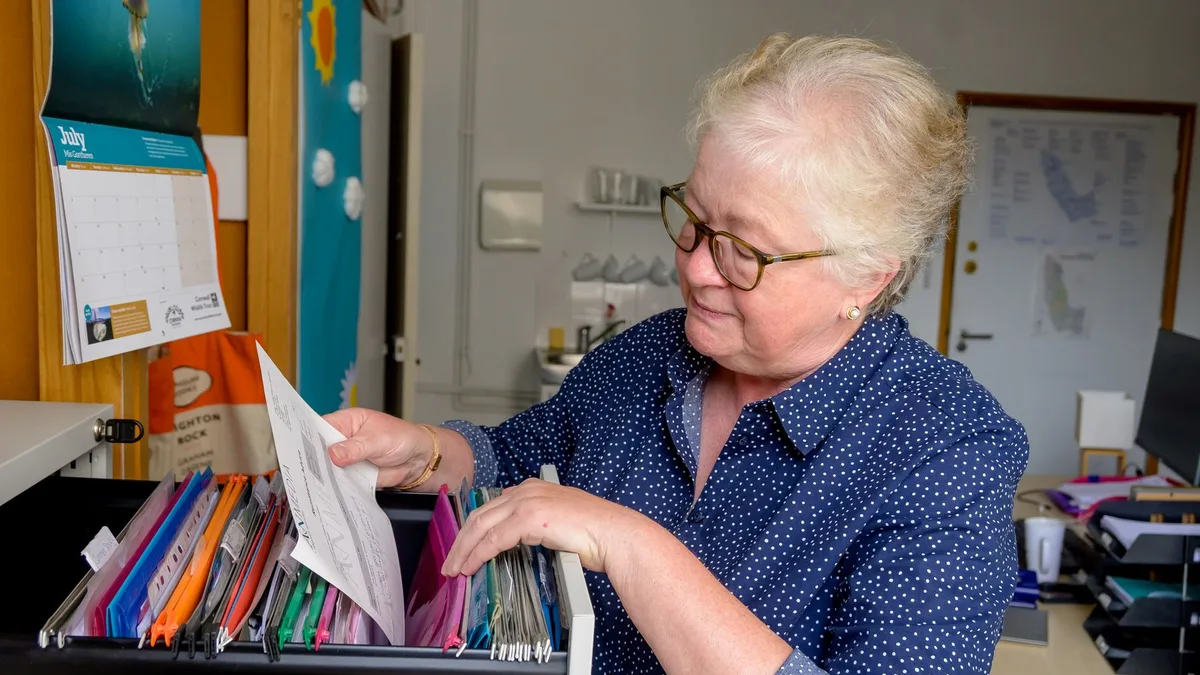
People who enjoy being alone usually don’t want others making decisions for them in a crisis. That is why many put key documents in place while they are healthy.
A durable financial power of attorney, a health care proxy and an advance directive let trusted people step in if needed, following your wishes. Without them, families may need to go to court, which is slow, stressful and expensive.
Planning also covers the money side of aging. Knowing that Medicare generally doesn’t pay for long-term custodial care, many people look into savings, long-term care insurance or Medicaid rules in their state, ideally with an elder law attorney.
It also helps to write down where everything is kept. A short list of accounts, insurance policies, where passwords are kept and key contacts makes it far easier for a trusted person to help if you ever need it.
| Common Belief | Reality | Better Way to Think About It |
|---|---|---|
| People who like being alone are antisocial | Many have close, meaningful relationships | They value quality over quantity |
| Living alone means being lonely | Loneliness can happen with or without company | Choice and connection matter more than headcount |
| Solitude is risky for older adults | Unplanned isolation is risky, chosen solitude can be healthy | Build a safety net and stay connected |
| You need a partner to manage money well | Many singles manage money confidently | Know your numbers and build a cushion |
| Independence means never asking for help | Asking early protects independence | Get help before small problems grow |
The final row is worth remembering. The people who stay independent longest are often the ones willing to ask for help early, while they still have plenty of choices.
How to Build These Traits at Any Age
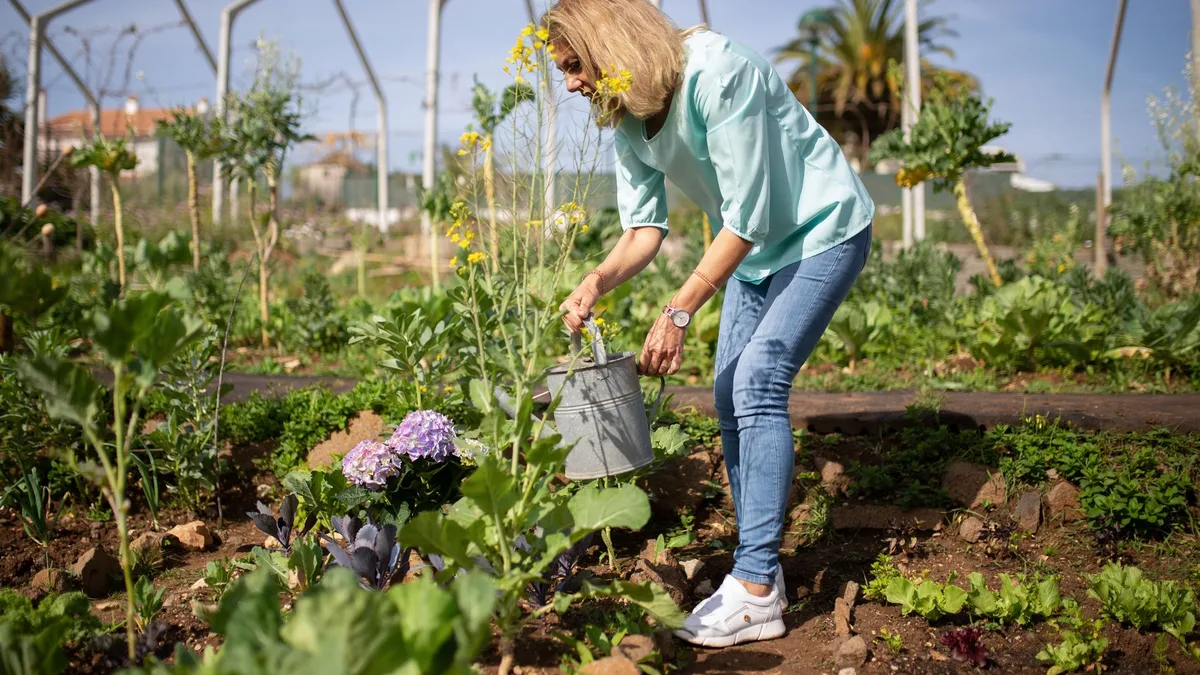
You don’t have to be born loving solitude. Many people grow into it after retirement, a divorce or the loss of a spouse, often by building one habit at a time.
Start with the basics that make time alone feel safe and secure. Set up a daily check-in, review your monthly budget and put your legal documents in order, then add something you enjoy, like a class, a creative project or a regular walk.
Balance is the goal. The older people who enjoy being alone most still stay connected, so keep a few close relationships, say yes to things that matter and reach out when quiet starts to feel heavy.
If you need ideas or support nearby, the Eldercare Locator at 1-800-677-1116 can connect you with your local Area Agency on Aging. Many offer classes, volunteer opportunities, meals and friendly visitor programs at little or no cost.
Note: This article provides general educational information, not individualized medical, financial or legal advice. Programs, prices and rules vary by location, so check current details with official sources or a qualified professional.