

Getting older brings changes nobody mentions at your retirement party. Some are physical, some are emotional, and some are habits that slowly creep in without you noticing.
Left alone, these habits can chip away at your health, your relationships and even your savings. A skipped hearing test or one trusting phone call can cost far more than most people expect.
The good news is that most have simple fixes once you spot them. Here are 16 habits that develop with age, why they happen and what you can do about each one.
Why These Habits Sneak Up on Us

Many of these changes are gradual. Energy, hearing, sleep and focus shift a little each year, so people adapt without realizing how much has changed until a friend or family member points it out.
Some habits are reactions to real losses, like a smaller social circle after friends move away or pass. Others come from understandable pride, like refusing help to prove you can still manage on your own.
None of these habits make someone less capable or less valuable. Recognizing them simply gives you the chance to make small adjustments that protect your health, independence and money.
| Key Figure | Amount (Source, Year) | Why It Matters |
|---|---|---|
| Metabolism decline after age 60 | About 0.7% a year (Science, 2021 study) | Calorie needs slowly drop, so weight can creep up |
| Adults 60+ who report loneliness | 35% (AARP, 2025) | Social pullback is common and fixable |
| Older adults who report a fall each year | More than 14 million, about 1 in 4 (CDC) | Moving less raises fall risk |
| Losses reported to the FBI by people 60+ | About $4.9 billion from about 147,000 complaints (IC3, 2024) | Scam calls are a serious money risk |
| Original Medicare coverage of hearing aids | Not covered | Hearing help often comes out of pocket |
These numbers show that many of the changes below are common and measurable. They also show that some, like scams and missing hearing help, carry a real financial cost.
1. Forgetting Names and Small Details

You run into a neighbor you’ve known for years and suddenly can’t recall their name. It’s embarrassing, but occasional slips like this are common as people age and are not, by themselves, a sign of dementia.
Simple systems help. Write down names and a detail about new people you meet, repeat a name out loud when you hear it, and keep a notes app or small notebook for things you want to remember.
If you forget, it’s fine to ask again. Most people are glad you care enough to get their name right, and saying “Remind me of your name?” is far better than avoiding the conversation.
See a doctor if memory problems start affecting daily life, like getting lost on familiar routes or repeatedly missing bills. Many causes, including medication side effects, sleep problems and vitamin deficiencies, can be treated.
2. Running Out of Energy Faster

Tasks that used to feel easy, like cleaning the kitchen or running errands, may now leave you tired. That can be frustrating, especially for people who were always on the go.
Pacing helps. Spread chores across the day or week, take short breaks, drink enough water and eat smaller balanced meals rather than one heavy one.
Ongoing exhaustion deserves a medical check. Fatigue can be linked to anemia, thyroid problems, depression, sleep apnea, heart issues or medications, so tell your doctor if it lasts more than a few weeks.
Short walks can help too. It sounds backward, but gentle regular movement often improves energy over time, while long stretches of sitting can leave people feeling more tired.
3. Gaining Weight Around the Middle

Many people notice their weight creeping up even though their habits haven’t changed. Part of the reason is that calorie needs shift with age.
A large 2021 study published in Science found that daily energy use stays fairly stable from about age 20 to 60, then declines by roughly 0.7% a year. Muscle loss with age also lowers how many calories your body burns.
The fix isn’t extreme dieting. Focus on portion sizes, protein, vegetables and whole foods, and add strength training to protect muscle, which helps keep your metabolism working.
Weight around the middle matters for more than appearance. Extra abdominal fat is linked to higher risks of diabetes and heart disease, so it’s worth discussing with your doctor at your next visit.
4. Filling the Calendar With Doctor Visits

It can start to feel like your whole month revolves around appointments. Checkups, blood tests and specialist visits all multiply as people age.
Frequent visits are often a good sign, because they mean problems are caught early. The challenge is keeping them organized, so use one calendar for all appointments and keep a running list of questions and symptoms to bring.
Take advantage of free preventive care. Medicare Part B covers a yearly Annual Wellness Visit and many screenings, generally at no cost if your provider accepts assignment, so ask which ones you are due for.
5. Losing Focus While Reading

Many lifelong readers find they can’t concentrate on a book the way they used to. After a few pages, their mind drifts.
Shorter reading sessions can help, along with reading at the time of day you feel most alert. Large-print books, e-readers with adjustable text and audiobooks from your library can make reading easier on tired eyes.
Keeping the brain busy in different ways also helps. Puzzles, learning a language, playing music or taking a class all challenge the mind, and good sleep and exercise support focus too.
Hearing and vision also play a role. If you are straining to see the page or follow a conversation, your brain works harder, which can make concentration slip faster.
6. Pulling Back From Social Life

As friends move away, pass on or face their own health issues, social circles naturally shrink. It becomes easier to stay home than to make new plans, and that habit can quietly turn into isolation.
According to AARP’s 2025 research, 35% of adults 60 and older reported feeling lonely. A 2020 report from the National Academies of Sciences, Engineering, and Medicine linked social isolation in older adults to higher risks of dementia, heart disease and early death.
Small, regular contact works better than big efforts. A weekly phone call, a book club, a faith group or a class at a senior center can rebuild connection, and the Eldercare Locator at 1-800-677-1116 can point you to local options.
7. Moving Less Without Noticing

Bending to tie your shoes or walking around the block may start to feel harder. Many people respond by doing less, which only makes muscles and joints weaker over time.
The CDC recommends that adults 65 and older aim for about 150 minutes of moderate activity a week, plus strength exercises at least two days a week and activities that improve balance. Walking, water aerobics, yoga and chair exercise classes are all good options.
Staying active also lowers fall risk. The CDC reports that more than 14 million older adults, about 1 in 4, report a fall each year, and stronger legs and better balance are among the best protections.
8. Sleeping Poorly and Waking at Night
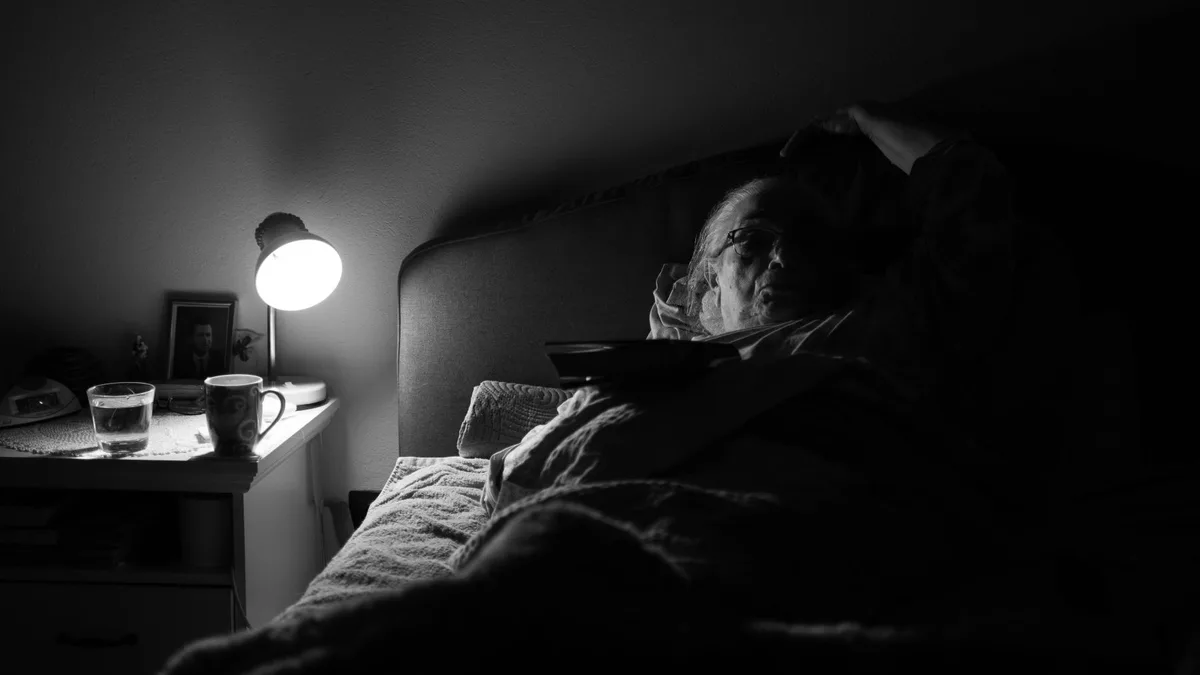
Many older adults find it harder to fall asleep or stay asleep. Waking at 3 a.m. and lying awake can leave you exhausted the next day.
A steady routine helps. Go to bed and get up at the same time, limit caffeine after midday, keep your bedroom cool and dark, and avoid long naps late in the afternoon.
Tell your doctor if poor sleep continues. Sleep apnea, pain, frequent nighttime urination and some medications can all disrupt sleep, and many of these problems can be treated.
9. Ignoring Changes in Vision and Hearing

Many people put off eye and hearing checks because they assume the changes are minor. But struggling to follow conversations or read clearly can make social situations stressful and isolating.
Cost is one reason people delay. Original Medicare doesn’t cover routine eye exams for glasses or hearing aids and the exams to fit them, though it does cover some diagnostic eye and hearing tests, and some Medicare Advantage plans include vision and hearing benefits.
There are more affordable options than there used to be. Since 2022, the FDA has allowed over-the-counter hearing aids for adults with mild to moderate hearing loss, which can cost far less than prescription models.
10. Feeling the Cold or Heat More

Temperatures that once felt comfortable may now feel too cold or too hot. Aging can change how the body regulates temperature, and some medications make it harder too.
Dress in layers, use an extra blanket at night and keep the home at a safe, steady temperature. In hot weather, older adults are at higher risk of heat-related illness, so use fans or air conditioning and drink plenty of fluids.
High energy bills can tempt people to turn the heat down too far or skip air conditioning. If cost is a problem, ask your utility about budget billing or apply for help through the Low Income Home Energy Assistance Program, LIHEAP.
Check on neighbors and relatives who live alone during heat waves and cold snaps. A quick call or visit can catch problems early, especially for people who don’t feel temperature changes as strongly as they once did.
11. Getting Short-Tempered

Some people find that small frustrations, like a delayed delivery or a confusing phone menu, set them off more easily than before. It can surprise them and the people around them.
Irritability can have real causes, including pain, poor sleep, hearing loss, medication side effects and depression. Addressing those issues often improves mood more than willpower alone.
Simple tools also help in the moment. Pausing to take a few slow breaths, stepping away from the situation and ending the day by noting a few good things can make frustration easier to manage.
12. Refusing Help Until It’s a Crisis

Many people resist help with groceries, cleaning or yard work because it feels like admitting defeat. They wait until a fall, illness or broken appliance forces the issue.
Accepting help early actually protects independence. Having someone carry heavy groceries or change high light bulbs lowers injury risk and saves energy for the things you enjoy.
Help doesn’t have to be expensive. Area Agencies on Aging often offer chore services, transportation and meal programs, and neighbors or family members may be glad to help if you ask.
13. Holding On to Too Much Stuff

Decades of belongings can pile up in closets, basements and garages. Letting go feels hard because so many items carry memories.
Clutter has real costs. It can create tripping hazards, make cleaning harder and leave a heavy job for family members later, and paying for a storage unit adds a monthly bill that can last for years.
Start small. Clear one drawer or shelf a week, take photos of sentimental items before letting them go, and give family heirlooms to the people who will treasure them now.
Decluttering can also make money. Selling furniture, collectibles or tools you no longer use can add a little cash, and donating items may qualify for a tax deduction if you itemize.
14. Avoiding New Technology

Many people decide that smartphones, online banking or video calls aren’t worth learning. Over time, that can make it harder to see doctors online, manage money or stay in touch with family.
You don’t need to master everything. Pick one or two skills that matter most, like video calls with grandchildren or checking your bank balance, and learn them step by step.
Libraries and senior centers often offer free technology classes. Family members can help too, but ask them to show you rather than do it for you, so you build confidence.
Technology can also make life safer and easier. Video visits with doctors, online prescription refills and automatic bill payments save trips and reduce the chance of missed payments.
15. Becoming Too Frugal With Money You Saved to Spend

Some careful savers find it hard to spend in retirement, even when their plan allows it. After decades of saving, watching the balance go down can feel uncomfortable.
That caution can protect against running out of money, but taken too far, it can mean skipping trips, gifts or home repairs that would improve quality of life. Some people even delay medical or dental care to save money, which can lead to bigger costs later.
A written plan helps. Knowing how much you can reasonably spend each year, based on your savings, Social Security and pensions, can give you permission to enjoy the money you worked hard to save.
| Common Belief | Reality | Better Way to Think About It |
|---|---|---|
| Forgetting names means dementia | Occasional slips are common with age | See a doctor if memory affects daily life |
| Being tired is just part of aging | Fatigue can have treatable causes | Ask your doctor about lasting exhaustion |
| Asking for help means losing independence | Early help can prevent falls and crises | Accept support before you need it |
| Medicare pays for hearing aids | Original Medicare doesn’t cover them | Check OTC options or Medicare Advantage benefits |
| Spending savings is irresponsible | Savings are meant to support retirement | Use a plan to spend with confidence |
The table highlights how many of these habits rest on assumptions. Checking the facts can turn worry into a simple next step.
16. Trusting Every Call, Text and Email

Older adults are frequent targets for scammers, partly because many have savings and are home to answer the phone. Scams often pose as government agencies, banks, tech support, grandchildren in trouble or romantic partners.
The losses are large. In its 2024 report, the FBI’s Internet Crime Complaint Center reported about $4.9 billion in losses from people 60 and older, from roughly 147,000 complaints, with investment scams causing the biggest losses.
A few habits offer strong protection. Let unknown calls go to voicemail, never pay with gift cards or crypto, hang up and call the official number yourself, and talk to someone you trust before sending money.
If you think you’ve been targeted, report it. You can file a report at the FBI’s ic3.gov, contact the FTC at ReportFraud.ftc.gov or call the National Elder Fraud Hotline at 1-833-372-8311 for help.
Your Simple Action Plan
You don’t need to tackle all 16 habits at once. Choose the ones that affect your health, safety and money the most, and start there.
| Priority | What to Check | What to Do Next |
|---|---|---|
| 1 | Scam protection | Let unknown calls go to voicemail and never pay with gift cards |
| 2 | Hearing and vision | Book exams and look at OTC hearing aid options |
| 3 | Activity and balance | Add walking and two strength sessions a week |
| 4 | Sleep and energy | Talk to your doctor about lasting fatigue or poor sleep |
| 5 | Social connection | Schedule one regular call, class or group each week |
The top row may save the most money. A single scam can wipe out years of savings, while a voicemail habit costs nothing.
Small Changes Make a Big Difference

Habits that develop with age are normal, and noticing them is a sign of awareness, not decline. The goal isn’t to fight every change but to adjust in ways that keep you healthy, connected and in control.
Pick one or two habits from this list this week. Book a hearing test, set your phone to send unknown calls to voicemail, join a walking group or clear one shelf.
If you are reading this for a parent, approach the conversation with respect. Ask what feels harder than it used to, and offer help with one practical step rather than a long list of fixes.
Note: This article provides general educational information, not individualized medical, financial or legal advice. Coverage, programs and prices vary, so check current details with your doctor, Medicare or a qualified professional.