

Some people spend their entire lives trying to look successful. They drive expensive cars, wear costly watches, and fill their homes with things that impress visitors. Yet behind those beautiful doors, they may be struggling to pay their bills.
Others live differently. Their cars are ordinary, their homes are modest, and their clothes rarely attract attention. But they have something far more valuable than an expensive lifestyle: the freedom to make choices without worrying about money every day.
That difference often comes down to what people choose to buy. One person spends money to show the world how well life is going, while another quietly builds a life that needs less approval from anyone.
The most valuable purchases are often the ones nobody notices. They can give you security, control, better opportunities, and more time to enjoy your life.
1. Buy Assets That Can Make Money Without Your Daily Work
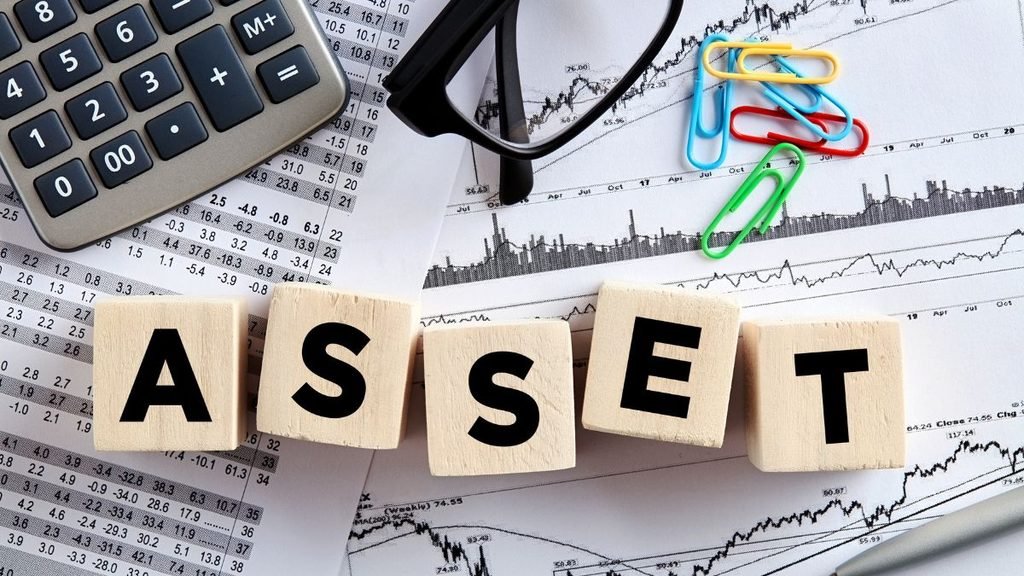
Most people grow up believing that earning more money means working more hours. They take extra shifts, accept overtime, and spend years trying to earn a higher salary. There is nothing wrong with working hard, but depending entirely on a paycheck can become a problem.
What happens when you get sick, lose your job, or finally want to retire? If every dollar comes from your labor, your income may fall sharply when you stop working.
That is why building ownership matters. Instead of spending every extra dollar on things that lose value, you can gradually purchase assets that may increase in value or produce income.
These assets might include shares in businesses, diversified investment funds, or other investments that fit your financial situation. Some investments pay regular income, while others may grow in value over time.
For example, a person who regularly invests small amounts in a broad stock market index fund can build ownership in many businesses. The investments may grow over many years, although market losses are possible and returns are never guaranteed.
The important part is developing the habit. You do not need to announce every investment, share your account balance, or compare your progress with friends.
Start with an amount you can afford after covering essential expenses and urgent debts. Learn about investment fees, risks, and taxes before putting your money to work.
Over time, the goal is to create more than one possible source of financial support. A paycheck can support your life today, while suitable investments may help support your life in the future.
Quiet move: Set aside a regular amount for long term investing when your finances allow it. Focus on building assets instead of buying things simply to look successful.
2. Buy a Stable Home Instead of an Impressive Address
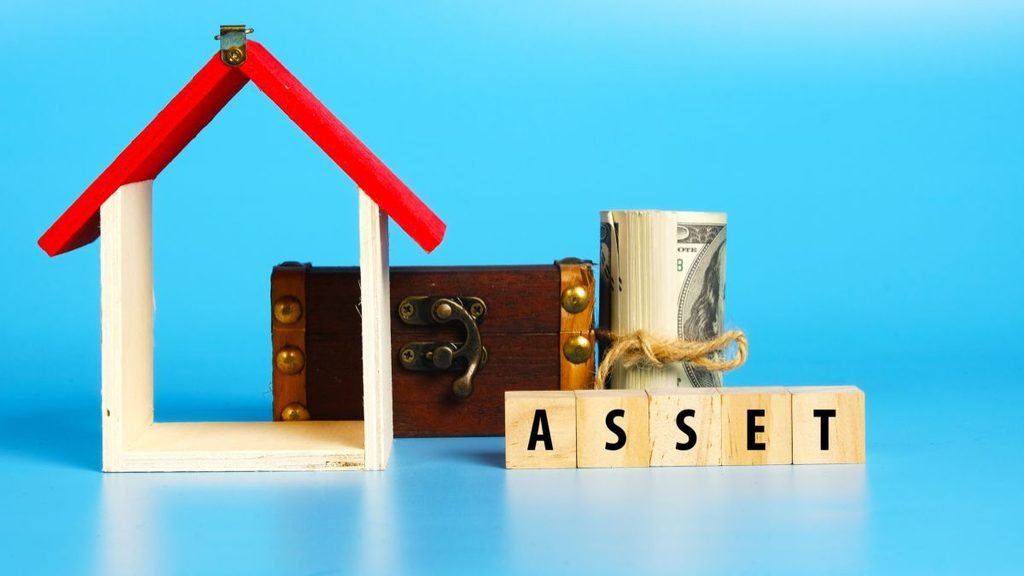
There is something comforting about having a place where you feel completely at ease. You can close the door, relax, and know that you have somewhere dependable to return to each evening.
But many people confuse a comfortable home with an expensive home. They stretch their budgets to buy large houses, impressive kitchens, and beautiful properties that require years of costly payments.
The problem begins when the house becomes more expensive than the life it was supposed to improve. Property taxes, insurance, repairs, utilities, and mortgage payments can consume money that could have supported savings or retirement.
A smaller home can sometimes provide greater freedom. It may cost less to maintain, require fewer repairs, and leave more money for the activities you actually enjoy.
Owning property can also help build wealth over time. Mortgage payments may gradually increase your ownership, and the property could rise in value.
However, real estate does not always appreciate, and ownership is not automatically better than renting. Buying can be expensive, properties require upkeep, and some homeowners lose money when they sell.
For someone who expects to move soon or wants fewer responsibilities, renting an affordable home may be the smarter choice. What matters most is having housing that remains manageable without constant financial pressure.
This becomes especially important after retirement. A beautiful house offers little comfort if maintaining it forces you to delay medical care, borrow money, or give up everything else you enjoy.
Think about the home you actually need. Consider the number of rooms you use, the cost of repairs, access to services, and whether you can comfortably manage the property as you age.
Quiet move: Choose housing for security and comfort rather than social status. A modest place that gives you peace can be worth more than a large property that keeps you financially trapped.
3. Buy Knowledge and Skills That Make You More Capable

Your ability to learn may be one of the most useful assets you have. Unlike a car or a piece of furniture, a valuable skill can continue helping you for years after you acquire it.
Yet people often spend money upgrading their possessions while ignoring their own abilities. They replace phones, purchase new televisions, and buy things that provide temporary excitement.
Meanwhile, a useful course, practical book, or professional training program may offer benefits that last much longer.
Consider someone who has worked in an office for twenty years. They know their job well, but newer technology begins changing how the company operates.
One employee avoids learning anything new because retirement is getting closer. Another spends a few evenings each week developing skills that help them remain useful and confident.
The second employee may gain more options. They might qualify for different work, become more productive, or discover a way to earn money independently.
Of course, education does not guarantee a higher income. Some courses are overpriced, and certain skills have limited demand.
That is why choosing what to learn matters as much as learning itself. Before paying for training, look at whether employers, customers, or businesses actually need that skill.
For older adults, learning offers benefits beyond income. It can create meaningful goals, introduce new people, and make retirement more interesting.
You might learn basic computer skills, improve your financial knowledge, study a language, or develop a practical ability that supports part time work.
You do not need an expensive university program to make progress. Public libraries, community classes, free educational materials, and affordable courses can all provide useful opportunities.
Quiet move: Spend some of your time and money improving one useful skill. Choose something that gives you more choices, rather than something that simply sounds impressive.
4. Buy Your Freedom Back From Expensive Debt

Debt can quietly take control of your life without attracting much attention. It often begins with purchases that seem perfectly manageable.
A car payment fits the budget. A credit card covers a holiday purchase, and another payment plan makes a new appliance seem affordable.
Each payment looks small on its own. But when several payments arrive every month, they can leave very little money for savings, emergencies, or personal choices.
That is one reason people with good incomes sometimes feel financially trapped. They earn enough money to maintain an expensive lifestyle, but much of their income is already committed before it arrives.
High interest debt makes the problem worse. Credit card balances can grow because of interest charges, especially when someone pays only the minimum amount each month.
Paying down expensive debt can therefore be one of the most useful ways to improve your financial position. Reducing interest costs leaves more of your future income available for other purposes.
You can approach repayment in different ways. Some people focus on the debt with the highest interest rate first because that generally reduces total interest costs.
Others begin with the smallest balance because clearing an account gives them motivation to continue. Both methods can work when payments remain consistent.
However, not all debt deserves the same treatment. A manageable mortgage with a relatively low interest rate may require a different decision than a credit card charging a much higher rate.
You also need money for basic living expenses and unexpected problems. Using every available dollar to repay debt while keeping no emergency savings can leave you vulnerable to borrowing again.
The goal is not to prove that borrowing is always wrong. It is to prevent unnecessary debt from controlling how you spend your life.
Quiet move: Review your balances, interest rates, and monthly payments. Make a realistic plan to reduce costly debt, and avoid taking on new payments just to impress other people.
5. Buy More Control Over Your Time
Money can be earned again, but yesterday cannot be recovered. Once an hour passes, you cannot return to it, no matter how much money you eventually make.
Yet many people spend decades promising themselves that they will enjoy life someday. They postpone vacations, hobbies, friendships, and personal goals until they have earned enough money.
Then retirement arrives, and they discover that money was never the only thing they needed. Their health may have changed, friends may have moved away, or activities they once loved may no longer be practical.
This is why time deserves a place in every financial plan. The purpose of money should include creating more control over how you live.
Buying time does not always mean retiring early or quitting your job. Sometimes it means paying for a service that removes a stressful task from your week.
For example, someone might hire help with difficult yard work rather than spend an entire weekend struggling through it. Another person might move closer to important services to reduce long drives.
Someone else might choose a lower paying job with more predictable hours because the extra personal time matters more than the larger salary.
These decisions are not suitable for every budget. Paying for convenience becomes a problem when the cost creates additional debt or financial stress.
The important question is whether a purchase gives you more useful time or creates more work to pay for it.
A costly car that requires years of payments may reduce your freedom. Reliable transportation that fits your budget may protect it.
You should also enjoy some of your time now. Saving for tomorrow matters, but postponing every enjoyable experience until retirement can leave you with years you wish you had used differently.
Quiet move: Before making a major purchase, ask how many hours of work it will cost. Consider whether the same money could give you more freedom, less stress, or additional time with people you care about.
6. Buy an Emergency Fund That Lets You Sleep Peacefully

An emergency fund is one of the least exciting things you can buy. There is nothing impressive to display, and nobody can tell how much money you have set aside simply by looking at your lifestyle.
But when something goes wrong, that quiet savings account can become incredibly valuable.
A car may suddenly need repairs. A household appliance can stop working, an unexpected medical bill may arrive, or an employer might reduce your hours.
Without savings, even a moderate problem can create serious stress. You may need to borrow money, use an expensive credit card, or delay another important expense.
An emergency fund gives you another option. It allows you to handle at least some unexpected costs without immediately depending on a lender.
Many financial planning guidelines suggest working toward several months of essential expenses. The right amount depends on your income, job security, household needs, health costs, and other available resources.
You do not have to reach a large savings target immediately. Even a small amount set aside regularly can help cover minor emergencies.
Keep this money somewhere safe and easy to access, such as an insured savings account. Emergency savings should generally not depend on selling risky investments during a market decline.
It is also important to keep the purpose clear. This account is not meant for a new television, an expensive vacation, or a purchase you simply want right now.
It exists to protect you when life becomes unpredictable.
For retirees, this type of savings can be especially helpful. It may reduce the need to sell investments during a bad market period or borrow money for a sudden household expense.
The real benefit goes beyond the account balance. It is the comfort of knowing that one unexpected bill does not automatically become a financial crisis.
Quiet move: Start building a separate emergency savings account, even if your first deposit is small. Increase it gradually until you have a cushion that fits your needs.
7. Buy the Health and Independence That Help You Enjoy Everything Else

You can own investments, have a comfortable home, and maintain a healthy savings account. But those things may bring less enjoyment if you are unable to participate in the activities that matter to you.
Health is not something money can guarantee. Still, spending wisely on your physical well being and everyday independence can improve the way you live.
This becomes more important as you get older. The ability to move around your home, prepare meals, visit friends, and manage daily tasks can make a major difference in your quality of life.
Sometimes useful purchases are surprisingly simple. Comfortable walking shoes, better household lighting, properly installed bathroom grab bars, or a suitable mobility aid may make everyday activities safer or easier.
Regular medical and dental care can also help you address problems before they become harder to manage. The right care depends on your needs, so discuss health concerns and major activity changes with a qualified professional.
You do not need an expensive gym membership or fancy exercise equipment to remain active. Walking, simple strength exercises, and balance activities may be useful when they are appropriate for your abilities.
But physical health is only part of the picture. Staying connected with people, enjoying hobbies, and maintaining a sense of purpose also deserve your time and attention.
That might mean spending money to visit a friend, joining a community activity, or taking a class that gets you out of the house. These purchases may not increase your bank balance, but they can make daily life richer.
Independence also does not mean refusing assistance. Sometimes accepting the right help allows you to keep doing the things you enjoy for longer.
A person who uses a walking aid may continue visiting neighbors. Someone who arranges reliable transportation may keep attending appointments, seeing friends, and participating in community events.
The real goal is to preserve as much control over your life as possible.
Quiet move: Invest in practical things that support your health, mobility, and daily independence. Choose what helps you remain active and connected rather than spending money simply to appear younger or wealthier.
How These 7 Quiet Purchases Can Change Your Life
These seven purchases may seem unrelated, but they support different parts of the same goal. Each can help reduce a problem that limits your choices.
| What You Buy Quietly | What It Can Give You |
|---|---|
| Income producing assets | More possible sources of future income |
| Stable, affordable housing | Greater security and predictable costs |
| Useful knowledge and skills | Better opportunities and more choices |
| Freedom from expensive debt | Less interest and fewer monthly obligations |
| Control over your time | More room for people and activities you value |
| Emergency savings | Protection against unexpected expenses |
| Health and independence | More ability to enjoy everyday life |
No single purchase guarantees financial independence. But making thoughtful choices in several of these areas can gradually create a more secure life.
You also do not need to work on all seven at once. Someone struggling with credit card debt may need to focus on repayment and a basic emergency fund before making larger investments.
A retiree with savings and little debt may have different priorities. Improving home safety, protecting health, and spending meaningful time with loved ones might offer greater benefits.
Your next step should match the part of your life that needs the most attention.
Stop Trying to Look Rich and Start Building a Life That Feels Free

There is a simple difference between looking wealthy and feeling financially secure. Looking wealthy often depends on what other people can see, while financial security depends on what your resources allow you to do.
A person with an expensive car may still worry about making the next payment. Someone driving a modest older vehicle may have enough savings to handle an emergency without fear.
Neither person’s financial situation can be judged by the car alone. But the example shows why appearances are a poor way to measure success.
You do not have to give up every pleasure or refuse to buy beautiful things. Enjoying your money is part of living well, provided those purchases fit comfortably within your finances.
The mistake is spending so much to create an impressive lifestyle that you sacrifice the freedom you hoped the money would provide.
And buying in silence does not mean hiding important financial decisions from a spouse, partner, or anyone who shares responsibility for your household. It means making thoughtful choices without needing approval or applause from outsiders.
Before your next unnecessary purchase, consider what that money could do somewhere else. It might reduce a debt balance, strengthen your emergency fund, support your health, or help you gain a useful skill.
Those changes may not attract attention immediately. But years from now, they could mean having more freedom to decide where you live, how much you work, and what you do with an ordinary Tuesday morning.