

At first glance, $1,900 a month seems too little for a comfortable retirement. Rent, groceries, medical bills, and one unexpected repair can consume that money long before the next Social Security payment arrives.
Denis, an illustrative retiree in this 2026 case study, has no pension, wages, or investment withdrawals to fall back on. His plan works only because his housing costs are unusually low, he spends deliberately, and he sets aside money for irregular bills.
The details explain both how he makes the budget work and why it would fail for many other retirees.
How Denis Lives on $1,900 a Month

Denis is 72 years old, lives alone, and depends entirely on Social Security for his retirement income. He has no mortgage, no car payment, and no second source of monthly income.
In this example, $1,900 is the amount deposited into his bank account after his Medicare Part B premium has been deducted. His gross Social Security benefit would be approximately $2,103 a month, assuming the standard 2026 Part B premium and no other deductions.
That distinction matters because the amount someone receives from Social Security is not always the amount available to spend. Denis builds his household budget around the money that actually reaches his account.
The Social Security Administration reported that the average retired worker received approximately $2,075 monthly in January 2026, before applicable deductions. Denis’s available income is modest, but his ability to manage it depends more on his expenses than on comparisons with the national average.
Here is his illustrative monthly budget.
| Expense | Monthly Amount |
|---|---|
| Rent | $700 |
| Electricity, water, and utilities | $155 |
| Groceries | $295 |
| Transportation | $125 |
| Phone and internet | $65 |
| Medical expenses beyond Part B | $150 |
| Household and personal supplies | $110 |
| Clothing, gifts, and social activities | $85 |
| Reserve for irregular expenses | $215 |
| Total | $1,900 |
The budget leaves no unassigned income, but the $215 reserve is intended for future bills rather than ordinary spending. If it remains untouched for a full year, Denis would set aside $2,580 for repairs, annual expenses, and emergencies.
This is not a typical budget for every American retiree. It assumes low rent, access to affordable transportation, and medical expenses that remain manageable.
Affordable Housing Makes the Biggest Difference

Housing is the most important part of Denis’s financial example. His monthly rent is $700, which accounts for about 37% of the money he receives.
That is still a substantial share of his income. However, it leaves $1,200 for groceries, transportation, healthcare, utilities, and everything else.
The example assumes Denis already lives in an affordable, income-restricted apartment. It does not assume that similar housing is readily available in every city or that any retiree can simply move into a $700 apartment.
For someone receiving $1,900, the difference between paying $700 and $1,200 in rent can determine whether the entire budget is workable. A few small spending cuts cannot usually compensate for a large housing expense.
Consider how different rent amounts affect the same budget.
| Monthly Rent | Money Left | Monthly Shortfall* | Annual Shortfall* |
|---|---|---|---|
| $700 | $1,200 | $0 | $0 |
| $900 | $1,000 | $200 | $2,400 |
| $1,100 | $800 | $400 | $4,800 |
| $1,400 | $500 | $700 | $8,400 |
Shortfalls assume all other budgeted expenses remain at $1,200 monthly.
At $1,100 in rent, Denis would need to eliminate $400 from his other spending every month. That would consume his entire $215 reserve contribution and still leave another $185 to find.
This is why housing decisions matter so much for people living on Social Security alone. Finding a lower-cost apartment or qualifying for rental assistance can have a greater financial effect than cutting several smaller expenses.
HUD housing programs may provide rental assistance to eligible households. However, income limits, housing availability, waiting lists, and local program rules determine whether an applicant can receive help.
He Keeps His Regular Bills Predictable

Denis’s second priority is controlling expenses that repeat every month. Electricity, phone service, internet, and other bills can quietly consume a large share of retirement income.
His illustrative utilities budget is $155 monthly, while phone and internet service receive another $65. These amounts are spending targets, not guaranteed prices in every location.
He compares service plans, avoids unnecessary upgrades, and checks recurring charges before they become permanent expenses. A service that costs $15 each month removes $180 from his annual budget.
That might not sound significant compared with rent. But $180 also represents a meaningful portion of his yearly household supplies or emergency savings.
Denis cannot control utility rates, so he reviews his actual bills over an entire year. A higher winter heating bill or summer cooling bill should not come as a complete surprise.
For a retiree with tight finances, predictable expenses are valuable because they make monthly decisions easier. They also reduce the chance of using credit to cover routine bills.
His Grocery Budget Is $295 a Month

Food is another expense Denis watches carefully, although he does not treat eating less as a financial strategy. His grocery allowance works out to approximately $68 per week.
That is about $9.83 per day over a 30-day month. It is a restrictive budget, especially in high-cost areas or for someone with special dietary needs.
The example assumes Denis prepares most meals at home, shops using a list, and chooses affordable foods that provide useful nutrition. He also limits food waste by planning around what is already in his kitchen.
Oatmeal, eggs, beans, lentils, rice, frozen vegetables, seasonal fruit, and lower-cost protein options can form the basis of practical meals. The exact choices depend on local prices, personal preferences, and any medical dietary requirements.
Buying every item in bulk is not necessarily cheaper for someone who lives alone. A large package that spoils before it is used becomes wasted money.
Denis’s budget also assumes that restaurants are occasional social expenses rather than a daily habit. If groceries consistently cost more than $295, the plan must change rather than pretend that the original target is achievable.
His goal is to manage food spending without regularly skipping meals or sacrificing necessary nutrition. This distinction matters because an affordable budget should support health, not undermine it.
Transportation Works Because He Has No Car Payment

A $125 monthly transportation budget would be difficult for many retirees who own and operate a vehicle. Insurance, gasoline, maintenance, registration, and unexpected repairs can exceed that amount.
Denis’s example assumes he no longer owns a car and lives somewhere with usable transportation options. He relies mainly on public transit and reserves some money for occasional paid rides.
This arrangement makes his budget more predictable because he is not making loan payments or paying regular vehicle insurance premiums. It also removes the risk of a large car repair from his household expenses.
However, giving up a car is not automatically the right decision for every older adult. In a rural community or an area without dependable transit, a vehicle may be essential for medical care, groceries, and social contact.
The important question is not simply how much a car costs. It is whether the retiree can reach necessary services safely and reliably without one.
Some communities offer reduced transit fares, volunteer driver programs, or transportation assistance through local aging organizations. Availability and eligibility differ by location.
Denis’s transportation arrangement works only because his neighborhood supports it. Someone who must drive should use a separate, realistic vehicle budget rather than copy his $125 estimate.
Healthcare Is the Expense He Cannot Afford to Ignore
Medical expenses are one of the biggest risks to Denis’s retirement budget. Medicare provides important coverage, but it does not eliminate every healthcare bill.
In 2026, the standard Medicare Part B premium is $202.90 monthly. Because this example treats Denis’s $1,900 as his deposit after that premium, it is not charged again in his spending table.
His additional $150 healthcare allowance is intended for prescription coverage, applicable copayments, and routine out-of-pocket expenses. It is not enough to guarantee coverage of every dental procedure, specialist visit, or unexpected medical event.
Several Medicare figures show why a retiree needs to understand the difference between monthly premiums and actual healthcare costs.
| Medicare Expense | 2026 Amount | What It Means |
|---|---|---|
| Standard Part B premium | $202.90 monthly | Usually deducted from Social Security |
| Part B annual deductible | $283 | Paid before many Part B benefits begin |
| Part D covered-drug out-of-pocket cap | $2,100 yearly | Applies to covered Part D drugs |
| Part B coinsurance under Original Medicare | Usually 20% | Applies to many covered services after the deductible |
The $2,100 Part D cap is useful protection for covered prescription drugs. However, it does not mean every medical expense is limited to $2,100 annually.
Original Medicare also does not have a general annual out-of-pocket maximum for Parts A and B. Supplemental coverage or a Medicare Advantage plan can change how costs are shared, but these options have different premiums, restrictions, and benefits.
For Denis, comparing available coverage is a financial necessity rather than an optional administrative task. His example assumes he has chosen coverage suitable for his needs and has no unusually large ongoing medical expenses.
He would also need to reconsider the budget if a new condition required frequent specialist visits or expensive services. A plan that works during a relatively healthy year may need substantial changes later.
He Checks Financial Assistance Without Assuming He Qualifies
Many articles suggest that every retiree living on less than $2,000 should apply for government assistance. Checking eligibility is sensible, but receiving a modest Social Security deposit does not automatically establish eligibility.
One reason is that some programs look at countable income before Medicare premiums are deducted. Denis’s illustrative gross benefit of about $2,103 is higher than his $1,900 bank deposit.
For 2026, Medicare lists the following federal income limits for several assistance programs for individuals in most states.
| Program | 2026 Income Limit | Potential Help |
|---|---|---|
| Qualified Medicare Beneficiary (QMB) | $1,350 monthly | Medicare premiums and covered cost sharing |
| Specified Low-Income Medicare Beneficiary (SLMB) | $1,616 monthly | Part B premium |
| Qualifying Individual (QI) | $1,816 monthly | Part B premium |
| Extra Help | $23,940 annually | Eligible Part D drug coverage costs |
These are general federal limits, not universal eligibility guarantees. Resource limits, income exclusions, state rules, and other conditions also apply.
Under the standard federal figures, Denis’s assumed gross income would generally exceed these listed thresholds. Some states have more generous Medicare Savings Program rules or disregard certain income, so a state eligibility review can still be worthwhile.
Extra Help also has resource requirements and specific rules for counting income. A person who receives help with Medicare costs through another qualifying program may receive Extra Help automatically.
The larger lesson is that assistance should never be included in a monthly budget until eligibility and benefit amounts have been confirmed. Denis’s $1,900 example does not depend on an assumed Medicare subsidy that he might never receive.
Other Programs May Reduce Everyday Expenses
Medicare assistance is only one part of the picture. Programs related to food, housing, utilities, and community services may also help eligible retirees.
SNAP and Food Assistance
The Supplemental Nutrition Assistance Program, commonly called SNAP, can help qualifying households purchase food. For households containing an older adult, eligibility rules can allow deductions for certain medical and shelter expenses.
For example, qualifying unreimbursed medical expenses above $35 monthly may affect the SNAP calculation for an eligible older or disabled household member. This means a person should not judge eligibility solely by comparing a Social Security payment with a headline income number.
Denis could request a screening through his state SNAP agency. Any benefits would depend on the actual household circumstances and applicable state rules.
Affordable Housing Programs
HUD-supported housing and Housing Choice Vouchers may help eligible renters reduce housing expenses. For a participating household, the rent contribution is commonly based on adjusted income, although the actual calculation and rent burden can vary.
The challenge is availability. Some local housing authorities have long waiting lists, and qualifying for a program does not guarantee immediate housing.
Anyone considering this option should ask local housing agencies about open waiting lists, income limits, and affordable properties. Applying early may matter more than waiting until a rent increase creates an emergency.
Utility and Community Assistance
The Low Income Home Energy Assistance Program, known as LIHEAP, can help eligible households with heating or cooling costs. State rules and available funding determine who receives assistance.
Local Area Agencies on Aging may also connect older adults with meal programs, transportation, benefits counseling, and other community resources. The federal Eldercare Locator can help identify the appropriate local agency.
These services are worth investigating, particularly if a retiree’s income barely covers basic necessities. They should be treated as potential assistance, not as money already available to spend.
The $215 Monthly Reserve Protects His Budget

One of the most useful lines in Denis’s budget is the $215 allocated to irregular expenses. Without it, his monthly spending would appear manageable until a bill arrived that did not fit an ordinary category.
Annual expenses are easy to underestimate because they do not appear on every monthly statement. Dental treatment, replacement appliances, travel to visit family, and household repairs can create sudden pressure.
His reserve is intended to cover those costs over time, not to provide an unlimited emergency fund. At $215 per month, it would accumulate $2,580 in one year if no money had to be withdrawn.
The following hypothetical expenses show how quickly that reserve could be used.
| Unexpected Expense | Example Cost | Months of $215 Savings |
|---|---|---|
| Dental treatment | $800 | 4 months |
| Appliance replacement | $1,200 | 6 months |
| A $200 monthly rent increase for one year | $2,400 | 12 months |
| Major uninsured expense | $3,200 | 15 months |
These figures are illustrative costs, not national average prices. The savings periods assume Denis starts from zero and makes no other withdrawals.
A $1,200 expense could use nearly six months of reserve contributions. If another bill arrives shortly afterward, he may not have enough set aside.
The reserve makes his budget more resilient, but it does not make him financially secure against every emergency. A substantial medical expense, housing disruption, or need for long-term care could exceed what the budget can support.
This is also why he does not treat the $215 as leftover entertainment money. He assigns it a purpose before the month begins.
He Separates Needs From Habits He Can Change

Retirement spending is not always about purchasing expensive things. Small automatic payments can become costly when they continue without much thought.
Denis reviews subscriptions, service charges, bank fees, and other regular payments. If something no longer provides enough value, he considers reducing or canceling it.
A $12 monthly subscription costs $144 over a year. Two or three unused services could consume money that would otherwise cover essential household supplies.
He also considers the full cost of purchases rather than their advertised monthly payment. Financing furniture or electronics may make an item appear affordable while creating an additional fixed obligation.
However, saving money does not mean eliminating everything enjoyable. Denis’s budget includes $85 for clothing, gifts, and social activities because personal relationships and recreation remain important after retirement.
There is room for a low-cost lunch with a friend, a modest birthday present, or a community event when spending is planned. The amount is limited, but the category is not treated as wasteful.
The distinction is between spending intentionally and letting recurring obligations determine how little remains. Denis’s example favors the former because the latter leaves fewer choices during an emergency.
A Simple Monthly Routine Helps Him Stay Organized
Denis’s budget works best when each expense has a specific place. Rather than relying on memory, he can keep a short written record of bills, grocery purchases, and irregular costs.
At the beginning of the month, he first accounts for rent and other essential charges. He then assigns money to groceries, transportation, medical costs, and the reserve before considering optional purchases.
The grocery budget can be divided into weekly spending limits, but not every bill follows a weekly schedule. Utilities and medical expenses may vary, so he reviews the total over several months.
If he spends less on groceries one week, that money can remain available for a more expensive week. He does not assume every temporary saving is permanent.
He also checks his bank transactions for duplicate payments, unwanted subscriptions, and unfamiliar charges. This habit helps prevent small errors from becoming repeated losses.
A budget this tight requires adjustments when actual costs change. A spending plan is useful only if it reflects real bills rather than amounts someone wishes were possible.
Living Without Credit Card Debt Matters
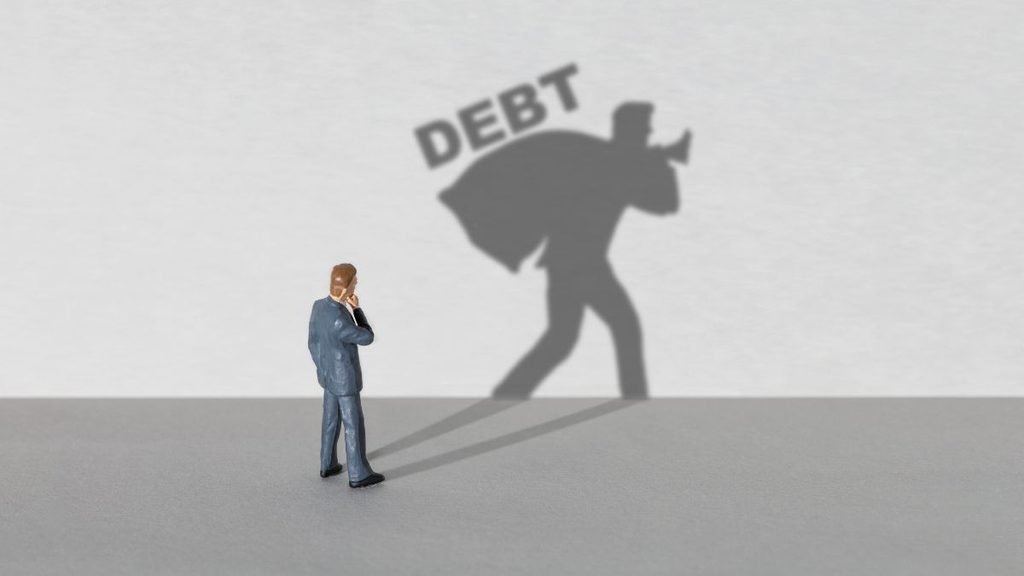
High-interest debt can make a modest Social Security income even harder to manage. A recurring minimum payment reduces the money available for food, housing, healthcare, and emergency savings.
Denis’s illustrative budget assumes he has no regular credit card balance payments. This is a major reason the $1,900 allocation can work.
Someone entering retirement with substantial debt would need to include those payments before copying any part of his budget. Leaving them out would make the available income appear larger than it really is.
Credit cards can still be useful payment tools when charges are paid in full and on time. The risk comes from carrying balances and allowing interest costs to become another permanent expense.
For a retiree already struggling with debt, a reputable nonprofit credit counseling organization may help assess repayment options. The goal should be a realistic plan that protects essential living expenses.
Denis’s approach does not require abandoning credit entirely. It requires avoiding commitments that assume he will have extra income later.
His Retirement Still Needs Social Connection

A strict monthly budget can create another problem if it causes someone to withdraw from friends and community life. Living on Social Security alone should not mean spending every day at home simply to avoid expenses.
Denis’s situation assumes he can access some affordable or free activities nearby. Public libraries, community centers, local events, and volunteer opportunities can provide social contact without large membership fees.
These activities are not replacements for every paid experience. They are additional choices that can help make an affordable retirement more enjoyable.
Maintaining relationships can also make practical tasks easier, although friends and relatives should not be treated as a guaranteed financial safety net. Transportation, caregiving, and emergency support require honest conversations about what others can realistically provide.
A budget that covers rent but leaves someone completely isolated is not necessarily a successful retirement plan. Denis preserves a small social spending allowance because daily life is about more than balancing a bank statement.
The 2027 Social Security Increase Will Help, but It Has Limits
Social Security announced a 3.6% cost-of-living adjustment for 2027, beginning with benefits paid in January 2027. For retirees with limited income, even a modest increase can help absorb rising household expenses.
If Denis’s gross benefit is approximately $2,103 per month, a 3.6% adjustment would amount to roughly $76 more per month before any changes in deductions or benefit rounding.
His actual deposited increase could be smaller because Medicare premiums and other applicable deductions may change. The exact amount would appear in his Social Security benefit notice.
An additional $76 might help with groceries, utilities, or emergency savings. Yet a $100 rent increase would more than absorb it.