

Reaching your 70s is something worth appreciating. But there is a big difference between simply getting older and still being able to enjoy your everyday life. Some people reach 75 with plenty of energy, while others find that even ordinary activities have become difficult.
The surprising part is that a good life after 70 is not always about having a large retirement account, perfect health, or an impressive home. Sometimes, the greatest blessings are things you have been doing for so long that you barely notice them anymore.
If you are between 70 and 80 and can still do these nine things, you have many reasons to feel fortunate. They are meaningful signs of independence, connection, and personal strength, although no checklist can predict how long someone will live.
1. You Can Still Take Care of Most of Your Daily Needs

Think about everything you do before lunchtime. You get out of bed, wash your face, get dressed, prepare breakfast, and perhaps tidy the kitchen. These activities may seem ordinary, but being able to manage them in your 70s is something worth appreciating.
As people grow older, physical changes can make daily tasks more demanding. Getting out of a low chair may require more effort, carrying groceries may become uncomfortable, and climbing stairs may take longer than before.
If you can still move around your home, prepare meals, and handle most of your personal needs, you have a valuable level of independence. You may not be as quick as you were at 50, but the ability to manage your day still gives you freedom.
And there is another important point. Independence does not mean doing everything without assistance. Someone who uses a walker, grab bars, or other helpful tools can still enjoy considerable independence.
What matters is whether you can continue doing the activities that make your life feel like your own.
| Daily Activity | Why It Matters |
|---|---|
| Getting out of bed and chairs | Helps you manage everyday routines |
| Preparing simple meals | Supports choice and personal independence |
| Walking or moving around safely | Makes daily activities easier |
| Dressing and bathing | Supports comfort and personal dignity |
| Doing light household tasks | Helps maintain activity and confidence |
If some of these activities are becoming harder, it does not mean your best years are behind you. Gentle exercise, strength training suited to your abilities, home adjustments, and professional support may help you keep doing more.
2. Your Mind Is Still Sharp Enough to Make Important Decisions
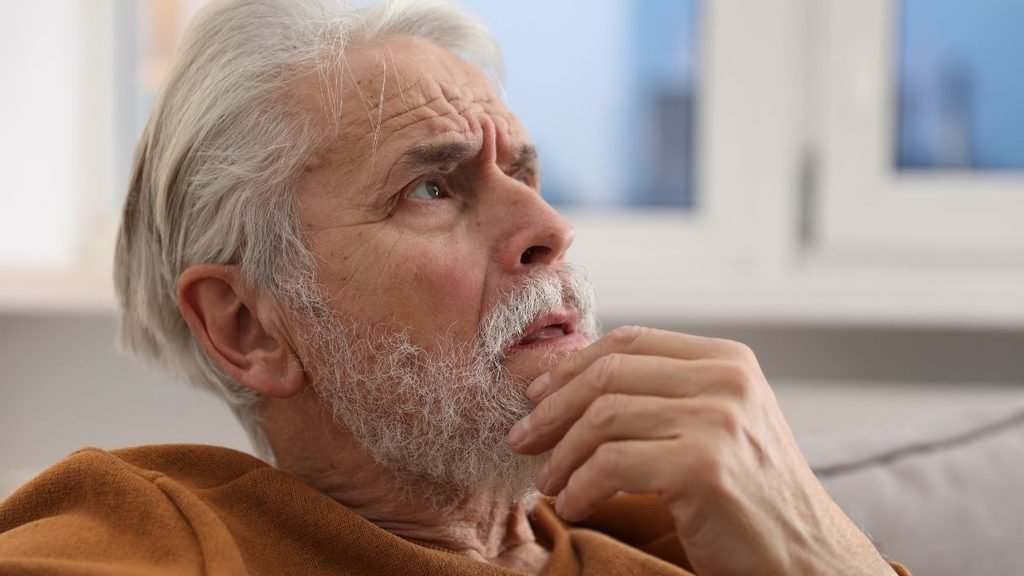
Physical strength gets plenty of attention after 70, but clear thinking deserves just as much appreciation. Being able to manage your own affairs, recognize suspicious offers, and make thoughtful decisions is a valuable part of later life.
Consider how many decisions you make in an ordinary week. You review bills, arrange appointments, compare prices, remember commitments, and decide whether someone asking for money can be trusted.
These abilities help protect your independence. They also become especially important when financial scams and misleading health products target older consumers.
A caller might claim to represent Medicare and request personal information. Someone else might offer a guaranteed investment return or an expensive supplement that supposedly cures several diseases.
If you can stop, question the offer, and verify the facts before acting, you are practicing an important skill. Being cautious is often more useful than being able to remember every name or appointment without writing anything down.
A sharp mind is not a mind that never forgets. It is one that can still think, question, learn, and make decisions.
Normal aging can include occasional forgetfulness. However, sudden confusion, getting lost in familiar places, or increasing difficulty managing familiar tasks deserves medical attention rather than being dismissed as ordinary aging.
One useful habit is to remain involved in your own decisions. Ask questions during appointments, review financial statements, and discuss major commitments with someone trustworthy before signing anything.
3. You Can Still Manage Your Money Without Constant Financial Fear
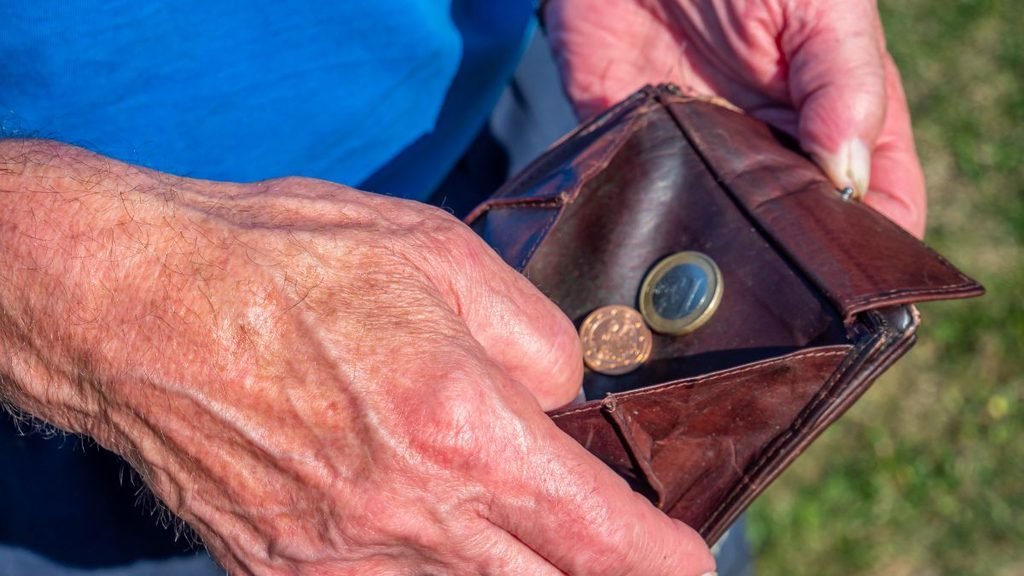
One of the greatest comforts after 70 is knowing that your ordinary expenses are reasonably covered. You may not be wealthy, but having enough income and resources to pay bills can bring a sense of security that money alone cannot fully describe.
Think about two retirees. One owns an expensive home but worries every month about taxes, repairs, and debt. Another lives in a modest apartment, has reliable retirement income, and rarely loses sleep over bills.
The second person may actually feel more financially secure. The important question is not how much wealth you can show others, but whether your financial situation allows you to live with reasonable comfort.
If you can buy groceries, pay your housing expenses, afford necessary medication, and handle at least some unexpected costs, you have a financial foundation worth protecting.
It also helps when you have control over your spending. Being able to choose a birthday gift, enjoy a meal with a friend, or pursue a favorite interest without constant worry adds pleasure to ordinary life.
There is nothing shameful about receiving financial help from family or using benefits you qualify for. Many older adults need assistance, and accepting it does not make someone less worthy or capable.
The real blessing is having enough financial stability to make choices without living in constant fear of the next bill.
A Simple Financial Security Check After 70
| Area | Encouraging Sign | Possible Concern |
|---|---|---|
| Monthly expenses | Income usually covers basic needs | Borrowing regularly for essentials |
| Housing | Costs remain manageable | Rent, taxes, or repairs create serious pressure |
| Emergency savings | Some money or backup support is available | Small expenses become major crises |
| Financial decisions | You can review and question purchases | Others pressure you to hand over control |
| Enjoyment | Some resources remain for personal interests | Every expense feels frightening |
Keeping a simple monthly budget can make a difference. Even checking your spending once a month may help you notice problems before they become overwhelming.
4. You Can Still Have Meaningful Conversations With Your Children and Loved Ones

Family relationships often change as people grow older. Adult children have careers, families, bills, and responsibilities of their own, while parents may discover that the role they once played is no longer the same.
This change can be difficult, especially for someone who spent decades making decisions and providing guidance. But maintaining healthy communication after 70 can be one of life’s greatest sources of satisfaction.
If you can talk with your adult children without every conversation becoming an argument, that is worth appreciating. Being able to listen, accept differences, and show interest in their lives helps relationships remain warm.
You do not have to agree with every decision your children make. They may raise their children differently, spend money differently, or hold opinions that seem unfamiliar to you.
What matters is keeping the relationship bigger than those disagreements. Sometimes asking a question and listening carefully does more good than offering advice that nobody requested.
And meaningful family connection is not limited to children. Nieces, nephews, siblings, cousins, grandchildren, and close friends can all provide companionship and belonging.
One particularly encouraging sign is when people contact you simply because they enjoy talking with you. They may call to share a funny story, discuss their week, or ask what you have been doing.
Being someone others feel comfortable talking to is a beautiful strength at any age.
If family relationships are strained, however, you do not need to accept repeated mistreatment just to maintain contact. Healthy boundaries and supportive friendships are important too.
5. You Still Have Someone Who Truly Cares About You

Having a loving spouse beside you after decades together can be a wonderful experience. There is comfort in sharing breakfast with someone who knows your habits, remembers your history, and understands your personality.
Longtime couples often develop small routines that outsiders barely notice. One makes coffee while the other opens the curtains, or they sit together in the evening and talk about what happened during the day.
Those ordinary moments can mean more than expensive celebrations. They provide companionship and a sense that daily life is shared.
But having a spouse is not a requirement for a happy life after 70. Some people are widowed, divorced, unmarried, or happier living independently.
The deeper blessing is having at least one trustworthy person who genuinely cares about your well-being. That person might be a partner, an old friend, a sibling, a neighbor, or someone you met only recently.
Ask yourself a simple question. If something wonderful happened this afternoon, who would you want to tell first? And if you were having a difficult day, who could you call without feeling embarrassed?
If someone immediately comes to mind, you have a meaningful connection worth protecting.
Research on aging consistently points to the importance of social relationships and meaningful connection. However, having many acquaintances does not necessarily prevent loneliness.
A person with one dependable friend may feel more supported than someone with dozens of contacts who never have a real conversation.
If you have people who check on you, laugh with you, and enjoy your company, appreciate those relationships. And remember to offer the same kindness in return.
6. You Can Still Learn Something New and Keep Up With Everyday Changes

It can be tempting to believe that learning belongs to younger people. After all, once you have spent 70 or 80 years living, you already know plenty about how life works.
But the world continues to change, and remaining curious helps you participate in it. Learning new skills can also provide satisfaction and confidence.
Consider smartphones, online appointments, digital payments, and video calls. Many of these tools were not part of daily life when today’s retirees were younger.
If you can learn how to send a photo, make a video call, check an appointment online, or use a new household appliance, you are showing that your ability to adapt is still active.
You do not have to become a technology expert. Simply being willing to ask questions and practice unfamiliar tasks can make everyday life easier.
Learning can also have nothing to do with technology. You might start growing vegetables, follow a new recipe, learn a language, study local history, or discover a new type of music.
Even reading about something unfamiliar can make an ordinary afternoon more interesting.
One thing worth remembering is that learning speed varies. You may need more practice than a younger person, and that is perfectly reasonable.
The encouraging sign is not how quickly you learn. It is that you remain interested in learning at all.
Try choosing one small skill each month. Give yourself time to practice, write down the steps, and enjoy the satisfaction of becoming more comfortable with something new.
7. You Still Have Hobbies That Make You Forget About the Clock

Retirement creates something that many people once dreamed of having: free time. But too much unplanned time can become surprisingly difficult when there is nothing enjoyable to fill it.
A meaningful hobby can change that. It gives you something to practice, improve, share, or look forward to during the week.
Some people love gardening because they enjoy watching new plants grow. Others enjoy fishing, painting, woodworking, birdwatching, cooking, reading, singing, or playing cards with friends.
The activity itself does not need to impress anyone. If it brings you satisfaction and fits your abilities, it has value.
Imagine a 76-year-old man who spends every morning tending his small vegetable garden. He may not grow enough food to make any real difference to his grocery budget, but those mornings provide movement, routine, and something to care for.
A 73-year-old woman might spend her afternoons painting small landscapes. Her artwork may never appear in a gallery, yet each painting gives her a sense of accomplishment.
These are examples of how ordinary interests can make retirement feel more meaningful.
Hobbies That Can Fit Different Abilities
| Interest | Possible Benefits |
|---|---|
| Gardening | Gentle activity and a sense of accomplishment |
| Reading or book clubs | Learning, enjoyment, and conversation |
| Painting or crafts | Creativity and personal satisfaction |
| Walking groups | Movement and social connection |
| Music and singing | Enjoyment, expression, and companionship |
| Puzzles and games | Mental engagement and entertainment |
| Volunteering | Purpose and community connection |
The best hobby is not necessarily the most active or demanding one. Your interests should match your health, energy, finances, and personal preferences.
Having fun is not something you are supposed to stop doing when you turn 70. If anything, having more time for activities you genuinely enjoy can be one of retirement’s greatest rewards.
8. You Can Still Make Your Own Choices About How to Live

One of the greatest forms of independence is having a say in how your day unfolds. You decide what time to wake up, which clothes to wear, what to eat, and how you want to spend your afternoon.
These choices may sound small, but they can become more meaningful as people age. Health problems, transportation difficulties, limited money, or changes in family arrangements can gradually reduce personal freedom.
If you can still make important decisions about your daily routine, appreciate that ability. It means you retain meaningful control over your life.
Perhaps you enjoy quiet mornings at home and prefer meeting friends in the afternoon. Maybe you want to travel occasionally, attend community events, or spend time alone without feeling pressured to fill every hour.
Your preferred lifestyle does not need to match anyone else’s expectations. Some older adults love busy social calendars, while others are happiest with a peaceful routine and a few dependable relationships.
Maintaining independence also means knowing when to accept help. A person who stops driving at night but arranges reliable transportation may preserve more freedom than someone who refuses assistance and gradually stops going out.
The same applies to household changes. Adding better lighting, using a shower chair, or having groceries delivered can make daily living safer and easier.
And here is something families sometimes overlook. Older adults usually benefit from remaining involved in decisions that affect their lives, even when they need assistance carrying those decisions out.
The goal is not to prove that you can do everything alone. It is to keep meaningful choices in your own hands whenever possible.
If you can still shape your daily routine and speak up about your preferences, that is a valuable part of personal dignity.
9. You Can Still Enjoy Life Without Constantly Comparing Yourself to Others

Perhaps one of the most valuable things a person can develop with age is the ability to stop measuring life against other people’s achievements.
By 70, you have probably seen how unpredictable life can be. Some friends became wealthy, others faced financial hardship, some enjoyed long marriages, and others experienced painful losses.
It can be easy to focus on what someone else has. A neighbor might own a larger home, a former coworker might travel more often, or a relative might appear to have a more comfortable retirement.
But comparing your everyday reality with someone else’s visible successes rarely tells the full story. A larger bank account does not automatically mean a happier household, and a busy social calendar does not guarantee close relationships.
If you can appreciate what is good in your own life without feeling bitter about what others have, you have developed a valuable form of emotional maturity.
That does not mean pretending everything is wonderful. You can acknowledge disappointments, grieve losses, and still recognize the good moments that remain.
Perhaps your greatest pleasure is sitting on the porch with a warm drink. Maybe it is hearing your grandchild laugh, sharing a meal with an old friend, or seeing flowers return to your garden each spring.
The ability to appreciate these ordinary experiences can make daily life more satisfying.
And there is one more encouraging sign. You still have something you are looking forward to.
It might be a family celebration next month, a favorite television program, a visit from a friend, or the chance to finish a project you started weeks ago.
You do not need a major event to feel excited about tomorrow. Sometimes having one small thing on the calendar is enough to give an ordinary week more meaning.
If you can still laugh, enjoy simple pleasures, and look forward to something in the future, you have strengths that deserve recognition.
An open mind also means accepting that other people have different ways of living. You can let go of unnecessary arguments without feeling that every disagreement must have a winner.
At this age, peace of mind can be far more enjoyable than winning a conversation that never needed to become a battle.
What If You Cannot Do All Nine Things?
Reading a list like this may make some people feel proud. Others may notice that their health has changed, their spouse is no longer alive, or their financial situation is more difficult than they expected.
But these nine areas are not a test that determines whether someone is aging successfully. People experience later life differently, and having fewer of these advantages does not make a person less valuable.
A person who uses a wheelchair can still have wonderful friendships, a sharp mind, and meaningful hobbies. Someone who has lost a spouse can build close relationships with friends, neighbors, and family members.
The goal is to recognize what remains strong and find realistic ways to improve areas that need attention.
Five Small Habits Worth Protecting After 70
You do not need to change everything about your lifestyle. A few consistent habits may help protect your independence and everyday satisfaction.
| Habit | Simple Action |
|---|---|
| Keep moving | Choose safe activities suited to your health and abilities |
| Stay connected | Call or visit someone you care about regularly |
| Keep learning | Practice one new skill or read about an unfamiliar subject |
| Protect your finances | Review spending and question unexpected financial requests |
| Plan something enjoyable | Give yourself at least one thing to look forward to each week |
For older adults, general physical activity guidance includes aerobic movement, strength exercises, and balance activities adapted to individual abilities. If you have health conditions or have experienced falls, a healthcare professional can help you choose appropriate activities.
It is also worth reviewing your home for safety concerns. Good lighting, clear walking spaces, sturdy handrails, and suitable bathroom supports may make everyday routines easier.
Small adjustments made early can sometimes prevent larger difficulties later.
Why the Years Between 70 and 80 Deserve Special Attention

The years between 70 and 80 can bring important changes. Some people remain physically active and socially engaged throughout this period, while others experience health problems or major changes in their living arrangements.
There is no fixed birthday when independence suddenly disappears. Nor is there evidence that reaching 80 guarantees a person will live to 90 or 100.
What makes these years important is the opportunity to protect the abilities, relationships, and activities that still matter to you.
A little attention to physical health, financial security, social connection, and daily routine can help you respond to changes rather than simply waiting for problems to appear.
For example, someone who notices increasing difficulty getting out of a chair may benefit from appropriate strength exercises or a professional assessment. Someone who feels isolated might begin with a weekly phone call or a local community activity.
You do not need perfect circumstances to make a useful change. Even one improvement can make everyday life more comfortable.