

Retiring abroad has moved from a rare adventure to a real plan for many Americans. About 760,000 Social Security beneficiaries were living outside the U.S. in 2024, nearly double the number in 2000.
The appeal is easy to see. Lower living costs, cheaper private health care and a slower pace of life can make a fixed income stretch much further.
What the glossy videos rarely show is what comes a few years later. Taxes, banking problems, Medicare gaps and the pull of family back home catch many retirees off guard.
Why So Many Americans Are Looking Overseas

For many retirees, the math at home is tight. The average retired-worker Social Security benefit was about $2,071 a month in 2026, while households headed by someone 65 or older spent about $4,800 a month on average, according to the Bureau of Labor Statistics.
That gap has to be covered by savings, a pension or work. In high-cost cities, rent alone can take a large share of a Social Security check.
Living abroad can shrink that gap. In some cities in Mexico, Southeast Asia and parts of Europe, rent, food and private medical care can cost much less than in many U.S. metro areas.
| Key Figure | Amount | Why It Matters |
|---|---|---|
| Social Security beneficiaries living abroad | About 760,000 (2024) | Nearly double the number in 2000 |
| Average retired-worker benefit | About $2,071 a month (2026) | Many retirees rely on this one check |
| Average spending, households 65+ | About $4,800 a month (BLS) | Shows the gap many retirees face |
| Foreign bank account reporting threshold | Over $10,000 combined | Triggers a separate federal report |
| Medicare coverage abroad | Almost none | A major gap for retirees overseas |
Lower costs are real, but they’re only one side of the decision. The sections below cover what tends to surprise people after they move.
Where American Retirees Are Going

Mexico is one of the most popular choices. It’s close enough for short flights home, many cities have established English-speaking communities, and time zones often match the U.S.
Portugal attracts retirees who want European life at lower prices than much of Western Europe. Safety, mild weather and a relaxed pace are big draws, though costs in popular cities like Lisbon have risen.
Thailand and Vietnam appeal to people looking for low daily costs and affordable private health care. Japan surprises many people because it isn’t cheap, but some retirees value its safety, cleanliness and reliable public transportation.
Your Social Security Usually Follows You

In most countries, you can keep receiving Social Security while living abroad. Many people have payments deposited directly into a foreign bank account or keep a U.S. account.
There are exceptions. Social Security generally can’t send payments to a few countries, such as Cuba and North Korea, and some other countries require special conditions.
The Social Security Administration has a Payments Abroad Screening Tool on its website. Check it before you move, and keep your address up to date with Social Security.
The Tax Return That Follows You Everywhere
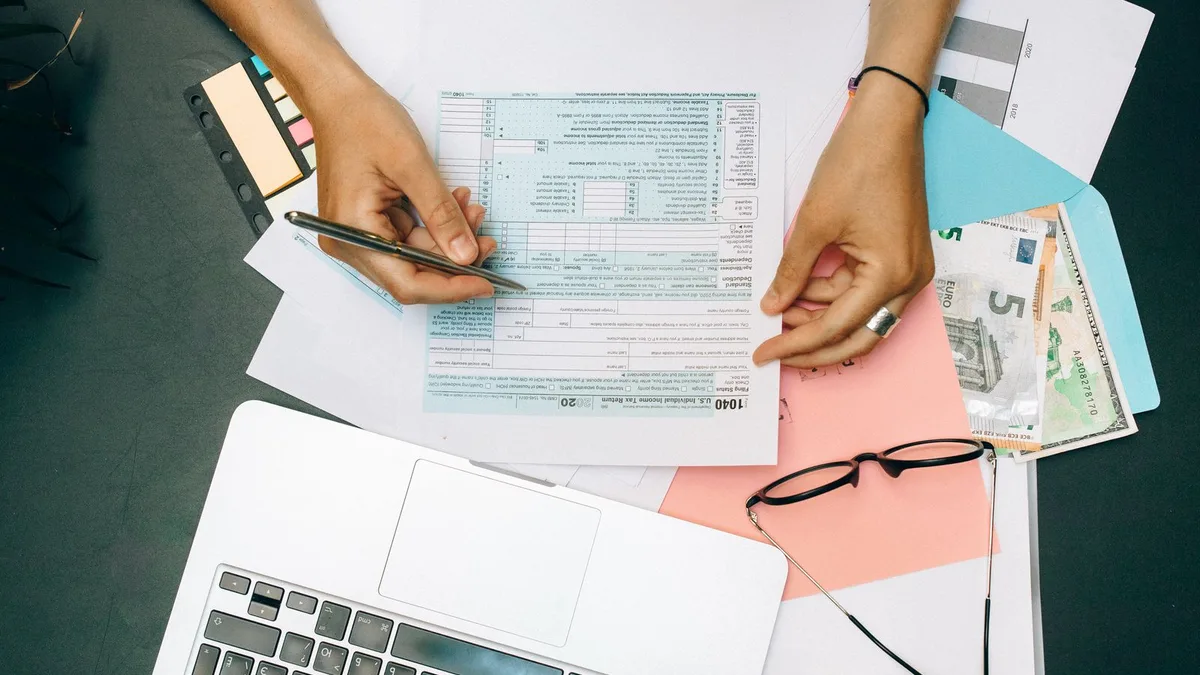
Many Americans assume that leaving the country means leaving U.S. taxes behind. It doesn’t, because the U.S. taxes its citizens based on citizenship, not where they live.
If your income is above the filing threshold, you still need to file a federal return every year, even if you owe nothing. Your new country may also tax you, though tax treaties and foreign tax credits can prevent paying twice on the same income.
The foreign earned income exclusion only covers income from work. Social Security, pensions and IRA withdrawals generally aren’t excluded, so retirees still need to plan for U.S. taxes on that income.
Foreign Bank Accounts Bring Extra Paperwork
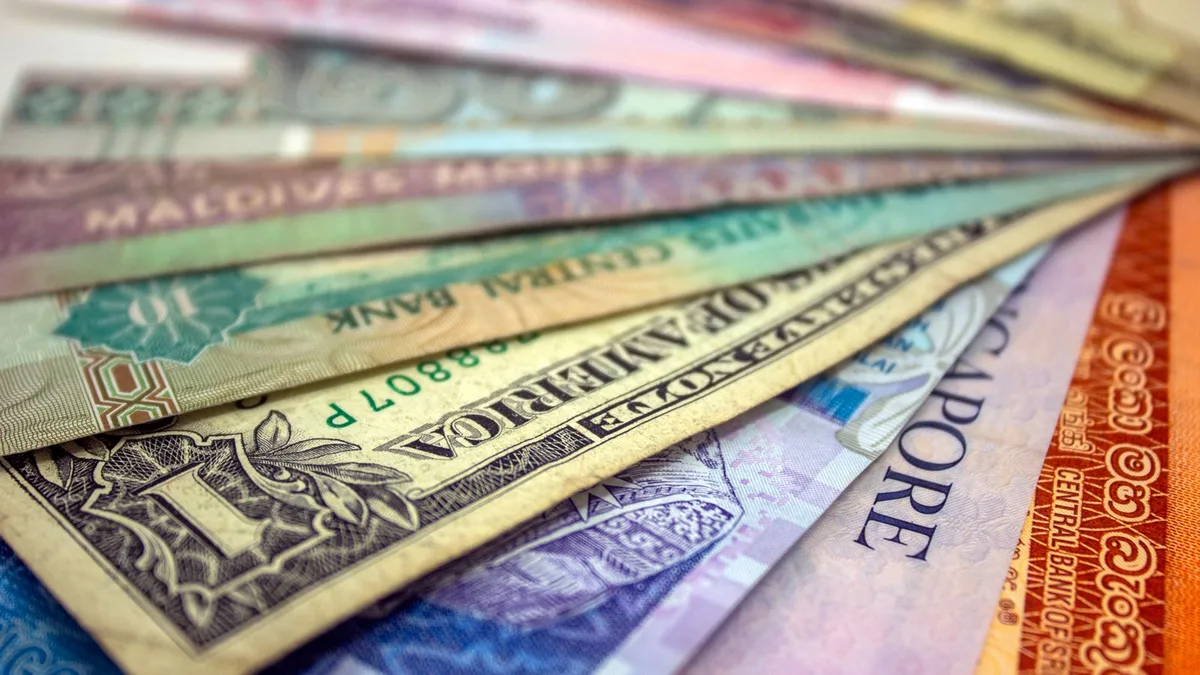
If the combined value of your foreign bank and financial accounts goes above $10,000 at any point during the year, you must file a separate report with the Treasury Department. It’s often called the FBAR.
The threshold is easy to cross with normal living money and savings. Penalties for not filing can be serious, even when someone simply didn’t know about the rule.
Banking itself can be harder than expected. Because of U.S. reporting rules, some foreign banks are reluctant to open accounts for Americans, and some U.S. banks and brokerages restrict accounts for customers with foreign addresses.
| Paperwork | Who It Applies To | What to Do |
|---|---|---|
| Federal tax return | Most U.S. citizens above the filing threshold | File every year, even abroad |
| FBAR (FinCEN Form 114) | Foreign accounts totaling over $10,000 | File online each year |
| Foreign tax return | Depends on your new country | Ask a local tax advisor |
| U.S. bank and brokerage rules | People with foreign addresses | Ask your bank before you move |
Many retirees hire a tax preparer who specializes in Americans abroad. The cost can be worth it to avoid penalties.
Medicare Doesn’t Go With You

This is the gap that worries many expats the most. With very limited exceptions, Original Medicare doesn’t pay for care outside the United States.
That means you’ll likely need local public coverage, private insurance or out-of-pocket payments abroad. Private international insurance for someone in their 70s with health conditions can be expensive and may exclude pre-existing conditions.
Many expats still pay for Medicare Part B. That’s because if you drop it and later move back, the Part B late enrollment penalty can add 10% of the standard premium for each full 12-month period you went without it, and that penalty usually lasts for life.
Language can also make medical care harder. Explaining symptoms, allergies and medications in an unfamiliar language during an emergency can be frightening, even when the care is good.
The Part Nobody Warns You About

Consider a hypothetical retired school administrator we’ll call Margaret. She moves to Portugal at 68, and for the first few years she loves it, walking more, worrying less about money and enjoying cafés and quiet mornings.
Then life back home keeps moving. A close friend becomes seriously ill, her children are busy in different states, and she watches her granddaughter’s first steps on a phone screen.
Margaret isn’t miserable, but she starts to feel she belongs fully to neither place. Many expats describe this feeling, often a few years in, as their old life slowly fades while the new one never quite feels like home.
Travel can also get harder with age. A long overseas flight that felt easy at 65 can be exhausting at 78, which makes visits home less frequent just when family events become more important.
Why Most People Stay Home After All

Many Americans dream about retiring abroad, but far fewer actually go. Selling a home, sorting out taxes and health care, and learning a new language are big hurdles at any age.
There’s also the invisible knowledge you’d leave behind. You know which pharmacy is open late, who to call when the furnace breaks and which neighbor has your spare key.
Abroad, you’d rebuild all of that from scratch. For many people, being far from family in an emergency is the factor that settles the decision.
How to Test Retiring Abroad Before You Commit

You don’t have to sell everything to find out if living abroad suits you. Many retirees try a long stay of three to six months first, renting a furnished apartment instead of buying.
Visit in different seasons, use the local health system for a routine checkup and see how often you’d realistically travel home. It’s also wise to research visa rules, since many countries require proof of steady income for retirees.
| Priority | What to Check | Why It Matters |
|---|---|---|
| 1 | Visa and residency rules | Determines how long you can stay |
| 2 | Health coverage and Medicare Part B | Protects against big medical bills |
| 3 | U.S. and local tax obligations | Avoids penalties and double taxation |
| 4 | Banking access in both countries | Keeps your money reachable |
| 5 | Travel time to family | Affects how often you’ll see them |
Keeping a home base in the U.S. for the first year or two can make it easier to change your mind. Renting out your house instead of selling it gives you a way back.
Plan for Later Years and End-of-Life Matters
Many people move abroad in their 60s and stay into their 80s. It helps to think ahead about what you’d do if you needed more care, since assisted living and in-home help work differently in every country.
Estate planning also gets more complicated across borders. A U.S. will may not cover property you own abroad, and some countries have their own inheritance rules, so you may need a local will as well.
Make sure your family knows where your documents are and who to contact. A power of attorney that works in both countries can save loved ones a great deal of stress.
Moving Back Home Is Common

Some retirees return to the U.S. after several years. Health changes, the death of a spouse or the wish to be near grandchildren are common reasons.
Coming back can be harder than leaving. Housing costs may have risen, old friends may have moved on, and you may need to rebuild health coverage and local connections.
Planning for a possible return from the start makes it easier. Keeping Medicare Part B, maintaining a U.S. bank account and staying in touch with your community can all smooth the way back.
Is Retiring Abroad Right for You?

Retiring abroad can work very well, especially for people who are healthy, adaptable and comfortable with paperwork. Lower costs and a different pace of life can make a fixed income feel far less stressful.
The key is going in with your eyes open. Plan for taxes, health care and banking before you move, and think honestly about how you’ll stay close to the people who matter most.
Note: This article provides general information, not tax, legal, immigration or Medicare advice. Rules vary by country and change often, so check with the Social Security Administration, Medicare, the IRS and a qualified advisor before moving abroad.