

When people think about retiring in Texas, they usually picture Austin, San Antonio or a Dallas suburb. Those cities offer a lot, but they also come with heavy traffic, rising home prices and crowds.
Texas has no state income tax, which draws many retirees. But property taxes are high, so choosing the right town, and the right exemptions, matters a great deal for your budget.
Here are 12 Texas retirement towns that rarely make the big lists. Each offers its own mix of scenery, health care access and small-town pace, plus the money details worth checking before you move.
Why Smaller Texas Towns Appeal to Retirees
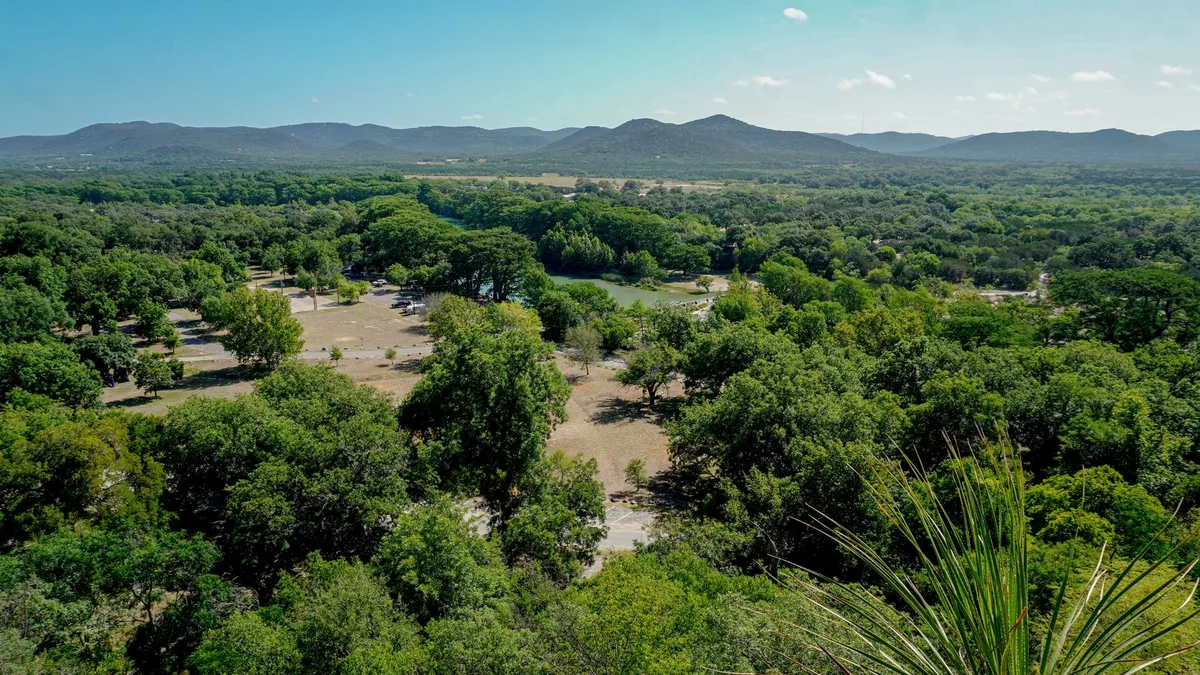
Smaller Texas towns often offer quieter streets, friendlier neighbors and lower costs than the big metros. Many sit within an hour or two of a major city, so hospitals, airports and specialists remain within reach.
Texas also has real financial advantages. There’s no state income tax, so Social Security, pensions and IRA withdrawals aren’t taxed by the state.
The tradeoff is property tax. Texas relies heavily on local property taxes, but homeowners 65 and older get extra protection, especially on school taxes, which are often the largest part of the bill.
| Texas Money Rule | Current Amount (Source) | Why It Matters |
|---|---|---|
| State income tax | None (Texas) | Retirement income isn’t taxed by the state |
| School-tax homestead exemption | $140,000 (approved by voters, November 2025) | Lowers taxable home value |
| Extra school-tax exemption for 65+ or disabled | $60,000 (approved by voters, November 2025) | Up to $200,000 exempt in total |
| School-tax ceiling for 65+ homeowners | Freezes school taxes at the level when you qualify | Protects against rising school taxes |
| Local option exemptions | Vary by city and county | Ask your appraisal district |
These rules can make a big difference in what you actually pay. When comparing towns, look at local tax rates and exemptions, not just home prices.
1. Sherman
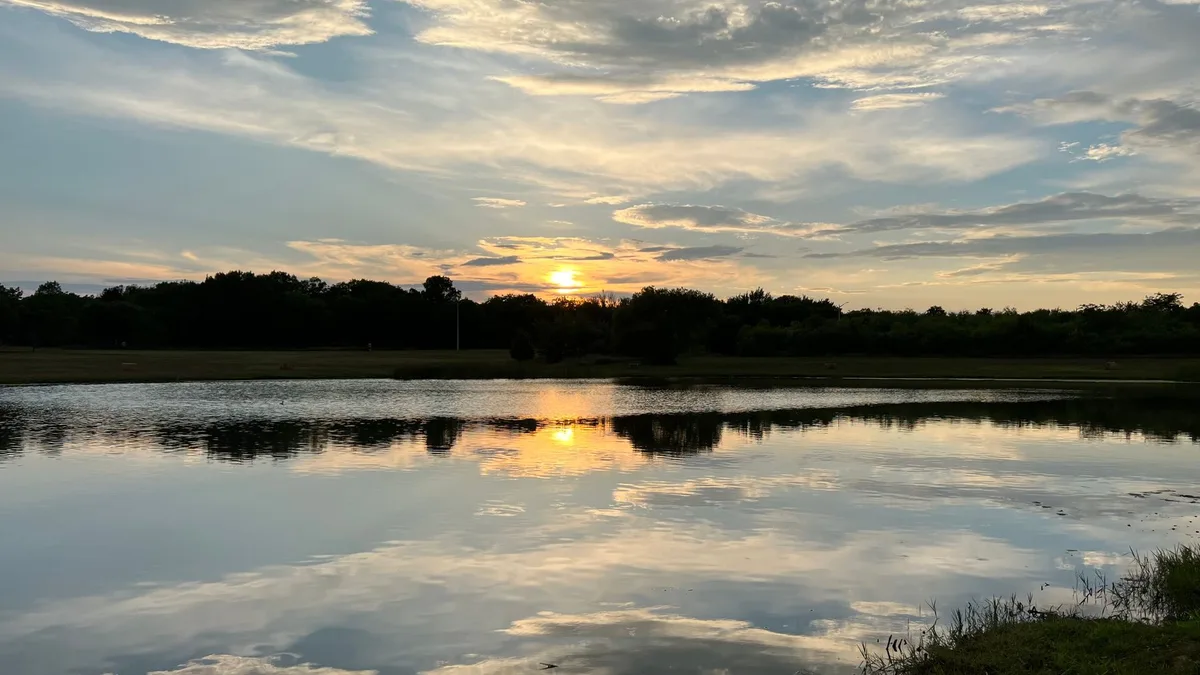
Sherman is a city of about 44,000 people in Grayson County, roughly an hour north of Dallas and close to the Oklahoma border. It offers small-city living with the Dallas-Fort Worth area within driving distance.
The town has a historic downtown square, local restaurants and Austin College, a small liberal arts school that brings lectures and cultural events. Lake Texoma, one of the largest lakes in the region, is a short drive away for fishing and boating.
Sherman’s health care includes regional hospitals in town, with major Dallas medical centers about an hour south for specialized care. That combination appeals to retirees who want a safety net without big-city traffic.
Growth is a factor to watch. New industry has been coming to the area, which can bring jobs and amenities but may also push home prices and traffic higher over time.
Its location also makes travel easy. Being close to the Dallas-Fort Worth airport area means quick access to flights for visiting children and grandchildren around the country.
2. Livingston
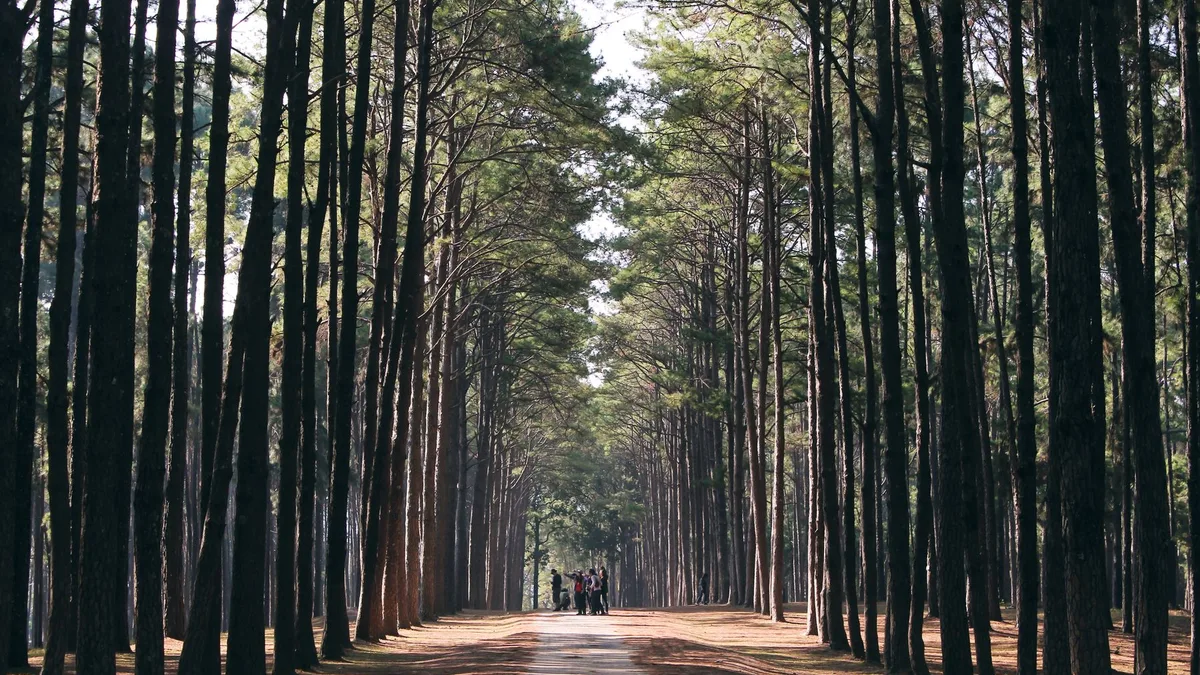
Livingston is a small town of about 5,500 people in Polk County in East Texas, on the western shore of Lake Livingston. The area is surrounded by the Piney Woods and is roughly 75 miles northeast of Houston.
Lake Livingston is the main attraction. Retirees here fish for bass, crappie and catfish, boat on the lake and enjoy nearby forests, including the Big Thicket and Sam Houston National Forest regions.
Daily life is quiet and slower-paced. Shopping and dining are limited compared with larger towns, and specialized medical care usually means a trip toward Houston.
For outdoor-minded retirees, the lake and woods are the entertainment. If you want a peaceful lakeside setting and don’t mind driving for big-city amenities, Livingston is worth a look.
Older homes and lake properties vary widely in condition, so a careful inspection is wise. Ask about septic systems, flood history and access roads before buying a lake lot or older cabin.
3. Rockport
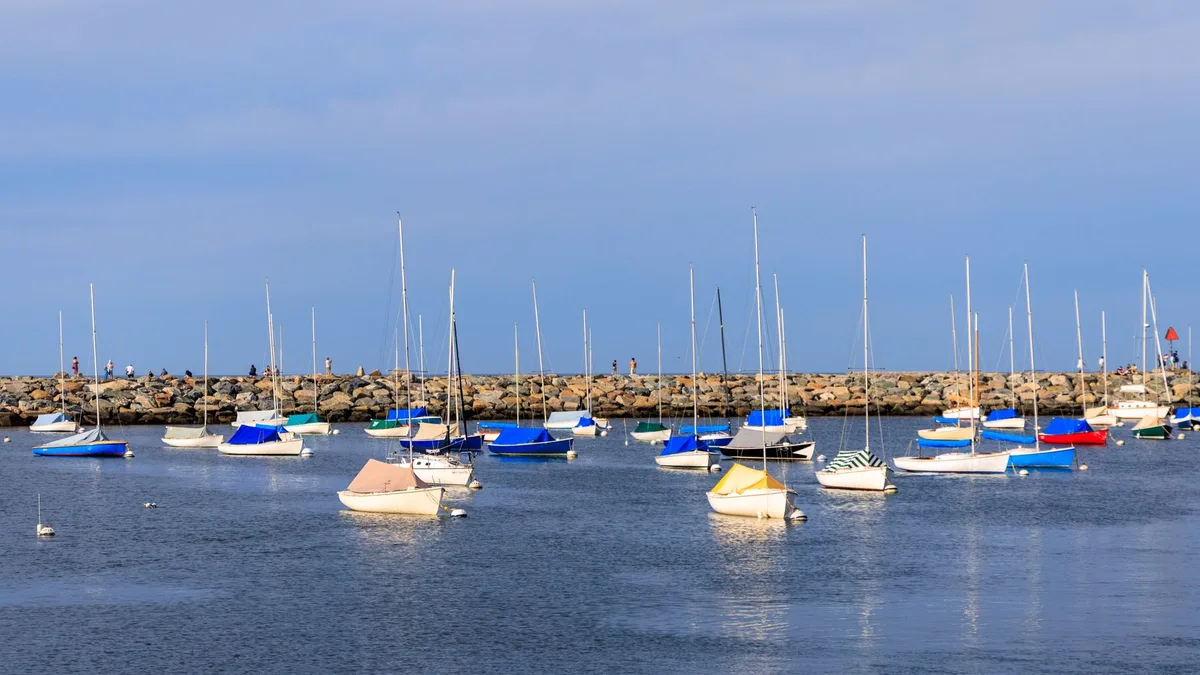
Rockport is a coastal town of about 10,000 people in Aransas County, roughly 30 miles northeast of Corpus Christi. It was hit hard by Hurricane Harvey in 2017 and has since rebuilt much of its housing and infrastructure.
Rockport is known for art and birding. The town has galleries and an active arts community, and the nearby Aransas National Wildlife Refuge is the winter home of endangered whooping cranes, drawing birdwatchers from around the world.
Fishing, fresh seafood and waterfront sunsets are part of everyday life. Many retirees value the coast without the heavy spring-break crowds of other Gulf beaches.
Coastal living comes with costs. Homeowners insurance and windstorm coverage can be expensive along the Texas coast, so get insurance quotes before you buy, and plan for hurricane preparedness.
Rockport’s slower winter season also appeals to many retirees. Some live there year-round, while others spend the cooler months on the coast and summer somewhere milder.
4. Kerrville
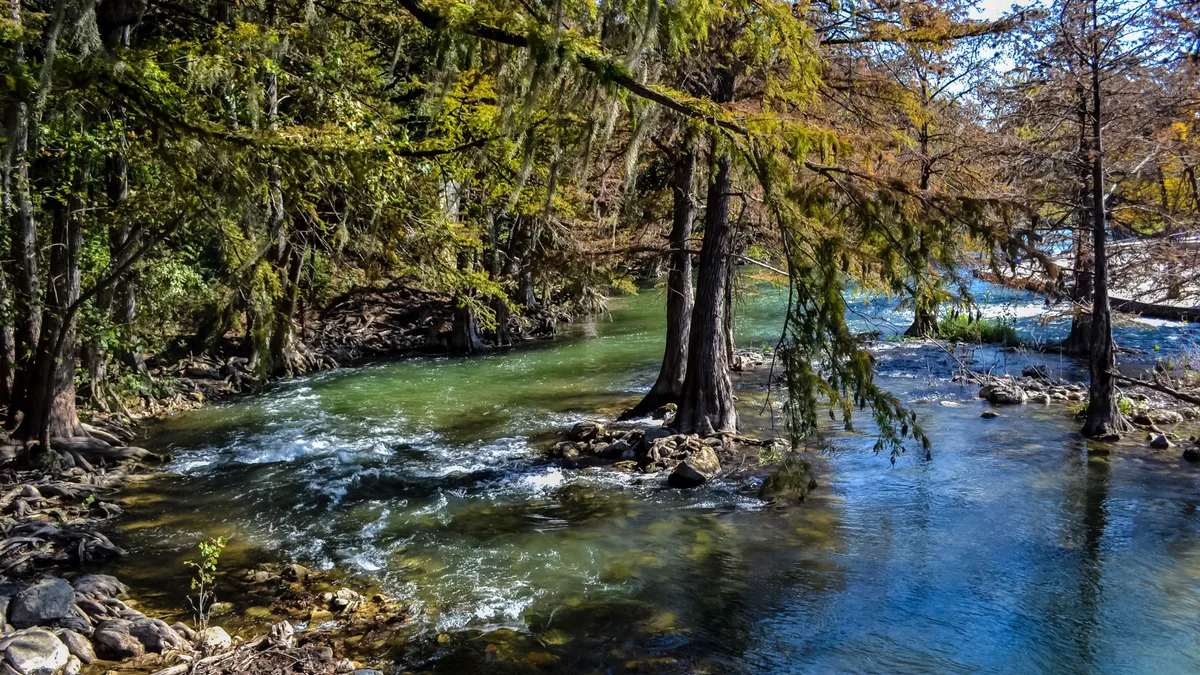
Kerrville is a city of about 24,000 people in the Texas Hill Country, roughly an hour northwest of San Antonio. The Guadalupe River runs through town, with parks and a river trail that make daily walks easy.
Health care is a strong point for its size. Kerrville has a local hospital system, Peterson Health, and a VA medical center that serves veterans across the region, with San Antonio’s major medical centers about an hour away.
The town has a large share of older residents, which shows in its services and activities. The long-running Kerrville Folk Festival, art venues and Hill Country scenery give it a lively cultural side.
Kerrville offers Hill Country living without some of the tourist crowds of nearby Fredericksburg. Home prices vary widely, so compare neighborhoods and check flood risk near the river.
Many retirees here stay busy through volunteering, church groups and the local arts scene. A strong network of senior services also makes it easier to stay independent as needs change.
5. Woodway
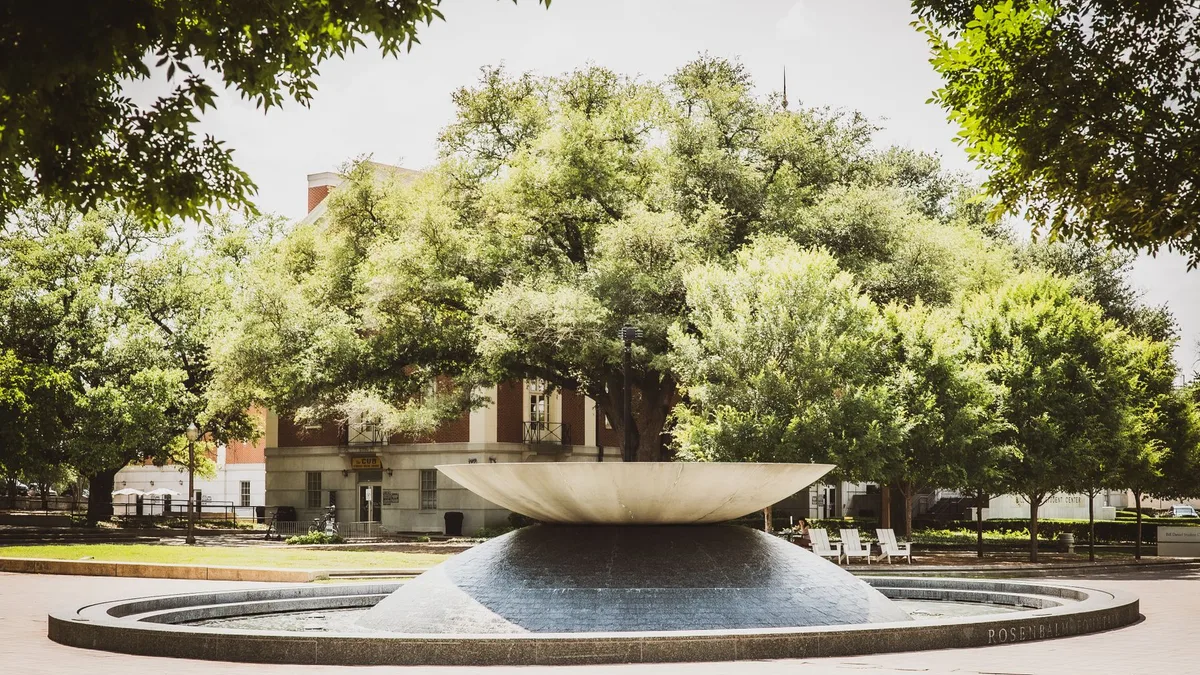
Woodway is a small city of about 9,400 people just southwest of Waco. It’s known for quiet residential neighborhoods, trails and a central location in the state.
Woodway sits roughly halfway between Dallas and Austin along the Interstate 35 corridor. That makes it easy to visit family or travel to major cities without living in one.
Waco has grown into a regional destination in recent years, with Baylor University, a revitalized downtown, restaurants and cultural events. Woodway residents can enjoy those amenities while living in a calmer setting.
Health care is available in Waco, with larger medical centers in Dallas and Austin for specialized care. For retirees who want a central, residential base, Woodway is a practical option.
Baylor University adds lectures, sports and performances, and many retirees enjoy taking advantage of campus events. The city’s trails and parks also make daily walking easy.
6. Granbury
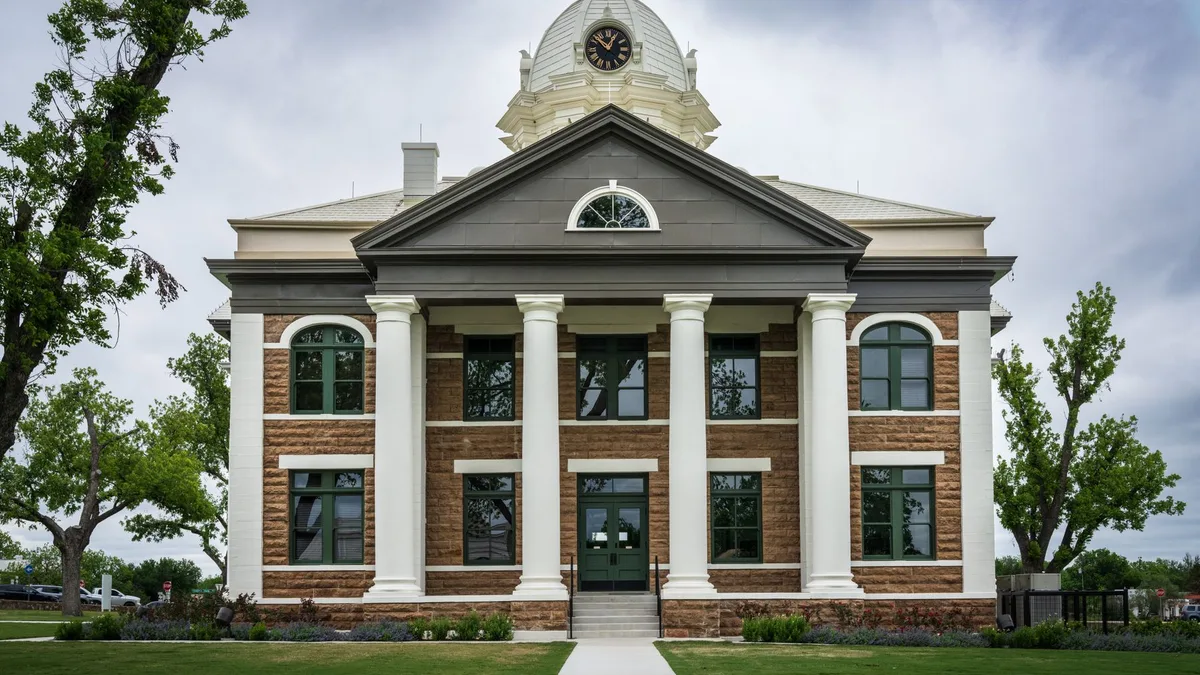
Granbury is a city of about 11,000 people in Hood County, roughly 35 miles southwest of Fort Worth. Its historic courthouse square is the heart of town, lined with shops, restaurants and the restored Granbury Opera House.
Lake Granbury wraps around the city and offers fishing, boating and waterfront dining. Many retirees choose Granbury for its small-town charm combined with water access.
The town has a sizable older population and an active social scene. Farmers markets, live music and community events give residents plenty to do.
Fort Worth’s hospitals, airport and cultural attractions are within reach for day trips. Granbury’s popularity has grown, so expect more traffic and higher prices than in some smaller towns on this list.
7. Bastrop

Bastrop is a city of about 10,000 people along the Colorado River, roughly 30 miles southeast of Austin. It offers access to Austin’s hospitals, airport and culture without living in the city.
The area is known for the Lost Pines, a stand of loblolly pines separated from the main East Texas forests. Bastrop State Park sits within the Lost Pines and offers hiking, camping and scenic drives.
Downtown Bastrop has historic buildings, restaurants, shops and events along Main Street. Its small-town feel appeals to people who want some of Austin’s energy at a calmer pace.
Growth around Austin has reached Bastrop, so prices and traffic have risen. Still, many retirees find it more affordable and relaxed than living inside the Austin area.
Wildfire has affected the Lost Pines area in the past, so check insurance options and defensible-space guidelines if you buy near wooded land.
8. Wimberley
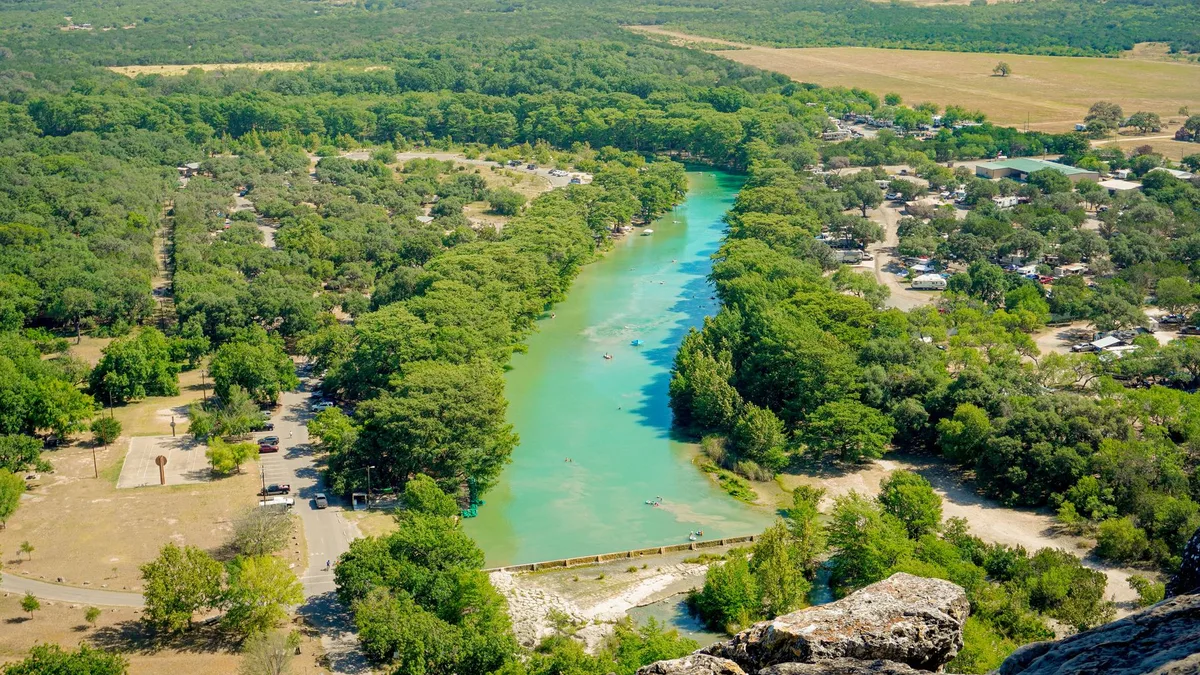
Wimberley is a small Hill Country city of about 2,800 people, roughly 40 miles southwest of Austin. Cypress Creek and the Blanco River run through the area, and natural swimming spots like Blue Hole and Jacob’s Well draw visitors from across the state.
The town has a strong arts community, with galleries and studios around Wimberley Square. Wimberley Market Days, held on the first Saturday of each month from March through December, draws large crowds of shoppers and visitors.
Wimberley is one of the more expensive towns on this list. Many retirees are drawn by its natural beauty and creative character, but home prices reflect that demand.
The area has seen major flooding in the past, so check flood zones carefully. Specialized health care is generally in nearby San Marcos, Austin or San Antonio.
9. Salado
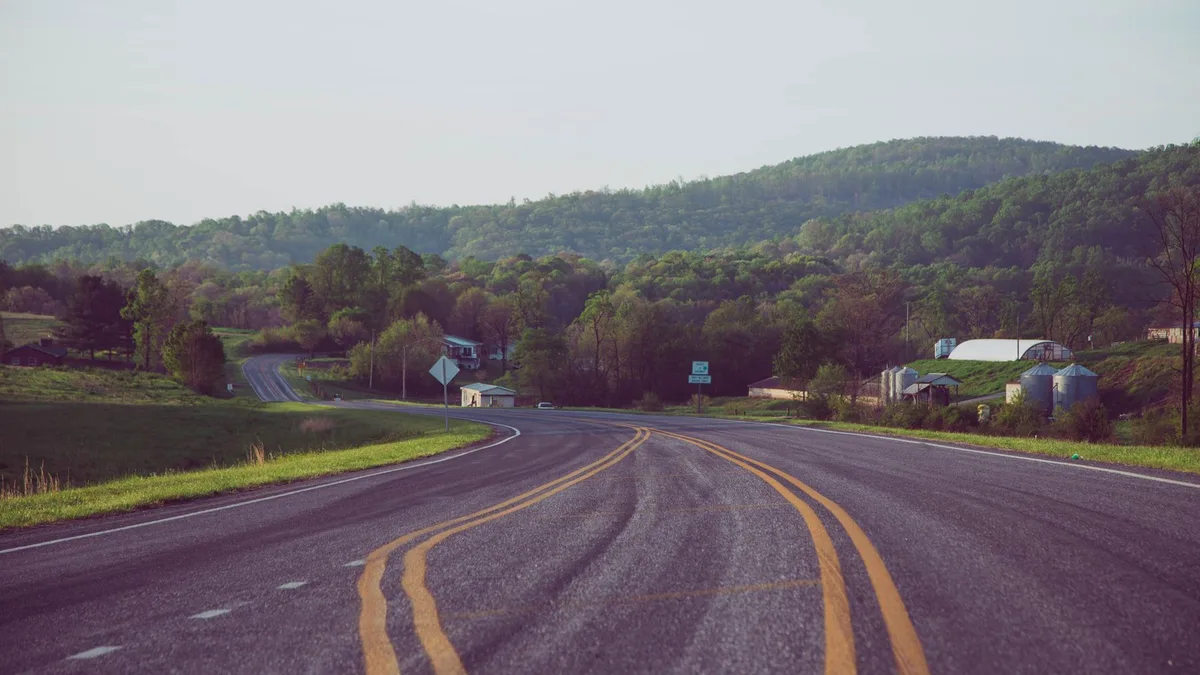
Salado is a village of about 2,400 people in Bell County along Interstate 35, between Austin and Waco. Salado Creek runs through town, with shaded walking paths and historic buildings.
The village has galleries, antique shops and restaurants, plus the historic Stagecoach Inn, which dates back to the 1800s. It’s a small place with an unusually strong artistic and historic character.
Salado’s location is a practical advantage. Temple, home to a large Baylor Scott & White medical center, is only a short drive away, and Austin and Waco are both within about an hour.
The pace of life is slow, which many retirees love. Shopping and services are limited in town, so most residents rely on nearby Temple and Belton for errands.
10. Fredericksburg

Fredericksburg is a Hill Country town of about 11,000 people, roughly 70 miles west of Austin and a similar distance from San Antonio. It was founded by German immigrants in 1846, and that heritage still shapes its architecture, food and festivals.
The surrounding area is the heart of Texas wine country, with many wineries and tasting rooms nearby. Enchanted Rock State Natural Area, with its massive pink granite dome, is a short drive north.
Fredericksburg also has the National Museum of the Pacific War and a busy calendar of events. Hill Country Memorial Hospital provides local care, with major medical centers in San Antonio and Austin for specialized treatment.
Popularity comes with a price. Tourism, short-term rentals and demand have pushed home prices up, so Fredericksburg is more expensive than many towns on this list.
Retirees who love Fredericksburg but find prices too high sometimes look at nearby smaller towns in the Hill Country. Living a short drive away can offer similar scenery with lower costs.
11. Marble Falls
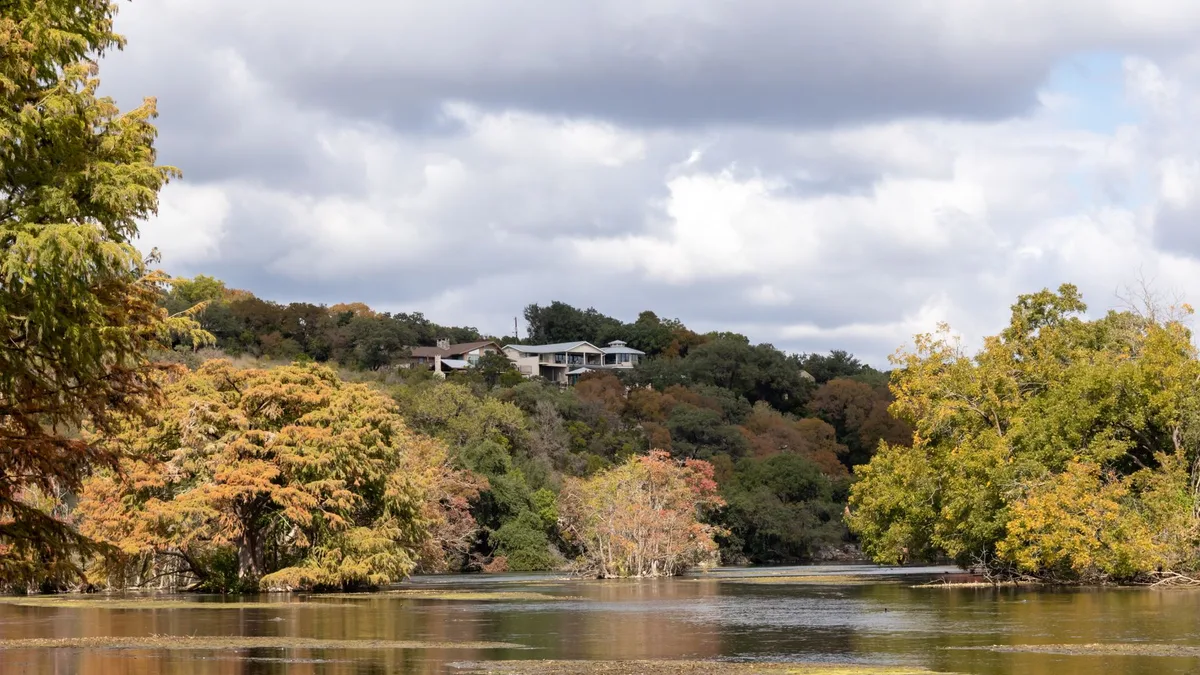
Marble Falls is a city of about 7,000 people in the Highland Lakes area, roughly 50 miles northwest of Austin. Lake Marble Falls and nearby Lake LBJ offer boating, fishing and waterfront living.
The town has a walkable downtown, local restaurants and a strong community calendar, including holiday light displays that draw visitors each winter. It’s also close to Hill Country parks and scenic drives.
Marble Falls has a Baylor Scott & White hospital, with Austin’s larger medical centers about an hour away. That mix of lake living and practical health care makes it appealing to many retirees.
Like much of the Austin region, the area has grown quickly. Compare home prices and lake-area insurance costs, since waterfront homes can carry higher premiums.
12. Nacogdoches

Nacogdoches is a city of about 32,000 people in deep East Texas and calls itself the oldest town in Texas. Its historic downtown features brick streets, preserved buildings and local shops.
Stephen F. Austin State University brings concerts, lectures, sports and continuing education opportunities. Retirees often enjoy auditing classes or attending campus events.
The surrounding Piney Woods offer hiking, gardens and lakes, and the city’s arboretums and gardens are popular with nature lovers. Nacogdoches also has two hospitals, which is strong medical access for a town its size.
Housing costs are generally more modest than in the Hill Country or near Austin. For retirees who want an affordable college town with history and greenery, Nacogdoches deserves attention.
The East Texas climate is humid, with more rain and greenery than central or west Texas. Some retirees love the lush scenery, while others prefer the drier Hill Country, so a visit in summer helps.
| Town | Approx. Population | Big-City Access | Best For |
|---|---|---|---|
| Sherman | 44,000 | About an hour to Dallas | Lake access with metro backup |
| Livingston | 5,500 | About 75 miles to Houston | Quiet lake and forest living |
| Rockport | 10,000 | About 30 miles to Corpus Christi | Coastal life and birding |
| Kerrville | 24,000 | About an hour to San Antonio | Hill Country with strong health care |
| Woodway | 9,400 | Next to Waco, central Texas | A central, residential base |
| Granbury | 11,000 | About 35 miles to Fort Worth | Historic square and lake living |
| Bastrop | 10,000 | About 30 miles to Austin | Austin access, lower-key pace |
| Wimberley | 2,800 | About 40 miles to Austin | Arts, creeks and springs |
| Salado | 2,400 | Near Temple, between Austin and Waco | Small village with medical access nearby |
| Fredericksburg | 11,000 | About 70 miles to Austin or San Antonio | Wine, history and culture |
| Marble Falls | 7,000 | About 50 miles to Austin | Lake living with local hospital |
| Nacogdoches | 32,000 | East Texas, far from big metros | Affordable college town |
The table shows how different these towns are. Narrowing down what matters most, such as water, health care or culture, makes the list much easier to use.
What to Check Before You Move
Visit before you buy, ideally in summer and in a different season. Texas heat can be intense, and a town that feels perfect in spring may feel very different in August.
Check health care carefully. Ask which hospitals and specialists are nearby, whether they accept your Medicare plan and how far you’d travel for heart, cancer or orthopedic care.
Look closely at housing costs beyond the price. Property tax rates, homeowners insurance, flood risk and HOA fees can vary widely between towns and even between neighborhoods.
| Priority | What to Check | What to Do Next |
|---|---|---|
| 1 | Property taxes | Ask the appraisal district about exemptions and the 65+ school-tax ceiling |
| 2 | Insurance | Get quotes for homeowners, flood and windstorm coverage |
| 3 | Health care | Confirm hospitals and Medicare plan networks |
| 4 | Climate | Visit in summer to test the heat |
| 5 | Community | Spend time at senior centers, churches or clubs |
How to Claim Texas Property Tax Breaks at 65
Texas homeowners must apply for homestead exemptions through their county appraisal district. Once you’re 65 or older, you can also apply for the additional school-tax exemption and the school-tax ceiling, which freezes your school taxes at the level when you qualify.
You can generally apply for the age 65 exemption in the year you turn 65, and many appraisal districts accept applications online. Some cities, counties and special districts offer their own extra exemptions or tax freezes for older homeowners.
Texas also allows homeowners 65 and older to defer property taxes on their homestead while they live there. Interest accrues on deferred taxes, so it’s worth understanding the costs before using this option.
Finding Your Own Hidden Gem
The best Texas retirement towns aren’t always the famous ones. Lake towns, coastal communities, Hill Country villages and small college towns each offer different ways to enjoy retirement at a slower pace.
Start by deciding what matters most, such as being near family, water, culture or strong health care. Then visit two or three towns, talk to local retirees and compare total living costs, not just home prices.
With no state income tax and strong property tax protections for older homeowners, Texas can be a smart place to retire. The right town is the one that fits your budget, your health needs and the kind of daily life you want.
Note: This article provides general educational information, not individualized financial, tax or real estate advice. Populations are approximate, and tax rules, insurance costs and home prices change, so confirm details with local officials and qualified professionals before moving.