

Living alone as an older adult can feel like the freedom you worked decades to earn. You control your schedule, enjoy your privacy, and make decisions without asking anyone. But there is another side that rarely gets discussed until you experience it yourself.
Every emergency, household repair, and daily responsibility now falls on your shoulders. Even people who love their independence can find certain moments unexpectedly difficult.
Understanding these 12 overlooked realities can help you enjoy the freedom of living alone while preparing for the challenges that come with it.
1. You Become Your Own Emergency Backup
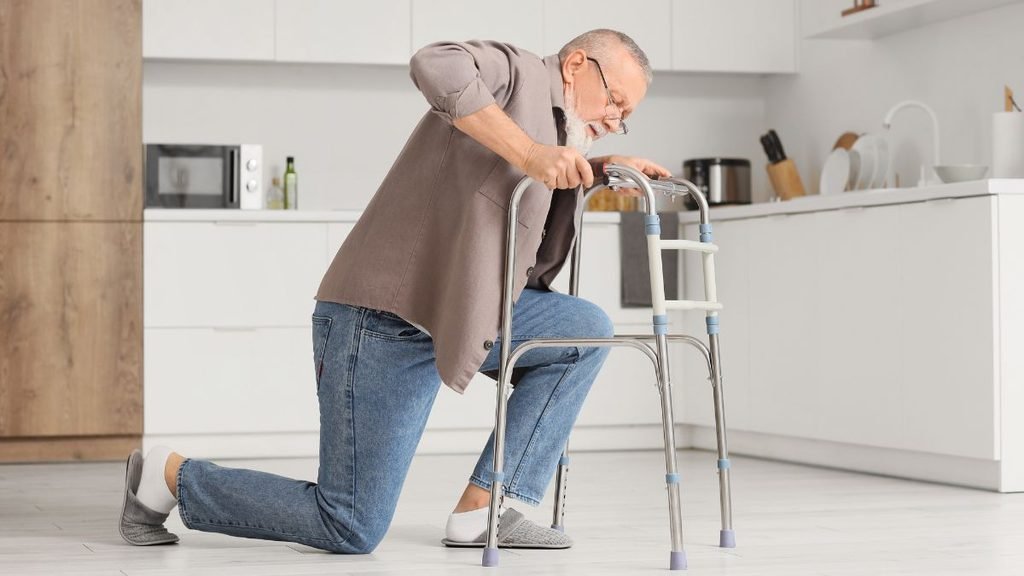
One of the biggest surprises about living alone in later life is realizing that nobody is automatically there when something goes wrong. A sudden illness, a fall in the bathroom, or an unexpected injury can become more serious when nobody knows you need help.
According to the Centers for Disease Control and Prevention, more than one in four Americans aged 65 and older reports falling each year. Falls can happen to healthy, active people, and living alone can make getting help more difficult.
This does not mean older adults should fear living independently. It means having a simple emergency plan becomes just as important as locking the doors at night.
Keeping a charged phone within reach is a good starting point. Some people also choose medical alert devices, smartwatches with emergency features, or regular check-ins with trusted friends.
A backup plan should answer three simple questions. Who will notice if something is wrong, how will that person contact you, and how can help reach you?
| Possible Emergency | First Safety Measure | Backup Plan |
|---|---|---|
| Fall or injury | Keep emergency calling available | Wear an alert device if appropriate |
| Sudden illness | Arrange regular check-ins | Identify someone who can call for help |
| Unable to answer the door | Keep trusted contacts informed | Arrange secure emergency access |
| Power outage | Keep a flashlight and charged phone | Know who can assist locally |
| Hospital admission | Carry emergency contact details | Keep essential information accessible |
The goal is not to have someone monitor every movement. It is to make sure one unexpected problem does not turn into a much larger emergency.
An agreed check-in system can be particularly useful for anyone living far from family. Even a short daily message can make a meaningful difference when both people understand what to do if it does not arrive.
2. Loneliness Can Surprise Even People Who Love Being Alone
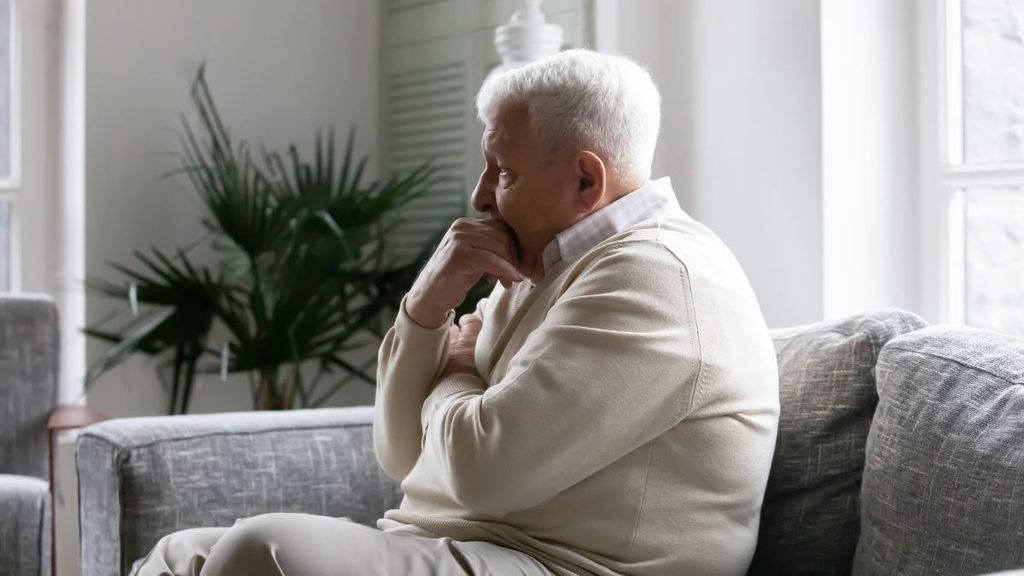
Some people have always enjoyed their own company. They appreciate quiet mornings, uninterrupted reading, and the freedom to spend entire afternoons doing whatever they please.
Yet living alone and feeling lonely are two different experiences. Someone can love solitude while still missing the small conversations that once filled an ordinary day.
In a 2025 AARP survey of more than 500 people aged 50 to 95 living alone, 35% identified freedom and independence as the best parts of their living arrangement. Meanwhile, 22% identified loneliness as the worst part.
That contrast reveals something important about aging alone. Independence and loneliness can exist in the same person’s life without one canceling out the other.
The difficult moments are often surprisingly ordinary. There may be nobody to tell about a funny television program, share an interesting piece of news, or discuss what happened during a doctor’s appointment.
Over time, friends may relocate, family members may become busy, and familiar social circles may grow smaller. Even someone who enjoys being alone can begin to miss having regular human contact.
The National Institute on Aging distinguishes loneliness from social isolation. Loneliness involves feeling disconnected, while social isolation refers to having few social contacts or interactions.
One practical solution is to build regular contact into the week before loneliness becomes overwhelming. A walking companion, weekly phone call, hobby group, or familiar coffee gathering can create meaningful connections.
Pets can also provide companionship and a reason to maintain a routine. However, adopting an animal should include thinking about veterinary bills, daily care, and who would care for the pet during an illness.
3. Home Maintenance Becomes More Work and More Expensive

A house that once felt easy to manage can gradually become a demanding responsibility. Cleaning floors, changing light bulbs, mowing grass, and handling repairs may take more effort than they did years earlier.
The surprising part is how quickly small household tasks accumulate. A dripping faucet, loose cabinet handle, or overgrown yard may seem minor until several problems demand attention at once.
When two adults share a home, they may divide these responsibilities. Living alone means deciding what to do yourself, what can wait, and what requires paid help.
This creates a financial challenge that retirement budgets sometimes overlook. Even someone who owns a home without a mortgage still faces repairs, maintenance, insurance, property taxes, and utilities.
Consider the following hypothetical household budget. These are illustrative planning amounts, not national market prices or service quotes.
| Household Need | Monthly Amount | Annual Amount |
|---|---|---|
| Cleaning help, twice monthly | $200 | $2,400 |
| Yard maintenance | $130 | $1,560 |
| Home repair reserve | $125 | $1,500 |
| Total planned budget | $455 | $5,460 |
In this example, cleaning and yard services cost $330 monthly, while $125 is set aside for future repairs. The household needs to plan for $5,460 annually, even though the repair reserve may not be spent immediately.
This is why keeping a home manageable matters as much as keeping it attractive. A smaller property, easier landscaping, improved storage, or occasional professional help can reduce the physical workload.
There is also no benefit in risking an injury to save a relatively small amount of money. Hiring someone for roof repairs, gutter cleaning, or other hazardous work can be a sensible decision rather than an unnecessary luxury.
4. Your Daily Routine Becomes More Important Than You Expect

Living alone removes many of the schedules that once organized daily life. There may be no partner leaving for work, children arriving home, or shared dinner time marking the evening.
At first, that freedom can feel wonderful. Eventually, some people discover that having too much unstructured time makes ordinary days feel less meaningful.
A morning cup of coffee, a walk after breakfast, or watering plants before sunset can become surprisingly important. These small habits provide familiar points in a day that otherwise has few outside demands.
For someone who has recently retired or lost a spouse, routines can also bring a sense of stability. They provide something predictable during a period when many other parts of life have changed.
The best routine does not need to resemble a strict work schedule. It can simply include a few activities that support physical health, personal interests, and social connection.
For example, mornings might begin with breakfast and light exercise, followed by reading or working on a hobby. Afternoons can remain flexible for appointments, visits, or household projects.
What matters is that the day has some purpose beyond watching the hours pass. Living alone gives people the freedom to design routines around their own interests rather than someone else’s expectations.
5. Cooking for One Is Harder Than It Sounds

Cooking for one person should be simple, but many older adults discover the opposite. Grocery stores often sell portions intended for families, recipes produce too many servings, and preparing a full meal for one can feel unnecessary.
There is also an emotional side to eating alone. Someone who once enjoyed preparing family dinners may find that cooking feels different without another person sitting at the table.
It becomes tempting to rely on takeout, snacks, or whatever requires the least effort. Convenience is useful, but depending on it every day can increase food expenses and make balanced eating more difficult.
The financial difference can become meaningful over a year. Consider a hypothetical person replacing three $18 takeout meals each week with meals costing $6 each to prepare at home.
| Meal Option | Cost Per Meal | Weekly Cost for 3 Meals | Annual Cost |
|---|---|---|---|
| Home-cooked meal | $6 | $18 | $936 |
| Takeout meal | $18 | $54 | $2,808 |
| Difference | $12 | $36 | $1,872 |
Under these assumptions, preparing just three meals at home instead of ordering takeout saves $1,872 annually. Actual savings depend on grocery prices, food waste, delivery charges, and the meals chosen.
The solution is not spending hours in the kitchen every evening. Batch cooking, freezing individual portions, and choosing recipes that work well as leftovers can make meals easier to manage.
The USDA’s MyPlate guidance also encourages older adults to choose nutrient-rich foods and plan meals. Frozen vegetables, canned beans, eggs, and other convenient ingredients can help someone prepare balanced meals without excessive work.
Cooking for yourself can become a satisfying routine rather than another household obligation. A well-prepared meal still matters even when nobody else is sitting at the table.
6. The Silence Can Feel Wonderful Until It Doesn’t

One of the greatest advantages of living alone is having complete control over the atmosphere of your home. You can read in silence, listen to music whenever you want, or spend an afternoon without interruption.
However, silence can feel very different after losing a spouse or leaving a busy household. A quiet room that once felt relaxing may suddenly remind someone of the conversations and routines that are missing.
Evenings can be especially difficult because there are fewer distractions. The television may be off, the day’s tasks are finished, and there is nobody nearby to share a passing thought.
Some people manage this by keeping soft music or a favorite radio program playing while they cook or clean. Others enjoy audiobooks, podcasts, or calling a friend during quieter parts of the day.
There is nothing wrong with choosing background sound if it makes the home more comfortable. At the same time, constant noise does not replace meaningful relationships or shared experiences.
The important distinction is whether silence feels peaceful or distressing. If quiet time regularly produces sadness, anxiety, or a sense of disconnection, adding more personal contact may help.
Living alone can offer valuable time for reflection and relaxation. The challenge is making sure that peaceful solitude does not gradually become unwanted isolation.
7. Staying Physically Active Requires More Intention
When someone lives with another person, movement often happens naturally. There may be errands to complete together, household tasks to share, or a partner suggesting an afternoon walk.
Living alone can remove some of those everyday reasons to move. Without noticing, a person may begin spending more hours sitting and fewer hours doing activities that keep the body strong.
This matters because physical activity supports mobility, balance, strength, and overall health. Regular movement can also create opportunities to socialize outside the home.
The CDC’s physical activity guidance for adults aged 65 and older recommends aerobic exercise, muscle strengthening, and balance activities. The following table summarizes those general goals.
| Activity Type | Weekly Guidance | Practical Example |
|---|---|---|
| Moderate aerobic activity | At least 150 minutes | Walking 30 minutes, five days |
| Muscle strengthening | At least 2 days | Chair rises or resistance exercises |
| Balance activities | Include regularly | Supported balance exercises |
| Everyday movement | Add as abilities allow | Gardening, walking, household tasks |
These are general public health goals, not requirements everyone can immediately meet. People with mobility limitations or medical conditions can work with healthcare professionals to choose safe activities that fit their abilities.
Exercise also does not have to involve a gym membership. Gardening, dancing, swimming, stretching, and walking with friends can all contribute to a more active routine.
A particularly useful approach is combining exercise with an enjoyable responsibility. Walking to a nearby café, attending a weekly class, or joining a local walking group adds a reason to get moving.
The goal is to maintain the ability to do the activities that make independent living enjoyable. Small amounts of regular movement can be more sustainable than ambitious plans that are quickly abandoned.
8. Your Sense of Time Can Change in Unexpected Ways

One overlooked part of living alone is how differently time can feel. Without another person’s schedule shaping the household, weekdays and weekends may begin to resemble one another.
Someone who once organized life around work, family meals, and shared appointments may find that those familiar markers have disappeared. The result can be days that seem to pass too quickly or afternoons that feel unusually long.
Retirement can intensify this change because there are fewer outside demands. For some people, it becomes surprisingly easy to lose track of what day of the week it is.
Creating a loose weekly structure can help keep time meaningful. Grocery shopping on Mondays, attending a class on Wednesdays, and meeting a friend on Fridays provide recurring activities to anticipate.
A visible calendar can also reduce the chance of missing appointments, medication refills, or important payments. Phone reminders are useful, but a simple paper calendar works just as well for many people.
There is no need to schedule every hour. Having open time is one of the pleasures of living independently, and too much structure can make retirement feel like another job.
The goal is finding a comfortable balance between freedom and predictability. Persistent new confusion about dates, familiar places, or everyday tasks should be discussed with a healthcare professional rather than dismissed as a normal part of aging.
9. Decluttering Becomes an Emotional Decision
Decluttering sounds straightforward until someone has spent decades collecting memories. An old photograph, a chipped coffee mug, or a piece of furniture may hold much more meaning than its practical value suggests.
For older adults living alone, belongings can become reminders of people, places, and earlier stages of life. Sorting through them may bring back both pleasant memories and difficult emotions.
There is also a practical problem that is easy to ignore. Overfilled storage spaces, narrow walkways, and piles of unused belongings can make a home harder to clean and move around safely.
The National Institute on Aging recommends reducing common household fall hazards, including loose rugs and poorly arranged walking areas. Making a home safer does not require discarding everything that carries sentimental value.
A useful approach is to start with items that create inconvenience rather than emotional attachment. Clear the stairs, organize crowded kitchen cabinets, and remove objects that block frequently used paths.
Sentimental belongings can be handled more slowly. Important letters, photographs, and family keepsakes may be organized into clearly labeled boxes or shared with relatives who value them.
Another question becomes important as people age: who will eventually have to manage everything left behind? Reducing unnecessary belongings now can make life easier for both the person living alone and those who may assist later.
Decluttering should never feel like erasing a lifetime of memories. It is about creating a home that supports the life being lived today while preserving what matters most.
10. Social Invitations May Slow Down Unless You Make Them Happen

One difficult surprise about growing older is that invitations can become less frequent. Friends may retire to different cities, relatives may have demanding schedules, and former social groups may no longer meet regularly.
This does not necessarily mean people have stopped caring. Often, everyone’s routines have changed, and nobody realizes how much time has passed since the last conversation.
However, waiting for the phone to ring can become discouraging. A person may want companionship while assuming everyone else is too busy to spend time together.
Taking the initiative can change that pattern. Inviting someone for coffee, suggesting a walk, or organizing a small gathering gives other people a clear opportunity to reconnect.
Social activities do not need to be elaborate or expensive. A weekly card game, book discussion, shared meal, or neighborhood walking group can create a regular source of companionship.
For people who prefer quieter activities, a one-on-one visit may be more enjoyable than a large gathering. The important thing is choosing social contact that feels natural rather than forcing participation in activities that hold little interest.
Community centers, public libraries, volunteer organizations, and faith communities may also offer opportunities to meet people. The Administration for Community Living’s Eldercare Locator can help older Americans identify local programs and support services.
A strong social life often requires more deliberate effort after retirement. The encouraging part is that living alone also provides the freedom to choose which relationships and activities deserve your time.
11. Nobody Else Notices When You Stop Taking Care of Yourself

One of the more subtle challenges of living alone is the absence of everyday feedback. There may be nobody nearby to notice that you have skipped meals, slept poorly, or stopped enjoying activities that once mattered.
Small changes can gradually become habits. Staying in pajamas throughout the day, canceling appointments, or spending long periods indoors may seem harmless individually, but together they can sometimes signal that something needs attention.
This does not mean everyone should dress formally or follow a strict personal care schedule. The concern is a noticeable change from someone’s usual habits, especially when it affects health or well-being.
Creating simple self-care routines can make a difference. Regular meals, suitable clothing, a consistent sleep schedule, and time outdoors can help maintain daily structure.
Medical care also deserves attention when no one else is reminding you. Keeping appointments, reviewing medications, and addressing new symptoms are important parts of maintaining independence.
There is an emotional component too. People who spend most of their time alone may begin wondering why they should bother making an effort if nobody else will notice.
The answer is that personal care remains valuable regardless of who is watching. Preparing a favorite breakfast, wearing comfortable clothes that make you feel good, and keeping a pleasant home are worthwhile for your own enjoyment.
If changes in motivation are accompanied by persistent sadness, loss of interest, or difficulty managing daily tasks, speaking with a healthcare professional is important. These symptoms deserve attention rather than being treated as an unavoidable part of living alone.
12. You Need a Plan for the Day You Cannot Do Everything Yourself

Perhaps the most important reality of living alone is that independence may eventually require additional support. Even healthy older adults can experience temporary illness, injury, or changes in mobility that make daily responsibilities harder.
The real problem is not needing help. It is discovering that no arrangements exist when help suddenly becomes necessary.
Consider a hypothetical 75-year-old living independently who develops difficulty carrying groceries and managing household tasks. A few hours of weekly assistance might allow that person to remain comfortably at home.
However, ongoing help can become expensive. CareScout’s 2025 Cost of Care Survey reported a national median rate of $35 per hour for nonmedical caregiver services.
Using that rate, the following estimates show how quickly recurring assistance can affect a retirement budget.
| Weekly Assistance | Approx. Monthly Cost | Annual Cost |
|---|---|---|
| 2 hours | $303 | $3,640 |
| 4 hours | $607 | $7,280 |
| 8 hours | $1,213 | $14,560 |
These figures assume 52 weeks of service at $35 per hour. Actual costs vary by location, provider, service type, minimum visit length, and the amount of help required.
There is also an important Medicare limitation. Original Medicare may cover certain medically necessary home health services for eligible patients, but it generally does not pay for ongoing help with ordinary household tasks or personal care when those are the only services needed.
Planning before assistance becomes necessary can protect both savings and independence. A person may want to identify affordable transportation, local meal services, trusted contractors, or community programs while still managing everything comfortably.
Financial and legal preparation matters as well. The Consumer Financial Protection Bureau recommends organizing important records and considering trusted contacts and appropriate powers of attorney.
A durable financial power of attorney, for example, can authorize a trusted person to handle financial matters under the document’s terms. A separate healthcare directive or healthcare power of attorney can help communicate medical wishes according to state law.
These arrangements should be reviewed with qualified professionals because legal requirements and personal circumstances differ. Choosing who can help is an important decision, and trusted contacts should not automatically receive unrestricted access to accounts.
It is also useful to identify someone who can assist after a hospital stay, during a period of limited mobility, or when a major home repair becomes urgent. That person might be a relative, a trusted friend, or an appropriately authorized professional.
The strongest independent living plan is not one that assumes help will never be needed. It is one that makes support available while allowing the older adult to maintain as much choice and control as possible.