

An older man stops accepting dinner invitations, spends weekends in his garden, and seems perfectly happy at home. His family may worry that he is becoming lonely, depressed, or disconnected, even when he insists nothing is wrong.
But the psychology behind senior men over 60 who prefer staying home tells a more complicated story. For some men, home offers independence, purpose, and relief from years of social demands.
For others, staying inside may reflect loneliness, declining health, or major life changes. Understanding the difference reveals why a quiet lifestyle can sometimes be deeply satisfying.
Why Staying Home After 60 Is Not Always a Sign of Loneliness

Society often measures happiness by how busy someone’s social calendar looks. A man who attends parties, travels frequently, and meets friends every weekend may appear to have a more fulfilling life than one who stays home.
Yet being socially active and feeling emotionally satisfied are not the same thing. Some men maintain busy schedules because they enjoy them, while others discover that quieter routines better match their needs.
A 2018 study published in The Journals of Gerontology followed 100 adults aged 50 to 85. Researchers found that 86% of recorded instances of solitude were voluntary, suggesting that time alone was often a deliberate choice rather than an unwanted condition.
The finding does not mean that 86% of older men prefer staying home. However, it challenges the assumption that spending time alone automatically reflects unhappiness.
Psychologists also distinguish between solitude, loneliness, and social isolation. These experiences may look similar from the outside, but they mean very different things.
| Experience | What It Means | What It May Look Like |
|---|---|---|
| Healthy solitude | Choosing time alone and enjoying it | Reading, gardening, or relaxing contentedly |
| Loneliness | Feeling disconnected from desired relationships | Wanting companionship but lacking it |
| Social isolation | Having very little regular contact or support | Rarely speaking with anyone |
| Social withdrawal | Reducing social activity for various reasons | Avoiding invitations or stopping familiar activities |
A man can live alone without feeling lonely. He can also feel lonely while surrounded by family, friends, or neighbors.
This distinction matters because the preference for staying home cannot explain someone’s emotional condition by itself. The reasons behind that preference provide a much clearer picture.
1. He Has Become More Selective About How He Spends His Time

One important psychological change that may occur with age is a shift in how people value their remaining time. Activities that once seemed necessary can gradually lose their importance.
During his working years, a man may attend business dinners, neighborhood events, family gatherings, and social functions out of obligation. He might enjoy some of these occasions while finding others tiring or unimportant.
After 60, his priorities may become more selective. Rather than accepting every invitation, he may prefer spending an afternoon with someone he genuinely enjoys.
Stanford psychologist Laura Carstensen developed a theory called socioemotional selectivity theory. It suggests that as people become more aware that time is limited, they often place greater importance on emotionally meaningful experiences.
This can help explain why some older adults maintain smaller social circles without feeling that anything important is missing. Their goal may no longer be meeting more people, but enjoying stronger relationships with those who matter most.
Consider a hypothetical 67-year-old retired accountant named Robert. Throughout his career, Robert attended networking events, professional dinners, and countless meetings.
Now he prefers occasional lunches with two close friends and quiet evenings with his wife. His social calendar is smaller, but his relationships may feel more rewarding.
Robert has not necessarily lost his interest in people. He may simply have become more intentional about the relationships that receive his time.
For some men, staying home is part of this shift. They would rather spend three meaningful hours with a close friend than attend a crowded gathering where most conversations remain superficial.
The psychological insight: Fewer social activities do not automatically mean less social satisfaction. What matters is whether a man’s relationships meet his emotional needs.
2. His Home Is Where He Can Finally Stop Playing Different Roles

For much of adulthood, many men carry responsibilities that shape how they behave around other people. They may be expected to act as providers, employees, supervisors, husbands, fathers, or problem solvers.
These roles can bring purpose and satisfaction. However, constantly meeting the expectations attached to them can also become exhausting.
A working man may spend decades managing deadlines, solving family problems, and worrying about what others expect from him. Even outside the workplace, he may feel pressure to appear capable, confident, or successful.
Retirement can change those expectations almost overnight. The man who once answered work calls every evening suddenly has more control over his daily routine.
At home, he may discover something he rarely experienced during his busiest years: the freedom to exist without performing for anyone.
He can wear comfortable clothes, spend hours on a personal project, or enjoy an afternoon without explaining how productive he has been. His worth no longer has to depend on meeting someone else’s schedule.
The psychological difference becomes easier to understand when comparing life before and after retirement.
| Earlier Adult Life | Possible Priority After 60 | What Home Provides |
|---|---|---|
| Meeting work expectations | Personal freedom | Less pressure and fewer deadlines |
| Supporting a busy household | Enjoying familiar routines | Comfort and predictability |
| Building professional status | Living by personal values | Less need for approval |
| Attending required events | Choosing meaningful contact | Greater control over social time |
| Managing competing demands | Protecting personal energy | Room for rest and reflection |
These changes do not happen to every man, and retirement does not always bring relief. Some men miss the structure, respect, and social relationships that their careers provided.
Nevertheless, for those who felt overextended, home can become a place where they finally feel free from constant demands. Their preference for staying there may reflect satisfaction with a simpler routine.
3. He Appreciates Having Control Over His Environment
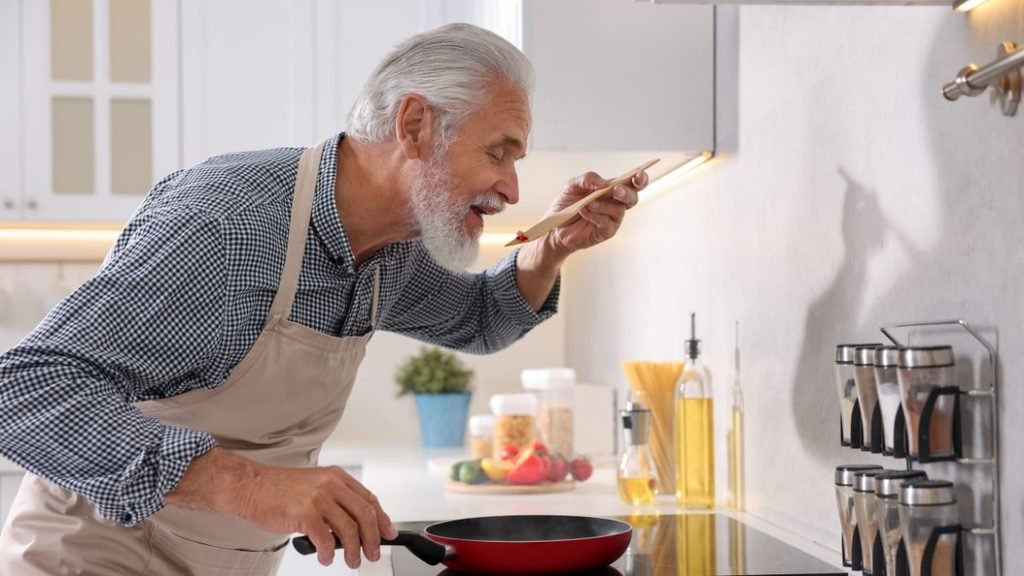
The outside world is unpredictable. Traffic, crowded stores, noisy restaurants, and unexpected social situations can demand patience and attention.
At home, many of these demands become easier to manage. A man can decide when to wake up, what to eat, which activities to pursue, and how much social interaction he wants.
Psychologists often describe the desire to make decisions about one’s own life as autonomy. Feeling that personal choices are respected is an important part of psychological well-being.
For a man who spent decades following schedules created by employers or family responsibilities, this freedom can feel especially valuable. He may enjoy the simple fact that nobody is telling him where he needs to be.
The attraction is not necessarily about avoiding people. Sometimes it is about avoiding unnecessary demands.
A 72-year-old man might prefer making coffee in his own kitchen rather than visiting a crowded café. He may enjoy watching a baseball game from his favorite chair instead of attending a noisy sports bar.
Neither preference automatically indicates fear, isolation, or a lack of ambition. It may simply reflect an environment that better suits his personality and current interests.
Control becomes especially important when a person experiences changes in mobility, energy, or health. Familiar surroundings can make everyday activities feel easier and more manageable.
However, autonomy does not mean refusing every form of help. A healthy sense of independence includes the freedom to accept support when it is useful.
The deeper point: For many older men, home represents a place where their preferences shape the day rather than someone else’s expectations.
4. Quiet Time Gives Him Space to Reflect on His Life
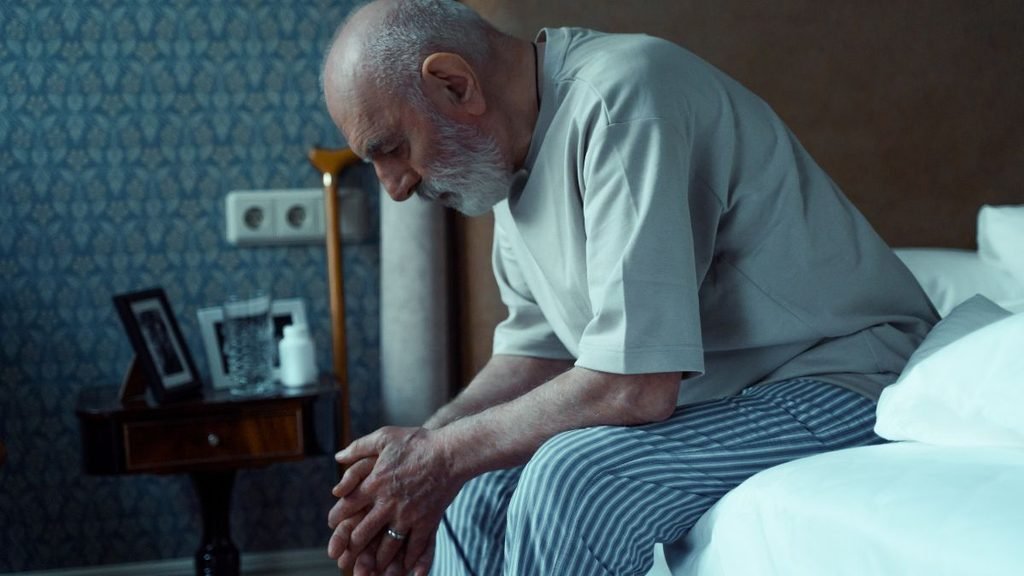
Many people spend their younger years focused on what comes next. They think about careers, children, mortgages, promotions, and future plans.
Later adulthood can create more opportunities to reflect on what has already happened. A man may begin thinking about his achievements, disappointments, important relationships, and the values that shaped his choices.
Psychologists sometimes discuss this process through the idea of life review. Looking back can help people make sense of experiences and find continuity in their personal identity.
For some older men, home provides an ideal setting for this reflection. Familiar photographs, books, furniture, and personal belongings can connect them with memories of earlier stages of life.
A retired father might spend an afternoon sorting through old family photographs. Another man might write down stories from his childhood or revisit music that reminds him of important moments.
These activities may appear ordinary to an outside observer. Yet they can carry deep personal meaning for the individual.
Reflection can also involve difficult emotions. A man may think about people he has lost, decisions he regrets, or opportunities he wishes he had pursued.
Quiet time does not guarantee that these experiences will be comforting. However, when reflection is balanced and constructive, it can help a person understand his life more clearly.
Some men also develop a stronger interest in spiritual practices, meditation, reading, or personal philosophy. These activities can be pursued privately without requiring participation in large social gatherings.
The value lies in having the opportunity to consider personal meaning at a comfortable pace. A quiet house may offer something that constant activity cannot: uninterrupted attention.
5. He Has Rediscovered Hobbies That Belong Entirely to Him

One of the most overlooked reasons older men enjoy staying home is that their favorite activities may already be there. A quiet routine can contain more purpose and enjoyment than outsiders realize.
During working years, hobbies often compete with professional and family responsibilities. A man might enjoy woodworking, gardening, reading, or painting but have little time to develop those interests.
Retirement can change that relationship. An activity that once filled an occasional weekend may become an important part of daily life.
Consider a retired electrician who spends mornings restoring old furniture in his garage. His family may see him working alone and assume he needs more social activities.
But restoring furniture might give him the satisfaction of solving problems, using familiar skills, and completing something meaningful. He may experience a sense of achievement without needing recognition or payment.
Research discussed by the National Institute on Aging suggests that taking part in personally meaningful activities can support well-being in later life. Hobbies may provide enjoyment, mental engagement, and opportunities to connect with others.
Different activities can serve different emotional and practical purposes.
| Home Activity | Possible Psychological Value | Optional Social Connection |
|---|---|---|
| Gardening | Routine, enjoyment, accomplishment | Sharing plants with neighbors |
| Woodworking | Creativity and problem solving | Making gifts for family |
| Reading | Learning and reflection | Discussing books with friends |
| Cooking | Independence and personal satisfaction | Inviting someone for a meal |
| Writing memoirs | Remembering and organizing life experiences | Sharing stories with grandchildren |
| Painting or music | Creative expression | Joining a small local group |
The important point is that these activities are not necessarily substitutes for a social life. They can be valuable parts of a satisfying life in their own right.
For some men, hobbies also provide a sense of identity after retirement. A person who spent decades being known for his occupation may appreciate becoming known for his skills, interests, or creativity instead.
This does not mean every home activity is equally fulfilling. Passive entertainment can be enjoyable, but a routine made up entirely of television and little else may leave some people feeling disconnected.
A useful question is whether the activity creates genuine satisfaction. If a man looks forward to his projects and feels engaged in them, his time at home may be far more purposeful than it appears.
6. He No Longer Feels the Same Need to Impress Other People
Younger adulthood often comes with pressure to demonstrate success. Careers, possessions, clothing, social invitations, and professional achievements can become ways of measuring personal standing.
Some men spend years comparing their progress with that of friends, coworkers, or neighbors. These comparisons can influence how they spend their time and money.
As priorities change, the desire for outside approval may become less important. A man might discover that he genuinely prefers ordinary comforts to activities that once represented status.
He may no longer care whether his weekends sound impressive. Sitting in the backyard with a good book can feel more rewarding than attending an expensive event that he never particularly enjoyed.
This shift can also change spending habits. A retired man may decide that frequent restaurant meals, costly social outings, or status purchases no longer add much to his happiness.
For example, consider someone who previously spent $55 each week on an optional restaurant outing and transportation. That amounts to approximately $2,860 over 52 weeks.
Choosing to replace some outings with lower-cost activities could free money for hobbies, household needs, or occasional experiences he values more. The amount is a hypothetical illustration, not a typical spending figure.
However, saving money should not become a reason to abandon meaningful relationships. Social connection is an important part of health, and many enjoyable activities cost little or nothing.
The deeper psychological change is about aligning everyday choices with personal values. A man may become less interested in appearing successful and more interested in living comfortably.
For him, staying home may be one expression of that freedom. He is choosing activities based on enjoyment rather than on how his life might look to other people.
7. He Understands That Solitude and Loneliness Are Different
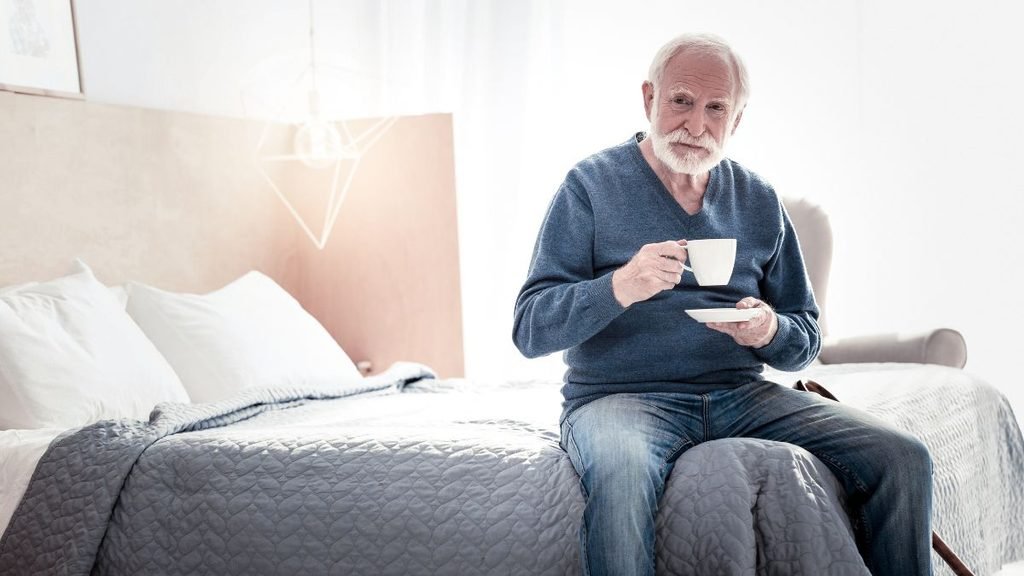
Perhaps the most important distinction in understanding older men who prefer staying home is the difference between enjoying solitude and experiencing loneliness.
Solitude involves spending time alone, often by choice. Loneliness is the distress that can occur when someone lacks the relationships or emotional connection they want.
A person can experience both at different times. An older man may enjoy peaceful mornings alone but still want companionship during holidays, difficult experiences, or major family events.
Research published in Personality and Individual Differences in 2023 examined motivations for solitude among 689 older adults. It found that more self-determined reasons for spending time alone were associated with better well-being.
The distinction is important because choosing solitude is psychologically different from feeling trapped in isolation. The same quiet house may represent comfort to one person and unwanted separation to another.
Consider two hypothetical retired men who both spend most evenings at home.
James, 69, enjoys reading, regularly speaks with his children, and meets a friend for breakfast each week. He likes his routine and feels comfortable asking for company when he wants it.
Michael, 74, rarely leaves home because he no longer drives confidently. He misses his friends, struggles to arrange transportation, and wishes he had more opportunities to see people.
Their daily schedules may look nearly identical. Yet their emotional experiences are very different.
James has created a lifestyle that matches his preferences. Michael faces barriers that prevent him from enjoying the relationships and experiences he wants.
This is why families should avoid deciding whether a man is lonely based solely on how often he leaves the house. They need to understand whether the lifestyle is genuinely his choice.
The Centers for Disease Control and Prevention also warns that social isolation can create health risks even when a person does not report loneliness. Having reliable social support remains important, regardless of how much time someone enjoys spending alone.
When Does Staying Home Become a Warning Sign?

Although solitude can be healthy, not every older man who stays home is content. Sometimes withdrawal reflects emotional distress, grief, health problems, or a loss of confidence.
The National Institute on Aging explains that depression in older adults does not always appear as obvious sadness. It may involve irritability, low energy, changes in sleep, or losing interest in previously enjoyable activities.
This means a man who suddenly stops attending familiar activities deserves a different kind of attention from someone who has always preferred a quiet lifestyle.
Research published in BMC Public Health in 2024 also found that older men may be less likely than older women to directly acknowledge loneliness. Cultural expectations surrounding masculinity may make it harder for some men to discuss emotional needs.
A 2022 qualitative study involving 72 older men living alone in England found that home could serve two contrasting purposes. It sometimes provided comfort and memories, but it could also become a setting where loneliness was difficult to escape.
Families should therefore look at changes in mood, daily functioning, relationships, and behavior rather than treating time at home as a diagnosis.
| What You Notice | Possible Explanation | Helpful Response |
|---|---|---|
| He enjoys familiar hobbies and keeps in touch | Comfortable solitude | Respect his preferences |
| He suddenly abandons favorite activities | Depression, illness, or emotional distress | Ask how he feels and consider medical advice |
| He wants to go out but rarely does | Transportation, mobility, or confidence barriers | Offer practical assistance |
| He avoids almost everyone after a loss | Grief or loneliness | Provide gentle, consistent support |
| He neglects meals, hygiene, or household needs | Health or functional difficulties | Arrange a professional assessment |
| He appears persistently hopeless or withdrawn | Possible mental health concern | Encourage prompt medical evaluation |
The most important warning sign is often a meaningful change from the person’s usual behavior. A naturally private man who has enjoyed quiet routines for decades is different from someone who suddenly withdraws from activities he once loved.
Physical barriers also deserve attention. Hearing difficulties, chronic pain, poor vision, or fear of falling can make social activities harder even when a person still wants companionship.
When several concerning symptoms continue for more than two weeks, discussing them with a healthcare professional is sensible. Sudden confusion, major functional changes, or immediate safety concerns may require more urgent medical attention.
The goal is not to label someone as depressed simply because he stays home. It is to recognize when the lifestyle no longer appears to be a comfortable, freely chosen one.
How Families Can Support Older Men Who Prefer Staying Home

Well-meaning relatives sometimes assume the solution is to persuade an older man to become more socially active. They may organize outings, insist on family events, or repeatedly encourage him to leave the house.
These efforts can create tension if he feels that his choices are being dismissed. Someone who enjoys a quiet lifestyle may interpret constant pressure as a lack of respect for his independence.
A more useful approach begins with curiosity. Instead of assuming he is unhappy, family members can ask which parts of his routine he enjoys and whether there is anything he wishes were different.
The conversation might reveal that he genuinely prefers being home. It might also uncover problems he has not mentioned, such as difficulty driving at night or feeling uncomfortable in noisy restaurants.
Families can often strengthen relationships without requiring major changes to his preferred lifestyle.
For example, a man who dislikes crowded gatherings may enjoy a quiet visit from his grandchildren. Another may prefer speaking with a friend by telephone rather than attending a large community event.
Shared interests can also create natural opportunities for connection. A relative might help with a gardening project, ask about a woodworking hobby, or spend an afternoon preparing a family meal together.
These activities offer companionship without turning every visit into an effort to change his behavior. They also allow the older man to contribute his knowledge and experience.
For men who do want more contact, small and predictable activities may feel more comfortable than crowded social events. A regular coffee with a friend, a neighborhood walk, or a hobby club can create connection without an overwhelming schedule.