

Two years into retirement, Clark felt oddly flat. He had time, money and good health, but his days blurred together and he wasn’t sure why he felt so restless.
So he tried an experiment. For a month, he paid close attention to the happiest retirees he knew, asking about their days and copying their routines.
What he found wasn’t luck or wealth. It was a set of simple daily habits, and most of them are backed by research. Here are the nine that changed his week the most.
Why Clark Studied Happy Retirees
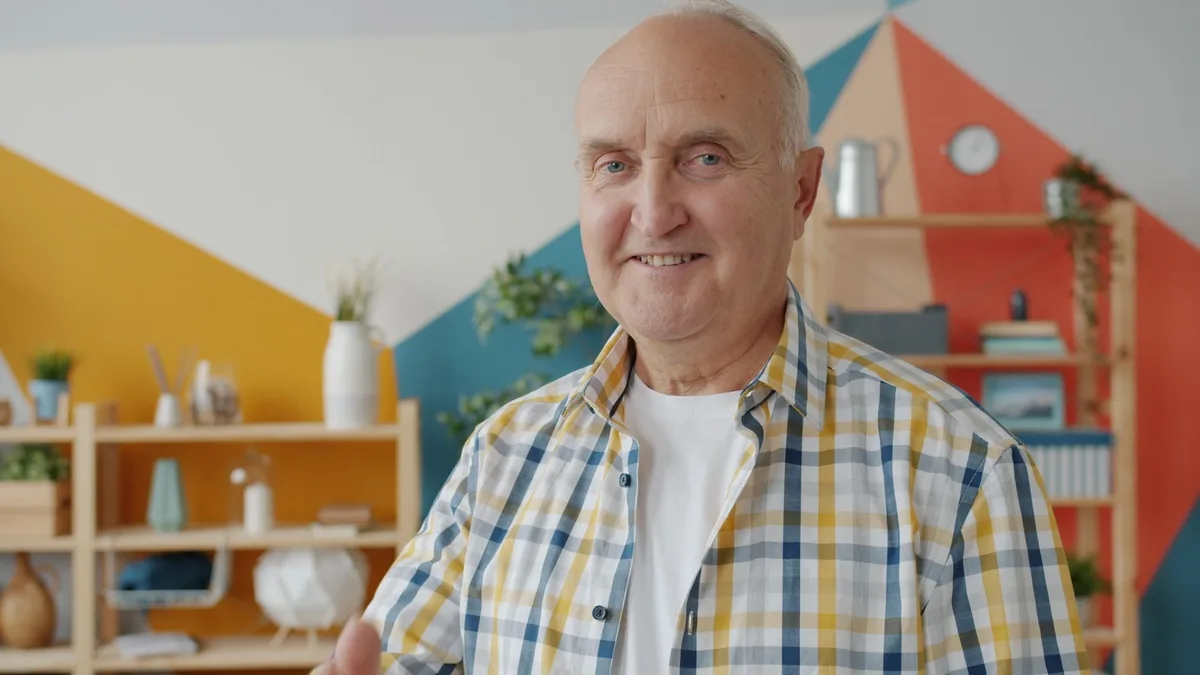
Clark’s name has been changed, and his story is a composite based on experiences many retirees describe. The research mentioned in this article comes from published studies.
Clark retired at 65 after 38 years as an insurance claims manager. He and his wife, Nora, had planned well financially, but nobody had prepared him for how empty an unscheduled Tuesday could feel.
He noticed that a few people in his community seemed genuinely happy in retirement. There was a neighbor who walked every morning, a friend from church who tutored kids and a former coworker who had taken up the guitar at 70.
Clark asked each of them to describe a typical day. Then he wrote down the habits that kept showing up and tried them himself, one at a time.
| Habit | What It Looks Like | Why It Helps |
|---|---|---|
| 1. Wake at the same time | A steady start to each day | Better sleep and more structure |
| 2. Move every day | A walk, class or active chore | Health, mood and energy |
| 3. Get outside | Time in a park, garden or by water | Lower stress and better well-being |
| 4. Talk with someone daily | A call, visit or coffee | Connection and support |
| 5. Help someone each week | Volunteering or helping a neighbor | Purpose and better health |
| 6. Learn something new | A skill that takes effort | Sharper thinking |
| 7. Keep a meaningful project | Something to work toward | A reason to get up |
| 8. Practice gratitude | Noticing what went well | A brighter outlook |
| 9. Spend on experiences and people | Trips, outings and gifts | More lasting happiness |
The table gives a quick overview of all nine habits. None of them require much money, and most take less than an hour a day.
1. Wake Up at the Same Time Every Day

The first thing Clark noticed was that the happiest retirees didn’t sleep until noon. Most woke up at about the same time every day, even without an alarm clock.
A steady wake time gives the day a shape. It also helps keep the body’s internal clock on track, which improves sleep quality at night.
Research supports this. A study of about 60,000 adults in the UK Biobank, published in 2024, found that people with the most regular sleep patterns had a 20% to 48% lower risk of death during the study period than those with the least regular sleep.
Adults 65 and older generally need seven to eight hours of sleep a night, according to the CDC. Going to bed and waking at consistent times makes those hours easier to get.
Clark started getting up at 7 a.m. every day. Within two weeks, he was falling asleep faster and no longer felt groggy in the afternoons.
Long afternoon naps were the hardest habit for him to give up. He switched to a short 20-minute rest after lunch, which left him refreshed without disrupting his sleep at night.
2. Move Your Body Every Day
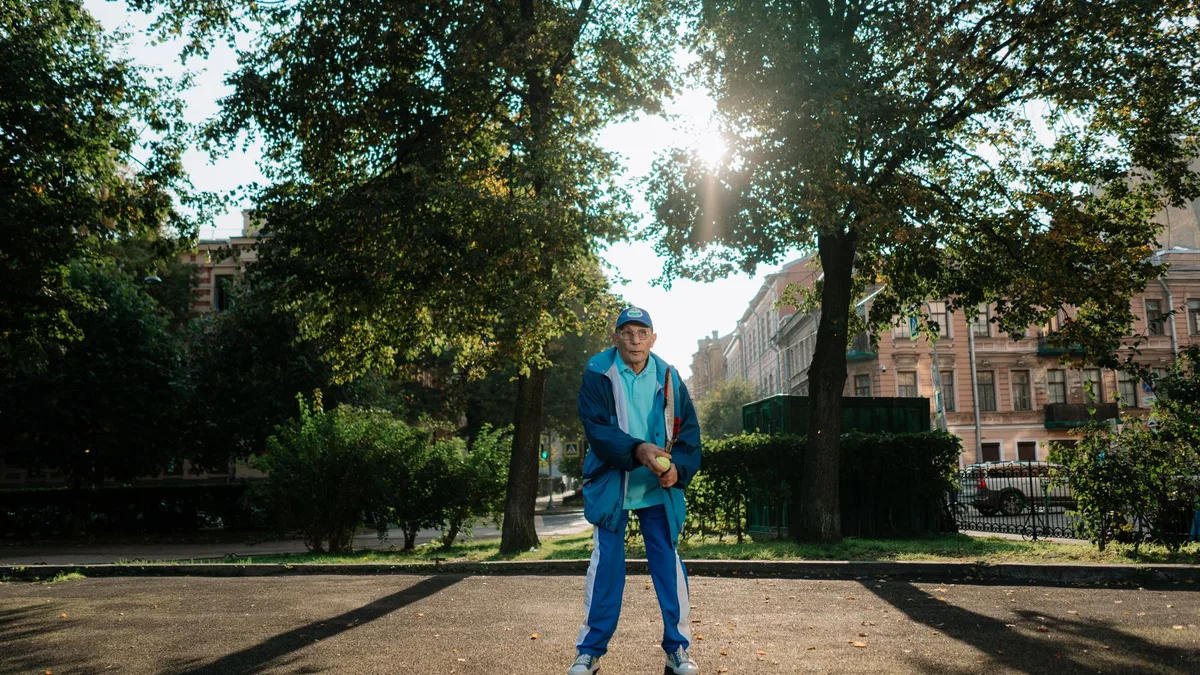
Every happy retiree Clark spoke with moved every day. For some, it was a brisk walk, while others swam, gardened, danced or played pickleball.
Daily movement improves strength, balance, heart health and mood. It also gives the day natural anchor points, such as a morning walk or afternoon class.
You don’t need a marathon to benefit. A 2022 analysis of 15 studies in The Lancet Public Health found that for adults 60 and older, the lowest risk of death came at about 6,000 to 8,000 steps a day.
The CDC recommends that adults 65 and older aim for 150 minutes of moderate activity each week, plus two days of strength training and activities that improve balance. That can be split into short sessions, such as 30 minutes on five days.
| Activity | Why Retirees Like It | Good For |
|---|---|---|
| Brisk walking | Free, social and easy to start | Heart, mood and balance |
| Swimming or water aerobics | Gentle on joints | Strength and endurance |
| Pickleball | Fun and social | Balance, reflexes and friendships |
| Gardening | Purposeful and outdoors | Strength and flexibility |
| Dancing | Enjoyable and musical | Balance and memory |
The table lists activities many retirees enjoy. The best choice is the one you’ll actually keep doing.
Clark started with a 20-minute walk after breakfast. After a month, it had grown to 40 minutes, and he’d joined a Thursday walking group.
3. Spend Time Outdoors
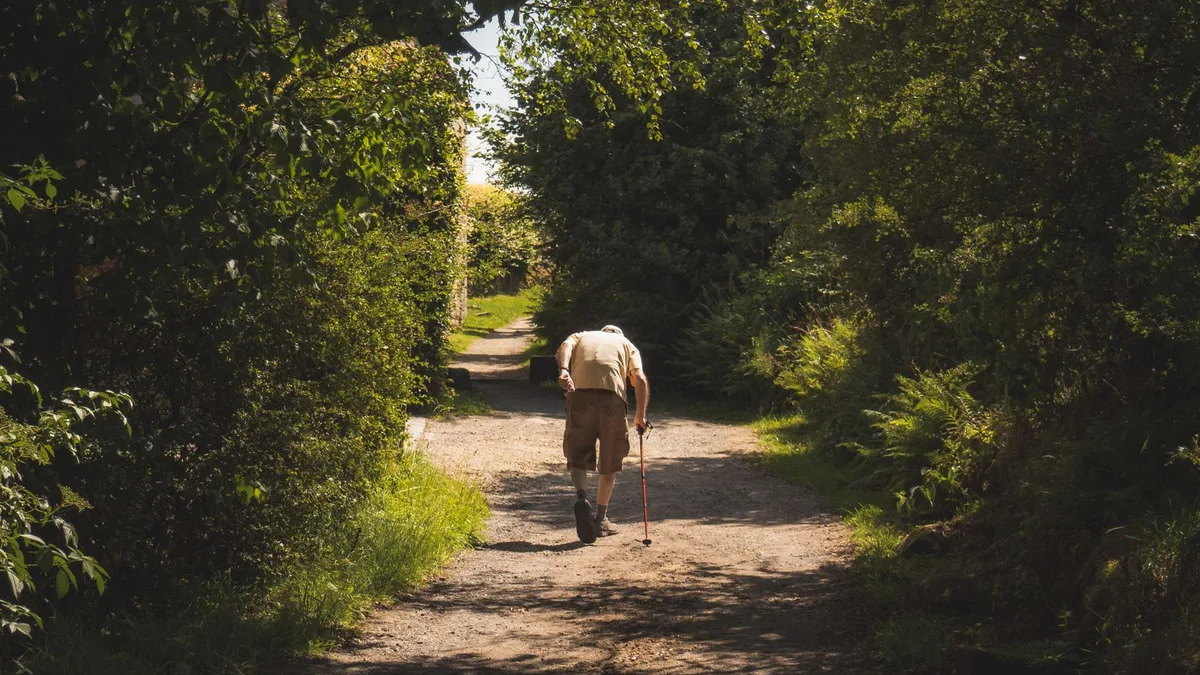
Many of the retirees Clark admired spent part of each day outside. They gardened, sat on the porch, walked in parks or fished by the lake.
Time in nature appears to have a real effect on well-being. A 2019 study of nearly 20,000 people in England found that those who spent at least 120 minutes a week in natural settings were significantly more likely to report good health and high well-being.
The time didn’t have to come all at once. Several shorter visits during the week seemed to work just as well.
Morning sunlight also helps regulate sleep. Getting outside early in the day can make it easier to fall asleep at night.
Clark started taking his coffee on the back porch each morning. On warm afternoons, he and Nora began walking a nature trail near their home.
4. Talk With Someone Every Day
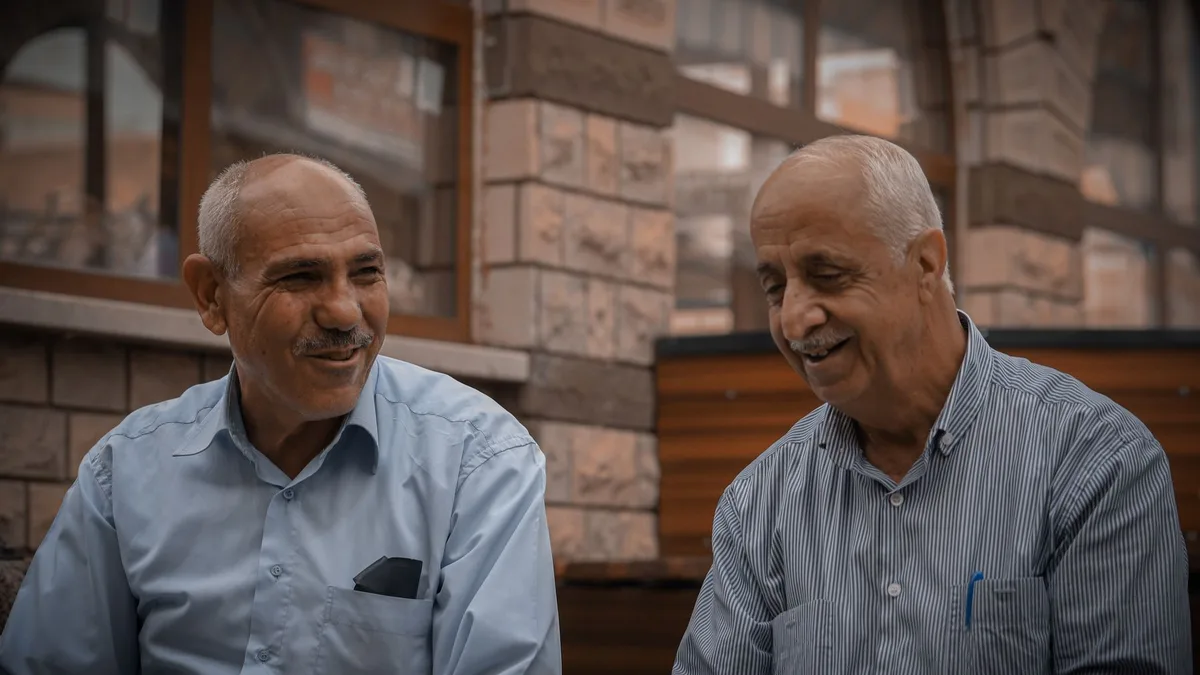
The happiest retirees almost never went a day without real conversation. They called friends, met for coffee, chatted with neighbors or spent time with family.
The Harvard Study of Adult Development, one of the longest-running studies of adult life, has followed participants since 1938. Its researchers have found that close relationships are among the strongest predictors of happiness and health as people age.
Loneliness, on the other hand, carries real risks. A 2023 advisory from the U.S. Surgeon General warned that a lack of social connection can raise the risk of early death as much as smoking up to 15 cigarettes a day.
Retirement often shrinks social circles because daily contact with coworkers disappears. That makes it important to build new connections on purpose.
Clark began calling one friend each day after lunch. He also started meeting two former coworkers for breakfast every Tuesday, which quickly became one of his favorite parts of the week.
5. Help Someone Every Week

Clark noticed that the happiest retirees regularly helped others. They volunteered, mentored, cared for grandchildren or simply checked in on a neighbor.
Helping others gives people a sense of purpose and connection. It also seems to benefit health.
A 2020 study of nearly 13,000 adults over 50 found that those who volunteered at least 100 hours a year, about two hours a week, had a lower risk of death and better well-being over four years than those who didn’t volunteer. That’s roughly one weekly shift at a food bank or library.
The benefits held even after researchers accounted for people’s health before they started. Volunteers were also less likely to report loneliness and more likely to feel a sense of purpose.
Volunteering doesn’t have to be formal. Driving a neighbor to appointments, tutoring a grandchild or cooking for a friend who’s ill all count.
Clark signed up to help at a community garden that grows vegetables for a local food pantry. He spends two mornings a week there and says it gives him a reason to get up early.
6. Learn Something New

Several of the retirees Clark admired were learning something challenging. One was taking guitar lessons, another was studying Spanish and a third had taken up watercolor painting.
Learning a demanding new skill may help keep the brain sharp. In a 2014 study published in Psychological Science, older adults who spent three months learning digital photography or quilting showed improvements in memory compared with groups doing less demanding activities.
The key seems to be effort. Activities that stretch the mind, such as learning an instrument or a language, may offer more benefit than familiar ones.
| Type of Learning | Examples | Where to Start |
|---|---|---|
| Music | Guitar, piano, choir | Community music schools, online lessons |
| Languages | Spanish, Italian, sign language | Library programs, community college classes |
| Arts and crafts | Painting, woodworking, pottery | Senior centers, craft stores |
| Technology | Photography, video editing | Library workshops |
| Academic subjects | History, science, literature | Auditing college classes, lifelong learning programs |
The table lists common ideas. Many public colleges let older adults take or audit classes for free or at low cost, and libraries often offer free courses.
Clark bought a used guitar and signed up for beginner lessons at the community center. He admits he’s not very good yet, but he looks forward to practicing every evening.
7. Keep a Meaningful Project Going
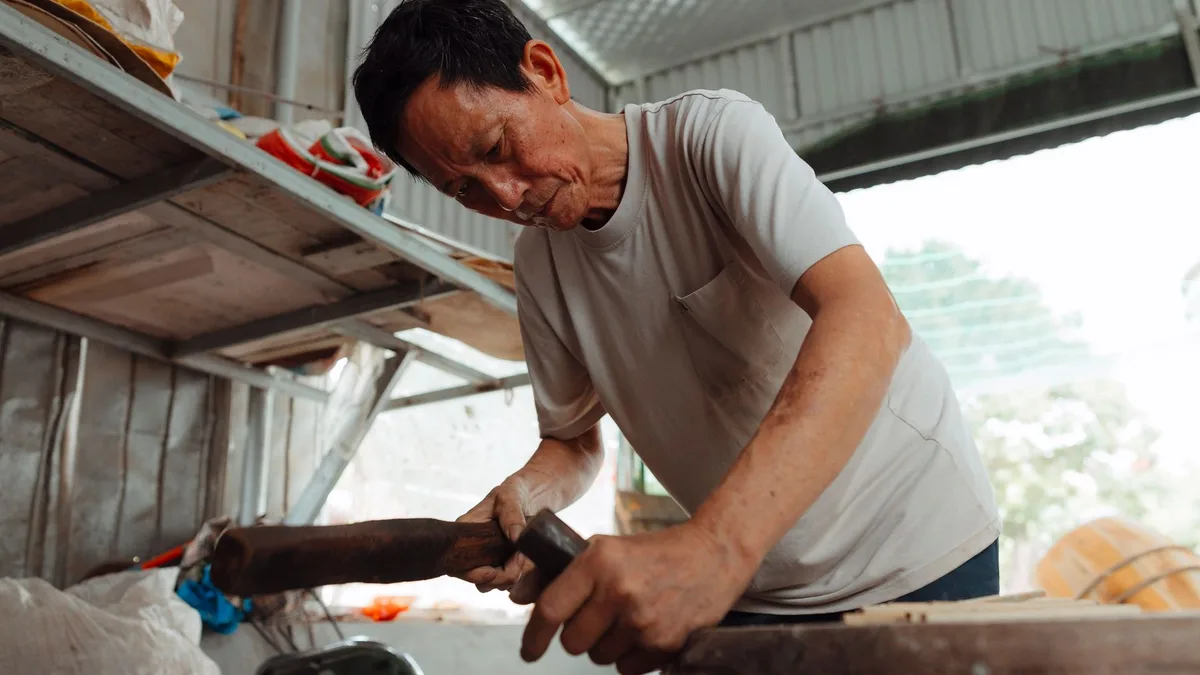
The happiest retirees Clark met almost always had something they were working toward. It might be restoring a boat, writing a family history or planting a new garden.
Projects give the week direction. They create small goals and a sense of progress, which retirement can otherwise lack.
The Japanese concept of ikigai, roughly meaning a reason for living, captures this idea. A large study in Japan published in 2008 found that people who reported having ikigai had a lower risk of death over seven years than those who didn’t.
A project doesn’t have to be big. What matters is that it feels meaningful and gives you something to look forward to.
Clark decided to build raised garden beds for his grandchildren’s school. The project took two months, and he says planning it gave him the same satisfaction he once got from solving problems at work.
8. Practice Gratitude
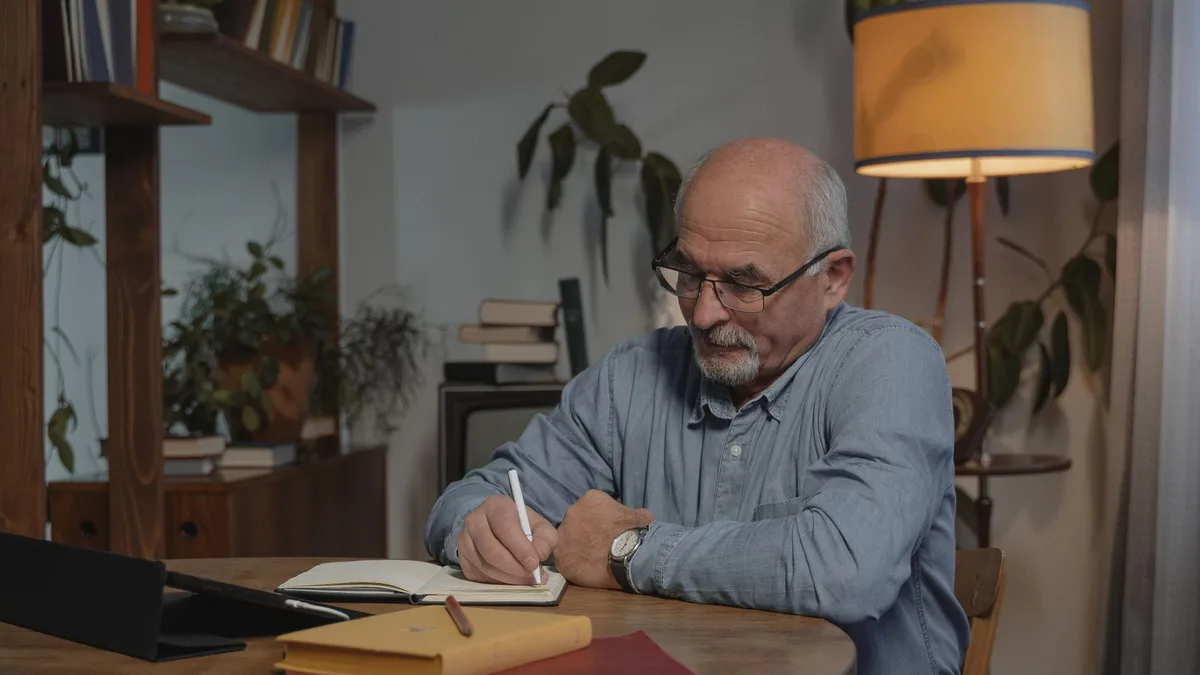
Many happy retirees had a habit of noticing what went well. Some kept a journal, while others simply shared one good thing at dinner each night.
Research suggests gratitude can make a real difference. In a well-known 2003 study, people who wrote down a few things they were grateful for each week felt more optimistic about the coming week and reported exercising more than people who wrote about hassles.
Gratitude doesn’t mean ignoring problems. It means balancing them with attention to good things, which can be easy to miss.
Clark keeps a small notebook by his bed. Each night, he writes three good things from the day, such as a good conversation, a new chord on the guitar or a sunny walk.
He found the habit changed how he thought about his days. Instead of focusing on what he no longer did, he started noticing what he enjoyed.
9. Spend Money on Experiences and People
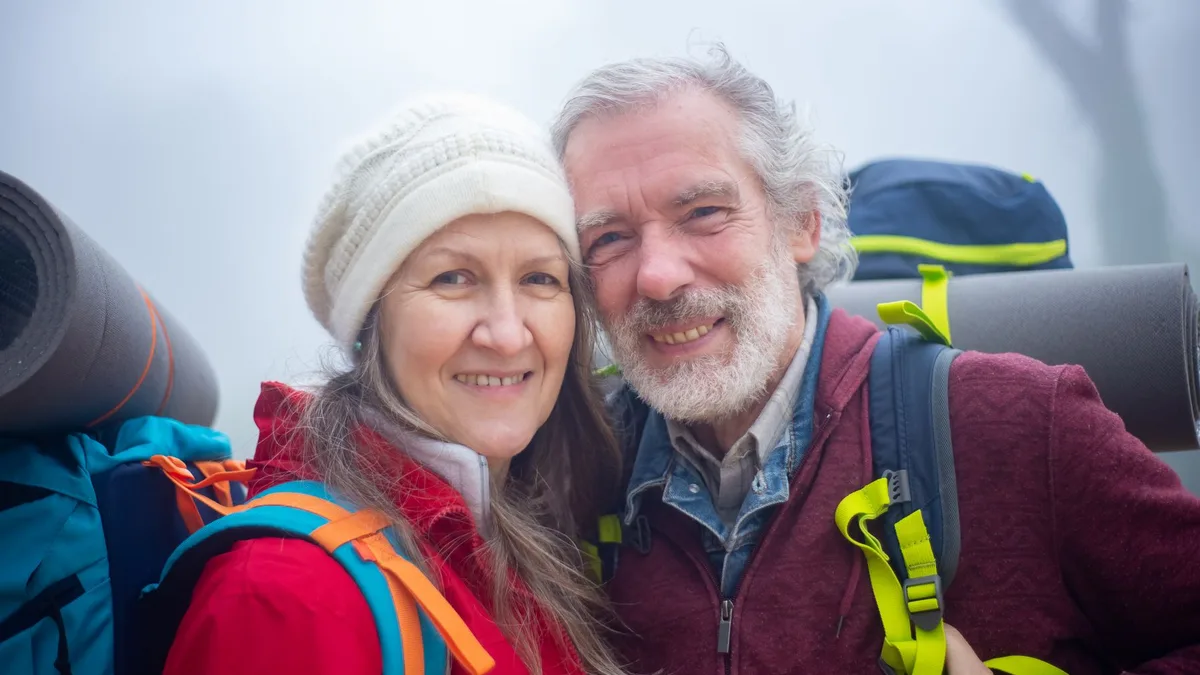
The last habit surprised Clark. The happiest retirees weren’t necessarily the wealthiest, but they tended to spend money on experiences and on other people rather than on things.
Research supports this pattern. A 2008 study in the journal Science found that people who spent money on others reported greater happiness than those who spent it on themselves.
Other studies suggest that experiences, such as trips, concerts and meals with friends, tend to bring longer-lasting happiness than material purchases. Experiences become memories and stories, and they’re often shared with others.
That doesn’t mean spending freely. It means using money that’s already in the budget for things that create connection and memories.
Clark and Nora started setting aside a small monthly amount for experiences. They’ve used it for day trips, a concert and dinner with friends they hadn’t seen in years.
What Changed in Clark’s Week
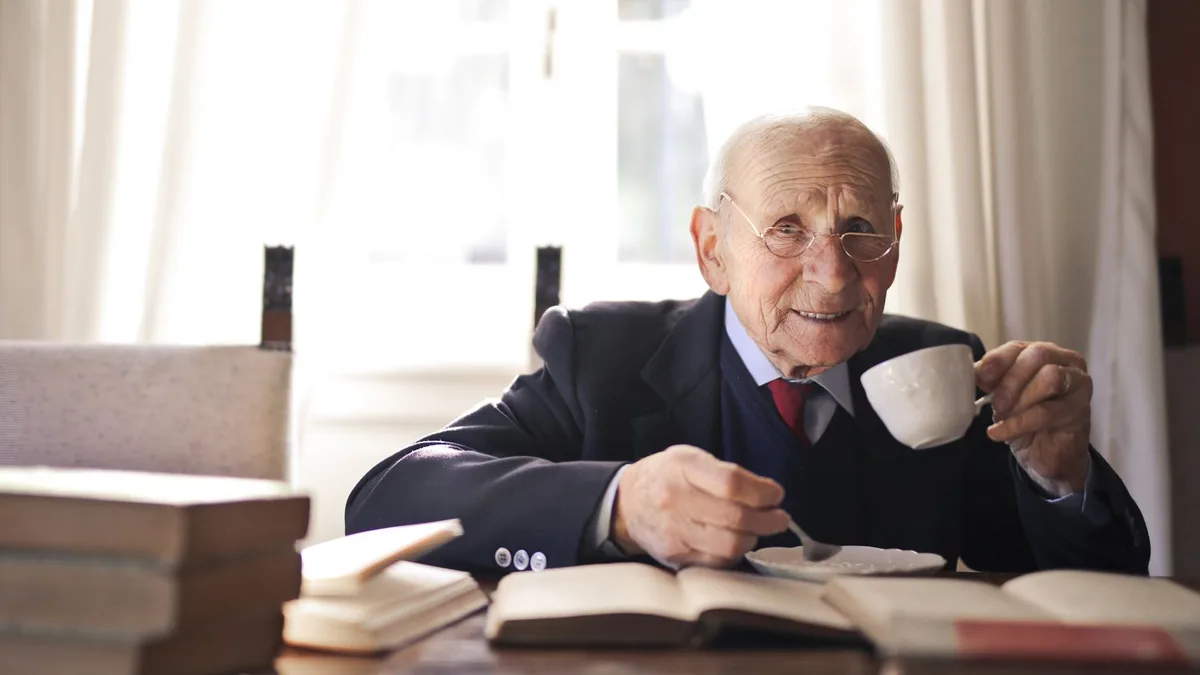
After a month, Clark compared his week before and after the experiment. The difference was striking.
| Part of the Week | Before | After |
|---|---|---|
| Wake time | Anywhere from 7 to 10 a.m. | 7 a.m. every day |
| Exercise | Occasional walks | Daily walks and a weekly walking group |
| Time outdoors | Rarely | Morning porch coffee and weekend trails |
| Social contact | A few conversations a week | Daily calls and a weekly breakfast |
| Helping others | None | Two mornings at the community garden |
| Learning | None | Guitar lessons and daily practice |
| Projects | None | Garden beds for the grandchildren’s school |
| Evening routine | TV until late | Gratitude notes and earlier bedtime |
The table shows that none of the changes were dramatic on their own. Together, though, they gave Clark’s week structure, purpose and connection.
He also noticed that his mood improved. He felt less restless, slept better and found himself looking forward to most days again.
How to Build Your Own Routine
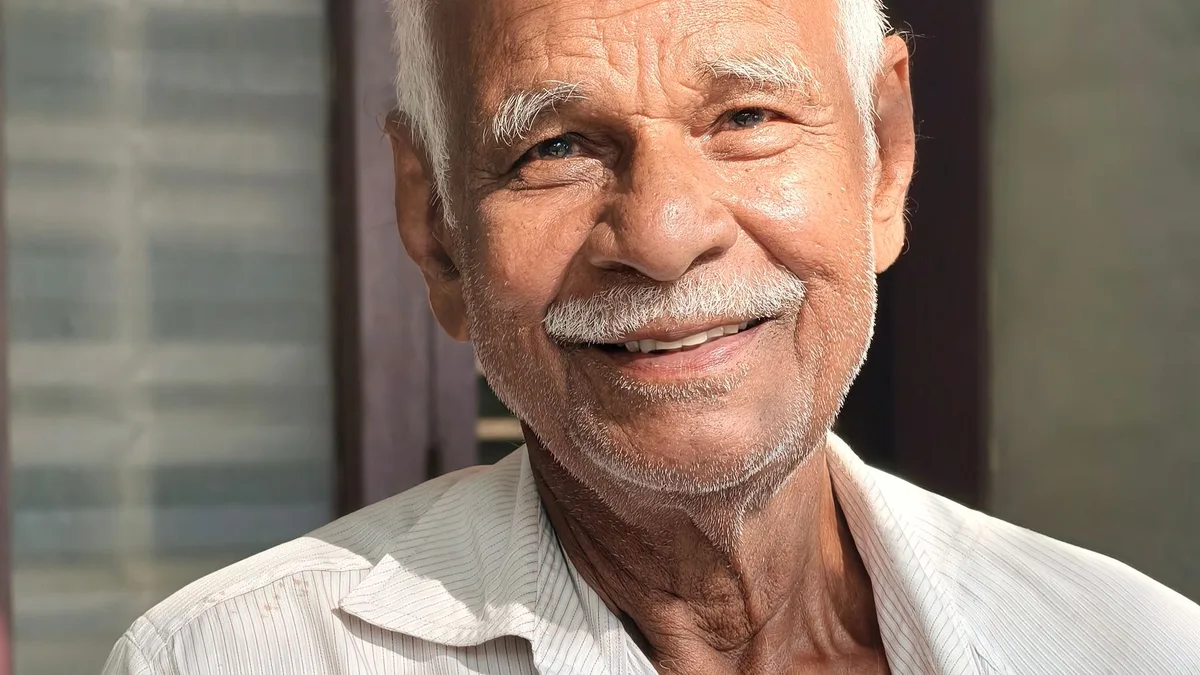
You don’t need to adopt all nine habits at once. Clark added them one or two at a time, which made them easier to keep.
Start with the habit that feels easiest. For many people, that’s a daily walk or a consistent wake time.
Once one habit feels automatic, add another. Pairing new habits with existing ones, such as calling a friend right after lunch, makes them easier to remember.
Expect setbacks. Illness, travel and bad weather can interrupt any routine, and the goal is simply to return to it.
Writing your routine down can help too. A simple weekly schedule on the refrigerator, with walks, calls and commitments filled in, makes each day feel planned rather than empty.
Habits Happy Retirees Avoid
Clark also noticed what the happiest retirees didn’t do. Most of them avoided long stretches of television, especially during the day.
They also limited how much news they watched. Several said that checking the news once a day kept them informed without leaving them anxious.
Few of them dwelled on their old jobs. They were proud of their careers, but they talked more about what they were doing now than what they used to do.
Many also avoided comparing themselves with others. Instead of measuring their retirement against friends’ trips or homes, they focused on what made their own days satisfying.
Finally, they didn’t let small health problems stop them from moving. They adjusted, switching from running to swimming or from tennis to walking, rather than giving up activity altogether.
Building Routines as a Couple
Retirement changes a marriage too. Suddenly spending all day together can be wonderful, but it can also create friction if each person’s needs aren’t respected.
Clark and Nora found that a mix of shared and separate time worked best. They walk together on weekends and share dinner every night, but each has independent activities during the week.
Talking openly about routines helped. They agreed on a few household rules, such as who cooks on which days and when each person needs quiet time.
When Habits Aren’t Enough
Daily habits can lift mood, but they aren’t a cure for depression. Retirement brings real losses, and some people need more support than routines can provide.
If you feel down most days for two weeks or more, lose interest in things you used to enjoy or have trouble sleeping or eating, talk with your doctor. Depression is common in older adults and treatable at any age.
Medicare covers a yearly depression screening in primary care, and counseling is often covered as well. Getting help early can make building new habits much easier.
Frequently Asked Questions
What do happy retirees do every day?
Many keep a regular schedule, move their bodies, spend time outside, talk with others and have something meaningful to work on. Small daily habits often matter more than big plans.
How many steps a day should retirees walk?
Research suggests that adults 60 and older see the lowest risk of death at about 6,000 to 8,000 steps a day. Any increase from your current level can help.
How can I feel less restless in retirement?
Adding structure, such as a regular wake time and weekly commitments, can help. Volunteering, learning a new skill and keeping a project going also give days more purpose.
Does volunteering really improve health?
Studies link regular volunteering with better well-being and a lower risk of death in older adults. About two hours a week appears to be a helpful amount.
Is it too late to start new habits after 65?
No. Many people build new habits in their 60s, 70s and beyond. Starting small and adding one habit at a time makes change easier.