

For much of adult life, the goal seems simple: earn more, buy more and achieve more. Many people reach retirement and discover that the chase never quite delivered the happiness it promised.
Some of the most content older adults have learned a different lesson. They’ve found that having enough, being useful and caring for the people around them matter far more than owning more.
Here’s what people gain when they stop chasing more, with insights from an 82-year-old craftsman and from research on money, happiness and aging. You’ll also find practical ways to bring more of this freedom into your own life.
The Man Who Owns Very Little

Arthur is 82 and spends most days in a small workshop restoring old string instruments. His name has been changed, and his story is a composite inspired by the reflections of older adults who live simply.
His kitchen surprises visitors. There’s a stove, a sink, a small refrigerator, a table and a few chairs, and not much else.
When friends ask where the appliances are, Arthur shrugs. He says he has everything he needs, and that anything more would only take up space and attention.
Right now, he’s repairing a centuries-old double bass that other repairers said couldn’t be saved. The work has taken months, and he says bringing the instrument back to life gives his days real meaning.
Arthur isn’t against money. He believes everyone needs enough to pay their bills and live with dignity, but he thinks chasing far more than that can make people less happy, not more.
Why “More” So Rarely Satisfies
Psychologists have a name for one reason more stuff doesn’t bring lasting joy. It’s called hedonic adaptation, the tendency to quickly get used to new things and return to our usual level of happiness.
A new car, a bigger house or the latest gadget may bring a burst of pleasure. Within weeks or months, though, it becomes ordinary, and the urge for something new returns.
Money does matter up to a point. A 2023 study by researchers including Daniel Kahneman and Matthew Killingsworth found that for most people, happiness keeps rising with income, but for the least happy group, it levels off at around $100,000 a year.
| What People Chase | What Often Happens | What Tends to Last |
|---|---|---|
| Bigger homes | More cleaning, costs and upkeep | A comfortable, manageable space |
| New gadgets | Excitement fades within weeks | Tools that truly help daily life |
| Status purchases | Pressure to keep up | Freedom from comparison |
| Higher income | Spending rises to match | Enough to cover needs and goals |
| More activities | Busy but tired | Time for what matters most |
The table shows a common pattern. Many purchases bring short-term pleasure, while lasting satisfaction often comes from security, freedom and meaning.
Research also suggests that experiences often bring more lasting happiness than material things. Trips, meals with friends and shared projects become memories and stories, while objects tend to fade into the background.
How Much Is Enough?
Arthur often says the key is knowing what enough looks like. For him, enough means a roof, food, his tools and a little set aside for emergencies.
For most retirees, enough means covering essential expenses with reliable income, keeping an emergency fund and having some money for things that bring joy. Beyond that, the extra often brings more worry than happiness.
Defining enough can be freeing. Once you know the number, you can stop measuring yourself against neighbors, friends or advertisements.
| Category | Questions to Ask | Example of Enough |
|---|---|---|
| Housing | Is it safe, affordable and easy to maintain? | A home that fits your needs, not your past |
| Income | Does reliable income cover essentials? | Social Security plus savings or a pension |
| Emergency savings | Could you handle a surprise bill? | Six to 12 months of expenses |
| Possessions | Do you use and enjoy what you own? | Items that serve a purpose or bring joy |
| Spending on joy | Do you have room for what matters? | A modest budget for experiences and giving |
The table offers a simple way to think about enough. The answers will be different for everyone, and that’s the point.
Many retirees find that once they define enough, they spend less on things they don’t care about. That leaves more money and time for people and experiences they value.
The Freedom of Owning Fewer Things
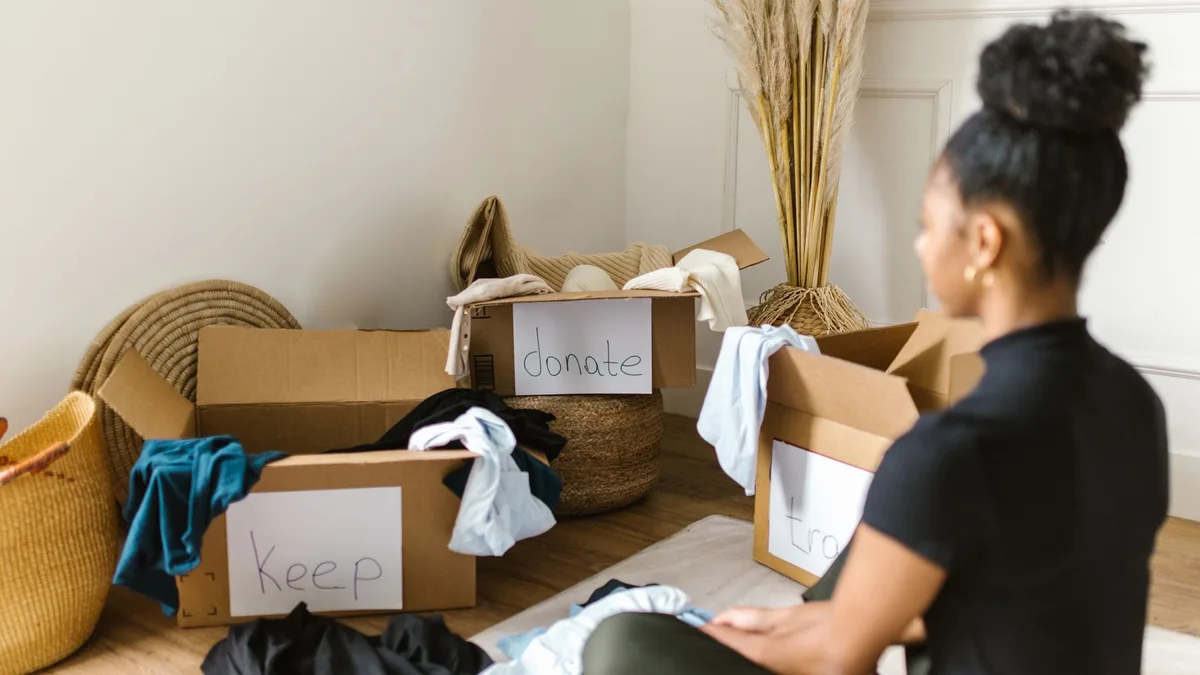
Possessions take up more than space. They need cleaning, repairing, insuring, organizing and eventually deciding what to do with.
Clutter may also affect well-being. A UCLA study of working families found that women who described their homes as cluttered had stress-hormone patterns linked with more chronic stress than women who described their homes as restful.
Many older adults feel lighter after downsizing or decluttering. They spend less time maintaining a house and more time doing what they enjoy.
The Swedish idea of death cleaning, popularized by author Margareta Magnusson, encourages people to sort their belongings while they’re able. The goal isn’t gloom, but making life simpler now and easier for loved ones later.
Arthur says owning little gives him a sense of freedom. When something new comes into his home, he asks whether he’ll really use it, and most of the time the answer is no.
Being Useful Matters More Than Being Rich
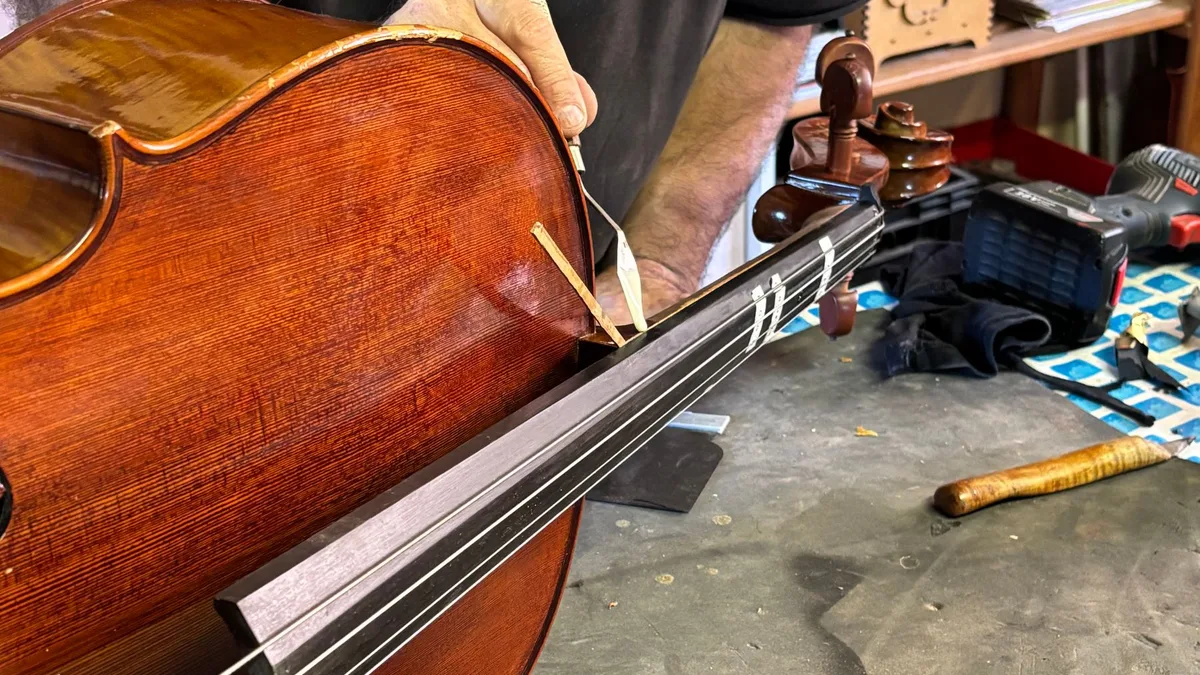
What gets Arthur out of bed each morning isn’t money. It’s the chance to spend his time usefully, especially on work that helps others.
He worries about people who retire and suddenly feel useless. Losing a sense of purpose can hurt older adults as much as losing income.
Research supports this. A 2014 study in Psychological Science, which followed thousands of U.S. adults, found that people with a greater sense of purpose in life were less likely to die over the study period, whether they were young, middle-aged or older.
Being useful doesn’t require a job. It can mean volunteering, caring for grandchildren, mentoring younger people, helping neighbors or practicing a craft that brings joy to others.
| Way to Be Useful | Who It Helps | How to Start |
|---|---|---|
| Volunteering | Community groups, schools, food banks | Contact a local volunteer center |
| Mentoring | Young workers, students | Schools, trade groups, faith communities |
| Caring for family | Grandchildren, aging relatives | Offer regular, specific help |
| Sharing a skill | Neighbors, clubs, apprentices | Teach a class or show someone how |
| Helping neighbors | People nearby | Check in, run errands, share meals |
The table lists simple ways to stay useful. Many retirees find that a few hours a week of helping others gives structure and meaning to their days.
Letting Go of What Others Think

Arthur’s relatives sometimes call him eccentric. He laughs about it, saying it took him a long time to realize that other people’s opinions of his choices simply don’t matter much.
Many people spend decades trying to impress others. Bigger homes, newer cars and fancier clothes are often more about how others see us than about what we enjoy.
As people age, many find it easier to let go of this pressure. As long as you’re kind and not harming anyone, living by your own values brings a kind of freedom that money can’t buy.
This shift can also save money. Without the need to keep up appearances, many older adults spend less and enjoy more.
Staying Open-Minded as We Age
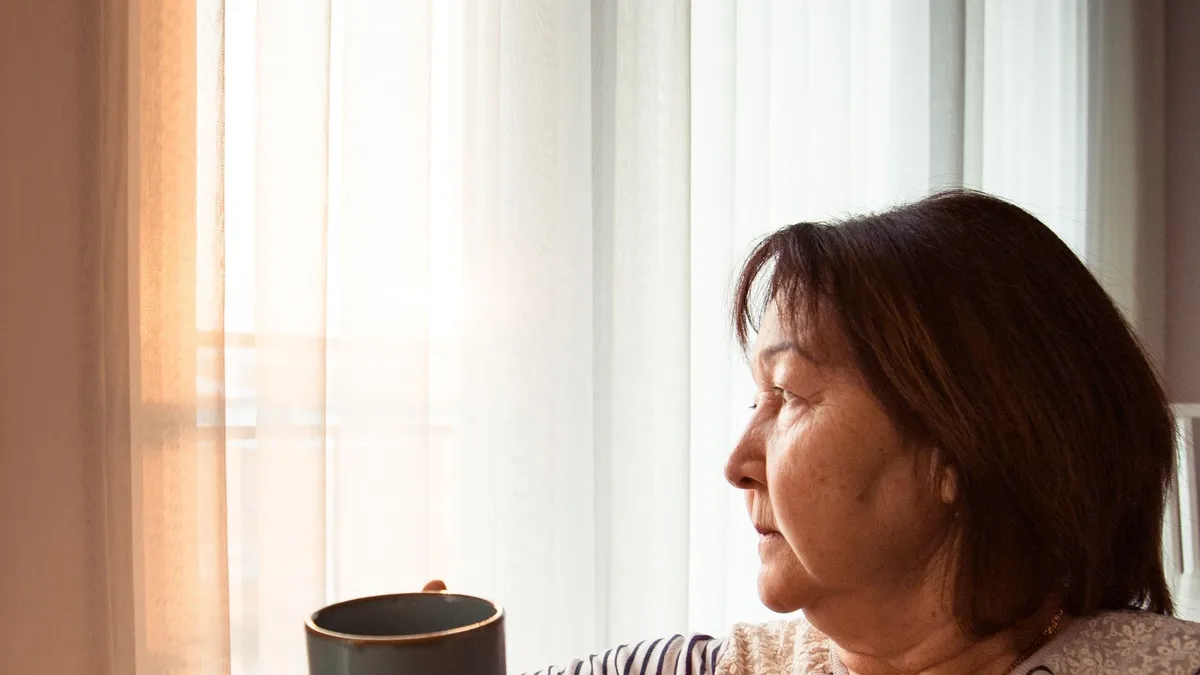
Arthur says one of his biggest fears is a mind that becomes rigid. He works hard to listen to other points of view, even when he disagrees.
Stanford psychologist Laura Carstensen has studied how priorities change with age. Her research suggests that as people sense their time is limited, they focus more on meaningful relationships and emotional well-being, and many become happier in later life.
That focus can bring wisdom and patience. But it can also lead some people to narrow their world, avoiding new ideas or new people.
Staying curious helps. Reading widely, talking with younger people, learning new skills and listening without rushing to argue can keep the mind flexible.
Arthur believes maturity is something you keep working on your whole life. In his view, tolerance of others, even those you disagree with, is one of its truest signs.
Living With Loss

Long lives bring losses. Arthur lost two adult sons, and he says it was the darkest time of his life.
He doesn’t claim to have gotten over it. Instead, he says he learned to live with it, carrying their memory while continuing to do his best with the life he has.
Grief changes over time, but it rarely disappears completely. Many older adults find comfort in faith, family, support groups or meaningful work.
If grief makes it hard to function for many months, talking with a doctor or counselor can help. Hospices and community organizations often offer free grief support groups, even for people whose loved ones didn’t use hospice care.
Leaving Something Behind
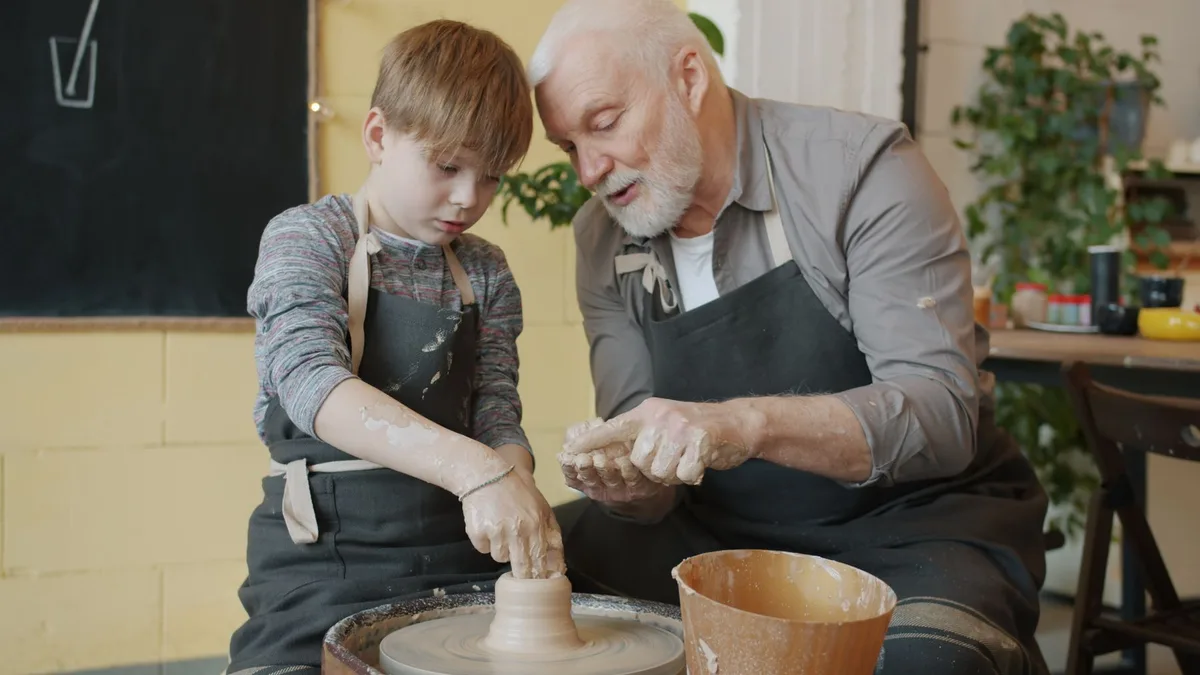
Arthur takes comfort in knowing that the instruments he has built and repaired will be played long after he’s gone. He finds that thought more meaningful than any bank balance.
Psychologist Erik Erikson called this generativity, the desire to contribute something that outlasts us. It’s often strongest in later life.
Legacy doesn’t have to be grand. It can be a recipe passed to a grandchild, a garden planted for others, a family history written down or skills taught to the next generation.
Thinking about legacy can also guide everyday choices. When people focus on what they’ll leave behind, they often care less about acquiring more and more about giving, teaching and connecting.
How to Practice Living With Less

Living with less doesn’t mean living with nothing. It means choosing carefully and letting go of things, habits and pressures that don’t add to your life.
Start small. Clearing one drawer or skipping one impulse purchase can show how good it feels to have less to manage.
The 30-day rule is a simple tool. If you still want something a month later, and it fits your budget, buy it; if not, you’ve saved money and space.
Donate items you no longer use to people who can benefit from them. Many retirees find giving things away brings more joy than keeping them.
What You Gain When You Stop Chasing More

The rewards of living with less often surprise people. Many describe a sense of calm they hadn’t felt in years.
They gain time, because there’s less to clean, fix and organize. They gain money, because fewer purchases leave more for savings, giving and experiences.
They also gain attention. Without constant pressure to acquire, they notice the people, places and small pleasures around them.
Arthur sums it up simply. Happiness, he says, comes from being of service to others, making people happy and having enough to live on, and everything beyond that is extra.
Money Lessons From Living With Less
Living with less often starts with noticing where money goes. Many retirees are surprised by how much they spend on things they barely use.
Subscriptions are a common example. Streaming services, magazines, apps and memberships can add up to hundreds of dollars a year, and many go unused for months.
A second car is another. Many retired couples find they rarely need two vehicles, and selling one can save on insurance, repairs and registration.
| Common Money Leak | Simple Fix |
|---|---|
| Unused subscriptions and memberships | Cancel anything not used in the last three months |
| A second car | Sell it and use rideshares or borrow when needed |
| Storage units | Sort the contents, keep what matters and sell or donate the rest |
| Oversized phone or TV plans | Switch to a smaller plan or a 55+ plan |
| Impulse online shopping | Remove saved cards and wait 30 days before buying |
The table lists common places where money slips away. Fixing even two or three can free up a meaningful amount each month.
Reviewing spending once a year can help. Go through three months of bank and credit card statements, mark each expense as essential, joyful or unnecessary, and cut what falls in the last group.
The money freed up can go toward things that matter. Some retirees use it for travel, some give more to family or charity and others simply sleep better knowing their savings will last.
Downsizing Your Home
For many retirees, the biggest step toward living with less is moving to a smaller home. A house that once held a busy family can feel like a burden once the children have grown.
Downsizing can lower property taxes, utilities, insurance and maintenance costs. It may also free up home equity for retirement savings or long-term care.
There are emotional costs too. Leaving a family home can bring grief, and sorting decades of belongings takes time, so it helps to start early and move at a comfortable pace.
Some people choose a smaller house in the same town to stay near friends and doctors. Others move closer to family or to communities with more walkable services.
Before deciding, compare the full costs of moving, including selling fees, moving expenses and new home costs. A smaller home doesn’t always cost less, especially in popular retirement areas.
Living With Less as a Couple
Couples don’t always agree about what to keep. One partner may want to clear out the garage, while the other treasures every tool and box.
Talking openly helps. Agree on a few shared goals, such as freeing up a spare room or cutting monthly costs, and let each person decide about their own belongings.
Going slowly reduces conflict. Many couples start with shared spaces, such as the kitchen or basement, and leave personal collections for later.
When Less Isn’t a Choice
For some older adults, living with less isn’t a lifestyle choice. It’s a necessity because of limited income, high medical bills or lost savings.
Help is available. Programs such as SNAP for food, Medicare Savings Programs for Medicare premiums and local energy assistance can ease tight budgets, and many people who qualify never apply.
Local Area Agencies on Aging can connect older adults with these programs and other services. Free benefits screenings are also offered by many senior centers and nonprofit groups.
Living with less by choice and by necessity are very different experiences. But both can be eased by focusing on relationships, purpose and the support available in the community.
A Week of Living With Less
Trying a simpler week can show what living with less feels like before making big changes. Small experiments carry little risk.
On the first day, clear one drawer or shelf and donate what you don’t use. On the second, cancel one subscription you’ve forgotten about.
Midweek, skip a planned purchase and spend that money or time on a meal with a friend instead. Later in the week, offer to help someone, whether it’s a neighbor, a grandchild or a local charity.
End the week by writing down what felt better. Many people notice they had more time, less stress and more meaningful moments than in a typical week.
If the experiment feels good, repeat it next week with a new room or habit. Over a few months, small steps can add up to a much simpler and more satisfying life.
Frequently Asked Questions
What does living with less mean in retirement?
It means focusing on what truly matters, such as health, relationships and purpose, and letting go of possessions, spending and pressures that don’t add value to your life. It’s about choosing carefully, not about doing without.
Does more money make older adults happier?
Money matters up to a point, especially for covering needs and reducing stress. But research suggests that beyond a certain level, more money adds less happiness than relationships, purpose and experiences.
How do I start decluttering after 60?
Start with one small area, such as a drawer or closet, and work slowly. Donate or give away items you don’t use, and involve family if you’d like help or want to pass down meaningful items.
Why is having a purpose important in later life?
Purpose gives structure and meaning to each day. Research has linked a strong sense of purpose with better health and a lower risk of early death in older adults.
Is it too late to simplify my life?
No. Many people simplify in their 70s and 80s. Small changes, such as decluttering a room or focusing on fewer commitments, can bring benefits at any age.
Conclusion
Chasing more can fill a life with things while leaving it short on meaning. Many older adults find that the richest years come when they stop chasing and start appreciating what they already have.
Having enough, being useful, staying curious and caring for others bring a kind of contentment that possessions rarely provide. Letting go of clutter and comparison frees up time, money and attention.
Like Arthur in his small workshop, you may find that less really can be more. Start with one small step, and notice what you gain.